




Why Tesla and SpaceX’s Terafab Effort Signals a New Model for AI Manufacturing Strategy
Introduction
Tesla and SpaceX have collaborated for years, but the emerging Terafab effort points to something more significant than occasional cross-company cooperation. It suggests a deeper operating model in which talent, infrastructure ambitions, semiconductor strategy, and AI priorities are being organized across company lines in a more integrated way.
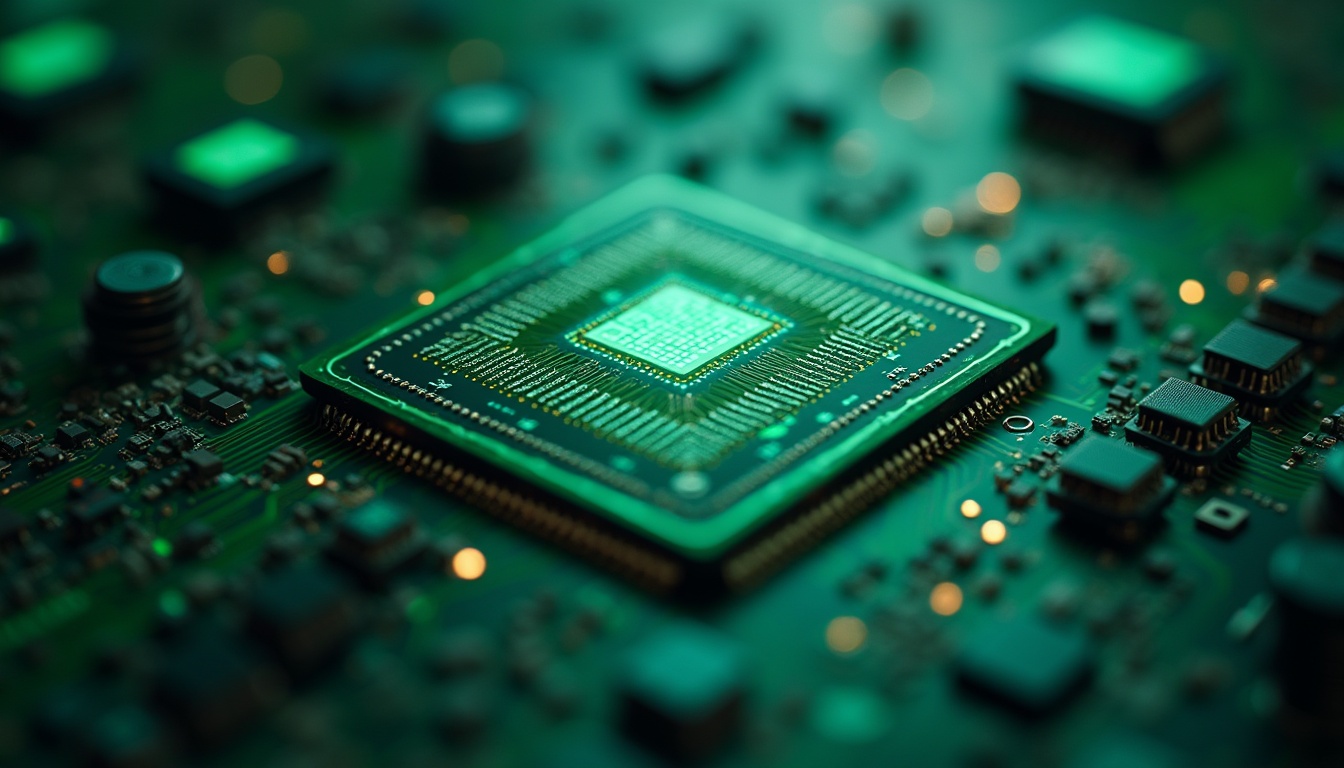
For business leaders, that is the real story. Terafab is not just another factory project. It reflects a broader strategic move toward tighter control over the physical foundation of AI: chips, manufacturing capability, supply resilience, and the ability to align hardware ambitions with long-term product roadmaps.
For iAvva AI Consulting, this matters because it highlights a trend many leaders should watch closely. The next phase of AI advantage may belong not only to companies with strong models or software, but also to those that can shape the manufacturing systems behind them.
As AI becomes more infrastructure-intensive, manufacturing strategy is becoming part of competitive strategy.
Key Takeaways
- Terafab appears to represent a more integrated Tesla and SpaceX operating model around semiconductor and AI infrastructure ambitions.
- The project suggests that manufacturing control is becoming more important to AI competitiveness.
- Cross-company leadership and talent flow can accelerate ambitious infrastructure programs when priorities align.
- Leaders should pay attention to how AI companies are building physical supply resilience, not just software capability.
- Semiconductor strategy is increasingly connected to robotics, autonomy, data centers, and long-term product economics.
Why This Story Matters
Most AI discussions still focus on models, products, and user interfaces. But beneath all of that sits a harder reality: advanced AI depends on physical systems that are expensive, supply-constrained, and strategically important. Compute does not appear out of nowhere. It depends on chips, manufacturing processes, energy, facilities, and talent.
That is what makes Terafab important. It reflects a push to build more direct influence over one of the hardest parts of the AI stack. If successful, that kind of move could support everything from autonomous vehicles to humanoid robots to data center expansion.
Why Manufacturing Control Is Becoming Strategic
As AI workloads grow, the companies that rely on advanced hardware face a basic challenge: they are increasingly exposed to external constraints. Those constraints include foundry access, supply chain instability, long lead times, pricing pressure, and competition for advanced manufacturing capacity.
Bringing more of that capability closer to your own operating system changes the equation. It can improve alignment between product goals and supply planning. It can reduce strategic dependence. It can also make it easier to optimize hardware design for the exact workloads a company cares about most.
| Traditional AI Advantage | Emerging AI Advantage | Why It Matters |
|---|---|---|
| Better software and models | Better software plus tighter infrastructure control | Creates stronger long-term resilience |
| Relying on outside manufacturing partners | Building more direct manufacturing influence | Reduces supply vulnerability |
| Separate company capabilities | Cross-company operational integration | Accelerates ambitious programs |
| Buying compute reactively | Designing for future compute needs | Supports larger strategic bets |
What Terafab Suggests About the Tesla and SpaceX Relationship
One of the most interesting parts of this story is not only the scale of the manufacturing ambition, but also the organizational structure behind it. When projects begin to pull leaders, engineers, and strategic resources from multiple companies in a durable way, it suggests something deeper than collaboration by convenience.
It suggests a shared operating logic.
That matters because it can create unique advantages. A cross-company structure can combine different strengths, faster hardware iteration, manufacturing discipline, AI software priorities, systems engineering depth, and capital ambition. It can also create complexity, but when the leadership center is strong enough, that complexity may be viewed as worth it.
Why Your Target Audience Should Care
Most SMB and mid-market leaders are not building semiconductor fabs. But they should still care about the strategic lesson. The companies shaping the next AI economy are increasingly trying to control more of the stack. They do not want to depend too heavily on outside providers for the most mission-critical layers if they can avoid it.
The business lesson is broader than semiconductors. It is about asking:
- Which dependencies matter most to our future?
- What capabilities are too strategic to leave loosely controlled?
- Where do we need stronger integration between product, operations, and infrastructure?
- How do we reduce risk in areas that could slow future growth?
That mindset applies to software, data, operations, customer workflows, and internal AI systems just as much as it applies to hardware.
Case Example: The Stack-Control Mindset
Imagine a company that depends on AI for core service delivery but builds its future on tools, data flows, and process layers it does not really control. That company may move quickly at first, but it remains exposed. Pricing changes, access limits, vendor instability, or performance bottlenecks can all slow it down.
A stronger company does not necessarily own everything, but it identifies which parts of the stack matter most and builds deeper control there. That may mean internal knowledge systems, workflow infrastructure, customer-facing automation, or proprietary implementation processes. Terafab represents this same principle at a much larger physical scale.
What Leaders Should Do Now
Leaders should not read this as a story about celebrity founders or corporate intrigue. The better takeaway is more practical. AI strategy increasingly depends on operational depth.
- map the dependencies that matter most to your AI future
- identify which strategic layers need more direct control
- align product vision with infrastructure reality
- treat supply resilience and system design as leadership issues
- look beyond software features to the operating model underneath
That is how stronger long-term advantage is built.
This connects closely with broader themes we have already covered in AI infrastructure expansion, infrastructure and resource pressure, and why compute economics matter.
Conclusion
The Terafab effort matters because it shows how AI competition is maturing. Winning may depend less on isolated software brilliance and more on the ability to connect hardware, manufacturing, engineering, and product ambition into one coherent system. Tesla and SpaceX appear to be moving in that direction.
For business leaders, the deeper lesson is simple. The future of AI advantage may belong to organizations that understand not just how to use intelligence, but how to build the systems that support it.
FAQs
Why is Terafab strategically important?
Because it reflects a push toward stronger control over semiconductor manufacturing and AI infrastructure, which are increasingly critical to long-term competitiveness.
Why should non-manufacturing businesses care?
Because the broader lesson is about controlling the parts of the stack that matter most to your future, not just relying on outside providers for everything.
What does this suggest about AI competition?
It suggests that infrastructure, manufacturing, and supply resilience are becoming just as important as software capability in some sectors.
What is the leadership takeaway?
Build deeper control over the strategic systems your business will depend on most as AI becomes more central to how you operate and grow.
Related reading: What AI Infrastructure Expansion Really Means, Why Compute Economics Matter, Why Infrastructure Leadership Matters, and The Information.















Leave a Reply