








In recent years, the global energy landscape has undergone a significant transformation, driven by the urgent need to address climate change and reduce reliance on fossil fuels. Renewable energy companies have emerged as key players in this transition, harnessing natural resources to generate clean, sustainable energy. These companies are not only pivotal in mitigating environmental impacts but also play a crucial role in fostering economic growth and job creation. As the world shifts towards a more sustainable future, understanding the various sectors within the renewable energy industry becomes essential.
The renewable energy sector encompasses a diverse range of technologies and solutions, each contributing uniquely to the overall goal of reducing carbon emissions and promoting sustainability. From solar and wind to geothermal and biomass, these companies are at the forefront of innovation, developing new methods to harness energy from natural sources. As governments and organizations worldwide commit to ambitious climate targets, the importance of renewable energy companies will only continue to grow, making them vital players in the global economy.
As the renewable energy sector continues to evolve, companies are increasingly turning to innovative strategies to enhance their operations and efficiency. A related article that explores how artificial intelligence can revolutionize business practices, including those in the renewable energy field, can be found here: 10 Proven AI Strategies to Transform Your Business Operations. This resource provides valuable insights into how AI technologies can be leveraged to optimize processes, reduce costs, and drive sustainable growth in the renewable energy industry.
Key Takeaways
- Renewable energy companies span diverse sectors including solar, wind, geothermal, hydroelectric, and biomass.
- Energy storage and green technology firms play crucial roles in enhancing renewable energy efficiency and integration.
- These companies significantly contribute to reducing global carbon emissions and combating climate change.
- Ongoing innovations promise to improve renewable energy accessibility, affordability, and sustainability.
- The future of renewable energy depends on continued technological advancements and global collaboration.
Solar Energy Companies
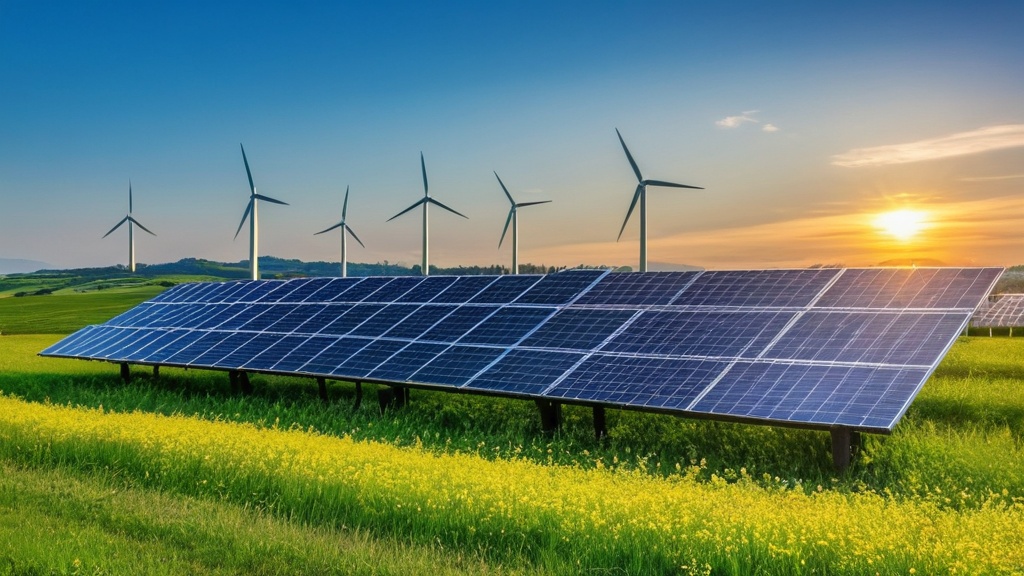
Solar energy companies have revolutionized the way we think about energy production by harnessing the power of the sun. Photovoltaic (PV) technology has made it possible to convert sunlight directly into electricity, providing a clean and abundant source of energy. These companies are not only focused on manufacturing solar panels but also on developing innovative solutions for solar energy storage and distribution. The rapid decline in solar panel costs over the past decade has made solar energy more accessible than ever, leading to widespread adoption across residential, commercial, and industrial sectors.
In addition to traditional solar panel installations, many solar energy companies are exploring new technologies such as solar thermal systems and concentrated solar power (CSP). These advancements allow for more efficient energy capture and utilization, further enhancing the viability of solar energy as a primary power source. As governments implement incentives and subsidies to promote renewable energy adoption, solar energy companies are poised for significant growth, contributing to a cleaner environment while meeting the increasing demand for electricity.
Wind Energy Companies
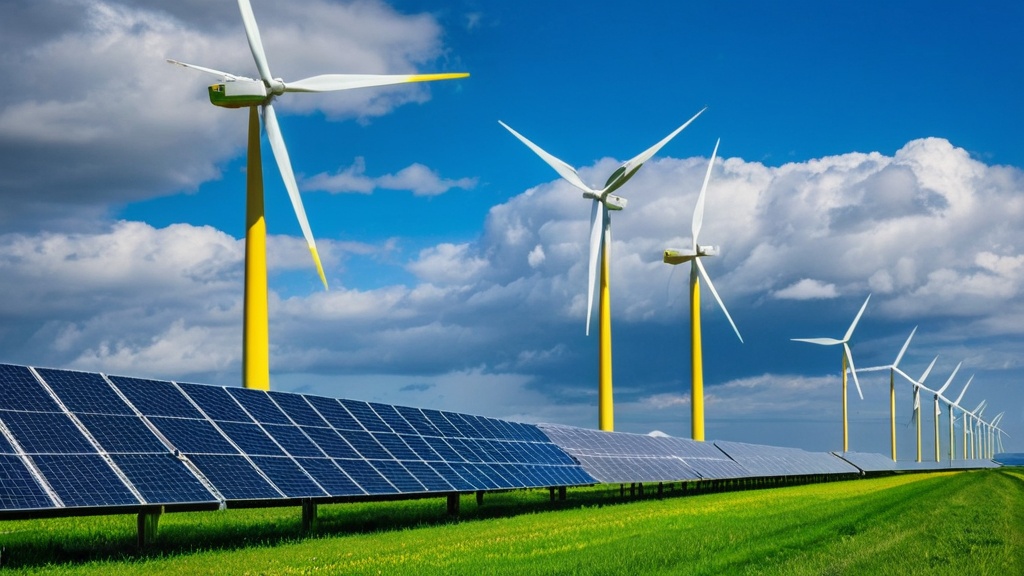
Wind energy companies have emerged as leaders in the renewable energy sector, capitalizing on the natural power of wind to generate electricity. Wind turbines, which convert kinetic energy from wind into electrical power, have become a common sight in many regions around the world. These companies are not only involved in the manufacturing of turbines but also in the development of wind farms that harness this renewable resource on a large scale. The growth of wind energy has been remarkable, with many countries investing heavily in offshore and onshore wind projects.
The technological advancements in turbine design and efficiency have played a significant role in making wind energy more competitive with traditional fossil fuels. Modern turbines are larger, more efficient, and capable of generating power even at lower wind speeds. Furthermore, wind energy companies are increasingly focusing on sustainability by implementing eco-friendly practices in their operations and supply chains. As public awareness of climate change grows, wind energy is becoming an integral part of national energy strategies, positioning these companies as key contributors to a sustainable future.
Geothermal Energy Companies
Geothermal energy companies tap into the Earth’s internal heat to provide a reliable and consistent source of power. This form of renewable energy is particularly advantageous because it is not dependent on weather conditions, making it a stable alternative to solar and wind energy.
Geothermal plants can generate electricity or provide direct heating solutions, making them versatile in their applications.
The technology involves drilling deep into the Earth’s crust to access hot water or steam reservoirs, which can then be used to drive turbines or provide heating for residential and commercial use.
The potential for geothermal energy is vast, yet it remains underutilized compared to other renewable sources. Geothermal energy companies are working diligently to expand their reach by exploring new sites for geothermal plants and improving drilling technologies. Additionally, advancements in enhanced geothermal systems (EGS) are opening up new possibilities for harnessing geothermal resources in areas previously considered unsuitable. As these companies continue to innovate and overcome challenges, geothermal energy has the potential to play a significant role in achieving global sustainability goals.
As renewable energy companies continue to innovate and expand their reach, understanding the dynamics of growth in the tech sector becomes increasingly important. A recent article discusses strategies that coding startups can employ to scale effectively, which can also be beneficial for companies in the renewable energy space. For insights on how these strategies can be applied, you can read more in this related article. By leveraging such knowledge, renewable energy firms can enhance their operational efficiency and market presence.
Hydroelectric Energy Companies
| Company Name | Headquarters | Primary Renewable Energy Type | Annual Energy Production (GWh) | Number of Employees | Market Share (%) | Year Founded |
|---|---|---|---|---|---|---|
| NextEra Energy | Juno Beach, USA | Wind, Solar | 150,000 | 14,000 | 12.5 | 1984 |
| Vestas Wind Systems | Aarhus, Denmark | Wind | 120,000 | 29,000 | 9.8 | 1945 |
| First Solar | Tempe, USA | Solar | 25,000 | 6,000 | 4.3 | 1999 |
| Siemens Gamesa | Bilbao, Spain | Wind | 90,000 | 26,000 | 8.7 | 1976 |
| Enphase Energy | Fremont, USA | Solar | 10,000 | 2,000 | 2.1 | 2006 |
Hydroelectric energy companies utilize the power of flowing water to generate electricity, making it one of the oldest and most established forms of renewable energy. By constructing dams or utilizing run-of-the-river systems, these companies can convert the kinetic energy of water into electrical power. Hydropower is known for its ability to provide a consistent and reliable source of energy, often serving as a backbone for national grids in many countries. The scale of hydroelectric projects can vary significantly, from large-scale dams that produce gigawatts of power to small community-based systems that serve local needs.
Despite its advantages, hydroelectric energy also faces challenges related to environmental impact and community displacement. Hydroelectric companies are increasingly focusing on sustainable practices that minimize ecological disruption while maximizing energy production. Innovations such as fish-friendly turbines and improved water management techniques are being implemented to address these concerns. As nations seek to diversify their energy portfolios and reduce carbon emissions, hydroelectric energy remains a critical component of the renewable energy landscape.
Biomass Energy Companies
Biomass energy companies convert organic materials into usable forms of energy, such as electricity, heat, or biofuels. This process involves using plant materials, agricultural residues, or even waste products from various industries. Biomass is considered renewable because it relies on resources that can be replenished over time through natural processes. These companies play a vital role in waste management by converting what would otherwise be discarded into valuable energy resources.
The versatility of biomass allows for various applications across different sectors. For instance, biomass can be used for heating residential homes or powering vehicles through biofuels like ethanol and biodiesel. However, biomass energy also faces scrutiny regarding its sustainability and carbon footprint. Biomass energy companies are addressing these concerns by adopting sustainable sourcing practices and improving conversion technologies to enhance efficiency. As awareness grows about the importance of circular economies and waste reduction, biomass energy is likely to gain traction as a viable renewable solution.
Energy Storage Companies
Energy storage companies are essential players in the renewable energy sector as they address one of the most significant challenges: intermittency. Renewable sources like solar and wind are subject to fluctuations based on weather conditions and time of day, making reliable storage solutions crucial for maintaining grid stability. These companies develop advanced battery technologies and other storage systems that allow excess energy generated during peak production times to be stored for later use.
The rise of electric vehicles (EVs) has further accelerated innovation within the energy storage sector. As demand for EVs increases, so does the need for efficient battery technologies that can store large amounts of energy while remaining cost-effective. Energy storage companies are investing heavily in research and development to create next-generation batteries that offer higher capacities, faster charging times, and longer lifespans. By enhancing storage capabilities, these companies not only support renewable energy integration but also contribute to reducing greenhouse gas emissions across various sectors.
Green Technology Companies
Green technology companies encompass a broad range of innovations aimed at promoting sustainability and reducing environmental impact across industries. These firms focus on developing technologies that improve efficiency, reduce waste, and promote cleaner production methods. From smart grids that optimize electricity distribution to carbon capture technologies that mitigate emissions from industrial processes, green technology companies are at the forefront of creating solutions that align with global sustainability goals.
The collaboration between green technology firms and traditional industries is becoming increasingly important as businesses seek to transition towards more sustainable practices. By integrating green technologies into their operations, companies can not only reduce their environmental footprint but also enhance their competitiveness in an evolving market landscape. As consumer demand for sustainable products grows, green technology companies will play a pivotal role in shaping a more sustainable future across various sectors.
Global Impact of Renewable Energy Companies
The global impact of renewable energy companies extends far beyond environmental benefits; they also contribute significantly to economic growth and job creation worldwide. As nations invest in renewable infrastructure, thousands of jobs are created across various sectors—from manufacturing and installation to research and development. This shift towards renewable energy not only helps combat climate change but also fosters local economies by providing stable employment opportunities.
Moreover, renewable energy companies are instrumental in reducing dependence on imported fossil fuels, enhancing national security and energy independence for many countries. By diversifying their energy sources through renewables, nations can mitigate risks associated with fluctuating oil prices and geopolitical tensions related to fossil fuel supply chains. The collective efforts of these companies contribute to a more resilient global economy while addressing pressing environmental challenges.
Future Innovations in Renewable Energy
As technology continues to advance at an unprecedented pace, the future of renewable energy holds immense potential for innovation. Emerging technologies such as artificial intelligence (AI) and machine learning are being integrated into renewable systems to optimize performance and enhance efficiency. For instance, AI can analyze vast amounts of data from renewable sources to predict production patterns and improve grid management.
Additionally, breakthroughs in materials science may lead to more efficient solar panels or lighter-weight wind turbine blades that can capture more energy with less material usage. The development of hydrogen as a clean fuel source is also gaining traction; hydrogen produced from renewable sources could serve as an essential component in decarbonizing hard-to-abate sectors like heavy industry and transportation. As these innovations unfold, they will further solidify the role of renewable energy companies as leaders in creating a sustainable future.
Conclusion and Final Thoughts
In conclusion, renewable energy companies are at the forefront of addressing some of the most pressing challenges facing our planet today—climate change, resource depletion, and economic instability. By harnessing natural resources through innovative technologies such as solar, wind, geothermal, biomass, hydroelectricity, and advanced storage solutions, these companies are paving the way for a cleaner and more sustainable future.
As we look ahead, it is clear that collaboration among governments, businesses, and communities will be essential in driving the transition towards renewable energy adoption on a global scale. The continued investment in research and development will unlock new possibilities for innovation within this sector while creating jobs and fostering economic growth worldwide. Embracing renewable energy is not just an environmental imperative; it is an opportunity for nations to build resilient economies that thrive in harmony with nature.
FAQs
What types of renewable energy do renewable energy companies typically focus on?
Renewable energy companies commonly focus on sources such as solar power, wind energy, hydroelectric power, geothermal energy, and biomass. These companies develop technologies and infrastructure to harness these natural resources for electricity and heat generation.
How do renewable energy companies contribute to environmental sustainability?
Renewable energy companies help reduce greenhouse gas emissions by providing clean alternatives to fossil fuels. Their technologies produce energy with minimal air pollution and lower carbon footprints, contributing to climate change mitigation and improved air quality.
What are some common services offered by renewable energy companies?
Services often include the design, installation, and maintenance of renewable energy systems like solar panels and wind turbines. They may also offer energy consulting, project development, financing solutions, and operation management for renewable energy projects.
Are renewable energy companies involved in both residential and commercial markets?
Yes, many renewable energy companies serve both residential and commercial customers. They provide tailored solutions ranging from small-scale solar panel installations for homes to large-scale wind farms and solar parks for industrial and utility-scale energy production.
What factors should consumers consider when choosing a renewable energy company?
Consumers should evaluate the company’s experience, reputation, technology offerings, customer service, and pricing. It is also important to consider certifications, warranties, and the company’s ability to provide ongoing support and maintenance for renewable energy systems.

















Leave a Reply