








Non-renewable resources are natural resources that cannot be replenished within a human timescale once they are consumed. These resources, which include fossil fuels, minerals, and certain water sources, are finite and are being depleted at an alarming rate due to increasing global demand. The reliance on these resources has been a cornerstone of industrial development and economic growth, but this dependence comes with significant environmental and social costs.
As the world continues to industrialize and urbanize, the pressure on non-renewable resources intensifies, leading to a critical examination of our consumption patterns and the sustainability of our resource management practices.
However, the consequences of their depletion are becoming increasingly evident.
As these resources dwindle, the urgency for sustainable alternatives grows. Understanding the implications of non-renewable resource depletion is essential for developing strategies that not only mitigate environmental damage but also promote social equity and economic stability. This article delves into the various dimensions of non-renewable resource depletion, exploring its impacts, consequences, and potential solutions.
Key Takeaways
- Non-renewable resources are finite and their depletion poses significant environmental and economic challenges.
- Fossil fuel and mineral resource depletion lead to energy crises, increased costs, and ecological damage.
- Deforestation and water scarcity exacerbate the loss of non-renewable resources, impacting biodiversity and human livelihoods.
- Sustainable management and a shift to renewable energy are critical to mitigating resource depletion effects.
- Global cooperation and proactive policies are essential to ensure responsible use and conservation of non-renewable resources.
The Impact of Non-Renewable Resource Depletion
The depletion of non-renewable resources has far-reaching effects on ecosystems, economies, and societies. As these resources become scarcer, the environmental degradation associated with their extraction intensifies. For instance, mining operations can lead to habitat destruction, soil erosion, and water pollution, disrupting local ecosystems and threatening biodiversity.
Additionally, the carbon emissions generated from burning fossil fuels contribute significantly to climate change, exacerbating global warming and its associated impacts on weather patterns, sea levels, and agricultural productivity. Economically, the depletion of non-renewable resources poses a significant challenge. As resources become scarcer, their prices tend to rise, leading to increased costs for industries reliant on these materials.
This can result in inflationary pressures that affect consumers and businesses alike. Moreover, countries that depend heavily on the export of non-renewable resources may face economic instability as global demand fluctuates. The social implications are equally concerning; communities that rely on these resources for their livelihoods may experience job losses and economic decline as extraction becomes less viable.
Fossil Fuel Depletion and its Consequences

Fossil fuels—coal, oil, and natural gas—are among the most critical non-renewable resources driving global energy production. However, their depletion is not just an environmental concern; it also poses significant geopolitical challenges. As reserves diminish, countries may engage in competitive behaviors to secure remaining supplies, leading to conflicts and instability in resource-rich regions.
Furthermore, the transition away from fossil fuels is fraught with challenges as economies grapple with the need for energy security while addressing climate change. The consequences of fossil fuel depletion extend beyond geopolitics. The reliance on fossil fuels has led to severe air and water pollution, contributing to public health crises worldwide.
As fossil fuel reserves dwindle, alternative energy sources must be developed and integrated into existing infrastructures. This transition requires substantial investment in renewable technologies and a shift in public policy to support sustainable energy practices. The urgency of this transition cannot be overstated; without proactive measures, societies will face dire consequences as fossil fuel supplies continue to decline.
Depletion of Metal and Mineral Resources
The depletion of metal and mineral resources presents another layer of complexity in the discussion of non-renewable resource management. Metals such as copper, aluminum, and rare earth elements are essential for modern technology, including electronics, renewable energy systems, and transportation. As demand for these materials surges due to technological advancements and population growth, the pressure on existing reserves increases dramatically.
Mining operations often lead to significant environmental degradation, including habitat destruction and water contamination. Moreover, the extraction processes for metals and minerals can be labor-intensive and hazardous for workers. In many regions, mining operations are associated with poor labor practices and exploitation of local communities.
As these resources become scarcer, the ethical implications of their extraction come into sharper focus. The need for responsible sourcing practices is paramount; industries must prioritize sustainability and transparency in their supply chains to mitigate the negative impacts associated with metal and mineral resource depletion.
The Role of Deforestation in Non-Renewable Resource Depletion
| Non-Renewable Resource | Estimated Global Reserves | Annual Consumption | Primary Uses | Estimated Years Remaining |
|---|---|---|---|---|
| Coal | 1.1 trillion tonnes | 7.7 billion tonnes | Electricity generation, steel production | 143 years |
| Crude Oil | 1.7 trillion barrels | 35 billion barrels | Fuel, plastics, chemicals | 49 years |
| Natural Gas | 7,000 trillion cubic feet | 130 trillion cubic feet | Heating, electricity, industrial use | 54 years |
| Uranium | 6.1 million tonnes | 67,000 tonnes | Nuclear power generation | 91 years |
| Phosphates | 70 billion tonnes | 200 million tonnes | Fertilizers | 350 years |
Deforestation is intricately linked to the depletion of non-renewable resources, particularly in regions where forests are cleared for agriculture or mining activities. Forests play a crucial role in maintaining ecological balance by providing habitat for wildlife, regulating water cycles, and sequestering carbon dioxide from the atmosphere. However, as demand for land increases due to population growth and economic development, deforestation rates have surged globally.
The consequences of deforestation extend beyond biodiversity loss; they also contribute to climate change by releasing stored carbon into the atmosphere. Additionally, deforestation can lead to soil degradation and increased vulnerability to natural disasters such as floods and landslides. Addressing deforestation requires a multifaceted approach that includes sustainable land management practices, reforestation efforts, and policies that incentivize conservation over exploitation.
By prioritizing forest preservation, societies can mitigate the impacts of non-renewable resource depletion while promoting ecological health.
Water Scarcity and Depletion of Non-Renewable Water Resources
Water scarcity is another critical aspect of non-renewable resource depletion that often goes overlooked. While water is a renewable resource in many contexts, certain aquifers and groundwater sources are classified as non-renewable due to their slow recharge rates. Over-extraction of these water sources for agricultural or industrial use can lead to significant depletion, threatening food security and economic stability in affected regions.
The consequences of water scarcity are profound; communities may face conflicts over access to dwindling supplies, leading to social unrest and displacement. Additionally, water scarcity can hinder economic development by limiting agricultural productivity and increasing costs for industries reliant on water-intensive processes. To address this issue effectively, it is essential to implement sustainable water management practices that prioritize conservation and equitable distribution of water resources.
The Economic and Social Implications of Non-Renewable Resource Depletion
The economic implications of non-renewable resource depletion are vast and multifaceted. As resources become scarcer, industries reliant on these materials may face increased operational costs that can lead to higher prices for consumers. This inflationary pressure can disproportionately affect low-income households that spend a larger portion of their income on essential goods and services.
Furthermore, countries that depend heavily on exports of non-renewable resources may experience economic volatility as global demand fluctuates. Socially, the depletion of non-renewable resources can exacerbate inequalities within societies. Communities that rely on resource extraction for their livelihoods may find themselves vulnerable as jobs disappear due to declining reserves or shifts toward more sustainable practices.
Additionally, marginalized groups often bear the brunt of environmental degradation associated with resource extraction activities. Addressing these social implications requires a commitment to equitable resource management practices that prioritize community well-being alongside economic growth.
Strategies for Sustainable Resource Management
To mitigate the impacts of non-renewable resource depletion, it is imperative to adopt sustainable resource management strategies that prioritize conservation and efficiency. One effective approach is the implementation of circular economy principles that emphasize reducing waste through recycling and reusing materials. By designing products with their end-of-life in mind, industries can minimize their reliance on virgin materials while reducing environmental impacts.
Additionally, investing in research and development for alternative materials can help alleviate pressure on non-renewable resources. For instance, advancements in bio-based materials or synthetic alternatives can provide viable substitutes for traditional resources while promoting sustainability. Policymakers must also play a crucial role by enacting regulations that incentivize sustainable practices across industries while holding companies accountable for their environmental impact.
The Importance of Renewable Energy Sources
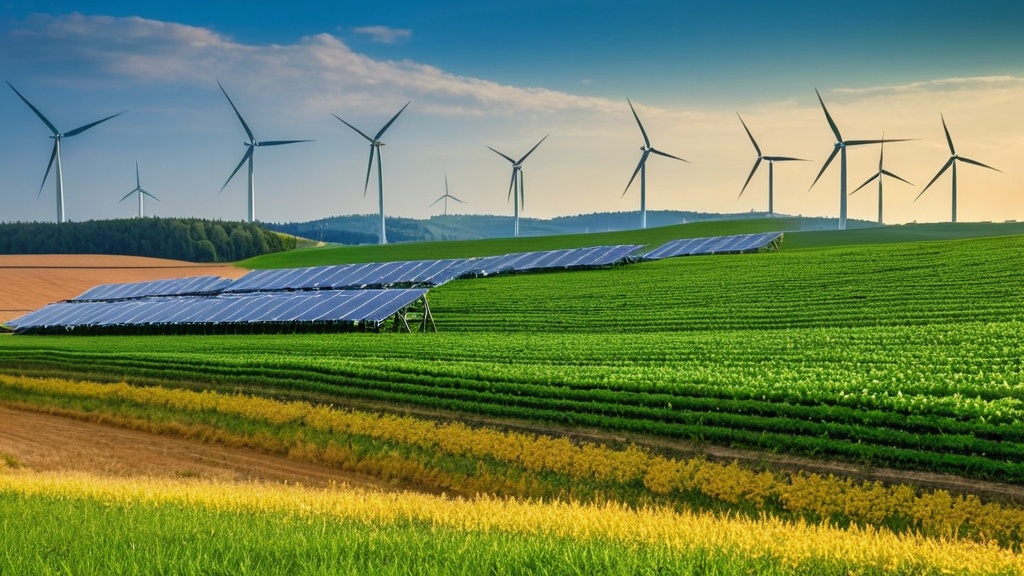
Transitioning from non-renewable to renewable energy sources is essential for addressing the challenges posed by resource depletion. Renewable energy technologies such as solar, wind, hydroelectricity, and geothermal power offer sustainable alternatives that can reduce dependence on fossil fuels while minimizing environmental harm. Investing in renewable energy infrastructure not only helps mitigate climate change but also creates new economic opportunities through job creation in emerging industries.
By diversifying energy portfolios with renewables, countries can enhance their energy security while reducing vulnerability to fluctuations in fossil fuel markets. The transition to renewable energy is not merely an environmental imperative; it is also an economic opportunity that can drive innovation and growth in a rapidly changing global landscape.
International Efforts to Address Non-Renewable Resource Depletion
Addressing non-renewable resource depletion requires coordinated international efforts that transcend national borders. Various global initiatives aim to promote sustainable resource management practices while fostering collaboration among countries. For instance, the United Nations Sustainable Development Goals (SDGs) emphasize responsible consumption and production patterns as a means to ensure sustainable development for future generations.
Additionally, international agreements such as the Paris Agreement seek to combat climate change by encouraging countries to reduce greenhouse gas emissions associated with fossil fuel consumption. Collaborative efforts among nations can facilitate knowledge sharing and best practices in resource management while promoting technological innovation in sustainability initiatives. By working together on a global scale, countries can develop comprehensive strategies that address the multifaceted challenges posed by non-renewable resource depletion.
Conclusion and Call to Action for Sustainable Resource Use
In conclusion, the depletion of non-renewable resources presents significant challenges that require urgent attention from individuals, businesses, governments, and international organizations alike. The consequences of this depletion extend beyond environmental degradation; they encompass economic instability and social inequities that threaten global well-being. To address these challenges effectively, it is imperative to adopt sustainable resource management practices that prioritize conservation while fostering innovation in renewable energy technologies.
As stewards of our planet’s resources, we must take collective action to ensure a sustainable future for generations to come. This involves not only rethinking our consumption patterns but also advocating for policies that promote responsible resource use at all levels of society. By embracing sustainability as a guiding principle in our decision-making processes—whether at home or within our organizations—we can work towards mitigating the impacts of non-renewable resource depletion while fostering a more equitable and resilient world for all.
Non-renewable resources continue to play a significant role in our global economy, and understanding their impact is crucial for sustainable development. For insights on how businesses can adapt and thrive in a rapidly changing environment, you might find the article on embracing agile and AI for value acceleration particularly relevant. It discusses innovative strategies that can help organizations navigate challenges associated with resource management. You can read more about it here: Embracing Agile and AI for Value Acceleration.
FAQs
What are non-renewable resources?
Non-renewable resources are natural resources that cannot be replenished or regenerated on a human timescale once they are consumed. They exist in finite amounts and include fossil fuels like coal, oil, and natural gas, as well as minerals and metals.
Why are non-renewable resources important?
Non-renewable resources are crucial for modern society as they provide energy, raw materials for manufacturing, and are essential for transportation, electricity generation, and the production of goods.
What are the main types of non-renewable resources?
The main types of non-renewable resources include fossil fuels (coal, oil, natural gas), nuclear fuels (uranium), and certain minerals and metals such as gold, silver, and iron ore.
How do non-renewable resources impact the environment?
The extraction and use of non-renewable resources often lead to environmental degradation, including habitat destruction, air and water pollution, and greenhouse gas emissions that contribute to climate change.
Can non-renewable resources be recycled or reused?
Some non-renewable resources, particularly metals, can be recycled and reused to reduce the demand for new extraction. However, fossil fuels cannot be recycled and are consumed when used.
What happens when non-renewable resources run out?
When non-renewable resources are depleted, it can lead to energy shortages, increased costs, and economic challenges. This scarcity drives the need for alternative energy sources and more sustainable resource management.
Are there alternatives to non-renewable resources?
Yes, renewable resources such as solar, wind, hydroelectric, and geothermal energy serve as alternatives. These resources are naturally replenished and have a lower environmental impact.
How can we reduce dependence on non-renewable resources?
Reducing dependence involves increasing energy efficiency, investing in renewable energy technologies, recycling materials, and adopting sustainable consumption practices.
What role do governments play in managing non-renewable resources?
Governments regulate the extraction and use of non-renewable resources through policies, environmental regulations, and incentives to promote sustainable practices and the development of renewable energy.
Is the use of non-renewable resources expected to continue in the future?
While the use of non-renewable resources is expected to continue in the near term, there is a global shift towards reducing reliance on them due to environmental concerns and the finite nature of these resources.


















Leave a Reply