









Semiconductor process engineering is a critical discipline that lies at the heart of modern electronics. It encompasses the design, development, and optimization of processes used to manufacture semiconductor devices, which are essential components in a wide array of electronic products. From smartphones to computers, and from automotive systems to medical devices, semiconductors play a pivotal role in enabling the functionality and performance of these technologies. As the demand for smaller, faster, and more efficient electronic devices continues to grow, the importance of semiconductor process engineering becomes increasingly pronounced.
The field of semiconductor process engineering is not only about the technical aspects of manufacturing but also involves a deep understanding of materials science, physics, and chemistry. Engineers in this domain work to refine processes that can produce high-quality semiconductor wafers with precision and efficiency. This intricate balance of science and engineering is what makes semiconductor process engineering a fascinating and rewarding career path for those interested in shaping the future of technology.
As the semiconductor industry continues to evolve, the role of a semiconductor process engineer becomes increasingly vital in the development of advanced technologies. A related article that delves into the competitive landscape of AI chips is available at this link: Google Ramps Up AI Chip Competition with Nvidia. This article explores how major tech companies are investing in semiconductor innovations to enhance their AI capabilities, highlighting the importance of process engineering in creating efficient and powerful chips.
Key Takeaways
- Semiconductor process engineering involves the design, development, and optimization of processes used in the fabrication of semiconductor devices.
- Semiconductor technology plays a crucial role in various industries such as electronics, telecommunications, and healthcare, driving innovation and advancement.
- A semiconductor process engineer is responsible for developing and improving manufacturing processes to ensure the quality and efficiency of semiconductor devices.
- To become a semiconductor process engineer, one needs a strong background in engineering, particularly in materials science, electrical engineering, and chemical engineering.
- The semiconductor fabrication process involves several key steps, including wafer preparation, photolithography, etching, doping, and packaging.
The Importance of Semiconductor Technology
Semiconductor technology is foundational to the modern world, serving as the backbone for virtually all electronic devices. The ability to control electrical conductivity through doping and other techniques has revolutionized how we design and use electronic components. Semiconductors enable the miniaturization of circuits, leading to the development of compact devices that are both powerful and energy-efficient. This technology has not only transformed consumer electronics but has also had a profound impact on industries such as telecommunications, healthcare, automotive, and aerospace.
Moreover, the significance of semiconductor technology extends beyond mere convenience; it is a driving force behind innovation and economic growth. As industries increasingly rely on automation, artificial intelligence, and the Internet of Things (IoT), the demand for advanced semiconductor solutions continues to rise. This creates a ripple effect throughout the economy, fostering job creation and technological advancements that improve quality of life. In essence, semiconductor technology is not just a component of modern life; it is a catalyst for progress across multiple sectors.
The Role of a Semiconductor Process Engineer
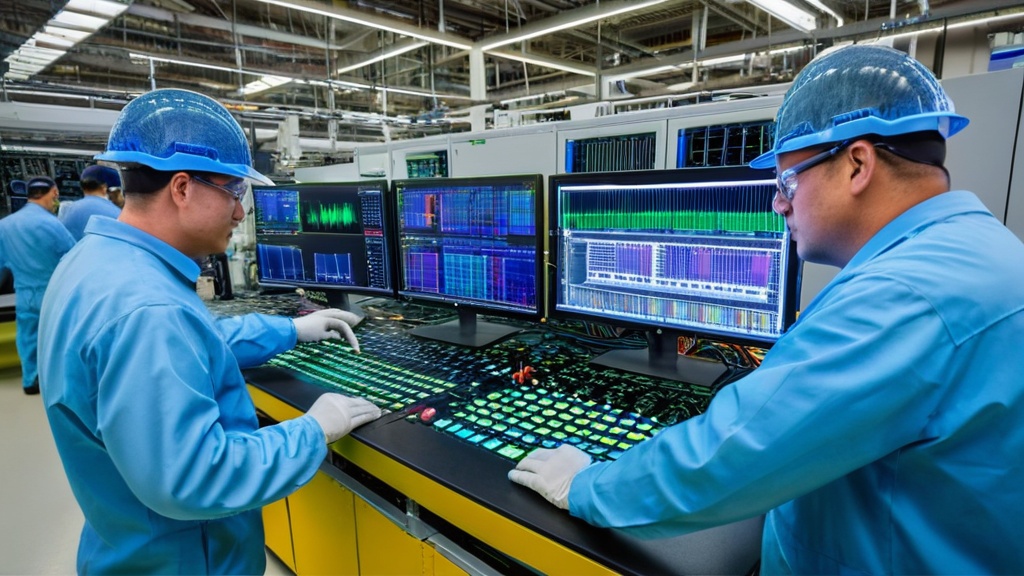
A semiconductor process engineer plays a vital role in the lifecycle of semiconductor manufacturing. Their primary responsibility is to develop and optimize processes that ensure the efficient production of semiconductor devices while maintaining high standards of quality and reliability. This involves working closely with various teams, including design engineers, equipment engineers, and quality assurance personnel, to ensure that every aspect of the manufacturing process aligns with industry standards and customer requirements.
In addition to process development, semiconductor process engineers are also tasked with troubleshooting issues that arise during production. They analyze data from manufacturing processes to identify bottlenecks or defects and implement corrective actions to enhance yield and efficiency. This problem-solving aspect of their role requires a combination of analytical skills and creativity, as engineers must often devise innovative solutions to complex challenges. Ultimately, their work is crucial in ensuring that semiconductor products meet performance specifications while being produced in a cost-effective manner.
Education and Skills Required for a Semiconductor Process Engineer

To embark on a career as a semiconductor process engineer, individuals typically need a strong educational background in engineering or a related field. A bachelor’s degree in electrical engineering, materials science, or chemical engineering is often the minimum requirement. However, many employers prefer candidates with advanced degrees, such as a master’s or Ph.D., as these qualifications can provide deeper insights into complex semiconductor processes and technologies.
In addition to formal education, several key skills are essential for success in this field. Proficiency in data analysis and statistical methods is crucial, as engineers must interpret large datasets to make informed decisions about process improvements. Familiarity with semiconductor fabrication techniques, cleanroom protocols, and equipment operation is also important. Furthermore, strong communication skills are necessary for collaborating with cross-functional teams and conveying technical information effectively. As technology continues to evolve, a commitment to lifelong learning is vital for staying abreast of new developments in semiconductor manufacturing.
A semiconductor process engineer plays a crucial role in the development and optimization of manufacturing processes for semiconductor devices. As the industry increasingly embraces advanced technologies, understanding the integration of artificial intelligence can significantly enhance efficiency and innovation. For insights on how AI can transform strategies in various sectors, including semiconductor manufacturing, you might find this article on AI strategy particularly informative. This resource provides valuable guidance on leveraging AI to drive success in technology-driven environments.
The Process of Semiconductor Fabrication
| Metrics | Data |
|---|---|
| Yield | 95% |
| Defect Density | 0.05 defects/cm² |
| Throughput | 1000 wafers/day |
| Equipment Utilization | 90% |
The process of semiconductor fabrication is intricate and involves multiple steps that transform raw materials into functional electronic devices. It begins with the selection of high-purity silicon wafers, which serve as the substrate for device fabrication. The wafers undergo several processes, including oxidation, photolithography, etching, doping, and metallization. Each step requires precise control over parameters such as temperature, pressure, and chemical concentrations to ensure optimal results.
Photolithography is one of the most critical steps in semiconductor fabrication. During this process, light-sensitive materials called photoresists are applied to the wafer surface. A mask containing the desired circuit pattern is then used to expose specific areas of the photoresist to light. The exposed areas undergo chemical changes that allow them to be selectively removed during subsequent etching processes. This intricate layering and patterning create the complex structures found in modern semiconductor devices. The entire fabrication process demands meticulous attention to detail and rigorous quality control measures to ensure that each device meets stringent performance standards.
Challenges Faced by Semiconductor Process Engineers
Despite the advancements in semiconductor technology, process engineers face numerous challenges in their work. One significant challenge is managing the increasing complexity of semiconductor devices as they become smaller and more powerful. As manufacturers strive to produce chips with smaller feature sizes—often measured in nanometers—engineers must develop new techniques and processes that can accommodate these changes without compromising performance or yield.
Another challenge is maintaining consistency in production while adapting to rapidly changing market demands. The semiconductor industry is characterized by its fast-paced nature, where new technologies emerge frequently. Process engineers must be agile in their approach, continuously refining processes to keep up with evolving requirements while ensuring that quality remains uncompromised. Additionally, supply chain disruptions can pose significant hurdles; engineers must navigate these challenges while maintaining production schedules and meeting customer expectations.
Advancements in Semiconductor Technology
The field of semiconductor technology is marked by continuous innovation aimed at enhancing performance and efficiency. Recent advancements include the development of new materials such as gallium nitride (GaN) and silicon carbide (SiC), which offer superior electrical properties compared to traditional silicon-based semiconductors. These materials enable higher power densities and improved thermal management, making them ideal for applications in electric vehicles and renewable energy systems.
Moreover, advancements in manufacturing techniques such as extreme ultraviolet (EUV) lithography have revolutionized the way chips are produced. EUV lithography allows for finer patterning on silicon wafers, enabling manufacturers to create smaller transistors that consume less power while delivering higher performance. As these technologies continue to evolve, they open up new possibilities for innovation across various sectors, further solidifying the importance of semiconductor process engineering in driving technological progress.
The Impact of Semiconductor Technology on Various Industries
The impact of semiconductor technology extends far beyond consumer electronics; it permeates virtually every industry imaginable. In healthcare, for instance, semiconductors enable advanced medical imaging devices, wearable health monitors, and telemedicine solutions that improve patient care and outcomes. In automotive applications, semiconductors are integral to the development of advanced driver-assistance systems (ADAS) and electric vehicles (EVs), contributing to safer and more sustainable transportation options.
Furthermore, industries such as telecommunications rely heavily on semiconductors for network infrastructure and mobile communication devices. The rapid expansion of 5G technology exemplifies how semiconductors facilitate faster data transmission and connectivity, paving the way for innovations like smart cities and IoT applications. As industries continue to embrace digital transformation, the demand for advanced semiconductor solutions will only increase, underscoring the critical role that semiconductor process engineers play in shaping our future.
The Future of Semiconductor Process Engineering
Looking ahead, the future of semiconductor process engineering appears promising yet challenging. As technology continues to advance at an unprecedented pace, engineers will need to adapt their skills and knowledge to keep up with emerging trends such as quantum computing and neuromorphic computing. These cutting-edge technologies have the potential to revolutionize computing paradigms but also present unique challenges in terms of fabrication processes and material requirements.
Additionally, sustainability will become an increasingly important focus within the semiconductor industry. As environmental concerns grow, engineers will be tasked with developing eco-friendly manufacturing processes that minimize waste and energy consumption while maintaining high performance standards. This shift towards sustainability will require innovative thinking and collaboration across disciplines to create solutions that benefit both industry stakeholders and society at large.
Career Opportunities for Semiconductor Process Engineers
The demand for skilled semiconductor process engineers is robust across various sectors due to the critical role they play in advancing technology. Career opportunities abound in semiconductor manufacturing companies, research institutions, and technology firms focused on developing next-generation electronic devices. Engineers may find themselves working on cutting-edge projects related to chip design, fabrication processes, or materials research.
Moreover, career advancement opportunities are plentiful within this field. With experience and expertise, semiconductor process engineers can move into leadership roles overseeing teams or projects or transition into specialized areas such as research and development or quality assurance. Continuous learning through professional development programs or advanced degrees can further enhance career prospects and open doors to new opportunities within this dynamic industry.
The Role of Semiconductor Process Engineers in Advancing Technology
In conclusion, semiconductor process engineers are indispensable contributors to the advancement of technology across multiple industries. Their expertise in developing efficient manufacturing processes ensures that high-quality semiconductor devices are produced at scale while meeting ever-evolving market demands. As technology continues to evolve rapidly, these engineers will play a crucial role in driving innovation through their problem-solving skills and commitment to excellence.
The future holds exciting possibilities for semiconductor process engineering as new materials and techniques emerge alongside growing sustainability concerns. By embracing these challenges head-on, semiconductor process engineers will not only shape the future of electronics but also contribute significantly to societal progress through their work in various sectors. Their role is vital in ensuring that we continue to harness the power of semiconductors to improve lives worldwide.
FAQs
What does a semiconductor process engineer do?
A semiconductor process engineer is responsible for developing and improving the manufacturing processes used to create semiconductor devices. This includes designing and implementing new processes, troubleshooting issues, and ensuring the quality and efficiency of production.
What skills are required to become a semiconductor process engineer?
To become a semiconductor process engineer, one needs a strong background in engineering, particularly in the fields of electrical, chemical, or materials engineering. Additionally, skills in problem-solving, data analysis, and project management are essential for success in this role.
What are the typical responsibilities of a semiconductor process engineer?
Typical responsibilities of a semiconductor process engineer include designing and optimizing manufacturing processes, conducting experiments and data analysis, collaborating with cross-functional teams, troubleshooting production issues, and ensuring compliance with industry standards and regulations.
What industries employ semiconductor process engineers?
Semiconductor process engineers are employed in a variety of industries, including semiconductor manufacturing, electronics, telecommunications, and consumer electronics. They may work for semiconductor companies, technology firms, research institutions, or government agencies.
What is the outlook for careers in semiconductor process engineering?
The demand for semiconductor process engineers is expected to remain strong, particularly as advancements in technology continue to drive the need for more efficient and advanced semiconductor devices. As such, careers in semiconductor process engineering are projected to have favorable job prospects and opportunities for growth.















Leave a Reply