









Material Process Engineering is a vital discipline that focuses on the transformation of raw materials into finished products through various processing techniques. This field encompasses a wide range of activities, including the design, optimization, and management of processes that convert materials into usable forms. Material Process Engineers play a crucial role in industries such as manufacturing, aerospace, automotive, and electronics, where the efficiency and quality of material processing can significantly impact overall productivity and profitability. As global competition intensifies and sustainability becomes a pressing concern, the importance of effective material process engineering has never been more pronounced.
The evolution of material process engineering has been driven by advancements in technology, materials science, and manufacturing practices. Engineers in this field must possess a deep understanding of the properties of different materials, as well as the processes that can be employed to manipulate them. This knowledge allows them to innovate and improve existing processes, ensuring that they meet the demands of modern production while minimizing waste and environmental impact. As industries continue to evolve, the role of Material Process Engineers will be pivotal in shaping the future of manufacturing and material utilization.
Material process engineers play a crucial role in optimizing manufacturing processes and materials, and understanding the financial implications of technological advancements is essential in this field. A related article that delves into the economic aspects of AI technologies, including their impact on operational costs, is available at this link: OpenAI’s Mixed Bag: ChatGPT Revenue Surges, But So Do Computing Costs. This article provides insights that can be valuable for material process engineers as they navigate the integration of AI into their workflows.
Key Takeaways
- Material process engineering involves the study and application of various techniques and processes to efficiently produce and manipulate materials.
- Material process engineers are responsible for optimizing material processing techniques to improve efficiency and productivity.
- Efficiency in material processing is crucial for reducing waste, saving time, and lowering production costs.
- Material process engineers analyze and improve material processing techniques to enhance efficiency and quality.
- Technology plays a key role in enhancing efficiency in material processing, and material process engineers must utilize it effectively to optimize processes.
The Responsibilities of a Material Process Engineer
Material Process Engineers are tasked with a diverse array of responsibilities that require both technical expertise and creative problem-solving skills. One of their primary duties is to design and develop processes that efficiently convert raw materials into finished products. This involves selecting appropriate materials, determining optimal processing conditions, and ensuring that the final product meets quality standards. Additionally, they must conduct experiments and simulations to validate their designs and make necessary adjustments based on empirical data.
Another critical responsibility is to oversee the implementation of these processes in a production environment. This includes collaborating with production teams to ensure that processes are executed correctly and efficiently. Material Process Engineers must also monitor ongoing operations to identify areas for improvement, troubleshoot issues as they arise, and implement corrective actions. Their role often extends beyond technical tasks; they must also communicate effectively with stakeholders across various departments, including management, quality assurance, and supply chain teams, to align goals and ensure successful project outcomes.
Understanding the Importance of Efficiency in Material Processing
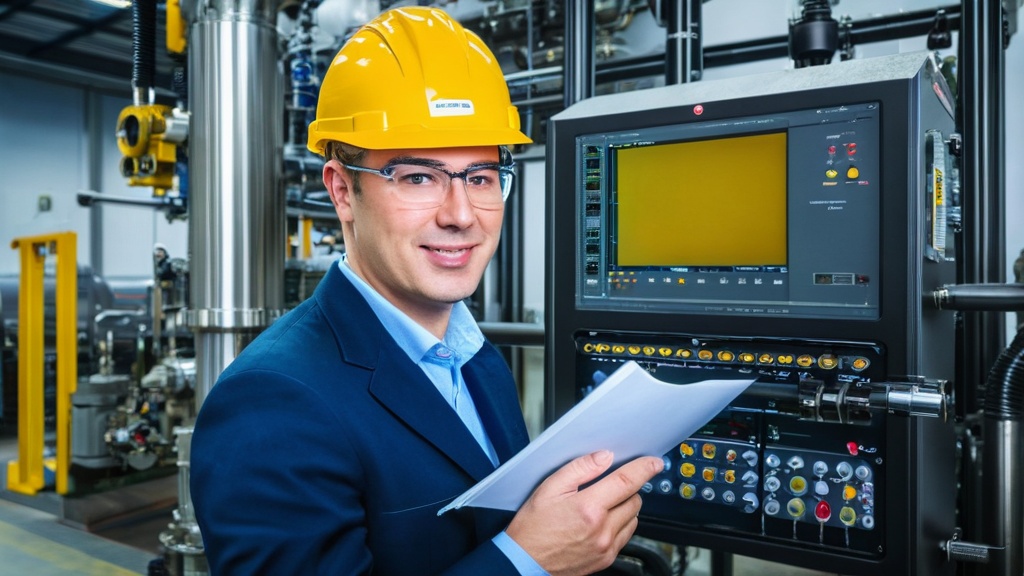
Efficiency in material processing is paramount for several reasons. First and foremost, it directly impacts a company’s bottom line. Inefficient processes can lead to increased production costs, wasted materials, and longer lead times, all of which can erode profit margins. In an era where consumers demand high-quality products at competitive prices, companies cannot afford to overlook the importance of efficiency in their operations. By optimizing material processing techniques, organizations can reduce costs while maintaining or even enhancing product quality.
Moreover, efficiency is closely linked to sustainability. As environmental concerns grow, businesses are under increasing pressure to minimize their ecological footprint. Efficient material processing not only reduces waste but also conserves energy and resources. By adopting more efficient practices, companies can contribute to sustainability goals while also appealing to environmentally conscious consumers. In this context, Material Process Engineers play a crucial role in developing processes that are not only economically viable but also environmentally responsible.
Analyzing and Improving Material Processing Techniques
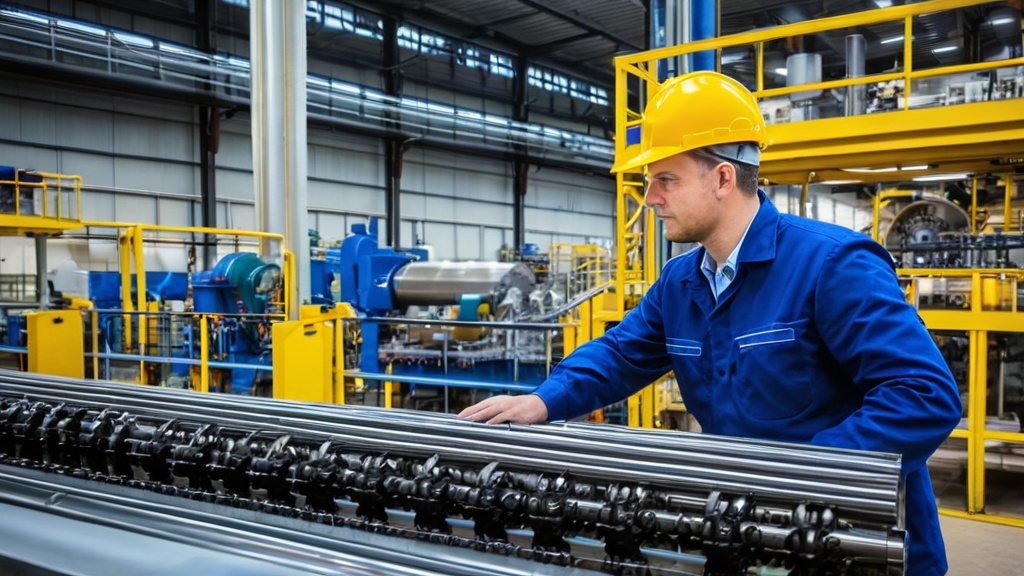
To enhance material processing techniques, engineers must first conduct thorough analyses of existing processes. This involves collecting data on various parameters such as cycle times, yield rates, and defect rates. By employing statistical analysis and process mapping techniques, Material Process Engineers can identify inefficiencies and areas for improvement. This analytical approach allows them to pinpoint specific bottlenecks or weaknesses in the current system that may be hindering overall performance.
Once areas for improvement have been identified, engineers can implement targeted strategies to enhance processing techniques. This may involve redesigning workflows, introducing new technologies, or modifying existing equipment to improve performance. Continuous testing and validation are essential during this phase to ensure that changes lead to tangible improvements without compromising product quality. By fostering a culture of innovation and experimentation, Material Process Engineers can drive significant advancements in processing techniques that ultimately benefit the organization.
Material process engineers play a crucial role in optimizing manufacturing processes and ensuring product quality. For those interested in the broader implications of leadership in technical fields, a related article discusses the distinctions between leadership development and management training, which can be essential for engineers looking to advance their careers. You can read more about this topic in the article on leadership development. Understanding these differences can help material process engineers enhance their skills and effectively lead teams in innovative projects.
Utilizing Technology to Enhance Efficiency
| Metrics | Data |
|---|---|
| Material Yield | 85% |
| Process Efficiency | 90% |
| Defect Rate | 2% |
| Material Cost | 10,000 |
In today’s fast-paced industrial landscape, technology plays a pivotal role in enhancing efficiency in material processing. The advent of automation, artificial intelligence (AI), and data analytics has transformed how engineers approach their work. For instance, automation can streamline repetitive tasks, reduce human error, and increase production speed. By integrating automated systems into material processing workflows, engineers can free up valuable human resources for more complex problem-solving tasks.
Additionally, data analytics provides engineers with insights into process performance that were previously unattainable. By leveraging big data tools and machine learning algorithms, Material Process Engineers can analyze vast amounts of data in real-time to identify trends and anomalies. This capability allows for proactive decision-making and continuous optimization of processes. Furthermore, advanced technologies such as 3D printing and additive manufacturing are revolutionizing material processing by enabling more complex designs and reducing material waste. Embracing these technological advancements is essential for engineers seeking to enhance efficiency in their operations.
Material process engineers play a crucial role in optimizing manufacturing processes and enhancing product quality. To gain insights into how modern methodologies can impact engineering practices, you might find it interesting to explore the article on embracing agile and AI for value acceleration. This resource discusses innovative approaches that can significantly benefit engineers in various fields. For more information, you can read the article here.
Collaborating with Cross-functional Teams to Optimize Processes
Collaboration is a cornerstone of effective material process engineering. Engineers must work closely with cross-functional teams that include production staff, quality assurance personnel, supply chain managers, and even marketing teams. This collaborative approach ensures that all aspects of the production process are considered when optimizing material processing techniques. By engaging with diverse perspectives and expertise, Material Process Engineers can develop more comprehensive solutions that address the needs of various stakeholders.
Effective communication is key to successful collaboration. Engineers must articulate their findings and recommendations clearly to non-technical team members while also being receptive to feedback from others who may have different priorities or insights. Regular meetings and workshops can facilitate knowledge sharing and foster a culture of teamwork within the organization. By breaking down silos and encouraging collaboration across departments, Material Process Engineers can drive more effective process optimization initiatives that lead to improved efficiency and productivity.
Implementing Lean Manufacturing Principles
Lean manufacturing principles are integral to enhancing efficiency in material processing. These principles focus on minimizing waste while maximizing value for customers. Material Process Engineers can apply lean methodologies by identifying non-value-added activities within their processes and eliminating them systematically. This may involve streamlining workflows, reducing excess inventory, or optimizing resource allocation.
One key aspect of lean manufacturing is the concept of continuous improvement or “Kaizen.” This philosophy encourages teams to regularly assess their processes and seek incremental improvements over time. Material Process Engineers can lead Kaizen initiatives by facilitating brainstorming sessions with team members to identify potential enhancements. By fostering a culture of continuous improvement within the organization, engineers can ensure that efficiency remains a priority in all aspects of material processing.
Monitoring and Analyzing Key Performance Indicators
To effectively manage material processing efficiency, it is essential for engineers to establish and monitor key performance indicators (KPIs). These metrics provide valuable insights into how well processes are performing and highlight areas that may require attention. Common KPIs in material processing include cycle time, yield rate, defect rate, and overall equipment effectiveness (OEE). By regularly tracking these indicators, Material Process Engineers can assess the impact of their optimization efforts and make data-driven decisions.
Analyzing KPIs also enables engineers to set realistic performance targets and benchmarks for their teams. By comparing current performance against historical data or industry standards, engineers can identify gaps in efficiency and prioritize improvement initiatives accordingly. Furthermore, sharing KPI results with cross-functional teams fosters accountability and encourages collaboration toward common goals. Ultimately, effective monitoring and analysis of KPIs empower Material Process Engineers to drive continuous improvement in material processing efficiency.
Identifying and Addressing Bottlenecks in Material Processing
Bottlenecks are critical points in a process where the flow of materials or information is impeded, leading to delays and inefficiencies. Identifying these bottlenecks is essential for Material Process Engineers seeking to optimize material processing techniques. Techniques such as value stream mapping can help visualize the entire process flow and pinpoint areas where bottlenecks occur.
Once bottlenecks have been identified, engineers must develop targeted strategies to address them effectively.
This may involve reallocating resources, redesigning workflows, or investing in new technologies that enhance throughput.
It is crucial for engineers to adopt a holistic approach when addressing bottlenecks; changes made in one area should not inadvertently create new bottlenecks elsewhere in the process. By systematically addressing bottlenecks and continuously monitoring their impact on overall efficiency, Material Process Engineers can significantly improve material processing outcomes.
Continuous Improvement and Innovation in Material Processing
The landscape of material processing is constantly evolving due to advancements in technology, changing market demands, and increasing environmental concerns. As such, continuous improvement and innovation are essential for Material Process Engineers striving to maintain efficiency in their operations. Embracing a mindset of innovation encourages engineers to explore new materials, techniques, and technologies that can enhance processing capabilities.
Collaboration with research institutions or industry partners can also foster innovation by providing access to cutting-edge developments in materials science or engineering practices. Additionally, encouraging team members to contribute ideas for improvement creates an environment where creativity thrives. By prioritizing continuous improvement initiatives alongside innovation efforts, Material Process Engineers can ensure that their organizations remain competitive in an ever-changing landscape.
The Impact of Material Process Engineers on Efficiency
In conclusion, Material Process Engineers play a pivotal role in enhancing efficiency within manufacturing processes through their expertise in analyzing techniques, implementing technology solutions, collaborating with cross-functional teams, applying lean principles, monitoring performance metrics, identifying bottlenecks, and fostering continuous improvement initiatives. Their contributions not only drive cost savings but also promote sustainability by minimizing waste and resource consumption.
As industries continue to face challenges related to competition and environmental responsibility, the importance of skilled Material Process Engineers will only grow. By embracing innovation and maintaining a focus on efficiency throughout their operations, these professionals will be instrumental in shaping the future of manufacturing while ensuring that organizations remain agile and responsive to market demands. Ultimately, the impact of Material Process Engineers extends far beyond individual projects; they are key players in driving organizational success in an increasingly complex industrial landscape.
FAQs
What does a material process engineer do?
A material process engineer is responsible for developing and improving manufacturing processes and materials used in production. They work to optimize production methods, troubleshoot issues, and ensure the quality and efficiency of materials and processes.
What skills are required to become a material process engineer?
To become a material process engineer, one needs a strong background in materials science, engineering principles, and manufacturing processes. Additionally, skills in problem-solving, critical thinking, and attention to detail are essential for success in this role.
What industries do material process engineers work in?
Material process engineers can work in a variety of industries, including automotive, aerospace, electronics, and consumer goods. They are often employed in manufacturing facilities, research and development labs, and engineering firms.
What education is required to become a material process engineer?
Most material process engineers hold a bachelor’s degree in materials science, chemical engineering, mechanical engineering, or a related field. Some positions may require a master’s degree or additional certifications, depending on the specific industry and job requirements.
What are the career prospects for material process engineers?
Material process engineers have strong career prospects, as their expertise is in high demand across various industries. With experience and advanced education, they can advance to leadership roles, such as senior process engineer, materials manager, or research and development director.

















Leave a Reply