









Process safety engineering is a critical discipline within the broader field of engineering that focuses on the prevention of catastrophic incidents in industrial settings. It encompasses a wide range of activities aimed at ensuring that processes involving hazardous materials are designed, operated, and maintained in a manner that minimizes risks to personnel, the environment, and property. The importance of process safety engineering has grown significantly over the years, particularly in industries such as oil and gas, chemicals, pharmaceuticals, and manufacturing, where the potential for accidents can have devastating consequences.
At its core, process safety engineering is about understanding the complexities of industrial processes and identifying ways to mitigate risks associated with them. This involves a thorough understanding of chemical reactions, equipment design, operational procedures, and human factors. By integrating safety into the design and operation of processes, engineers can create safer work environments and protect both employees and the surrounding community from potential hazards.
For process safety engineers, understanding the intersection of technology and safety is crucial, especially in today’s rapidly evolving landscape. A related article that delves into the complexities of investment in artificial intelligence and its implications for various industries can be found here: Navigating the AI Investment Minefield: Selectivity is Key. This piece highlights the importance of strategic decision-making in technology adoption, which is essential for enhancing safety protocols in engineering practices.
Key Takeaways
- Process Safety Engineering focuses on preventing accidents and incidents in industrial settings.
- A Process Safety Engineer is responsible for identifying hazards, implementing safety measures, and developing emergency response plans.
- Process Safety is crucial in industrial settings to protect workers, the environment, and the surrounding community.
- Identifying and assessing hazards in the workplace is essential for preventing accidents and ensuring a safe working environment.
- Process Safety Engineers play a key role in implementing safety measures, conducting risk assessments, and developing emergency response plans to mitigate potential hazards.
Responsibilities of a Process Safety Engineer
The responsibilities of a process safety engineer are multifaceted and require a diverse skill set. One of the primary duties is to conduct thorough hazard analyses to identify potential risks associated with various processes. This involves evaluating existing systems and processes to determine where vulnerabilities may exist and what measures can be taken to address them. Process safety engineers must also develop and implement safety protocols and procedures that align with industry standards and best practices.
In addition to hazard analysis and protocol development, process safety engineers are responsible for training personnel on safety practices and ensuring that all employees understand their roles in maintaining a safe work environment. This includes conducting regular safety drills, providing ongoing education about new safety technologies, and fostering a culture of safety within the organization. Furthermore, they must stay abreast of regulatory changes and ensure that their organization complies with all relevant safety regulations.
Importance of Process Safety in Industrial Settings
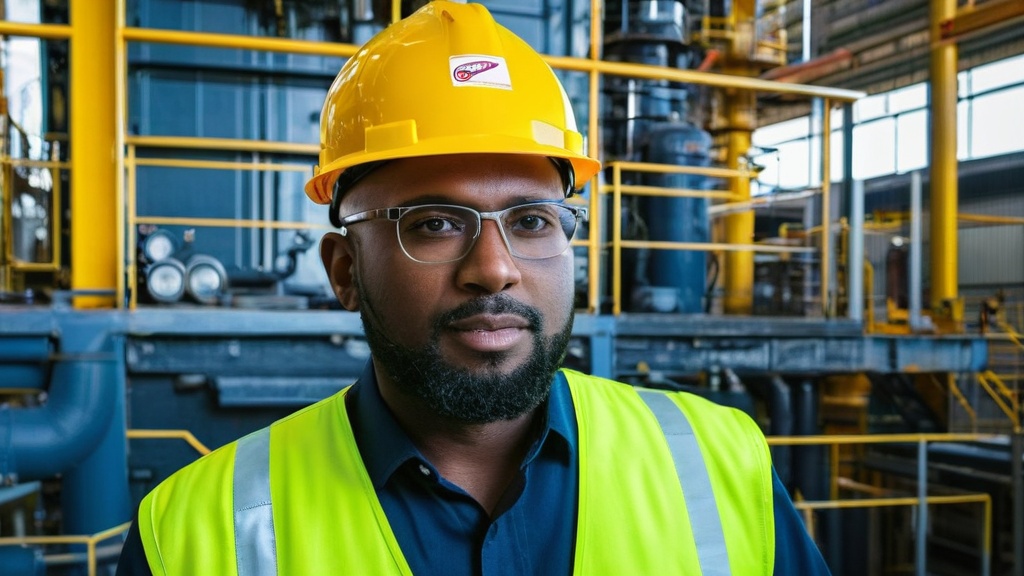
The importance of process safety in industrial settings cannot be overstated. Accidents in industrial environments can lead to severe consequences, including loss of life, environmental damage, and significant financial losses. By prioritizing process safety, organizations can not only protect their employees but also safeguard their assets and reputation. A strong commitment to process safety can enhance operational efficiency by reducing downtime caused by accidents or regulatory non-compliance.
Moreover, effective process safety management can lead to improved public perception and trust. Companies that demonstrate a commitment to safety are often viewed more favorably by customers, investors, and regulatory bodies. This positive reputation can translate into competitive advantages in the marketplace. Ultimately, investing in process safety is not just about compliance; it is about fostering a culture of responsibility and accountability that benefits everyone involved.
Identifying and Assessing Hazards in the Workplace

Identifying and assessing hazards in the workplace is a fundamental aspect of process safety engineering. This process begins with a comprehensive review of all operations involving hazardous materials. Engineers must analyze each step of the process to identify potential hazards, which may include chemical spills, equipment failures, or human errors. Techniques such as Hazard and Operability Studies (HAZOP) and Failure Mode and Effects Analysis (FMEA) are commonly employed to systematically evaluate risks.
Once hazards have been identified, the next step is to assess their potential impact on personnel, the environment, and operations. This assessment involves quantifying the likelihood of an incident occurring and determining the severity of its consequences. By prioritizing hazards based on their risk levels, process safety engineers can focus their efforts on addressing the most critical issues first. This systematic approach not only enhances safety but also optimizes resource allocation within the organization.
For process safety engineers, understanding the integration of advanced technologies in their field is crucial. A recent article discusses the innovative applications of AI in business environments, which can also be beneficial for enhancing safety protocols in engineering practices. You can read more about this in the article on how to effectively utilize AI tools by following this link. Embracing such technologies can lead to improved risk management and operational efficiency in process safety.
Implementing Safety Measures and Protocols
| Metrics | Data |
|---|---|
| Number of Process Safety Incidents | 15 |
| Process Hazard Analysis (PHA) Completion Rate | 90% |
| Process Safety Training Hours | 200 |
| Process Safety Audit Findings | 10 |
Implementing safety measures and protocols is essential for mitigating identified risks in industrial processes. Once hazards have been assessed, process safety engineers must develop strategies to eliminate or control these risks effectively. This may involve redesigning processes to eliminate hazardous materials, installing advanced safety equipment such as pressure relief valves or containment systems, or implementing administrative controls like standard operating procedures (SOPs).
In addition to technical solutions, fostering a culture of safety among employees is crucial for successful implementation. This includes engaging workers in discussions about safety practices, encouraging them to report unsafe conditions without fear of reprisal, and recognizing their contributions to maintaining a safe workplace. By creating an environment where safety is prioritized at all levels of the organization, companies can significantly reduce the likelihood of accidents occurring.
Conducting Risk Assessments and Analysis
Conducting risk assessments and analysis is a vital component of process safety engineering that helps organizations understand their vulnerabilities better. Risk assessments involve evaluating both qualitative and quantitative data to determine the potential impact of identified hazards. This process often includes modeling scenarios to predict outcomes based on various factors such as equipment failure rates or human error probabilities.
The results of risk assessments inform decision-making regarding resource allocation for safety improvements. By understanding which risks pose the greatest threat, organizations can prioritize their investments in safety measures effectively. Additionally, regular risk assessments should be conducted as part of an ongoing commitment to process safety; this ensures that any changes in operations or new technologies are evaluated for potential risks.
Developing Emergency Response Plans
Developing emergency response plans is an essential aspect of process safety engineering that prepares organizations for potential incidents. These plans outline the steps to be taken in the event of an emergency, including evacuation procedures, communication protocols, and coordination with local emergency services.
A well-structured emergency response plan can significantly reduce response times during an incident, ultimately saving lives and minimizing damage.
Training employees on emergency response procedures is equally important. Regular drills should be conducted to ensure that all personnel are familiar with their roles during an emergency situation. This training not only enhances preparedness but also fosters confidence among employees in their ability to respond effectively when faced with a crisis. By investing time and resources into developing robust emergency response plans, organizations can demonstrate their commitment to protecting both their workforce and the surrounding community.
Monitoring and Evaluating Safety Performance
Monitoring and evaluating safety performance is crucial for maintaining high standards in process safety engineering. Organizations must establish key performance indicators (KPIs) that allow them to track their progress toward achieving safety goals. These KPIs may include metrics such as incident rates, near-miss reports, or compliance with safety audits.
Regular evaluations of safety performance provide valuable insights into areas where improvements can be made. By analyzing trends over time, organizations can identify patterns that may indicate underlying issues requiring attention. Continuous monitoring not only helps ensure compliance with regulations but also fosters a proactive approach to safety management that prioritizes prevention over reaction.
Collaborating with Other Departments and Teams
Collaboration with other departments and teams is essential for effective process safety management. Process safety engineers must work closely with various stakeholders within the organization, including operations, maintenance, quality assurance, and human resources teams. This interdisciplinary approach ensures that all aspects of operations are considered when developing safety protocols.
Effective communication between departments fosters a culture of shared responsibility for safety. When all teams understand their roles in maintaining a safe work environment, it creates a unified approach to risk management. Additionally, collaboration can lead to innovative solutions that enhance overall operational efficiency while prioritizing safety.
Ensuring Regulatory Compliance and Standards
Ensuring regulatory compliance and adherence to industry standards is a fundamental responsibility of process safety engineers. Organizations must stay informed about relevant regulations governing their operations and ensure that they meet or exceed these requirements. Compliance not only protects employees but also mitigates legal risks associated with non-compliance.
Process safety engineers play a critical role in developing policies and procedures that align with regulatory standards. They must also conduct regular audits to assess compliance levels within the organization. By maintaining a strong focus on regulatory adherence, companies can avoid costly fines or legal repercussions while demonstrating their commitment to responsible operations.
Continuous Improvement and Learning in Process Safety Engineering
Continuous improvement and learning are integral components of effective process safety engineering practices. The field is constantly evolving due to advancements in technology, changes in regulations, and emerging best practices. As such, it is essential for process safety engineers to engage in ongoing education and professional development.
Organizations should foster a culture of continuous learning by encouraging employees to participate in training programs, workshops, or industry conferences related to process safety. By staying informed about new developments in the field, engineers can implement innovative solutions that enhance safety performance over time. Ultimately, embracing continuous improvement ensures that organizations remain resilient in the face of evolving challenges while prioritizing the well-being of their workforce and the environment.
FAQs
What is a process safety engineer?
A process safety engineer is a professional who is responsible for ensuring that industrial processes and operations are conducted safely and efficiently. They work to identify and mitigate potential hazards, develop safety protocols, and ensure compliance with regulations and standards.
What are the key responsibilities of a process safety engineer?
The key responsibilities of a process safety engineer include conducting risk assessments, developing safety procedures, designing and implementing safety systems, investigating incidents and near-misses, and providing training and guidance to personnel on safety protocols.
What industries employ process safety engineers?
Process safety engineers are employed in a wide range of industries, including oil and gas, chemical manufacturing, pharmaceuticals, food and beverage, and other industrial sectors where there is a need to manage and mitigate process-related hazards.
What qualifications are required to become a process safety engineer?
Typically, a process safety engineer holds a bachelor’s degree in engineering, preferably in chemical or process engineering. Many employers also prefer candidates with relevant work experience and professional certifications in process safety management.
What are the future prospects for process safety engineers?
The demand for process safety engineers is expected to grow as industries continue to prioritize safety and regulatory compliance. With the increasing focus on sustainability and environmental protection, process safety engineers will play a crucial role in ensuring safe and responsible industrial operations.















Leave a Reply