








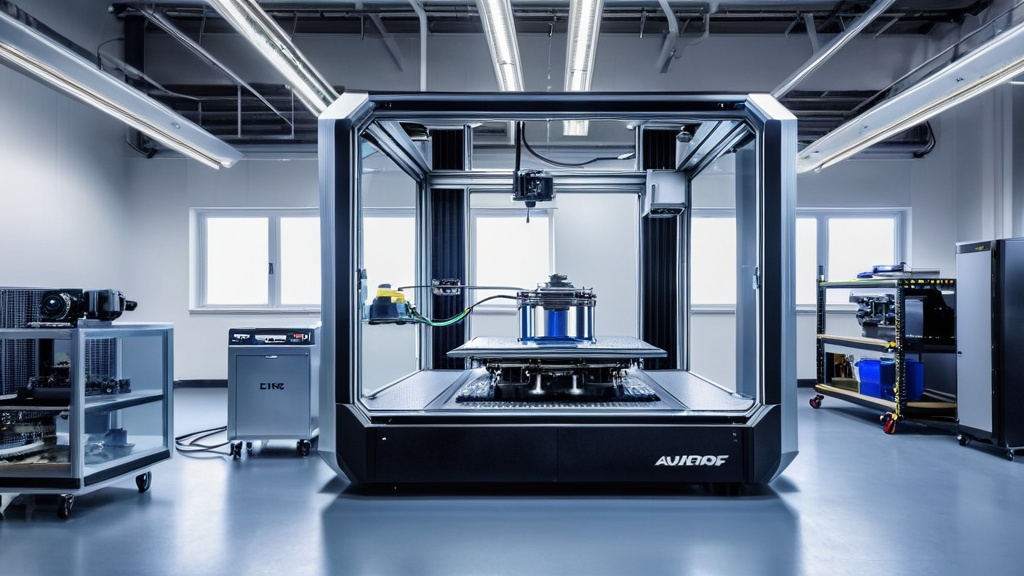
Additive manufacturing, often referred to as 3D printing, has emerged as a transformative force in the engineering sector over the past few decades. Initially regarded as a niche technology primarily used for rapid prototyping, it has evolved into a robust manufacturing method that is reshaping how products are designed, produced, and delivered. The rise of this technology can be attributed to several factors, including advancements in materials science, increased computational power, and a growing demand for more efficient and flexible manufacturing processes. As industries seek to innovate and reduce costs, additive manufacturing has become a viable solution that offers unprecedented design freedom and production capabilities.
The proliferation of additive manufacturing technologies has also been fueled by the increasing accessibility of 3D printing equipment and software. Once limited to specialized industries, such as aerospace and medical devices, additive manufacturing is now being adopted across various sectors, including automotive, consumer goods, and even construction. This democratization of technology has allowed engineers and designers to experiment with new ideas and concepts without the constraints of traditional manufacturing methods. As a result, additive manufacturing is not just a trend; it represents a fundamental shift in how engineering is approached in the modern era.
Additive manufacturing engineering is rapidly evolving, and its integration with artificial intelligence is opening new avenues for innovation and efficiency in production processes. For a deeper understanding of how AI is transforming various industries, including manufacturing, you can explore the article on AI business coaching and its possibilities at this link. This article discusses the potential of AI in enhancing business strategies, which is highly relevant to the advancements in additive manufacturing.
Key Takeaways
- Additive manufacturing is revolutionizing engineering by enabling the production of complex and customized parts with reduced lead times and costs.
- The advantages of additive manufacturing in engineering include design freedom, reduced material waste, and the ability to create lightweight and durable components.
- Additive manufacturing is changing the design process by allowing engineers to create more intricate and optimized designs that were previously impossible with traditional manufacturing methods.
- The impact of additive manufacturing on prototyping and testing is significant, as it allows for rapid iteration and validation of designs, leading to faster product development cycles.
- Additive manufacturing plays a crucial role in reducing material waste by only using the necessary amount of material for production, contributing to sustainable engineering practices.
The Advantages of Additive Manufacturing in Engineering
One of the most significant advantages of additive manufacturing is its ability to produce complex geometries that would be impossible or prohibitively expensive to create using traditional subtractive methods. This capability allows engineers to design parts that are lighter, stronger, and more efficient. For instance, lattice structures can be created that optimize material usage while maintaining structural integrity. This not only enhances performance but also opens up new possibilities for innovation in product design.
Additionally, additive manufacturing significantly reduces lead times associated with production. Traditional manufacturing processes often involve lengthy setups and tooling changes, which can delay time-to-market for new products. In contrast, additive manufacturing allows for rapid iteration and prototyping, enabling engineers to test and refine their designs quickly. This agility is particularly beneficial in industries where speed is critical, such as consumer electronics or automotive sectors, where being first to market can provide a competitive edge.
How Additive Manufacturing is Changing the Design Process
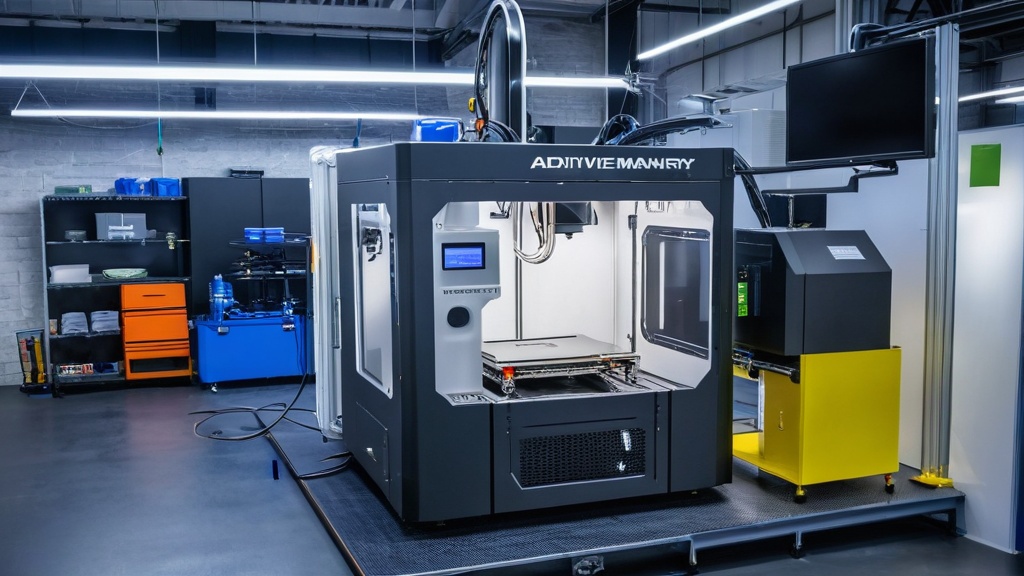
The integration of additive manufacturing into the design process has fundamentally altered how engineers approach product development. Traditional design methodologies often require engineers to conform to the limitations of manufacturing processes, leading to compromises in design quality and functionality. However, with additive manufacturing, designers are empowered to think outside the box and create innovative solutions that fully leverage the capabilities of 3D printing technologies.
Moreover, the iterative nature of additive manufacturing encourages a more collaborative approach among cross-functional teams. Engineers, designers, and stakeholders can work together more effectively by utilizing digital tools that facilitate real-time feedback and adjustments. This collaborative environment fosters creativity and innovation, allowing teams to explore multiple design iterations rapidly. As a result, the design process becomes more dynamic and responsive to changing market demands.
The Impact of Additive Manufacturing on Prototyping and Testing
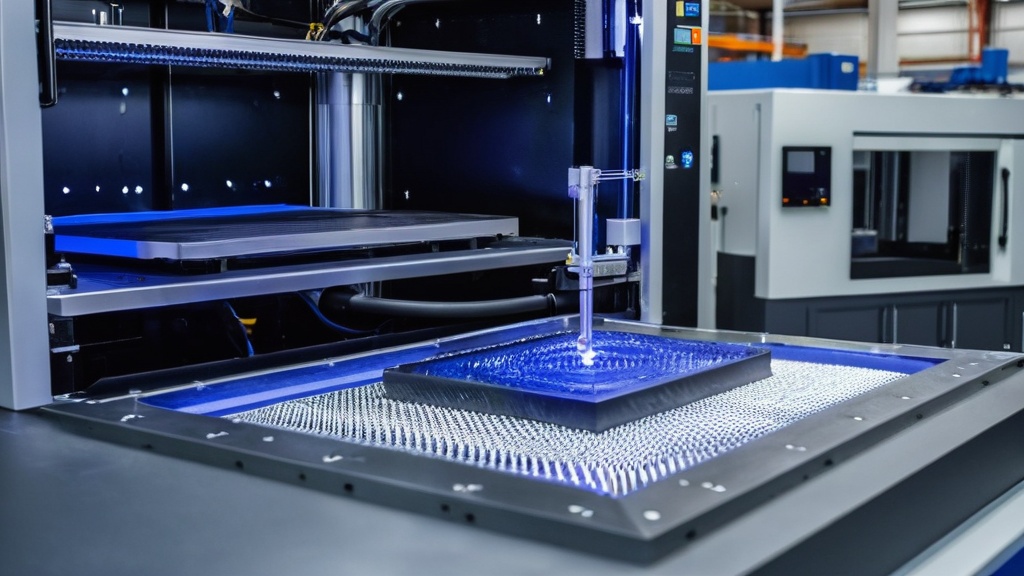
Prototyping has traditionally been a time-consuming and costly phase in product development. However, additive manufacturing has revolutionized this aspect by enabling rapid prototyping that significantly reduces both time and costs. Engineers can quickly produce functional prototypes that closely resemble the final product, allowing for more accurate testing and validation of designs before moving into full-scale production.
Furthermore, the ability to create prototypes on-demand means that engineers can conduct multiple rounds of testing without incurring substantial expenses associated with traditional prototyping methods. This flexibility allows for more thorough testing of various design iterations, leading to better-informed decisions regarding product features and performance. Consequently, companies can mitigate risks associated with product failures and enhance overall quality assurance.
Additive manufacturing engineering is rapidly evolving, and one of the exciting developments in this field is the integration of artificial intelligence to enhance design processes and production efficiency. A recent article discusses how companies like Amazon are leveraging AI technologies, such as their new Lens Live Visual Search feature, to streamline operations and improve user experiences. You can read more about this innovative approach in the article found here. This intersection of AI and additive manufacturing is paving the way for smarter and more adaptive manufacturing solutions.
Additive Manufacturing’s Role in Reducing Material Waste
| Metrics | Data |
|---|---|
| Material Efficiency | 95% |
| Production Speed | Up to 10 times faster |
| Cost Savings | Up to 60% |
| Design Complexity | No limitations |
One of the most pressing challenges in traditional manufacturing is material waste. Subtractive processes often result in significant scrap material as excess material is removed from larger blocks to create parts. In contrast, additive manufacturing builds objects layer by layer, using only the material necessary for the final product. This not only minimizes waste but also contributes to cost savings in material procurement.
Moreover, the ability to optimize designs for additive manufacturing further enhances material efficiency. Engineers can utilize advanced software tools that analyze designs for manufacturability and suggest modifications that reduce material usage without compromising performance. This focus on sustainability aligns with the growing emphasis on environmentally responsible practices within engineering and manufacturing sectors.
The Future of Additive Manufacturing in Engineering
As technology continues to advance, the future of additive manufacturing in engineering looks promising. Innovations in materials science are expanding the range of materials available for 3D printing, including metals, ceramics, and bio-based materials.
These developments will enable engineers to create even more sophisticated products with enhanced properties tailored to specific applications.
Additionally, as additive manufacturing becomes more integrated with other technologies such as artificial intelligence (AI) and machine learning (ML), we can expect further improvements in efficiency and productivity. AI-driven design tools can analyze vast amounts of data to optimize designs for performance and manufacturability automatically. This synergy between additive manufacturing and digital technologies will likely lead to new paradigms in engineering practices.
Additive Manufacturing’s Influence on Customization and Personalization
In an era where consumers increasingly demand personalized products tailored to their specific needs, additive manufacturing offers a unique solution.
The technology allows for mass customization without the significant cost increases typically associated with traditional manufacturing methods.
Engineers can design products that cater to individual preferences while maintaining efficiency in production.
For example, in the medical field, additive manufacturing enables the creation of custom implants or prosthetics designed specifically for individual patients based on their anatomical data. This level of personalization not only enhances patient outcomes but also fosters a deeper connection between consumers and products. As industries continue to embrace customization, additive manufacturing will play a pivotal role in meeting these evolving consumer expectations.
Additive Manufacturing’s Contribution to Sustainable Engineering Practices
Sustainability has become a central focus for many engineering firms as they seek to reduce their environmental impact. Additive manufacturing aligns well with these goals by promoting resource efficiency and reducing waste throughout the production process. By utilizing only the necessary materials and minimizing energy consumption during production, companies can significantly lower their carbon footprint.
Furthermore, additive manufacturing facilitates the use of sustainable materials such as biodegradable plastics or recycled composites. As awareness of environmental issues grows, engineers are increasingly exploring ways to incorporate these materials into their designs. This commitment to sustainability not only benefits the planet but also enhances brand reputation among environmentally conscious consumers.
The Challenges and Limitations of Additive Manufacturing in Engineering
Despite its numerous advantages, additive manufacturing is not without challenges and limitations. One significant hurdle is the current speed of production compared to traditional methods for high-volume manufacturing. While 3D printing excels at producing complex geometries quickly for prototyping or low-volume runs, scaling up production for mass-market items remains a challenge.
Additionally, there are concerns regarding material properties and consistency when using additive manufacturing techniques. While advancements have been made in developing high-performance materials suitable for 3D printing, ensuring uniformity across batches can be difficult. Engineers must carefully consider these factors when designing parts intended for critical applications where reliability is paramount.
Additive Manufacturing’s Effect on Supply Chain and Manufacturing Processes
The advent of additive manufacturing has profound implications for supply chain management and overall manufacturing processes. By enabling localized production capabilities, companies can reduce their reliance on extensive supply chains that often involve long lead times and transportation costs. This shift towards decentralized production allows businesses to respond more swiftly to market demands while minimizing logistical complexities.
Moreover, additive manufacturing facilitates just-in-time production strategies by allowing companies to produce parts on-demand rather than maintaining large inventories. This approach not only reduces storage costs but also mitigates risks associated with overproduction or obsolescence of inventory items. As organizations adapt their supply chain strategies to incorporate additive manufacturing, we can expect a more agile and responsive manufacturing landscape.
Additive manufacturing is a cornerstone technology within the broader context of Industry 4.0—a movement characterized by the integration of digital technologies into industrial processes. As companies embrace digital transformation initiatives, additive manufacturing plays a crucial role in enabling smart factories equipped with interconnected systems that optimize production efficiency.
The convergence of additive manufacturing with technologies such as IoT (Internet of Things), big data analytics, and AI creates opportunities for real-time monitoring and optimization of production processes. Engineers can leverage data insights to make informed decisions regarding design modifications or process improvements based on performance metrics collected during production runs. This holistic approach not only enhances operational efficiency but also fosters innovation within engineering practices as organizations adapt to an increasingly digital landscape.
In conclusion, additive manufacturing represents a paradigm shift in engineering that offers numerous advantages while also presenting challenges that must be addressed. As this technology continues to evolve and integrate with other digital innovations, its impact on design processes, sustainability practices, customization capabilities, and supply chain dynamics will only grow stronger. Embracing additive manufacturing is not merely an option; it is becoming essential for organizations seeking to thrive in an increasingly competitive landscape marked by rapid technological advancements and changing consumer expectations.
FAQs
What is additive manufacturing engineering?
Additive manufacturing engineering, also known as 3D printing, is a process of creating three-dimensional objects by adding material layer by layer. This process allows for the production of complex and customized parts with high precision.
What are the benefits of additive manufacturing engineering?
Additive manufacturing engineering offers several benefits, including the ability to create complex geometries, reduce material waste, and produce customized parts. It also allows for rapid prototyping and on-demand production, leading to shorter lead times and lower inventory costs.
What industries use additive manufacturing engineering?
Additive manufacturing engineering is used in a wide range of industries, including aerospace, automotive, healthcare, and consumer goods. It is also increasingly being adopted in the production of tooling, jigs, and fixtures.
What are the different types of additive manufacturing processes?
There are several types of additive manufacturing processes, including selective laser sintering (SLS), fused deposition modeling (FDM), stereolithography (SLA), and direct metal laser sintering (DMLS). Each process has its own advantages and is suitable for different applications.
What are the challenges of additive manufacturing engineering?
Challenges in additive manufacturing engineering include the need for improved material properties, quality control, and post-processing techniques. There are also challenges related to scalability, standardization, and the integration of additive manufacturing into existing production processes.

















Leave a Reply