








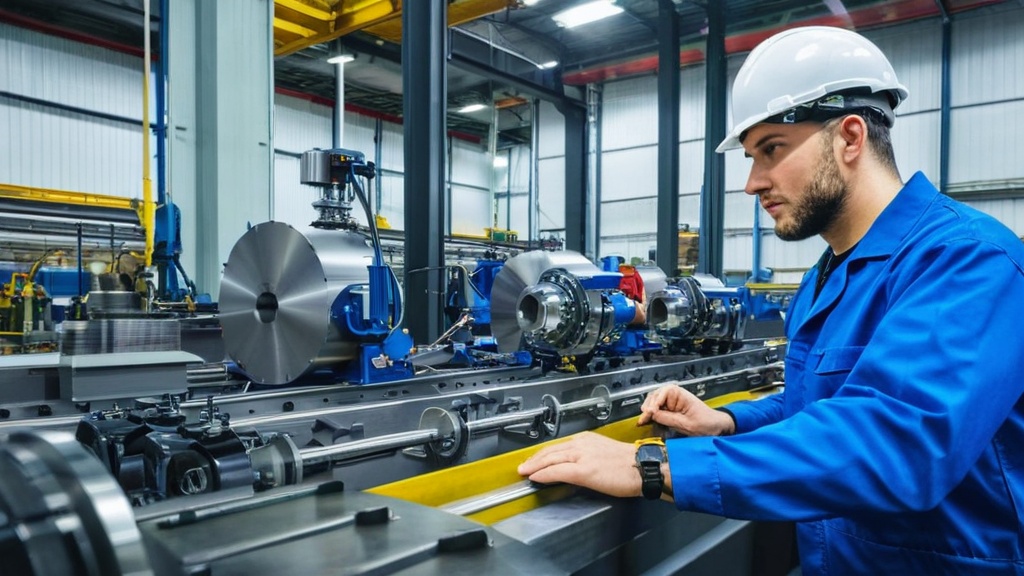
Manufacturing process engineering is a critical discipline that focuses on the design, optimization, and management of manufacturing processes. It plays a pivotal role in ensuring that production systems operate efficiently, effectively, and safely. As industries evolve and technology advances, the need for skilled manufacturing process engineers has become increasingly important. These professionals are tasked with not only understanding the intricacies of production systems but also with innovating and improving them to meet the demands of a competitive marketplace.
In today’s fast-paced manufacturing environment, the integration of advanced technologies and methodologies is essential. Manufacturing process engineers must navigate complex challenges, including fluctuating market demands, supply chain disruptions, and the need for sustainable practices. By leveraging their expertise, these engineers contribute significantly to enhancing productivity, reducing costs, and ensuring product quality. Their work ultimately supports the overarching goals of organizations, driving profitability and fostering growth in an ever-changing landscape.
Manufacturing process engineers play a crucial role in optimizing production efficiency and ensuring quality in manufacturing environments. A related article that delves into the impact of advanced technologies on corporate training and digital transformation is available at this link: Nvidia’s $1.5B AI Chip Deal: What It Means for Corporate Training, Leadership, and Digital Transformation. This article discusses how innovations in AI and technology are reshaping the landscape of corporate training, which is essential for manufacturing professionals looking to stay ahead in an evolving industry.
Key Takeaways
- Manufacturing process engineering involves designing, optimizing, and improving manufacturing processes to ensure efficient and high-quality production.
- The responsibilities of a manufacturing process engineer include analyzing and improving manufacturing processes, implementing lean manufacturing principles, utilizing Six Sigma methodologies, collaborating with cross-functional teams, and ensuring quality control and compliance.
- Analyzing and improving manufacturing processes involves identifying inefficiencies, bottlenecks, and areas for improvement, and implementing solutions to optimize production.
- Implementing lean manufacturing principles involves eliminating waste, improving efficiency, and maximizing value in the production process.
- Utilizing Six Sigma methodologies involves using data-driven approaches to reduce defects and variations in the manufacturing process, leading to improved quality and consistency.
The Responsibilities of a Manufacturing Process Engineer
The responsibilities of a manufacturing process engineer are diverse and multifaceted. At the core of their role is the analysis and design of manufacturing processes that maximize efficiency while minimizing waste. This involves conducting thorough assessments of existing processes, identifying bottlenecks, and proposing solutions that enhance productivity. Additionally, manufacturing process engineers are responsible for developing process documentation, including standard operating procedures (SOPs) and work instructions, which serve as essential guides for production teams.
Moreover, these engineers play a crucial role in project management. They often lead cross-functional teams in the implementation of new processes or technologies, ensuring that projects are completed on time and within budget. This requires strong communication skills and the ability to collaborate effectively with various stakeholders, including production staff, quality assurance teams, and upper management. By fostering a culture of teamwork and accountability, manufacturing process engineers help create an environment conducive to continuous improvement.
Analyzing and Improving Manufacturing Processes
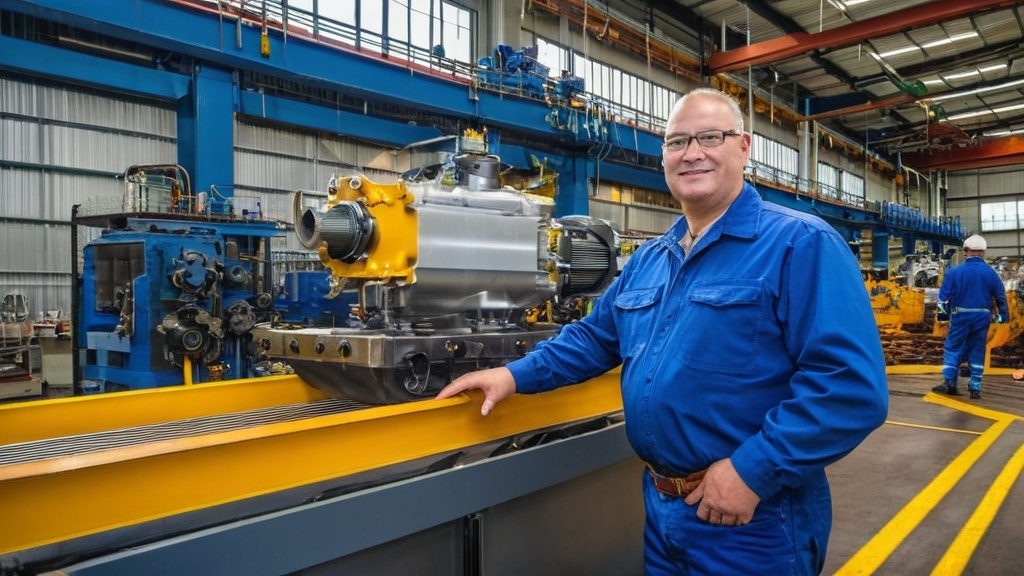
Analyzing and improving manufacturing processes is a fundamental aspect of a manufacturing process engineer’s role. This involves employing various analytical tools and techniques to assess current operations critically. Engineers often utilize process mapping to visualize workflows, identify inefficiencies, and pinpoint areas for improvement. By breaking down each step in the manufacturing process, they can uncover hidden issues that may be contributing to delays or increased costs.
Once areas for improvement have been identified, manufacturing process engineers develop targeted strategies to enhance performance. This may include redesigning workflows, implementing new technologies, or retraining staff to adopt best practices. The goal is to create a streamlined process that not only meets production targets but also aligns with quality standards. Continuous monitoring and evaluation are essential components of this process, as they allow engineers to track progress and make necessary adjustments in real-time.
Implementing Lean Manufacturing Principles
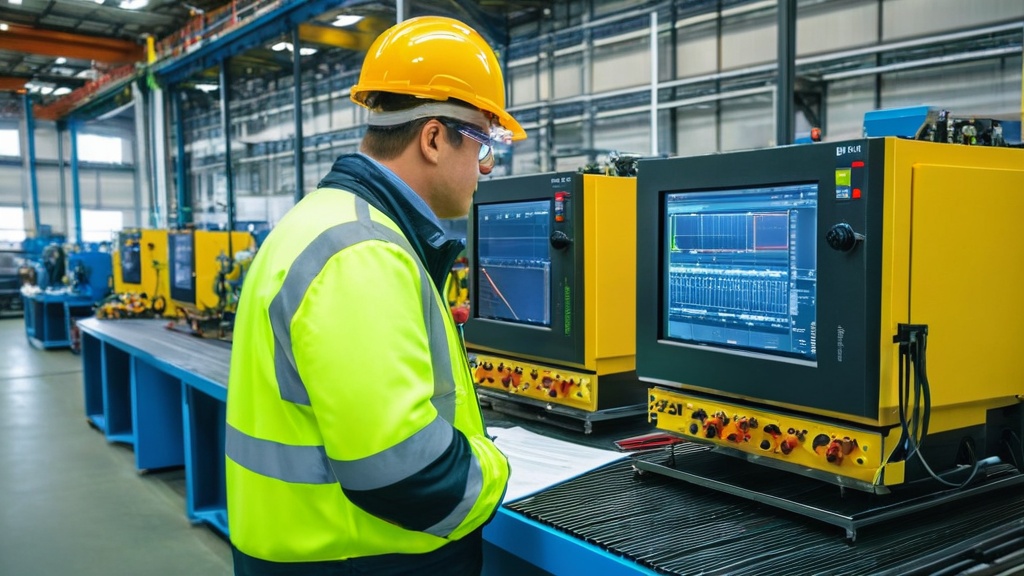
Lean manufacturing principles are integral to the work of manufacturing process engineers. These principles focus on eliminating waste and maximizing value for customers by streamlining processes. By adopting a lean mindset, engineers can identify non-value-added activities within the production cycle and implement strategies to reduce or eliminate them. This not only enhances efficiency but also contributes to cost savings and improved product quality.
One of the key tools used in lean manufacturing is the 5S methodology, which emphasizes organization and standardization in the workplace. By sorting, setting in order, shining, standardizing, and sustaining practices within the production environment, engineers can create a more efficient workspace that fosters productivity. Additionally, lean principles encourage a culture of continuous improvement, where employees are empowered to suggest changes and innovations that can further enhance operational efficiency.
For those interested in advancing their career as a manufacturing process engineer, exploring additional training opportunities can be invaluable. A relevant resource is an article that discusses how global business services training can enhance your skills and open up new avenues in your professional journey. You can read more about it in this insightful piece on unlocking your potential through training, which can be found here. This information could provide you with the tools necessary to excel in the ever-evolving landscape of manufacturing.
Utilizing Six Sigma Methodologies
| Metrics | Data |
|---|---|
| Production Efficiency | 95% |
| Defect Rate | 0.5% |
| Machine Downtime | 2 hours per week |
| Process Improvement Projects | 5 ongoing |
Six Sigma methodologies are another vital aspect of manufacturing process engineering. This data-driven approach focuses on reducing variability in processes to improve quality and performance. By employing statistical analysis and problem-solving techniques, manufacturing process engineers can identify root causes of defects or inefficiencies within production systems. The ultimate goal is to achieve near-perfect quality levels by minimizing defects to fewer than 3.4 per million opportunities.
Manufacturing process engineers often utilize tools such as DMAIC (Define, Measure, Analyze, Improve, Control) to guide their improvement efforts. This structured approach allows them to systematically address issues within processes while ensuring that improvements are sustainable over time. By integrating Six Sigma methodologies into their work, engineers can drive significant enhancements in product quality and operational efficiency.
Collaborating with Cross-Functional Teams
Collaboration is a cornerstone of successful manufacturing process engineering.
Engineers must work closely with cross-functional teams that include members from various departments such as production, quality assurance, supply chain management, and research and development.
This collaborative approach ensures that all perspectives are considered when analyzing processes and implementing improvements.
Effective communication is essential in fostering collaboration among team members. Manufacturing process engineers must be able to articulate their ideas clearly and listen actively to feedback from others. By creating an open dialogue, they can build trust and encourage a culture of teamwork that drives innovation. This collaborative spirit not only enhances problem-solving capabilities but also leads to more comprehensive solutions that benefit the entire organization.
Incorporating Automation and Robotics
The incorporation of automation and robotics into manufacturing processes has revolutionized the industry in recent years. Manufacturing process engineers play a crucial role in identifying opportunities for automation that can enhance efficiency and reduce labor costs. By analyzing repetitive tasks or processes that are prone to human error, engineers can determine where automation can be most beneficial.
Implementing automation requires careful planning and consideration of various factors, including equipment selection, integration with existing systems, and employee training. Manufacturing process engineers must ensure that automated solutions align with overall production goals while maintaining flexibility to adapt to changing demands. By embracing automation and robotics, organizations can achieve higher levels of productivity while freeing up human resources for more complex tasks that require critical thinking and creativity.
Ensuring Quality Control and Compliance
Quality control is paramount in manufacturing processes, as it directly impacts customer satisfaction and brand reputation. Manufacturing process engineers are responsible for establishing quality control measures that ensure products meet specified standards throughout the production cycle. This involves developing inspection protocols, conducting regular audits, and implementing corrective actions when necessary.
In addition to quality control measures, compliance with industry regulations is another critical responsibility for manufacturing process engineers. They must stay informed about relevant regulations and standards that govern their industry to ensure that all processes adhere to legal requirements. By prioritizing quality control and compliance, engineers help mitigate risks associated with product recalls or legal penalties while fostering a culture of excellence within the organization.
Optimizing Production Schedules and Workflows
Optimizing production schedules and workflows is essential for maximizing efficiency in manufacturing operations. Manufacturing process engineers analyze production data to identify patterns and trends that inform scheduling decisions. By understanding peak production times and resource availability, they can develop schedules that minimize downtime and maximize output.
In addition to scheduling optimization, engineers also focus on workflow design to ensure that tasks are sequenced logically and efficiently. This may involve rearranging workstations or reallocating resources to streamline operations further. By continuously monitoring production performance metrics, manufacturing process engineers can make data-driven adjustments to schedules and workflows that enhance overall productivity.
Evaluating and Selecting Equipment and Machinery
The evaluation and selection of equipment and machinery are critical components of manufacturing process engineering. Engineers must assess the specific needs of their production processes to determine which equipment will best meet those requirements. This involves considering factors such as capacity, efficiency, reliability, and cost-effectiveness.
Once potential equipment options have been identified, manufacturing process engineers conduct thorough evaluations that include cost-benefit analyses and risk assessments. They may also collaborate with suppliers to understand the latest technological advancements that could enhance production capabilities. By making informed decisions regarding equipment selection, engineers contribute significantly to optimizing manufacturing processes while ensuring long-term sustainability.
Continuous Improvement and Innovation in Manufacturing Processes
Continuous improvement is at the heart of manufacturing process engineering. Engineers must foster a culture of innovation within their organizations by encouraging employees to seek out new ideas and solutions for enhancing processes. This may involve implementing formal programs such as Kaizen events or suggestion systems that empower employees at all levels to contribute to improvement efforts.
Innovation in manufacturing processes often requires staying abreast of emerging technologies and industry trends. Manufacturing process engineers must be proactive in researching advancements such as artificial intelligence, machine learning, or advanced materials that could revolutionize production methods.
By embracing continuous improvement and innovation, organizations can remain competitive in an ever-evolving marketplace while driving operational excellence.
In conclusion, manufacturing process engineering is a dynamic field that encompasses a wide range of responsibilities aimed at optimizing production systems. From analyzing processes to implementing lean principles and fostering collaboration among teams, manufacturing process engineers play a vital role in driving efficiency and quality within organizations. As industries continue to evolve, the importance of skilled professionals in this field will only grow, making their contributions essential for success in the modern manufacturing landscape.
FAQs
What is a manufacturing process engineer?
A manufacturing process engineer is a professional responsible for designing, implementing, and optimizing manufacturing processes and systems to improve efficiency, quality, and productivity in the production of goods.
What are the key responsibilities of a manufacturing process engineer?
Key responsibilities of a manufacturing process engineer include analyzing existing manufacturing processes, identifying areas for improvement, designing new processes or modifications, implementing new technologies, and ensuring compliance with safety and quality standards.
What skills are required to become a successful manufacturing process engineer?
Successful manufacturing process engineers typically possess strong analytical and problem-solving skills, knowledge of manufacturing processes and technologies, proficiency in computer-aided design (CAD) software, and the ability to work collaboratively with cross-functional teams.
What education and training are required to become a manufacturing process engineer?
Most manufacturing process engineers hold a bachelor’s degree in engineering, preferably in mechanical, industrial, or manufacturing engineering. Some employers may also require a master’s degree or relevant professional certifications. Additionally, gaining practical experience through internships or co-op programs can be beneficial.
What are the career prospects for manufacturing process engineers?
Manufacturing process engineers can pursue career opportunities in various industries such as automotive, aerospace, electronics, pharmaceuticals, and consumer goods. With experience, they can advance to roles such as senior process engineer, manufacturing manager, or operations director. The demand for manufacturing process engineers is expected to remain steady, with opportunities for growth in industries embracing advanced manufacturing technologies.


















Leave a Reply