








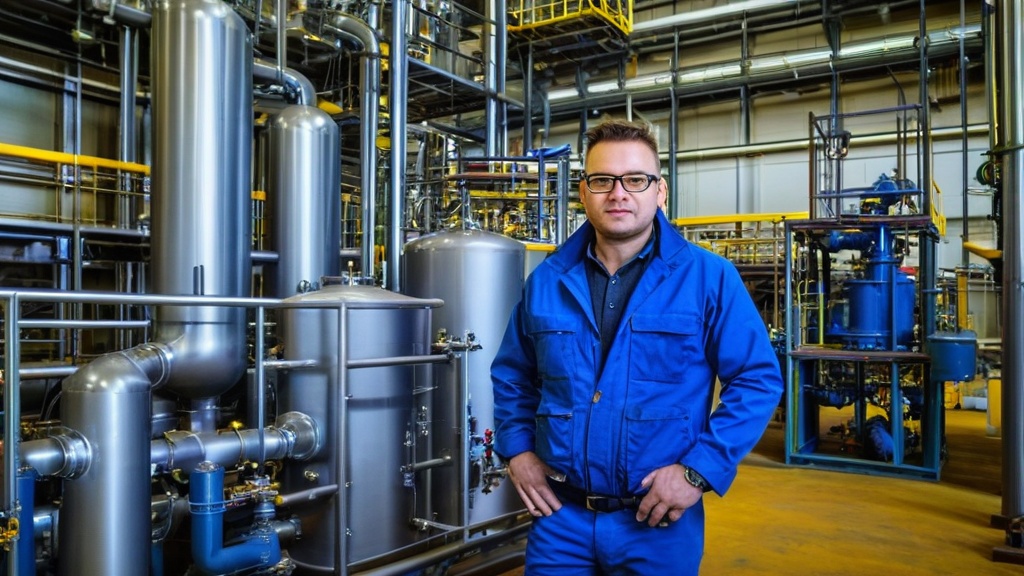
Chemical process engineering is a vital discipline that focuses on the design, optimization, and operation of processes that convert raw materials into valuable products. This field encompasses a wide range of industries, including pharmaceuticals, petrochemicals, food and beverage, and materials manufacturing. The primary goal of chemical process engineering is to develop efficient, safe, and sustainable processes that maximize yield while minimizing waste and environmental impact. As global demand for energy and materials continues to rise, the role of chemical process engineers becomes increasingly critical in addressing these challenges.
In recent years, the importance of chemical process engineering has been underscored by the growing emphasis on sustainability and environmental responsibility. Engineers in this field are tasked with not only improving production efficiency but also ensuring that processes adhere to stringent environmental regulations. This dual focus on efficiency and sustainability requires a deep understanding of both chemical principles and engineering practices, making chemical process engineering a complex yet rewarding career path. As industries evolve and new technologies emerge, the role of chemical process engineers will continue to adapt, driving innovation and progress in the field.
Chemical process engineers play a crucial role in the development and optimization of chemical processes, and their career growth can significantly benefit from leveraging modern technologies. For insights on enhancing career impact through innovative approaches, you can refer to a related article that discusses the implementation of AI coaching in professional development. This article outlines strategies for building an AI coach that can help professionals, including chemical process engineers, achieve a 10x impact in their careers. You can read more about it here: How to Build an AI Coach for 10x Career Impact.
Key Takeaways
- Chemical process engineering involves the design, optimization, and operation of chemical processes to produce desired products efficiently and safely.
- Chemical process engineers play a crucial role in ensuring the smooth operation of chemical processes, from identifying areas for improvement to implementing advanced control systems.
- Lean principles can be applied to chemical process engineering to eliminate waste, improve efficiency, and reduce costs.
- Process simulation and modeling are valuable tools for optimizing chemical processes and identifying potential areas for improvement.
- Collaboration with cross-functional teams, leveraging data analytics, and continuous professional development are essential for chemical process engineers to drive continuous improvement and innovation in the field.
Understanding the Role of a Chemical Process Engineer
Chemical process engineers play a multifaceted role within organizations, acting as the bridge between scientific research and practical application. They are responsible for designing processes that transform raw materials into finished products while ensuring that these processes are economically viable and environmentally friendly. This involves a thorough understanding of chemical reactions, thermodynamics, fluid dynamics, and material properties. Additionally, chemical process engineers must be adept at using various software tools for simulation and modeling to predict how processes will behave under different conditions.
Moreover, chemical process engineers are often involved in troubleshooting and optimizing existing processes. They analyze data from production runs to identify inefficiencies or bottlenecks and develop strategies to enhance performance. This may include modifying equipment, adjusting operating conditions, or implementing new technologies. Their expertise is crucial in ensuring that production facilities operate smoothly and meet quality standards while adhering to safety regulations. In essence, chemical process engineers are problem solvers who leverage their technical knowledge to drive continuous improvement within their organizations.
Identifying Areas for Improvement in Chemical Processes
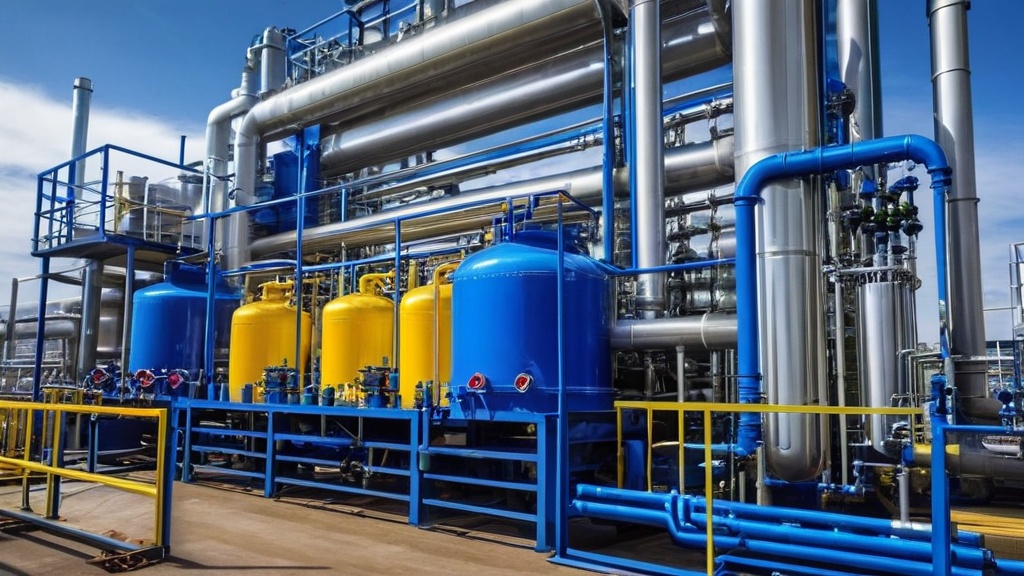
Identifying areas for improvement in chemical processes is a critical step in enhancing overall efficiency and productivity. This process begins with a comprehensive analysis of existing operations, which may involve collecting data on production rates, energy consumption, waste generation, and product quality. By examining these metrics, chemical process engineers can pinpoint specific areas where improvements can be made. For instance, they may discover that certain reactions are not proceeding as efficiently as expected or that equipment is underperforming due to wear and tear.
Once potential areas for improvement have been identified, engineers can prioritize them based on factors such as cost-effectiveness, potential impact on production, and alignment with organizational goals. This prioritization helps ensure that resources are allocated effectively to address the most pressing issues first. Additionally, engaging with operators and other stakeholders during this phase can provide valuable insights into practical challenges faced on the ground, further informing the improvement strategy. Ultimately, a systematic approach to identifying areas for improvement lays the foundation for successful optimization efforts.
Implementing Lean Principles in Chemical Process Engineering
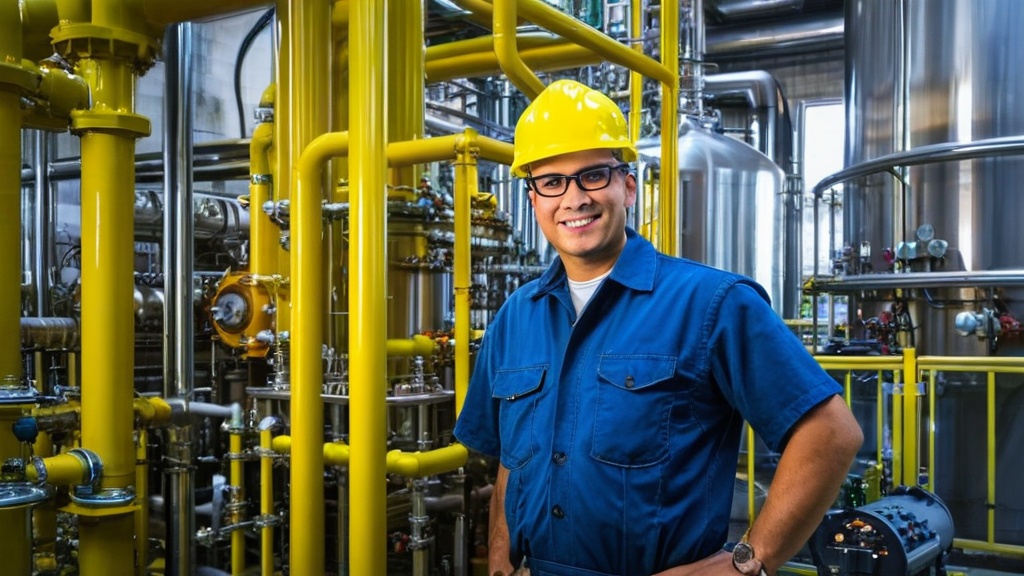
Lean principles have gained significant traction in various industries as a means of enhancing efficiency and reducing waste. In the context of chemical process engineering, implementing lean methodologies can lead to substantial improvements in productivity and cost savings. Lean focuses on maximizing value for customers while minimizing waste—whether that waste is in the form of excess materials, time delays, or inefficient processes. By adopting lean principles, chemical process engineers can streamline operations and create more value with fewer resources.
One effective way to implement lean principles is through value stream mapping, which involves visualizing the flow of materials and information throughout the production process. This tool helps identify non-value-added activities that can be eliminated or improved upon. For example, if a particular step in the process is found to be redundant or overly time-consuming, engineers can work to redesign that step or eliminate it altogether. Additionally, fostering a culture of continuous improvement among team members encourages everyone to contribute ideas for enhancing efficiency. By embedding lean principles into the fabric of chemical process engineering practices, organizations can achieve significant gains in performance and sustainability.
Chemical process engineers play a crucial role in designing and optimizing processes that convert raw materials into valuable products. Their work often involves the integration of advanced technologies to enhance efficiency and sustainability in production. For those interested in how automation and artificial intelligence can further improve engineering processes, a related article discusses innovative approaches in the industry. You can read more about it in this insightful piece on ai/business/ai-coach-assist-an-automated-approach-for-call/’>AI-driven automation and its implications for various engineering fields.
Utilizing Process Simulation and Modeling for Efficiency
“`html
| Skills | Experience Level |
|---|---|
| Chemical Engineering | Advanced |
| Process Design | Intermediate |
| Chemical Process Optimization | Advanced |
| Process Safety Management | Intermediate |
| Chemical Plant Operations | Advanced |
“`
Process simulation and modeling are essential tools in the arsenal of chemical process engineers. These techniques allow engineers to create virtual representations of chemical processes, enabling them to analyze performance under various conditions without the need for costly physical experiments. By simulating different scenarios, engineers can identify optimal operating conditions, predict potential issues, and evaluate the impact of changes before implementing them in real-world settings.
The use of simulation software can significantly enhance decision-making processes by providing data-driven insights into how changes will affect overall performance. For instance, engineers can model the effects of temperature variations on reaction rates or assess how modifications to equipment design might influence throughput. This predictive capability not only saves time and resources but also reduces risks associated with trial-and-error approaches. As industries continue to embrace digital transformation, the integration of advanced simulation tools into chemical process engineering practices will become increasingly important for driving efficiency and innovation.
Chemical process engineers play a crucial role in optimizing production methods and ensuring safety in various industries. Their expertise is increasingly complemented by advancements in technology, particularly artificial intelligence. For a deeper understanding of how AI is reshaping various fields, including engineering, you can explore this insightful article on embracing AI. This resource highlights the transformative potential of AI, which can enhance decision-making processes and improve efficiency in chemical engineering practices.
Incorporating Advanced Control Systems for Process Optimization
Advanced control systems play a pivotal role in optimizing chemical processes by ensuring that operations remain within desired parameters while responding dynamically to fluctuations in input variables. These systems utilize sophisticated algorithms and real-time data to adjust process conditions automatically, enhancing stability and performance. By incorporating advanced control strategies such as model predictive control (MPC) or adaptive control systems, chemical process engineers can achieve greater precision in managing complex processes.
The benefits of advanced control systems extend beyond mere efficiency gains; they also contribute to improved product quality and reduced energy consumption. For example, by maintaining optimal reaction conditions through real-time adjustments, engineers can minimize variations in product quality that may arise from fluctuations in feedstock or environmental conditions. Furthermore, these systems can help identify potential issues before they escalate into significant problems, allowing for proactive maintenance and reducing downtime. As technology continues to advance, the integration of advanced control systems will be essential for maintaining competitiveness in the ever-evolving landscape of chemical process engineering.
Streamlining Equipment and Facility Design for Efficiency
The design of equipment and facilities plays a crucial role in determining the efficiency of chemical processes. Streamlining these designs involves careful consideration of factors such as layout, equipment selection, and material flow to minimize bottlenecks and enhance productivity. Chemical process engineers must collaborate closely with architects and equipment manufacturers to ensure that designs align with operational goals while adhering to safety regulations.
One effective approach to streamlining facility design is through modularization, which involves breaking down complex processes into smaller, more manageable units. This not only simplifies construction but also allows for greater flexibility in scaling operations up or down based on demand. Additionally, optimizing equipment placement within facilities can significantly reduce transportation times between different stages of production. By focusing on efficient design principles from the outset, organizations can create facilities that support seamless operations and drive long-term success.
Enhancing Safety and Environmental Sustainability in Chemical Processes
Safety and environmental sustainability are paramount concerns in chemical process engineering. Engineers must prioritize these aspects throughout the design and operation of processes to protect workers, communities, and ecosystems from potential hazards associated with chemical manufacturing. This involves conducting thorough risk assessments to identify potential safety issues and implementing measures to mitigate them.
Incorporating sustainable practices into chemical processes not only helps organizations comply with regulatory requirements but also enhances their reputation among consumers increasingly concerned about environmental impact. Strategies such as waste minimization, energy efficiency improvements, and the use of renewable resources can significantly reduce an organization’s carbon footprint while also leading to cost savings. By fostering a culture of safety and sustainability within their teams, chemical process engineers can drive meaningful change that benefits both their organizations and society as a whole.
Collaborating with Cross-functional Teams for Process Improvement
Collaboration is essential for driving effective process improvement initiatives within chemical engineering organizations. Chemical process engineers must work closely with cross-functional teams that include operators, quality assurance personnel, supply chain managers, and other stakeholders to gain a comprehensive understanding of challenges faced throughout the production cycle. This collaborative approach fosters open communication and encourages diverse perspectives that can lead to innovative solutions.
Engaging with cross-functional teams also helps ensure that improvements are practical and aligned with operational realities. For instance, operators who work directly with equipment may have valuable insights into inefficiencies that engineers might overlook from a purely technical standpoint. By involving these team members early in the improvement process, organizations can develop solutions that are not only technically sound but also feasible for implementation on the shop floor. Ultimately, collaboration enhances buy-in from all stakeholders involved in the process improvement journey.
Leveraging Data Analytics and Machine Learning for Process Optimization
The advent of data analytics and machine learning has transformed how chemical process engineers approach optimization challenges. By harnessing vast amounts of data generated during production runs, engineers can uncover patterns and trends that inform decision-making processes. Machine learning algorithms can analyze historical data to predict future performance outcomes based on various input parameters—enabling more informed adjustments to operating conditions.
For example, predictive maintenance models powered by machine learning can help identify when equipment is likely to fail based on historical performance data—allowing organizations to schedule maintenance proactively rather than reactively addressing breakdowns after they occur. Additionally, data analytics can reveal correlations between different variables that may not be immediately apparent through traditional analysis methods. By leveraging these advanced techniques effectively, chemical process engineers can drive significant improvements in efficiency while minimizing risks associated with unforeseen disruptions.
Continuous Improvement and Professional Development for Chemical Process Engineers
Continuous improvement is a fundamental principle within chemical process engineering that emphasizes the need for ongoing learning and adaptation in response to evolving industry demands. Engineers must stay abreast of emerging technologies, regulatory changes, and best practices to remain competitive in their field. Engaging in professional development opportunities—such as attending conferences, pursuing certifications, or participating in workshops—can enhance their skills while fostering a culture of innovation within their organizations.
Moreover, embracing a mindset of continuous improvement encourages engineers to seek out new ways to optimize processes actively. This may involve experimenting with novel techniques or technologies that could enhance efficiency or sustainability outcomes. By fostering an environment where learning is valued and encouraged among team members at all levels—organizations can cultivate a workforce equipped to tackle future challenges head-on while driving meaningful progress within the field of chemical process engineering.
In conclusion, chemical process engineering is an ever-evolving discipline that requires a blend of technical expertise, creativity, collaboration skills, and a commitment to continuous improvement. By understanding their roles deeply while leveraging advanced tools such as simulation software or machine learning algorithms—chemical process engineers can drive significant enhancements across various industries while addressing critical challenges related to safety and sustainability along the way.
FAQs
What does a chemical process engineer do?
A chemical process engineer is responsible for designing, developing, and optimizing industrial processes that involve chemical reactions. They work to ensure that these processes are efficient, safe, and environmentally friendly.
What industries do chemical process engineers work in?
Chemical process engineers work in a variety of industries, including pharmaceuticals, petrochemicals, food and beverage, energy, and environmental engineering. They may also work in research and development, manufacturing, and consulting.
What skills are important for a chemical process engineer?
Important skills for a chemical process engineer include a strong understanding of chemical engineering principles, problem-solving abilities, attention to detail, and the ability to work well in a team. They also need to have knowledge of process simulation software and be familiar with safety and environmental regulations.
What education is required to become a chemical process engineer?
Most chemical process engineers have a bachelor’s degree in chemical engineering or a related field. Some positions may require a master’s degree or a professional engineering license. Continuing education and professional development are also important in this field.
What are the career prospects for chemical process engineers?
Chemical process engineers have strong career prospects, as their skills are in demand across a range of industries. With experience, they may advance to supervisory or management roles, or specialize in a particular area such as process optimization or environmental sustainability.

















Leave a Reply