






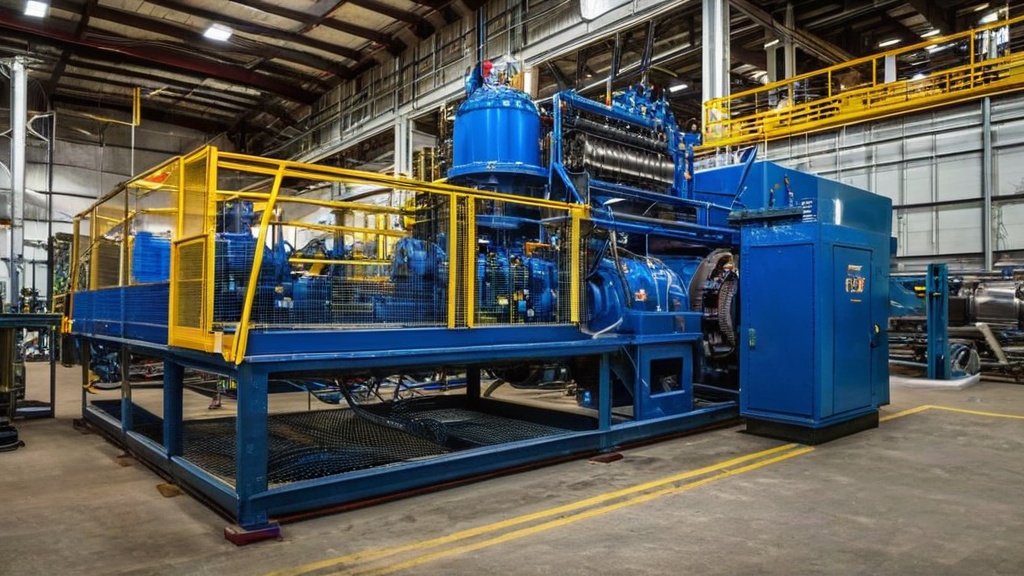
The system engineering process is a structured approach that encompasses the entire lifecycle of a system, from conception to decommissioning. It is a multidisciplinary field that integrates various engineering disciplines and specialties to create a cohesive and functional system. At its core, the system engineering process aims to ensure that all components of a system work together effectively to meet the desired requirements and objectives. This involves a series of iterative steps, including requirements analysis, system design, implementation, testing, and maintenance. By following this structured approach, organizations can minimize risks, reduce costs, and enhance the overall quality of their systems.
A critical aspect of the system engineering process is its emphasis on stakeholder involvement throughout the lifecycle. Engaging stakeholders early and often helps to clarify needs and expectations, ensuring that the final product aligns with user requirements. This collaborative approach fosters communication among various teams, including engineers, project managers, and end-users, which is essential for identifying potential challenges and addressing them proactively. By understanding the system engineering process, organizations can create robust systems that not only meet technical specifications but also deliver value to users and stakeholders alike.
In the realm of system engineering, understanding the intricacies of leadership and team dynamics is crucial for successful project execution. A related article that delves into the importance of leadership development in enhancing team performance is available at this link: ai/business/leadership-development-coaching-strategies-executives/’>Leadership Development Coaching Strategies for Executives.
This resource provides valuable insights into how effective leadership can influence the system engineering process, ultimately leading to more efficient and innovative solutions.
Key Takeaways
- System engineering involves a structured process from requirements gathering to system integration and optimization.
- Identifying stakeholders and their needs is crucial for developing effective system architecture.
- Verification, validation, and modeling tools ensure system reliability and performance.
- Risk management and compliance are essential throughout the system lifecycle.
- Lean, agile, and continuous improvement practices enhance system development efficiency and quality.
Identifying Key Stakeholders and Requirements
Identifying key stakeholders is a fundamental step in the system engineering process. Stakeholders can include anyone who has an interest in the system, such as end-users, project sponsors, regulatory bodies, and maintenance personnel. Each stakeholder group has unique perspectives and requirements that must be considered to ensure the system’s success. Engaging with these stakeholders through interviews, surveys, and workshops can provide valuable insights into their needs and expectations. This information is crucial for developing a comprehensive set of requirements that will guide the design and implementation of the system.
Once stakeholders have been identified, the next step is to gather and analyze their requirements. This involves translating their needs into clear, measurable specifications that can be used throughout the development process. Requirements should be categorized into functional and non-functional categories, with functional requirements detailing what the system should do and non-functional requirements addressing performance, usability, reliability, and other quality attributes. By thoroughly understanding stakeholder requirements, organizations can create systems that not only fulfill technical criteria but also enhance user satisfaction and operational efficiency.
Developing a System Architecture

Developing a robust system architecture is a critical phase in the system engineering process. The architecture serves as a blueprint for the system, outlining its components, their interactions, and how they will work together to achieve the desired functionality. A well-defined architecture provides clarity and direction for the development team while also facilitating communication among stakeholders. It is essential to consider various architectural styles and patterns that best suit the system’s requirements and constraints.
In creating the system architecture, it is important to balance competing factors such as performance, scalability, maintainability, and cost. This often requires trade-offs to be made between different design choices. For instance, a highly modular architecture may enhance maintainability but could introduce complexity in integration. Therefore, architects must carefully evaluate these trade-offs while keeping stakeholder needs at the forefront of their decision-making process. A well-structured architecture not only guides development but also lays the foundation for future enhancements and adaptations as technology evolves.
Implementing Verification and Validation Processes

Verification and validation (V&V) processes are essential components of the system engineering lifecycle that ensure the system meets its requirements and functions as intended. Verification involves checking whether the system is being built correctly according to specifications, while validation assesses whether the right system is being built to meet user needs. Implementing V&V processes early in the development cycle helps identify issues before they escalate into costly problems later on.
To effectively implement V&V processes, organizations should establish clear criteria for success at each stage of development. This includes defining test cases, performance metrics, and acceptance criteria that align with stakeholder requirements. Regular reviews and audits should be conducted to assess progress against these criteria, allowing teams to make necessary adjustments in real-time. By prioritizing V&V throughout the development process, organizations can enhance product quality, reduce risks associated with deployment, and ultimately deliver systems that meet or exceed user expectations.
The system engineering process plays a crucial role in the development of complex systems, ensuring that all components work together seamlessly. For those interested in how collaborative efforts can enhance innovation in technology, a related article discusses the emergence of AI talent communities and their impact on the industry. You can read more about this fascinating topic in the article titled “AI Talent Communities Redefining Innovation in the AI Era” by following this link: AI Talent Communities Redefining Innovation in the AI Era.
Utilizing Modeling and Simulation Tools
| Process Phase | Key Activities | Typical Metrics | Purpose |
|---|---|---|---|
| Requirements Analysis | Gathering, validating, and documenting requirements |
| Ensure clear, complete, and agreed-upon system requirements |
| System Design | Architecture definition, interface design, and modeling |
| Develop a robust and feasible system architecture |
| Implementation | System component development and integration |
| Build system components according to design specifications |
| Verification & Validation | Testing, inspection, and validation of system performance |
| Confirm system meets requirements and performs as intended |
| Deployment & Maintenance | System installation, operation, and ongoing support |
| Ensure system availability and reliability during operation |
Modeling and simulation tools play a vital role in the system engineering process by enabling teams to visualize complex systems and analyze their behavior under various conditions. These tools allow engineers to create abstract representations of systems that can be tested and refined before physical implementation. By simulating different scenarios, teams can identify potential issues early on and explore alternative design options without incurring significant costs.
The use of modeling and simulation tools also facilitates communication among stakeholders by providing a visual representation of system components and interactions. This can help bridge gaps in understanding between technical teams and non-technical stakeholders, ensuring everyone is aligned on project goals. Additionally, these tools can support decision-making by providing data-driven insights into system performance and potential risks. As technology continues to advance, leveraging modeling and simulation tools will become increasingly important for organizations seeking to optimize their systems.
Managing Risks and Uncertainties
Risk management is an integral part of the system engineering process that involves identifying, assessing, and mitigating potential risks throughout the project lifecycle. Every system development project carries inherent uncertainties that can impact timelines, budgets, and overall success. By proactively managing these risks, organizations can minimize their impact and increase the likelihood of project success.
To effectively manage risks, organizations should establish a risk management framework that includes regular risk assessments, monitoring processes, and contingency planning. This framework should involve collaboration among all stakeholders to ensure a comprehensive understanding of potential risks across different areas of the project. By fostering a culture of risk awareness and encouraging open communication about uncertainties, organizations can create an environment where teams are better equipped to respond to challenges as they arise.
Integrating Systems and Subsystems
Integration is a critical phase in the system engineering process that involves bringing together various components and subsystems to form a cohesive whole. Successful integration requires careful planning and coordination among different teams to ensure that all parts work together seamlessly. This phase often presents challenges due to differences in technology stacks, interfaces, and communication protocols among subsystems.
To facilitate effective integration, organizations should adopt standardized interfaces and protocols that promote interoperability between components. Additionally, thorough testing should be conducted at each stage of integration to identify any issues early on. By prioritizing integration efforts and fostering collaboration among teams responsible for different subsystems, organizations can create systems that function harmoniously while minimizing integration-related risks.
Optimizing System Performance
Optimizing system performance is an ongoing effort that involves continuously monitoring and refining various aspects of the system to ensure it operates at peak efficiency. Performance optimization encompasses several factors, including response times, resource utilization, scalability, and reliability. By focusing on these areas, organizations can enhance user satisfaction while maximizing return on investment.
To achieve optimal performance, organizations should implement performance monitoring tools that provide real-time insights into system behavior. These tools can help identify bottlenecks or inefficiencies that may arise during operation. Additionally, performance optimization should be an iterative process that incorporates feedback from users and stakeholders to inform ongoing improvements. By fostering a culture of continuous performance enhancement, organizations can ensure their systems remain competitive in an ever-evolving technological landscape.
Applying Lean and Agile Principles
Incorporating lean and agile principles into the system engineering process can significantly enhance efficiency and responsiveness to change. Lean principles focus on eliminating waste by streamlining processes and maximizing value for stakeholders. Agile methodologies emphasize flexibility and iterative development, allowing teams to adapt quickly to changing requirements or market conditions.
By applying these principles within the context of system engineering, organizations can create more adaptive processes that prioritize stakeholder needs while minimizing unnecessary overhead. This approach encourages cross-functional collaboration among teams while promoting transparency in decision-making processes. As a result, organizations can respond more effectively to emerging challenges while delivering high-quality systems that align with user expectations.
Implementing Continuous Improvement Strategies
Continuous improvement strategies are essential for fostering innovation within the system engineering process. By regularly evaluating processes and outcomes against established benchmarks or best practices, organizations can identify areas for enhancement and implement changes accordingly. This commitment to improvement not only drives efficiency but also cultivates a culture of learning within teams.
To effectively implement continuous improvement strategies, organizations should establish feedback loops that encourage input from all stakeholders involved in the project lifecycle. Regular retrospectives or reviews can provide valuable insights into what worked well and what could be improved upon in future projects. By embracing a mindset of continuous improvement, organizations can remain agile in their approach while consistently delivering high-quality systems that meet evolving user needs.
Ensuring Compliance and Regulatory Requirements
Ensuring compliance with regulatory requirements is a critical consideration throughout the system engineering process. Many industries are subject to stringent regulations governing safety standards, data protection, environmental impact, and more. Failure to comply with these regulations can result in significant legal repercussions as well as damage to an organization’s reputation.
To navigate this complex landscape effectively, organizations should establish clear compliance frameworks that outline relevant regulations applicable to their systems. Regular audits should be conducted to assess adherence to these standards while identifying any gaps or areas for improvement. By prioritizing compliance from the outset of development projects, organizations can mitigate risks associated with regulatory violations while fostering trust among stakeholders who rely on their systems for safety or security.
In conclusion, navigating the complexities of the system engineering process requires a disciplined approach that encompasses various stages from understanding stakeholder needs to ensuring compliance with regulatory requirements. By prioritizing collaboration among teams while leveraging modern tools such as modeling simulations or performance monitoring technologies—organizations can create robust systems capable of meeting evolving demands while minimizing risks associated with development projects.
FAQs
What is the system engineering process?
The system engineering process is a structured approach used to design, develop, and manage complex systems throughout their life cycle. It involves defining requirements, designing system architecture, integration, verification, validation, and maintenance.
What are the main phases of the system engineering process?
The main phases typically include requirements analysis, system design, implementation, integration and testing, deployment, operation, and maintenance. These phases ensure that the system meets stakeholder needs and performs as intended.
Why is requirements analysis important in system engineering?
Requirements analysis is crucial because it defines what the system must do to satisfy stakeholder needs. Clear, well-documented requirements help prevent misunderstandings, reduce risks, and guide the design and development process.
How does system integration fit into the system engineering process?
System integration involves combining individual components or subsystems into a complete system and ensuring they work together as intended. It is a critical step to verify that the system functions correctly and meets performance criteria.
What role does verification and validation play in system engineering?
Verification ensures that the system is built correctly according to specifications, while validation confirms that the system fulfills its intended purpose and meets user needs. Both are essential to ensure system quality and reliability before deployment.
















Leave a Reply