






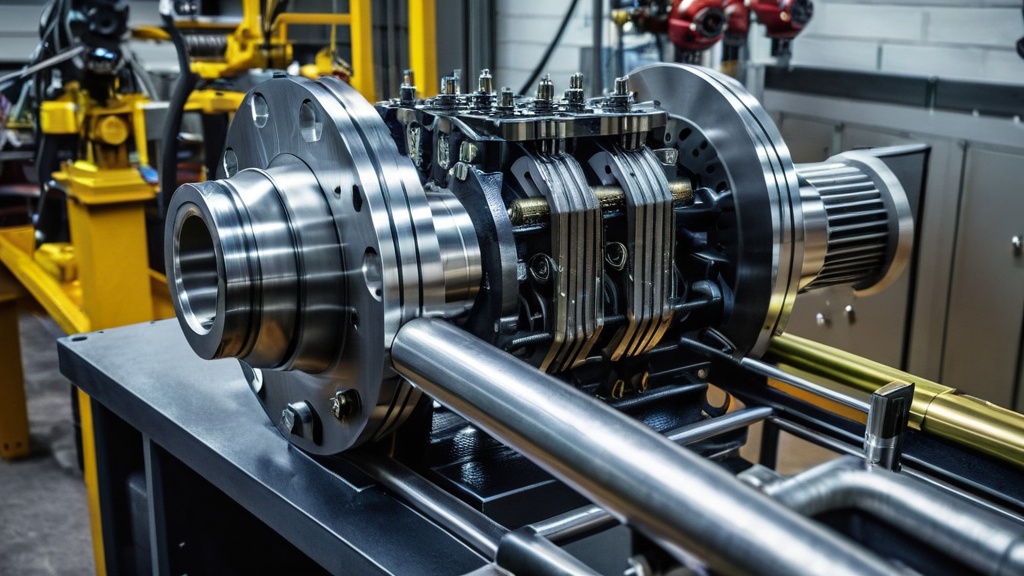
Innovative mechanical engineering design is at the forefront of transforming industries and enhancing the functionality of products and systems. As the world faces increasing demands for efficiency, sustainability, and performance, mechanical engineers are tasked with developing solutions that not only meet these challenges but also push the boundaries of what is possible. This discipline combines creativity with technical expertise, allowing engineers to devise novel approaches to traditional problems. The integration of new materials, advanced technologies, and innovative methodologies is essential in crafting designs that are not only effective but also economically viable.
The landscape of mechanical engineering is evolving rapidly, driven by advancements in technology and a growing emphasis on sustainability. Engineers are now more than ever required to think outside the box, leveraging interdisciplinary knowledge to create designs that are not only functional but also environmentally friendly. This shift towards innovation is not merely a trend; it is a necessity in a world where resources are finite, and the impact of engineering decisions can have far-reaching consequences. As we delve deeper into the various aspects of innovative mechanical engineering design, it becomes clear that the future of this field hinges on our ability to adapt and innovate.
In the realm of mechanical engineering design, the integration of artificial intelligence is becoming increasingly significant. A related article that explores the transformative potential of AI in various fields, including engineering, is available at this link: Leveraging AI Coaching to Unlock Your Team’s Full Potential. This article discusses how AI can enhance team performance and innovation, which is crucial for advancing mechanical design processes and improving overall project outcomes.
Key Takeaways
- Innovative mechanical engineering design focuses on improving performance, efficiency, and sustainability.
- Advanced materials and cutting-edge technologies play a crucial role in enhancing mechanical system capabilities.
- Simulation, analysis, automation, and robotics are key tools for optimizing mechanical engineering performance.
- Addressing design challenges and constraints is essential for successful innovation in mechanical engineering.
- Future trends highlight continued integration of new technologies and sustainable practices in mechanical design.
Importance of Improved Performance in Mechanical Engineering
Improved performance in mechanical engineering is crucial for several reasons, including economic efficiency, safety, and environmental impact. As industries strive to maximize productivity while minimizing costs, the performance of mechanical systems becomes a key determinant of success. Enhanced performance translates to better output, reduced downtime, and lower operational costs, which are vital for maintaining competitiveness in a global market. Moreover, as consumer expectations rise, the demand for high-performance products has never been greater. Engineers must therefore focus on creating designs that not only meet but exceed these expectations.
In addition to economic factors, improved performance is essential for ensuring safety and reliability in mechanical systems. High-performance designs often lead to more robust and durable products that can withstand the rigors of their intended applications. This is particularly important in sectors such as aerospace, automotive, and manufacturing, where failures can have catastrophic consequences. By prioritizing performance in their designs, engineers can contribute to safer environments for both users and operators. Furthermore, as regulatory standards become increasingly stringent, the need for high-performance engineering solutions that comply with these regulations is paramount.
Utilizing Advanced Materials in Mechanical Engineering Design
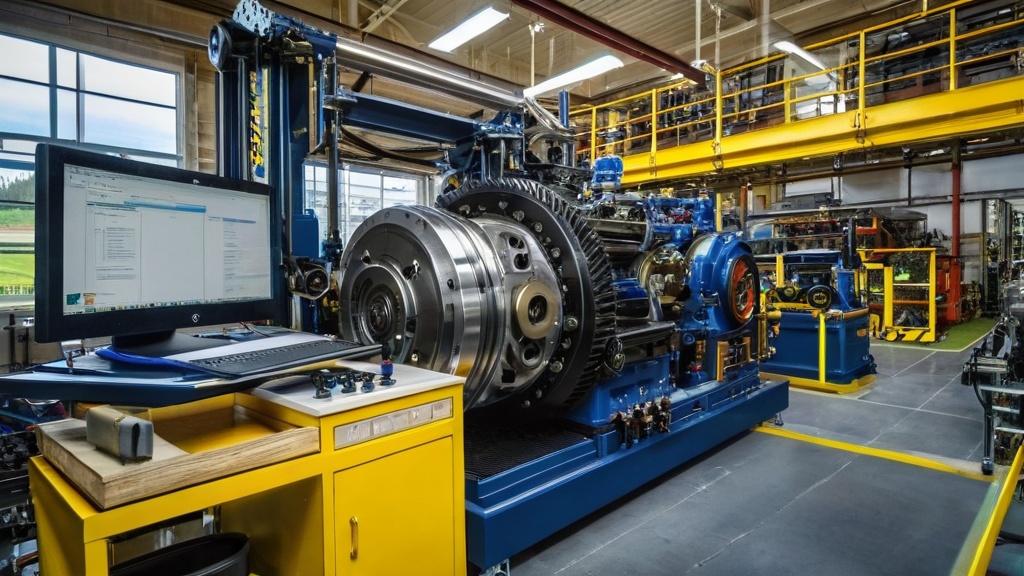
The selection of materials plays a pivotal role in mechanical engineering design, influencing everything from performance to sustainability. Advanced materials such as composites, alloys, and smart materials offer unique properties that can significantly enhance the functionality of mechanical systems. For instance, lightweight composites can reduce the overall weight of structures while maintaining strength and durability, leading to improved fuel efficiency in vehicles and aircraft. Similarly, smart materials that respond to environmental changes can enable adaptive systems that enhance performance in real-time.
Incorporating advanced materials into mechanical designs also opens up new avenues for innovation. Engineers can explore novel combinations of materials to create hybrid solutions that leverage the strengths of each component. This approach not only improves performance but also allows for greater design flexibility. As research continues to uncover new materials with extraordinary properties, the potential for innovative applications in mechanical engineering expands exponentially. By embracing these advancements, engineers can create designs that are not only more efficient but also more sustainable.
Incorporating Cutting-Edge Technologies for Enhanced Performance
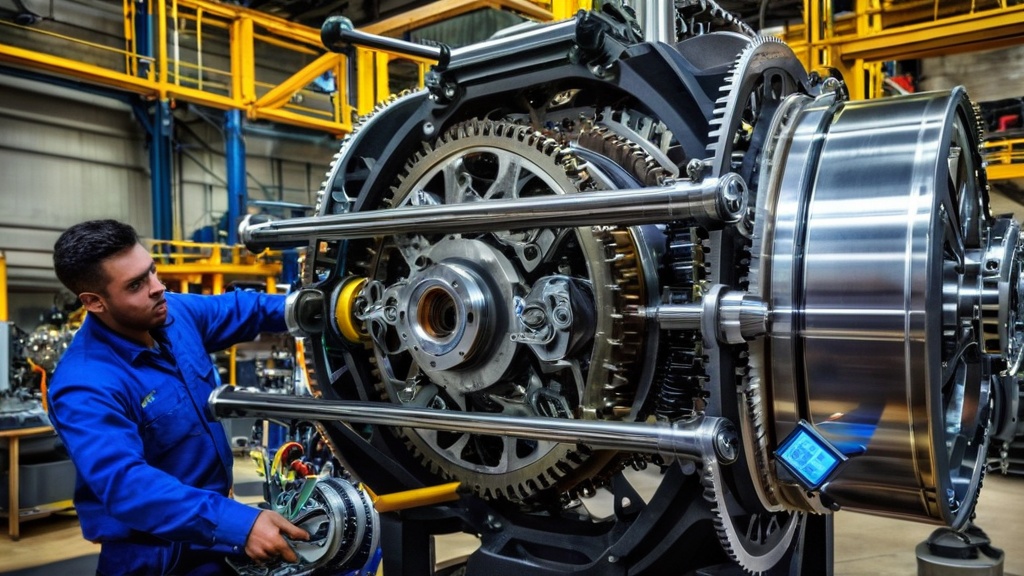
The integration of cutting-edge technologies into mechanical engineering design is essential for achieving enhanced performance. Technologies such as artificial intelligence (AI), machine learning (ML), and the Internet of Things (IoT) are revolutionizing how engineers approach design challenges. AI and ML can analyze vast amounts of data to identify patterns and optimize designs in ways that were previously unimaginable. This capability allows engineers to make informed decisions based on real-time data, leading to more efficient and effective designs.
Moreover, IoT technology enables the creation of interconnected systems that can monitor performance and provide feedback throughout a product’s lifecycle. By incorporating sensors and connectivity into mechanical designs, engineers can gather valuable data on how products perform under various conditions. This information can be used to refine designs further and predict maintenance needs before failures occur. The result is a more proactive approach to engineering that not only enhances performance but also extends the lifespan of mechanical systems.
In the ever-evolving field of mechanical engineering design, understanding the integration of artificial intelligence can significantly enhance innovation and efficiency. A recent article discusses the implications of AI on leadership and decision-making in technology-driven industries, which can provide valuable insights for engineers looking to stay ahead in their designs. For more information on this topic, you can read the article on AI transformation and its leadership lessons here. This connection between AI and engineering design underscores the importance of adapting to new technologies in order to remain competitive.
Designing for Efficiency and Sustainability in Mechanical Engineering
| Metric | Description | Typical Value/Range | Unit |
|---|---|---|---|
| Factor of Safety (FoS) | Ratio of maximum stress to allowable stress to ensure safety | 1.5 – 3.0 | Dimensionless |
| Young’s Modulus (E) | Measure of material stiffness | 70 – 210 | GPa |
| Yield Strength | Stress at which material begins to deform plastically | 250 – 1000 | MPa |
| Ultimate Tensile Strength (UTS) | Maximum stress material can withstand before failure | 400 – 1200 | MPa |
| Fatigue Limit | Maximum stress material can endure for infinite cycles without failure | 150 – 600 | MPa |
| Thermal Expansion Coefficient | Rate of expansion per degree temperature increase | 10 – 25 | µm/m·°C |
| Density | Mass per unit volume of material | 2700 – 7800 | kg/m³ |
| Design Life | Expected operational lifespan of a component | 5 – 30 | Years |
| Maximum Operating Temperature | Highest temperature at which the design can safely operate | 100 – 600 | °C |
| Surface Roughness (Ra) | Average roughness of machined surface | 0.1 – 3.2 | µm |
Efficiency and sustainability are increasingly becoming central tenets of mechanical engineering design. As global awareness of environmental issues grows, engineers are challenged to create solutions that minimize waste and reduce energy consumption. Designing for efficiency involves optimizing every aspect of a system, from material selection to manufacturing processes. By employing techniques such as lean manufacturing and design for manufacturability (DFM), engineers can streamline production while maintaining high-quality standards.
Sustainability goes hand-in-hand with efficiency in modern mechanical engineering design. Engineers must consider the entire lifecycle of a product, from raw material extraction to end-of-life disposal or recycling. This holistic approach encourages the use of renewable resources and promotes designs that are easier to disassemble and recycle. By prioritizing sustainability in their designs, engineers not only contribute to environmental preservation but also align with consumer preferences for eco-friendly products.
In the realm of mechanical engineering design, the integration of advanced technologies is becoming increasingly vital for innovation and efficiency. A fascinating article discusses how artificial intelligence is being utilized in sim racing, showcasing the potential of AI to enhance performance and strategy in competitive environments. This exploration of AI applications can provide valuable insights for engineers looking to incorporate smart systems into their designs. For more information on this topic, you can read the article on AI coaching for sim racing here.
Enhancing Performance through Innovative Mechanical Systems and Components
Innovative mechanical systems and components are key drivers of enhanced performance in engineering design. By rethinking traditional approaches and exploring new configurations, engineers can develop systems that operate more efficiently and effectively. For example, advancements in fluid dynamics have led to the creation of more efficient pumps and turbines that maximize energy transfer while minimizing losses. Similarly, innovations in gear design have resulted in lighter and stronger components that improve overall system performance.
Moreover, modular design principles allow for greater flexibility in mechanical systems. By creating interchangeable components that can be easily replaced or upgraded, engineers can enhance performance without overhauling entire systems. This approach not only reduces costs but also allows for rapid adaptation to changing requirements or technological advancements. As engineers continue to push the boundaries of what is possible with innovative systems and components, the potential for improved performance becomes limitless.
Optimizing Performance through Advanced Simulation and Analysis
Advanced simulation and analysis tools are revolutionizing the way engineers approach performance optimization in mechanical design. These tools enable engineers to model complex systems and predict their behavior under various conditions before physical prototypes are built. By utilizing computational fluid dynamics (CFD), finite element analysis (FEA), and other simulation techniques, engineers can identify potential issues early in the design process and make necessary adjustments.
The ability to simulate real-world conditions allows for more informed decision-making throughout the design process. Engineers can explore multiple design iterations quickly and efficiently, honing in on optimal solutions without the time and expense associated with physical testing. This iterative approach not only accelerates development timelines but also leads to higher-quality designs that meet or exceed performance expectations.
Integrating Automation and Robotics for Improved Mechanical Engineering Performance
The integration of automation and robotics into mechanical engineering design is transforming how products are manufactured and maintained. Automated systems can perform repetitive tasks with precision and speed, reducing human error and increasing overall efficiency. In manufacturing environments, robotics can streamline assembly processes, allowing for higher production rates while maintaining quality standards.
Furthermore, automation extends beyond manufacturing; it plays a crucial role in monitoring and maintaining mechanical systems throughout their lifecycle. Predictive maintenance powered by IoT sensors can alert engineers to potential issues before they escalate into costly failures. By leveraging automation and robotics, engineers can enhance performance across various stages of product development and operation, ultimately leading to more reliable and efficient systems.
Addressing Challenges and Constraints in Innovative Mechanical Engineering Design
Despite the numerous opportunities presented by innovative mechanical engineering design, challenges and constraints remain prevalent in the field. Engineers often face limitations related to budget constraints, regulatory requirements, and material availability that can hinder their ability to implement cutting-edge solutions. Additionally, balancing performance with sustainability goals can be a complex task that requires careful consideration of trade-offs.
To overcome these challenges, engineers must adopt a proactive mindset focused on collaboration and creativity.
Engaging with stakeholders early in the design process can help identify potential roadblocks and facilitate solutions that align with project goals.
Furthermore, fostering a culture of innovation within organizations encourages teams to explore unconventional approaches that may lead to breakthroughs in design.
Case Studies of Successful Innovative Mechanical Engineering Designs
Examining case studies of successful innovative mechanical engineering designs provides valuable insights into best practices and lessons learned from real-world applications. One notable example is the development of lightweight aircraft structures using advanced composite materials. By replacing traditional aluminum components with composites, engineers achieved significant weight reductions while maintaining structural integrity, resulting in improved fuel efficiency and reduced emissions.
Another compelling case study involves the implementation of automation in automotive manufacturing processes. By integrating robotic assembly lines equipped with AI-driven quality control systems, manufacturers have been able to enhance production rates while ensuring consistent quality across their product lines. These examples illustrate how innovative approaches can lead to tangible improvements in performance while addressing industry challenges.
Future Trends and Opportunities in Innovative Mechanical Engineering Design
As we look ahead, several trends are poised to shape the future of innovative mechanical engineering design. The continued advancement of digital technologies will enable even greater integration of AI and machine learning into design processes, allowing for more sophisticated simulations and optimizations. Additionally, as sustainability becomes an even higher priority globally, engineers will increasingly focus on developing circular economy solutions that minimize waste throughout product lifecycles.
Moreover, collaboration between disciplines will become essential as engineers work alongside experts from fields such as materials science, computer science, and environmental science to create holistic solutions that address complex challenges. The future holds immense potential for innovative mechanical engineering design as we embrace new technologies and methodologies while remaining committed to improving performance sustainably.
In conclusion, innovative mechanical engineering design is a dynamic field that continually evolves in response to emerging challenges and opportunities. By prioritizing improved performance through advanced materials, cutting-edge technologies, efficiency considerations, automation integration, and collaborative approaches, engineers can create solutions that not only meet current demands but also pave the way for a sustainable future.
FAQs
What is mechanical engineering design?
Mechanical engineering design is the process of creating and developing mechanical systems, components, and devices by applying principles of physics, materials science, and engineering. It involves conceptualizing, analyzing, and optimizing designs to meet specific functional requirements.
What are the key stages in mechanical engineering design?
The key stages typically include problem identification, conceptual design, detailed design, analysis and simulation, prototyping, testing, and final production. Each stage ensures the design meets performance, safety, and cost criteria.
What tools are commonly used in mechanical engineering design?
Common tools include computer-aided design (CAD) software for creating detailed models, finite element analysis (FEA) for stress and thermal analysis, computer-aided manufacturing (CAM) software, and various simulation tools to predict performance under different conditions.
What materials are typically considered in mechanical engineering design?
Materials selection depends on the application but often includes metals (such as steel, aluminum, and titanium), polymers, composites, and ceramics. Factors like strength, weight, corrosion resistance, and cost influence material choice.
How does mechanical engineering design ensure safety and reliability?
Designers incorporate safety factors, conduct rigorous testing and simulations, adhere to industry standards and regulations, and perform failure mode and effects analysis (FMEA) to identify and mitigate potential risks, ensuring the final product is safe and reliable.

















Leave a Reply