





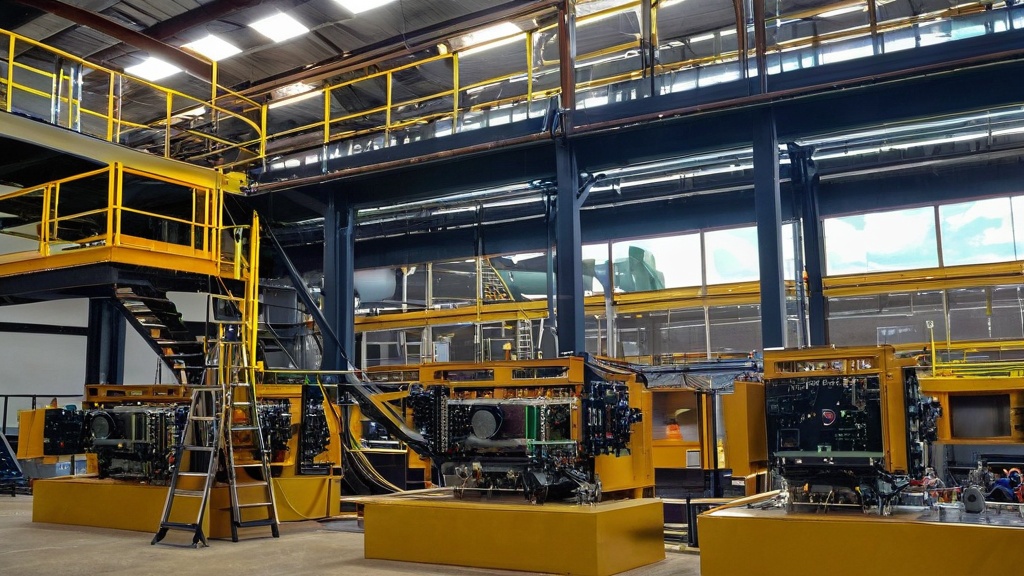
The Engineering Design Process (EDP) is a systematic approach that guides students through the complexities of problem-solving in the context of engineering. In Project Lead The Way (PLTW), this process is not merely a theoretical framework; it is an essential component that empowers students to engage in hands-on learning experiences. The EDP encourages critical thinking, creativity, and collaboration, allowing students to tackle real-world challenges with confidence.
By following this structured methodology, learners can develop innovative solutions while gaining valuable skills that are applicable across various disciplines.
In PLTW, the EDP serves as a foundation for students to understand the intricacies of engineering design. It encompasses a series of steps that lead from problem identification to solution implementation. This process not only fosters technical skills but also emphasizes the importance of teamwork and communication. As students navigate through each phase, they learn to appreciate the iterative nature of design, recognizing that failure is often a stepping stone to success. Ultimately, the EDP equips students with the tools they need to become effective problem solvers and innovators in an ever-evolving technological landscape.
The engineering design process is a critical framework utilized in Project Lead The Way (PLTW) programs, guiding students through problem-solving and innovation. A related article that discusses the evolving landscape of technology and its implications for various industries can be found at this link: Nasdaq Tightens Rules on Crypto Stock Deals. This article highlights the importance of adapting to new regulations and technological advancements, which is essential for engineers as they navigate the complexities of modern design challenges.
Key Takeaways
- The Engineering Design Process in PLTW emphasizes a structured approach from problem identification to final presentation.
- Effective problem understanding and thorough research are crucial for generating viable design solutions.
- Prototyping and iterative testing help refine designs through continuous evaluation and improvement.
- Collaboration and communication are key for sharing ideas, receiving feedback, and enhancing the design.
- Documentation and reflection ensure learning from the process and highlight the importance of applying engineering principles.
Understanding the Problem: Identifying and Defining the Design Challenge
The first step in the Engineering Design Process is to understand the problem at hand. This involves identifying and defining the design challenge clearly and concisely. Students must engage in discussions to explore the context of the problem, considering various factors such as user needs, constraints, and potential impacts. By thoroughly understanding the problem, students can set a solid foundation for their design efforts. This phase is crucial because a well-defined problem statement will guide all subsequent steps in the design process.
Once the problem is identified, students should articulate it in a way that highlights its significance and relevance. This may involve conducting preliminary research to gather background information and insights related to the challenge. By doing so, students can better understand the scope of the issue and its implications for stakeholders. This comprehensive understanding not only informs their design decisions but also fosters empathy for those who will ultimately benefit from their solutions. In essence, this initial phase sets the stage for a thoughtful and informed approach to engineering design.
Research and Exploration: Gathering Information and Generating Ideas
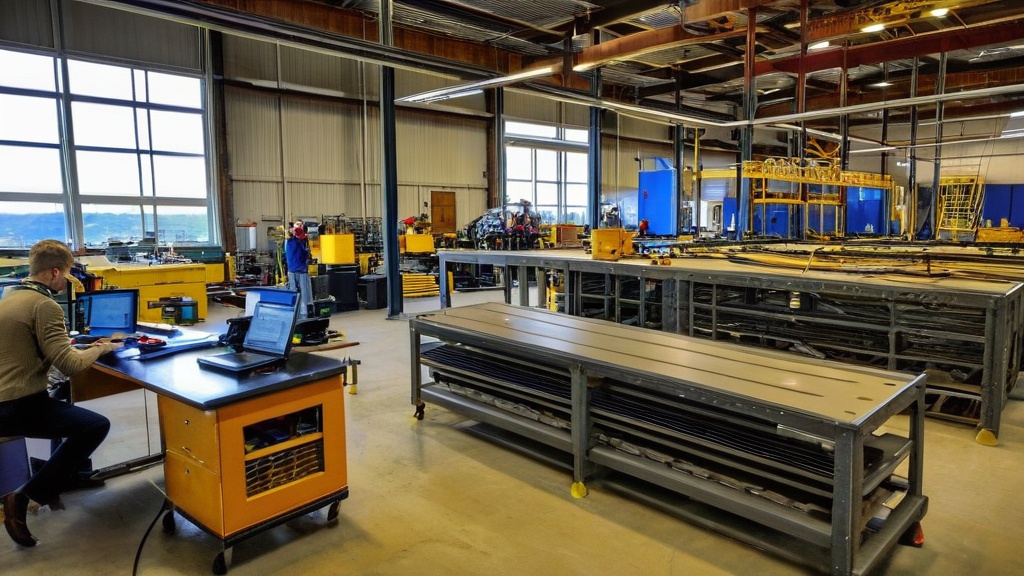
Following the identification of the design challenge, students embark on a journey of research and exploration. This phase is characterized by gathering information from various sources, including academic literature, industry reports, and expert interviews. By immersing themselves in existing knowledge, students can uncover insights that may inform their design process. This research not only enhances their understanding of the problem but also exposes them to potential solutions that have been explored by others.
In addition to gathering information, this phase encourages students to generate ideas through creative thinking techniques. Brainstorming sessions can be particularly effective in fostering an environment where all ideas are welcomed and considered. Students are encouraged to think outside the box and explore unconventional solutions that may not have been initially apparent. This combination of research and idea generation lays the groundwork for innovative thinking, enabling students to approach their design challenge from multiple angles.
Brainstorming and Concept Development: Generating and Evaluating Solutions
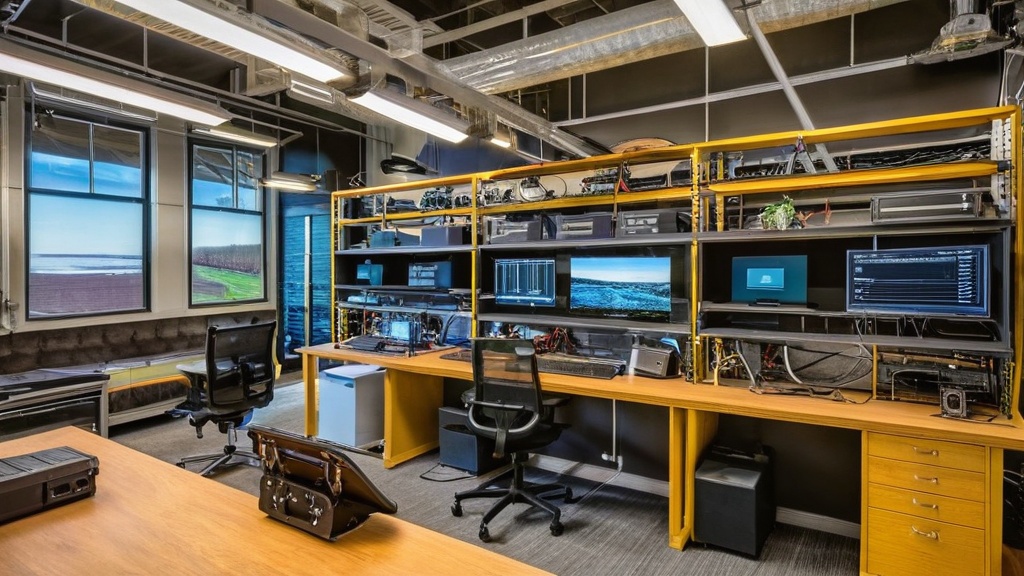
Once students have gathered sufficient information and generated a plethora of ideas, they move into the brainstorming and concept development phase. Here, students evaluate their ideas based on criteria such as feasibility, cost-effectiveness, and user needs. This critical evaluation process helps them narrow down their options and select the most promising concepts for further development. It is essential for students to engage in constructive discussions during this phase, as collaboration often leads to enhanced creativity and refinement of ideas.
As concepts are developed, students should create sketches or models to visualize their ideas more concretely. These representations serve as valuable tools for communication and feedback among team members. By sharing their concepts with peers or mentors, students can gain diverse perspectives that may lead to further improvements or refinements. This iterative process of generating and evaluating solutions fosters a culture of innovation, encouraging students to embrace experimentation as they work toward their final design.
Incorporating innovative strategies into the engineering design process can significantly enhance student engagement and understanding. A recent article discusses how leveraging AI tools can improve teaching methodologies, which is particularly relevant for educators involved in Project Lead The Way (PLTW) programs. By exploring the benefits of using technology in the classroom, teachers can better facilitate the engineering design process and inspire their students. For more insights on this topic, you can read the article on improving your teaching with an AI coach here.
Design and Prototyping: Creating and Testing a Prototype
| Step | Description | Key Activities | Typical Timeframe | Common Metrics |
|---|---|---|---|---|
| 1. Define the Problem | Identify the problem to be solved and establish criteria and constraints. | Research, problem statement, criteria listing | 1-2 days | Clarity of problem statement, number of constraints identified |
| 2. Generate Concepts | Brainstorm multiple possible solutions without judgment. | Idea generation, sketching, concept listing | 2-3 days | Number of concepts generated, diversity of ideas |
| 3. Develop a Solution | Select the best concept and develop detailed design. | Detailed drawings, modeling, prototyping plans | 3-5 days | Design completeness, feasibility score |
| 4. Construct and Test | Build prototype and test against criteria. | Prototype construction, testing, data collection | 4-7 days | Test success rate, performance metrics |
| 5. Evaluate Solution | Analyze test results and determine if solution meets criteria. | Data analysis, feedback gathering, problem redefinition if needed | 1-2 days | Percentage of criteria met, user satisfaction rating |
| 6. Present Solution | Communicate the design and results to stakeholders. | Report writing, presentations, demonstrations | 1-2 days | Presentation clarity, stakeholder feedback |
With a refined concept in hand, students transition into the design and prototyping phase of the Engineering Design Process. This stage involves translating their ideas into tangible prototypes that can be tested and evaluated. Prototyping is a critical step because it allows students to explore how their designs function in practice. Whether creating physical models or digital simulations, students gain hands-on experience that deepens their understanding of engineering principles.
Testing prototypes is equally important as it provides valuable feedback on performance and usability. Students should develop testing protocols that assess various aspects of their designs, such as durability, efficiency, and user experience. By collecting data during testing, students can identify areas for improvement and make informed decisions about necessary modifications. This iterative cycle of prototyping and testing not only enhances the quality of their designs but also instills a sense of resilience as they learn to adapt based on real-world feedback.
Testing and Evaluation: Analyzing the Prototype and Making Improvements
The testing and evaluation phase is where students critically analyze their prototypes based on the data collected during testing. This analysis involves assessing how well the prototype meets the original design criteria established at the beginning of the process. Students should reflect on both successes and shortcomings, identifying specific areas where improvements can be made. This phase encourages a mindset of continuous improvement, emphasizing that design is an evolving process rather than a one-time event.
In addition to self-evaluation, seeking feedback from peers or mentors can provide valuable insights into potential enhancements. Constructive criticism can help students see their designs from different perspectives, leading to innovative solutions they may not have considered independently. By embracing feedback and making necessary adjustments, students learn that collaboration is key to successful engineering design. Ultimately, this phase reinforces the importance of thorough evaluation in achieving effective solutions.
Communication and Collaboration: Sharing and Receiving Feedback
Effective communication is an integral part of the Engineering Design Process, particularly during the testing and evaluation phase. Students must articulate their findings clearly to stakeholders, whether through presentations or written reports. This communication not only showcases their work but also invites constructive feedback that can further refine their designs. Engaging with others allows students to share their insights while also learning from diverse perspectives.
Collaboration plays a vital role in enhancing the quality of designs as well. Working in teams encourages students to leverage each other’s strengths while fostering an environment where ideas can flourish. By collaborating with peers or industry professionals, students gain access to a wealth of knowledge that can inform their design decisions. This collaborative spirit not only enriches the learning experience but also prepares students for future endeavors in engineering fields where teamwork is essential.
Redesign and Iteration: Making Revisions and Refining the Design
The redesign and iteration phase is where students take all feedback received during testing and evaluation to make informed revisions to their prototypes. This iterative process is fundamental to engineering design; it acknowledges that initial designs may not be perfect but can be improved upon through thoughtful adjustments. Students should approach this phase with an open mind, ready to embrace change as they refine their solutions.
As they make revisions, it is crucial for students to document their changes meticulously. Keeping track of modifications allows them to understand how each adjustment impacts overall performance and functionality. This documentation serves as a valuable resource for future projects as well, enabling students to learn from past experiences. The iterative nature of redesign reinforces resilience in problem-solving; it teaches students that persistence is key when striving for excellence in engineering design.
Documentation and Presentation: Recording the Process and Presenting the Final Design
Documentation is an essential aspect of the Engineering Design Process that should not be overlooked. Throughout each phase, students should maintain detailed records of their work, including sketches, prototypes, testing results, and feedback received.
This documentation serves multiple purposes: it provides a comprehensive overview of the design journey while also allowing for reflection on lessons learned along the way.
When it comes time to present their final designs, effective communication becomes paramount once again. Students should prepare presentations that clearly convey their design process, highlighting key decisions made at each stage. Visual aids such as slideshows or posters can enhance understanding while engaging audiences effectively. Presenting their work not only showcases their accomplishments but also reinforces confidence in their abilities as emerging engineers.
Reflection and Analysis: Evaluating the Design Process and Outcomes
Reflection is a critical component of learning within the Engineering Design Process. After completing a project, students should take time to evaluate both their design process and outcomes critically. This reflection allows them to identify what worked well and what could be improved in future projects. By analyzing their experiences, students gain insights into their strengths as well as areas for growth.
Additionally, reflecting on teamwork dynamics can provide valuable lessons about collaboration and communication skills. Understanding how group interactions influenced project outcomes helps students become more effective collaborators in future endeavors. Ultimately, this reflective practice cultivates a mindset of continuous improvement—an essential trait for success in any engineering career.
The Importance of Applying the Engineering Design Process in PLTW
In conclusion, applying the Engineering Design Process within Project Lead The Way (PLTW) offers students invaluable opportunities for growth as problem solvers and innovators. By following this structured methodology—from understanding problems through research to prototyping, testing, redesigning, documenting, presenting, reflecting—students develop essential skills that extend beyond engineering disciplines into various aspects of life.
The EDP fosters critical thinking while encouraging creativity through collaboration among peers; it prepares learners for real-world challenges they will face in future careers or academic pursuits alike. As they navigate each phase with resilience—embracing failures as learning experiences—students emerge equipped not only with technical knowledge but also with confidence in their ability to tackle complex problems head-on.
Ultimately, embracing the Engineering Design Process within PLTW cultivates a generation of thinkers who are ready to shape our world through innovative solutions grounded in thoughtful analysis and collaboration—a testament to its enduring importance in education today.
FAQs
What is the Engineering Design Process in PLTW?
The Engineering Design Process in PLTW (Project Lead The Way) is a series of iterative steps that students follow to solve engineering problems. It typically includes defining a problem, brainstorming, designing, building, testing, and improving a solution.
What are the main steps involved in the PLTW Engineering Design Process?
The main steps are: 1) Define the problem, 2) Generate ideas, 3) Develop a solution, 4) Construct and test a prototype, 5) Evaluate the solution, and 6) Present the results. These steps encourage critical thinking and creativity.
Why is the Engineering Design Process important in PLTW courses?
The process teaches students how to approach complex problems methodically, promotes teamwork, and helps develop skills in research, design, testing, and communication, which are essential for careers in engineering and technology.
How does iteration play a role in the PLTW Engineering Design Process?
Iteration is key; students repeatedly test and refine their designs based on feedback and test results. This cycle of improvement helps create more effective and efficient solutions.
Can the Engineering Design Process be applied outside of engineering?
Yes, the Engineering Design Process is a versatile problem-solving framework that can be applied in various fields such as business, education, and everyday life to develop innovative solutions.


















Leave a Reply