






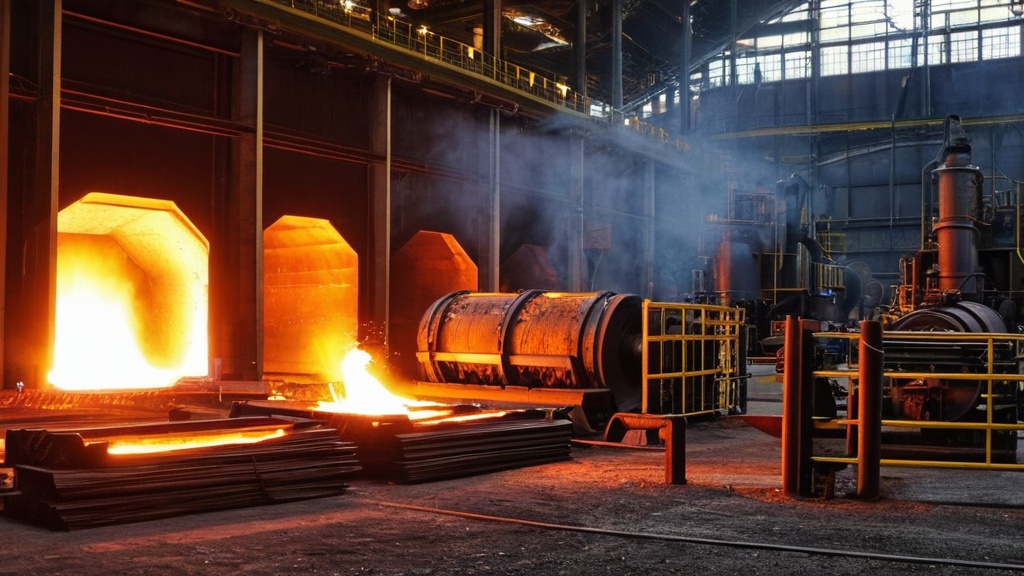
Metallurgical engineering is a specialized field that focuses on the study of metals and their properties, processing, and applications. This discipline encompasses a wide range of activities, from the extraction of metals from ores to the development of new alloys and materials that can withstand extreme conditions. Metallurgical engineers play a crucial role in various industries, ensuring that materials are not only functional but also safe and sustainable. Their expertise is essential in designing processes that enhance the performance of metals, which are integral to modern technology and infrastructure.
The significance of metallurgical engineering extends beyond mere material science; it is a cornerstone of innovation in numerous sectors. As society continues to evolve, the demand for advanced materials that can meet specific performance criteria grows. Metallurgical engineers are at the forefront of this evolution, applying their knowledge to create solutions that address contemporary challenges, such as resource scarcity, environmental concerns, and the need for enhanced material performance. This article delves into the historical developments, modern techniques, and future trends in metallurgical engineering, highlighting its vital role across various industries.
In the field of metallurgy and metallurgical engineering, understanding the advancements in technology is crucial for modern practices. A related article that explores the impact of innovative approaches on traditional methods can be found at this link: Smart Coaching Technology vs. Traditional Methods: A Comprehensive Analysis for Modern Learners. This article delves into how new technologies are reshaping educational methodologies, which can also be applied to the training and development of professionals in metallurgy, enhancing their skills and knowledge in a rapidly evolving industry.
Key Takeaways
- Metallurgical engineering has evolved from ancient metalworking to advanced modern technologies.
- It plays a critical role in automotive, aerospace, and medical industries by improving material performance.
- Sustainability and environmental impact are key considerations in current metallurgical practices.
- Nanotechnology is driving innovations in material properties and applications.
- Future trends focus on energy efficiency, new materials, and innovative engineering solutions.
Historical Developments in Metallurgical Engineering
The roots of metallurgical engineering can be traced back to ancient civilizations, where early humans discovered the utility of metals such as copper and gold. The ability to extract and manipulate these materials marked a significant turning point in human history, leading to advancements in tools, weapons, and eventually, entire civilizations. The development of metallurgy was not merely a technological leap; it was a catalyst for social and economic change, enabling trade and the establishment of complex societies.
As time progressed, metallurgical practices evolved significantly. The Iron Age heralded a new era in metallurgy, with iron becoming the dominant material due to its abundance and superior properties compared to bronze. The advent of smelting techniques allowed for more efficient extraction and processing of metals. By the 19th century, the Industrial Revolution further transformed metallurgical engineering with the introduction of new technologies such as the Bessemer process for steel production. This period marked the beginning of modern metallurgy, characterized by scientific approaches to material properties and processing techniques.
Modern Techniques and Technologies in Metallurgical Engineering
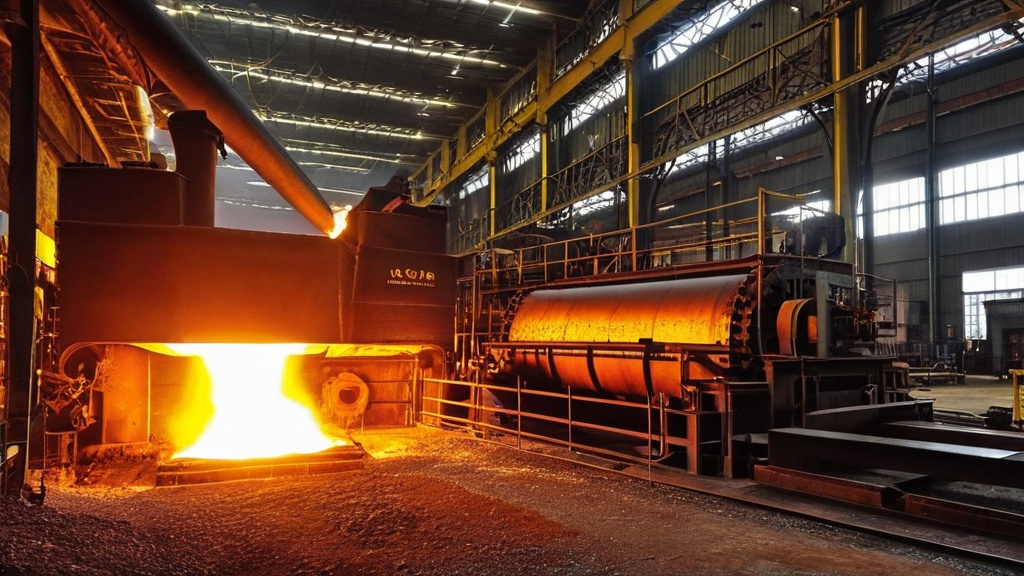
Today, metallurgical engineering employs a plethora of advanced techniques and technologies that enhance the understanding and manipulation of materials. One such technique is powder metallurgy, which involves the production of metal powders and their subsequent consolidation into solid parts. This method allows for precise control over material properties and is particularly useful in creating complex geometries that are difficult to achieve through traditional casting methods.
Another significant advancement is the use of computational modeling and simulation in metallurgical processes. Engineers can now predict how materials will behave under various conditions using sophisticated software tools. This capability not only accelerates the design process but also reduces costs by minimizing trial-and-error experimentation. Additionally, techniques such as additive manufacturing are revolutionizing the field by enabling the creation of intricate metal components layer by layer, thus opening new avenues for innovation in product design.
Metallurgical Engineering in the Automotive Industry
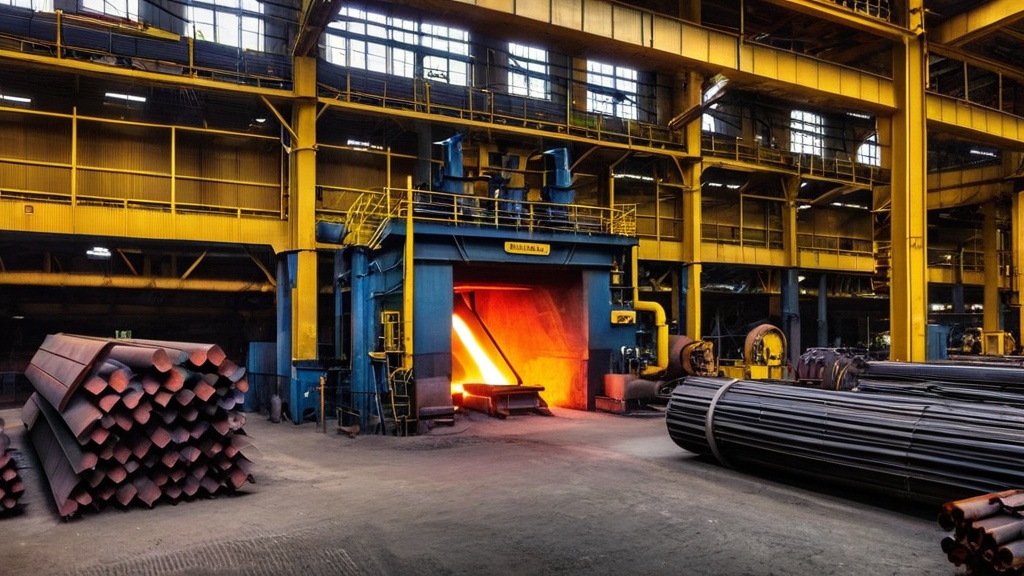
The automotive industry is one of the primary sectors benefiting from advancements in metallurgical engineering. With the increasing demand for lightweight yet strong materials, metallurgical engineers are tasked with developing new alloys that can improve fuel efficiency without compromising safety. For instance, aluminum and high-strength steel are commonly used in vehicle manufacturing to reduce weight while maintaining structural integrity.
Moreover, metallurgical engineering plays a crucial role in ensuring that automotive components can withstand harsh operating conditions. Engineers focus on enhancing corrosion resistance and fatigue strength through innovative surface treatments and coatings. These advancements not only extend the lifespan of automotive parts but also contribute to overall vehicle performance and safety. As electric vehicles gain popularity, metallurgical engineers are also exploring new materials for batteries and other components to optimize energy storage and efficiency.
In the ever-evolving field of metallurgy and metallurgical engineering, the integration of advanced technologies is becoming increasingly important. For instance, a recent article discusses how artificial intelligence is transforming leadership training and development within traditional industries, including metallurgy. This innovative approach not only enhances productivity but also fosters a culture of continuous improvement. To explore this topic further, you can read the article on leadership training and development in the context of AI and tradition here.
Metallurgical Engineering in the Aerospace Industry
| Metric | Description | Typical Values / Units | Relevance in Metallurgy |
|---|---|---|---|
| Melting Point | Temperature at which a metal changes from solid to liquid | Iron: 1538 °C, Aluminum: 660 °C | Determines processing temperatures and casting methods |
| Density | Mass per unit volume of a metal | Steel: ~7.85 g/cm³, Aluminum: ~2.7 g/cm³ | Important for weight considerations in design |
| Tensile Strength | Maximum stress a metal can withstand while being stretched | Carbon Steel: 400-550 MPa, Titanium Alloy: 900-1200 MPa | Critical for structural applications |
| Hardness (Brinell) | Resistance to indentation or scratching | Cast Iron: 150-300 HB, Hardened Steel: 600-700 HB | Indicates wear resistance and machinability |
| Thermal Conductivity | Ability to conduct heat | Copper: 400 W/m·K, Stainless Steel: 15 W/m·K | Important for heat treatment and cooling processes |
| Corrosion Resistance | Ability to withstand degradation from environment | Stainless Steel: High, Carbon Steel: Low | Determines suitability for harsh environments |
| Grain Size | Average diameter of crystals in metal microstructure | 5-50 micrometers | Affects strength, toughness, and ductility |
| Elongation at Break | Percentage increase in length before fracture | Steel: 10-30%, Cast Iron: 1-3% | Measures ductility and formability |
In the aerospace sector, metallurgical engineering is paramount due to the extreme conditions that aircraft and spacecraft must endure. The materials used in aerospace applications must possess exceptional strength-to-weight ratios, thermal resistance, and fatigue durability. Metallurgical engineers are continually researching and developing advanced alloys, such as titanium and nickel-based superalloys, which are essential for high-performance components like turbine blades and airframes.
Additionally, metallurgical engineering contributes significantly to safety in aerospace applications. Engineers conduct rigorous testing and analysis to ensure that materials can withstand the stresses encountered during flight. The use of advanced non-destructive testing methods allows for the detection of potential flaws in materials before they lead to catastrophic failures. As space exploration continues to expand, metallurgical engineers are also tasked with developing materials capable of withstanding harsh extraterrestrial environments.
Metallurgical Engineering in the Medical Field
The medical field has increasingly relied on metallurgical engineering to develop materials that enhance patient care and treatment outcomes. Biocompatible metals such as titanium are widely used in medical implants due to their excellent compatibility with human tissue and resistance to corrosion. Metallurgical engineers work closely with medical professionals to design implants that not only meet functional requirements but also promote healing and integration with surrounding tissues.
Furthermore, advancements in metallurgy have led to the development of innovative medical devices that improve diagnostic capabilities and treatment options. For example, metallic stents used in cardiovascular procedures are engineered for optimal strength while maintaining flexibility. The ongoing research into shape-memory alloys has opened new possibilities for devices that can adapt to physiological changes within the body. As technology progresses, metallurgical engineers will continue to play a vital role in shaping the future of medical treatments.
Environmental Impact and Sustainability in Metallurgical Engineering
As global awareness of environmental issues grows, metallurgical engineering is increasingly focused on sustainability practices. The extraction and processing of metals can have significant ecological impacts; therefore, engineers are exploring ways to minimize waste and energy consumption throughout the metallurgical lifecycle. Techniques such as recycling scrap metal not only reduce environmental footprints but also conserve natural resources.
Moreover, metallurgical engineers are investigating alternative materials that can replace traditional metals in certain applications. For instance, bio-based composites are being developed as sustainable alternatives for specific uses in construction and manufacturing. By prioritizing sustainability in their practices, metallurgical engineers contribute to a more circular economy where materials are reused and repurposed rather than discarded.
Nanotechnology and Metallurgical Engineering
Nanotechnology has emerged as a transformative force within metallurgical engineering, enabling unprecedented control over material properties at the atomic level. By manipulating materials on a nanoscale, engineers can enhance strength, conductivity, and other characteristics that were previously unattainable with conventional methods. This has led to the development of nanostructured materials that exhibit superior performance across various applications.
The integration of nanotechnology into metallurgy has opened new avenues for innovation in fields such as electronics, energy storage, and biomedical devices. For example, nanomaterials are being explored for use in batteries to improve energy density and charge rates significantly. As research continues to advance in this area, metallurgical engineers will be at the forefront of creating next-generation materials that push the boundaries of what is possible.
Metallurgical Engineering in the Energy Sector
The energy sector relies heavily on metallurgical engineering for the development of materials that can withstand extreme conditions encountered during energy production and transmission. From power plants to renewable energy systems like wind turbines and solar panels, metallurgical engineers ensure that materials are durable enough to handle high temperatures, pressures, and corrosive environments.
In recent years, there has been a growing emphasis on developing materials for energy storage systems as renewable energy sources become more prevalent.
Metallurgical engineers are working on advanced battery technologies that utilize novel materials to enhance efficiency and longevity.
Additionally, research into hydrogen storage materials is gaining traction as hydrogen emerges as a clean energy carrier for future applications.
Future Trends and Innovations in Metallurgical Engineering
Looking ahead, several trends are poised to shape the future of metallurgical engineering. One significant trend is the increasing integration of artificial intelligence (AI) and machine learning into material design processes. These technologies can analyze vast datasets to identify patterns and predict material behavior under various conditions, streamlining research and development efforts.
Another trend is the growing focus on additive manufacturing techniques that allow for greater customization of metal components. As industries seek more efficient production methods that reduce waste while meeting specific design requirements, additive manufacturing will likely become more prevalent in metallurgical engineering practices. Furthermore, ongoing research into smart materials—those that can respond dynamically to environmental changes—will continue to push boundaries within this field.
The Role of Metallurgical Engineering in Shaping the Future
In conclusion, metallurgical engineering is a dynamic field that plays an essential role in shaping modern society across various industries. From its historical roots to contemporary advancements in technology and sustainability practices, this discipline continues to evolve in response to emerging challenges and opportunities. As we look toward the future, metallurgical engineers will be instrumental in developing innovative materials that address critical issues such as environmental sustainability, energy efficiency, and healthcare advancements.
The ongoing collaboration between metallurgical engineers and other sectors will foster an environment ripe for innovation, ensuring that this field remains at the forefront of technological progress. As we navigate an increasingly complex world, the contributions of metallurgical engineering will be vital in creating solutions that enhance quality of life while preserving our planet for future generations.
FAQs
What is metallurgy?
Metallurgy is the branch of science and engineering that studies the physical and chemical behavior of metallic elements, their intermetallic compounds, and their mixtures called alloys. It involves the extraction, refining, and processing of metals to create useful materials.
What does a metallurgical engineer do?
A metallurgical engineer applies principles of metallurgy to design and develop metal materials and processes. They work on extracting metals from ores, improving metal properties, developing new alloys, and ensuring quality control in manufacturing processes.
What are the main types of metallurgy?
The main types of metallurgy include physical metallurgy, which focuses on the physical properties and structure of metals; extractive metallurgy, which deals with extracting metals from ores; and mechanical metallurgy, which studies the behavior of metals under mechanical forces.
What industries use metallurgical engineering?
Metallurgical engineering is essential in industries such as aerospace, automotive, construction, electronics, energy, and manufacturing. It supports the development of materials that meet specific strength, durability, and corrosion resistance requirements.
What are common methods used in metallurgical engineering?
Common methods include smelting and refining for metal extraction, heat treatment to alter metal properties, alloying to combine metals for enhanced characteristics, and various testing techniques like microscopy and mechanical testing to analyze metal quality.


















Leave a Reply