






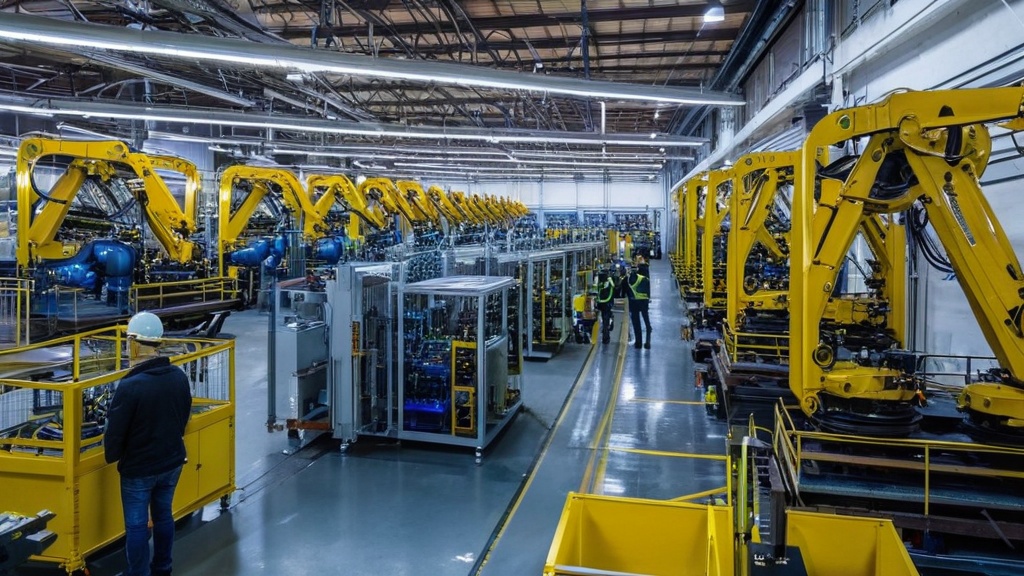
Automation engineering has emerged as a transformative force across various traditional industries, fundamentally altering how businesses operate. By integrating advanced technologies such as robotics, artificial intelligence, and machine learning, automation engineering enhances efficiency, reduces costs, and improves overall productivity. Traditional sectors, which have long relied on manual labor and outdated processes, are now embracing automation to remain competitive in an increasingly digital landscape. This shift not only streamlines operations but also allows companies to allocate resources more effectively, ultimately leading to higher profitability.
Moreover, the impact of automation engineering extends beyond mere operational improvements. It fosters innovation by enabling organizations to explore new business models and revenue streams. For instance, manufacturers can leverage automation to produce customized products at scale, catering to the evolving demands of consumers. This adaptability is crucial in today’s fast-paced market, where customer preferences can change rapidly. As traditional industries continue to adopt automation engineering, they are not only enhancing their operational capabilities but also positioning themselves for long-term success in a dynamic economic environment.
Automation engineering is a rapidly evolving field that integrates advanced technologies to enhance efficiency and productivity across various industries. A related article that delves into the intersection of artificial intelligence and automation is titled “AI Coach Assist: An Automated Approach for Call Recommendation.” This article explores how AI-driven solutions can streamline communication processes and improve decision-making in real-time. For more insights on this topic, you can read the article here: AI Coach Assist: An Automated Approach for Call Recommendation.
Key Takeaways
- Automation engineering is significantly transforming traditional industries by improving efficiency and reducing manual labor.
- Manufacturing and supply chain processes are becoming more streamlined and cost-effective through automation technologies.
- Agriculture and healthcare sectors benefit from enhanced productivity and precision enabled by automation engineering.
- Transportation, energy, retail, and construction industries are experiencing innovations that optimize operations and service delivery.
- Financial services and entertainment industries are leveraging automation to revolutionize customer experiences and operational workflows.
How Automation Engineering is Transforming Manufacturing Processes
The manufacturing sector has been at the forefront of adopting automation engineering, witnessing a significant transformation in its processes. Automation technologies such as robotics and computer numerical control (CNC) machines have revolutionized production lines, allowing for greater precision and speed. These advancements enable manufacturers to produce high-quality products with minimal human intervention, reducing the likelihood of errors and defects. As a result, companies can achieve higher output levels while maintaining stringent quality standards.
In addition to improving production efficiency, automation engineering facilitates real-time monitoring and data analysis within manufacturing processes. By implementing Internet of Things (IoT) devices and sensors, manufacturers can gather valuable insights into their operations, identifying bottlenecks and areas for improvement. This data-driven approach empowers organizations to make informed decisions, optimize resource allocation, and enhance overall operational performance. As automation continues to evolve, the manufacturing industry is poised to experience even greater advancements, paving the way for smarter factories that leverage cutting-edge technologies to drive innovation.
The Role of Automation Engineering in Streamlining Supply Chain Management
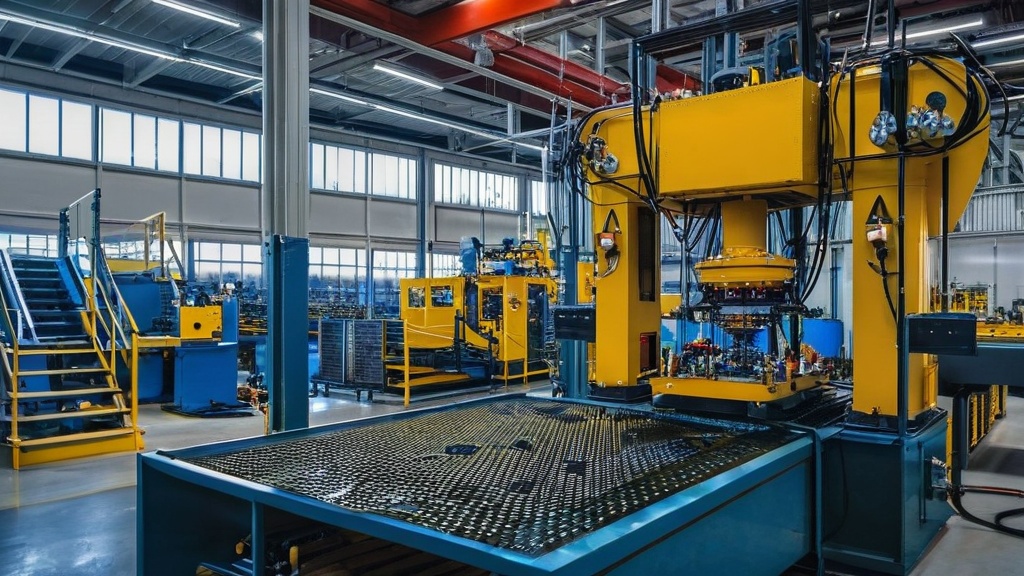
Supply chain management is another area where automation engineering is making significant strides. The complexity of modern supply chains necessitates efficient coordination among various stakeholders, including suppliers, manufacturers, distributors, and retailers. Automation engineering plays a crucial role in streamlining these processes by automating routine tasks such as inventory management, order processing, and logistics planning. This not only reduces the risk of human error but also accelerates response times, ensuring that products reach consumers more quickly.
Furthermore, automation engineering enhances visibility across the supply chain by integrating advanced tracking systems and data analytics tools. Companies can monitor their inventory levels in real-time, allowing them to make proactive decisions regarding restocking and demand forecasting. This level of transparency fosters collaboration among supply chain partners, enabling them to respond swiftly to market fluctuations and customer needs. As businesses continue to embrace automation in their supply chain operations, they are better equipped to navigate challenges and seize opportunities in an increasingly competitive landscape.
Enhancing Efficiency and Productivity with Automation Engineering in Agriculture
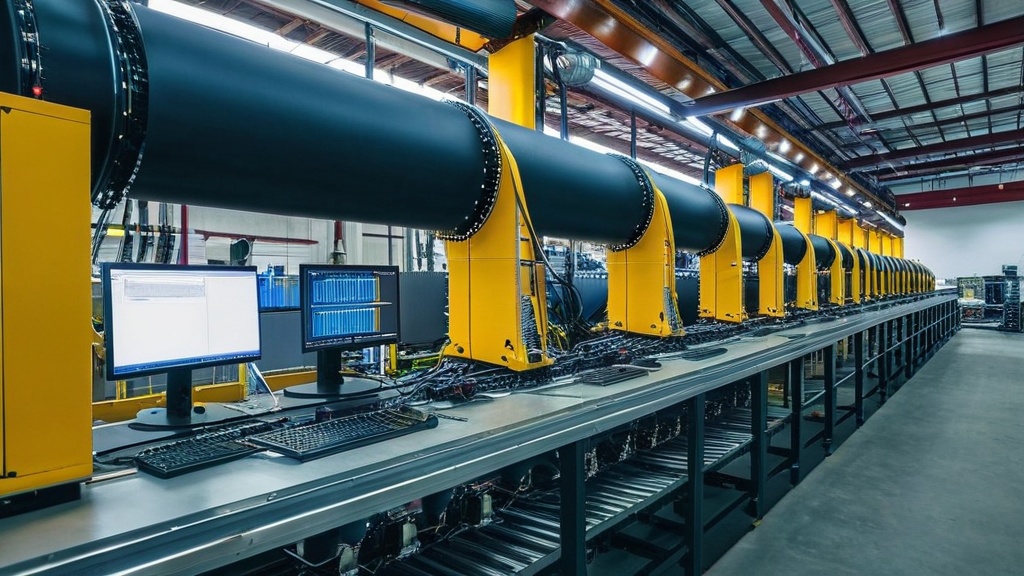
The agricultural sector is experiencing a renaissance thanks to automation engineering, which is enhancing efficiency and productivity in farming practices. Traditional farming methods often rely on labor-intensive processes that can be time-consuming and inefficient. However, with the advent of precision agriculture technologies such as drones, automated tractors, and smart irrigation systems, farmers can optimize their operations like never before. These innovations allow for precise monitoring of crop health, soil conditions, and water usage, leading to more informed decision-making.
Moreover, automation engineering enables farmers to increase their yields while minimizing resource consumption. By utilizing data analytics and machine learning algorithms, agricultural producers can identify the optimal conditions for planting and harvesting crops. This not only maximizes productivity but also promotes sustainable practices by reducing waste and conserving resources. As the global population continues to grow, the role of automation engineering in agriculture will become increasingly vital in ensuring food security and meeting the demands of consumers.
Automation engineering is rapidly evolving, with advancements in artificial intelligence playing a crucial role in enhancing efficiency and productivity across various industries. A recent article discusses how AI can provide real-time feedback to students, which is a significant step towards personalized learning experiences. This innovative approach not only supports educational growth but also reflects the broader implications of automation in improving performance. For more insights into this transformative technology, you can read the article on AI coaching for student success here.
Revolutionizing the Healthcare Industry with Automation Engineering
| Metric | Description | Typical Value / Range | Unit |
|---|---|---|---|
| System Uptime | Percentage of time the automation system is operational without failure | 99.5 – 99.99 | % |
| Mean Time Between Failures (MTBF) | Average operational time between system failures | 500 – 10,000 | hours |
| Mean Time To Repair (MTTR) | Average time required to repair a system failure | 0.5 – 4 | hours |
| Automation Coverage | Percentage of processes automated within a system or plant | 60 – 95 | % |
| Cycle Time Reduction | Percentage decrease in process cycle time due to automation | 20 – 70 | % |
| Error Rate | Frequency of errors or defects in automated processes | 0.01 – 1 | % |
| Return on Investment (ROI) | Financial return relative to automation project cost | 15 – 50 | % |
| Energy Consumption Reduction | Percentage reduction in energy use due to automation | 10 – 40 | % |
| Safety Incident Reduction | Decrease in workplace safety incidents after automation implementation | 30 – 80 | % |
| Programming Time | Time required to develop and deploy automation software | 1 – 12 | weeks |
The healthcare industry is undergoing a profound transformation driven by automation engineering. From patient care to administrative processes, automation is enhancing efficiency and improving outcomes across the board. For instance, robotic surgical systems are enabling surgeons to perform complex procedures with greater precision and minimal invasiveness. This not only reduces recovery times for patients but also lowers the risk of complications associated with traditional surgical methods.
In addition to clinical applications, automation engineering is streamlining administrative tasks within healthcare organizations. Electronic health records (EHR) systems automate patient data management, allowing healthcare providers to access critical information quickly and efficiently. This reduces paperwork and administrative burdens on staff, enabling them to focus more on patient care. As automation continues to advance in healthcare, it holds the potential to revolutionize how medical services are delivered, ultimately leading to improved patient experiences and outcomes.
The Future of Transportation and Logistics with Automation Engineering
Transportation and logistics are on the brink of a major transformation thanks to automation engineering. The rise of autonomous vehicles and drones is set to revolutionize how goods are transported from one location to another. Automated delivery systems can significantly reduce transportation costs while improving delivery times, making logistics operations more efficient than ever before. Companies are increasingly investing in these technologies to enhance their supply chain capabilities and meet the growing demands of consumers for faster service.
Moreover, automation engineering is optimizing logistics operations through advanced data analytics and route optimization algorithms. By analyzing traffic patterns and delivery schedules in real-time, logistics companies can make informed decisions that minimize delays and reduce fuel consumption. This not only enhances operational efficiency but also contributes to sustainability efforts by lowering carbon emissions associated with transportation. As the transportation industry continues to embrace automation engineering, it will pave the way for smarter logistics solutions that benefit both businesses and consumers alike.
Automation Engineering in the Energy Sector: Advancements and Innovations
The energy sector is experiencing a wave of advancements driven by automation engineering that are reshaping how energy is produced, distributed, and consumed. Automation technologies are being employed in power generation facilities to optimize operations and enhance safety measures. For example, automated monitoring systems can detect anomalies in equipment performance, allowing for timely maintenance interventions that prevent costly downtime.
Additionally, automation engineering is playing a crucial role in the transition towards renewable energy sources. Smart grids equipped with advanced sensors and control systems enable utilities to manage energy distribution more effectively while integrating renewable sources such as solar and wind power into the grid. This not only enhances energy efficiency but also supports sustainability goals by reducing reliance on fossil fuels. As the energy sector continues to evolve through automation engineering innovations, it will contribute significantly to a more sustainable future.
The Integration of Automation Engineering in the Retail and Consumer Goods Industry
The retail and consumer goods industry is undergoing a significant transformation as automation engineering becomes increasingly integrated into its operations. From inventory management to customer service, automation technologies are streamlining processes and enhancing the overall shopping experience for consumers. Automated checkout systems allow customers to complete transactions quickly without waiting in long lines, improving customer satisfaction.
Moreover, inventory management systems powered by automation enable retailers to track stock levels in real-time, ensuring that popular products are always available for purchase. This reduces the risk of stockouts and enhances operational efficiency by minimizing excess inventory costs. As retailers continue to adopt automation engineering solutions, they are better positioned to meet consumer demands while optimizing their operations for profitability.
Automation Engineering and its Influence on the Construction and Infrastructure Sector
The construction and infrastructure sector is experiencing a paradigm shift due to the influence of automation engineering. Traditional construction methods often involve labor-intensive processes that can be time-consuming and prone to errors. However, with the integration of automation technologies such as Building Information Modeling (BIM) and robotic construction systems, projects can be completed more efficiently and accurately.
Automation engineering also enhances safety on construction sites by reducing human exposure to hazardous conditions. Drones equipped with cameras can conduct site inspections remotely, allowing for real-time monitoring without putting workers at risk. Additionally, automated machinery can perform repetitive tasks with precision, minimizing the likelihood of accidents caused by human error. As the construction industry continues to embrace automation engineering solutions, it will lead to safer worksites and more efficient project delivery.
The Advantages of Automation Engineering in the Financial Services Industry
The financial services industry is leveraging automation engineering to enhance operational efficiency and improve customer experiences. Automated systems are streamlining processes such as loan approvals, account management, and transaction processing. By reducing manual intervention in these tasks, financial institutions can minimize errors while accelerating service delivery.
Furthermore, automation engineering enables financial organizations to analyze vast amounts of data quickly and accurately. Machine learning algorithms can identify patterns in customer behavior that inform personalized marketing strategies or risk assessments for lending decisions. This data-driven approach not only enhances decision-making but also fosters stronger relationships between financial institutions and their clients. As automation continues to reshape the financial services landscape, it will drive innovation while ensuring compliance with regulatory requirements.
The Potential of Automation Engineering in Revolutionizing the Entertainment and Media Industry
The entertainment and media industry is poised for a revolution driven by automation engineering that will reshape how content is created, distributed, and consumed. Automated editing tools powered by artificial intelligence are streamlining post-production processes for filmmakers while enabling content creators to produce high-quality videos more efficiently than ever before.
Additionally, automation technologies are transforming how media companies analyze audience preferences through data analytics platforms that track viewer behavior across various channels. This insight allows organizations to tailor content offerings based on audience interests while optimizing advertising strategies for maximum impact. As automation engineering continues to evolve within the entertainment sector, it holds immense potential for driving creativity while enhancing audience engagement in an increasingly competitive landscape.
In conclusion, automation engineering is fundamentally transforming traditional industries across various sectors by enhancing efficiency, productivity, safety measures while fostering innovation through advanced technologies such as robotics or artificial intelligence solutions tailored specifically for each industry’s unique challenges faced today!
FAQs
What is automation engineering?
Automation engineering is a branch of engineering focused on designing, developing, and implementing automated systems and processes to improve efficiency, accuracy, and productivity in various industries.
What industries commonly use automation engineering?
Automation engineering is widely used in manufacturing, automotive, aerospace, pharmaceuticals, food and beverage, energy, and many other sectors that benefit from automated control systems and robotics.
What skills are important for an automation engineer?
Key skills for automation engineers include knowledge of control systems, programming languages (such as PLC, SCADA, and HMI), electrical and mechanical engineering principles, problem-solving abilities, and familiarity with industrial communication protocols.
What types of technologies are involved in automation engineering?
Automation engineering involves technologies such as programmable logic controllers (PLCs), robotics, sensors, actuators, human-machine interfaces (HMIs), supervisory control and data acquisition (SCADA) systems, and industrial networks.
What are the benefits of automation engineering?
The benefits of automation engineering include increased production speed, improved product quality, reduced human error, enhanced safety, lower operational costs, and the ability to perform complex or hazardous tasks efficiently.


















Leave a Reply