






The intersection of artificial intelligence (AI) and renewable energy is a burgeoning field that holds immense potential for transforming how we generate, distribute, and consume energy. As the world grapples with the pressing challenges of climate change and the need for sustainable energy solutions, AI emerges as a powerful ally in optimizing renewable energy systems. By leveraging vast amounts of data, AI can enhance decision-making processes, improve operational efficiencies, and drive innovation across various sectors of the renewable energy landscape. This synergy not only promises to reduce our carbon footprint but also paves the way for a more resilient and sustainable energy future.
In recent years, the renewable energy sector has witnessed significant advancements, driven by technological innovations and a growing commitment to sustainability. However, the integration of AI into this domain is still in its nascent stages. As organizations begin to recognize the transformative potential of AI, they are increasingly exploring its applications in areas such as energy efficiency, forecasting, smart grid management, and more. The journey toward a greener future is not merely about adopting new technologies; it requires a fundamental shift in how we approach energy systems. AI stands at the forefront of this revolution, offering solutions that can help us navigate the complexities of renewable energy deployment and management.
The intersection of artificial intelligence and renewable energy is becoming increasingly significant as technology advances. A related article discusses the financial dynamics of AI companies, highlighting how OpenAI’s revenue has surged alongside rising computing costs. This balance of profitability and expense is crucial for the sustainable development of AI applications in various sectors, including renewable energy. For more insights, you can read the article here: OpenAI’s Mixed Bag: ChatGPT Revenue Surges, But So Do Computing Costs.
Key Takeaways
- AI significantly enhances energy efficiency and forecasting in renewable energy systems.
- Smart grid management and energy storage benefit from AI-driven optimization and predictive capabilities.
- Predictive maintenance powered by AI reduces downtime and operational costs in renewable energy production.
- AI facilitates better integration of renewable sources, leading to cost reductions and improved energy distribution.
- The evolving role of AI influences renewable energy policies and regulations, shaping the sector’s future.
AI’s Role in Improving Energy Efficiency
Energy efficiency is a critical component of any sustainable energy strategy, and AI plays a pivotal role in enhancing this aspect across various sectors.
By analyzing consumption patterns and identifying inefficiencies, AI algorithms can provide actionable insights that lead to significant reductions in energy waste.
For instance, smart buildings equipped with AI-driven systems can optimize heating, ventilation, and air conditioning (HVAC) operations based on real-time occupancy data, thereby minimizing energy consumption while maintaining occupant comfort. This level of precision not only lowers operational costs but also contributes to a reduced environmental impact.
Moreover, AI can facilitate energy efficiency improvements in industrial processes by monitoring equipment performance and identifying areas for optimization. Predictive analytics powered by machine learning can forecast equipment failures before they occur, allowing organizations to implement maintenance strategies that minimize downtime and energy loss. By harnessing the power of AI, businesses can achieve greater operational efficiency while simultaneously advancing their sustainability goals. The integration of AI into energy efficiency initiatives represents a significant step toward creating a more sustainable future.
AI’s Impact on Renewable Energy Forecasting
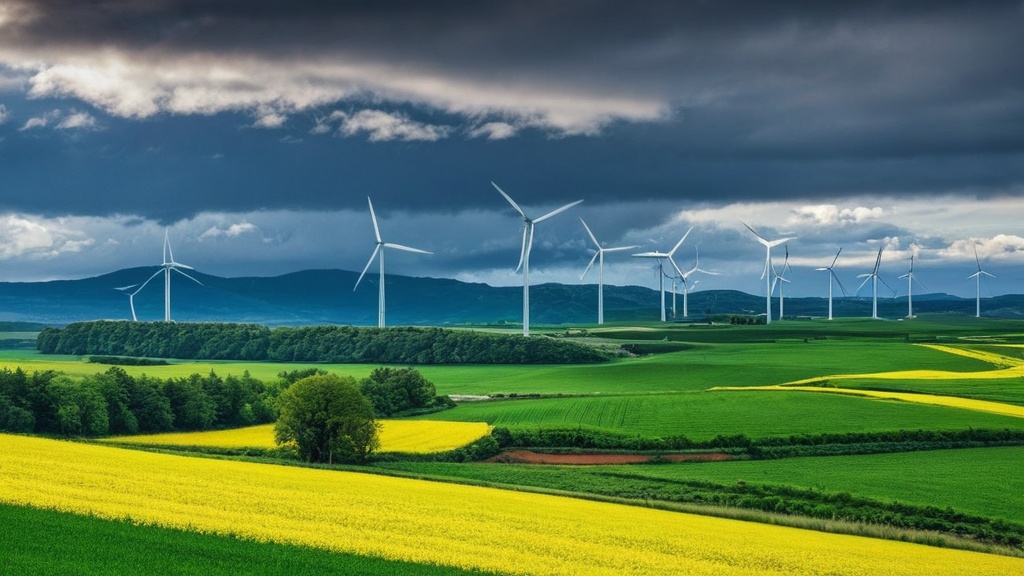
Accurate forecasting is essential for the effective management of renewable energy resources, particularly those that are inherently variable, such as solar and wind power. AI has revolutionized the way we approach forecasting by utilizing advanced algorithms that analyze historical data, weather patterns, and other relevant variables to predict energy generation with remarkable accuracy. This capability enables grid operators to make informed decisions about energy dispatch and storage, ensuring that supply meets demand even during periods of fluctuating generation.
Furthermore, AI-driven forecasting models can adapt to changing conditions in real-time, allowing for dynamic adjustments to energy production strategies. For example, machine learning algorithms can continuously learn from new data inputs, refining their predictions as they go.
This adaptability is crucial in an era where climate change is leading to increasingly unpredictable weather patterns.
By improving forecasting accuracy, AI not only enhances grid reliability but also supports the integration of higher shares of renewable energy into the overall energy mix.
AI’s Contribution to Smart Grid Management
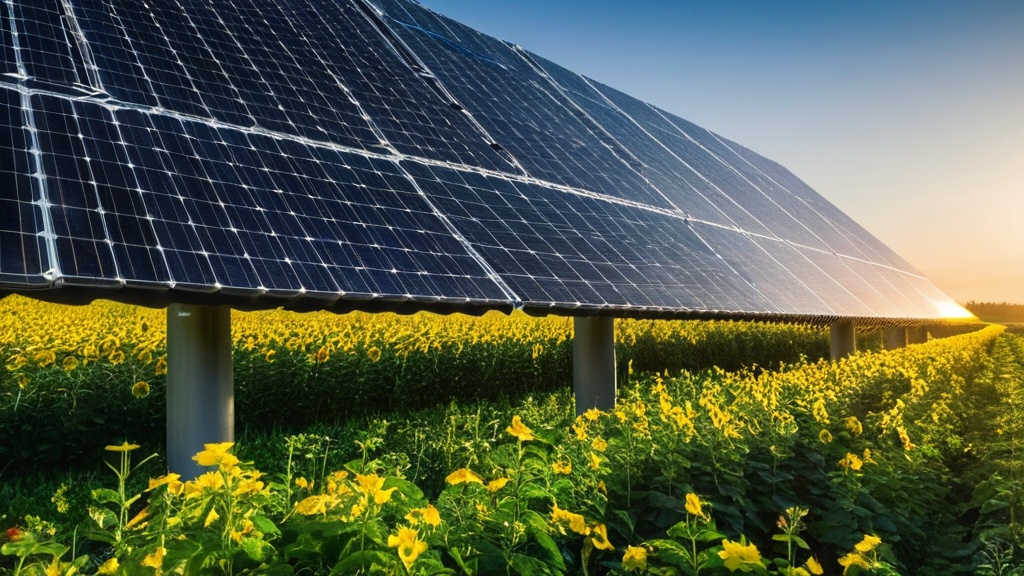
The advent of smart grids represents a significant leap forward in the management of energy systems, and AI is at the heart of this transformation. Smart grids leverage digital technology to monitor and manage electricity flows more efficiently than traditional grids. AI enhances this capability by providing real-time analytics that enable grid operators to optimize energy distribution and respond swiftly to fluctuations in supply and demand.
One of the key benefits of integrating AI into smart grid management is its ability to facilitate demand response programs. By analyzing consumption patterns and predicting peak demand periods, AI can help utilities incentivize consumers to reduce their energy usage during high-demand times. This not only alleviates stress on the grid but also promotes more sustainable consumption habits among users. Additionally, AI can enhance grid resilience by identifying potential vulnerabilities and enabling proactive measures to mitigate risks associated with outages or equipment failures.
As the world increasingly turns to sustainable energy solutions, the intersection of artificial intelligence and renewable energy is becoming a focal point for innovation. A recent article explores how AI can enhance the efficiency of renewable energy systems, optimizing everything from energy storage to grid management. For those interested in understanding the broader implications of AI in business, this guide on mastering business agility provides valuable insights into how organizations can adapt to rapidly changing environments, including the renewable energy sector.
AI’s Role in Enhancing Renewable Energy Production
| Metric | Value | Unit | Description |
|---|---|---|---|
| AI-Optimized Energy Yield | 15 | % | Increase in renewable energy output using AI predictive analytics |
| Forecast Accuracy | 92 | % | Accuracy of AI models in predicting solar and wind energy generation |
| Maintenance Cost Reduction | 20 | % | Reduction in operational costs due to AI-driven predictive maintenance |
| Energy Storage Efficiency Improvement | 10 | % | Increase in battery storage efficiency through AI optimization |
| Carbon Emission Reduction | 30 | % | Decrease in CO2 emissions by integrating AI with renewable energy systems |
| AI Adoption Rate in Renewable Sector | 35 | % | Percentage of renewable energy companies using AI technologies |
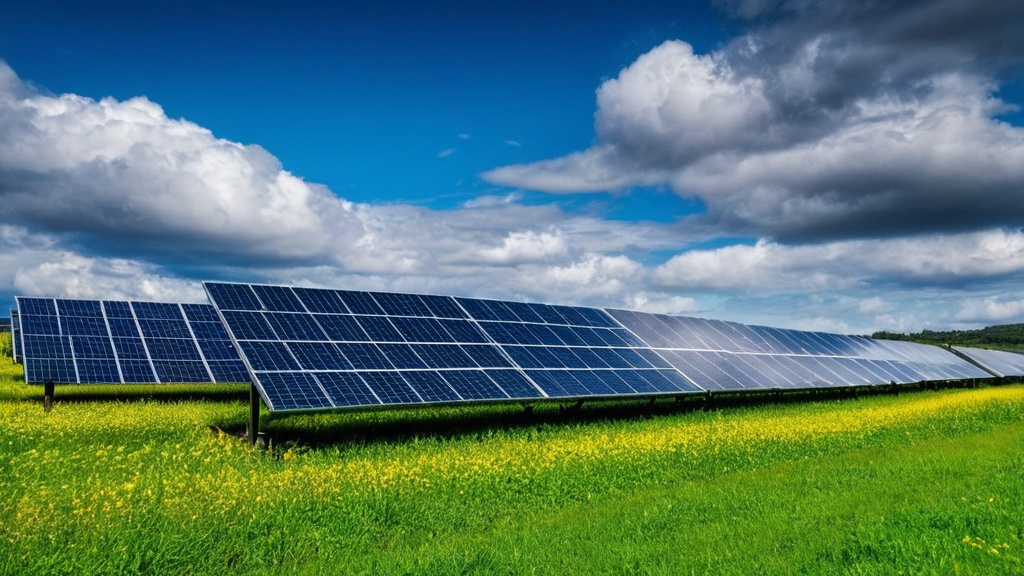
AI’s influence extends beyond operational efficiencies; it also plays a crucial role in enhancing renewable energy production itself. For instance, in solar energy generation, AI algorithms can optimize the positioning of solar panels based on real-time weather data and historical performance metrics. This optimization ensures that solar installations operate at peak efficiency, maximizing energy output throughout the day.
In wind energy production, AI can analyze wind patterns and turbine performance data to optimize turbine placement and operation. By leveraging machine learning techniques, operators can predict when turbines are likely to experience higher wind speeds and adjust their settings accordingly. This proactive approach not only increases energy production but also extends the lifespan of wind turbines by minimizing wear and tear through optimized operation.
As the world increasingly turns to sustainable energy solutions, the intersection of artificial intelligence and renewable resources is becoming a focal point for innovation. A recent article discusses how AI can enhance leadership development in the renewable sector, emphasizing the importance of coaching strategies for executives navigating this transformative landscape. For more insights on this topic, you can read the article here: leadership development coaching strategies. This integration of technology and sustainability not only fosters growth but also ensures that leaders are equipped to drive meaningful change in their organizations.
AI’s Influence on Energy Storage and Distribution
Energy storage is a critical component of a reliable renewable energy system, as it allows for the balancing of supply and demand. AI plays a vital role in optimizing energy storage solutions by predicting when to store excess energy generated from renewable sources and when to release it back into the grid. By analyzing historical usage patterns and real-time data, AI algorithms can make informed decisions about charging and discharging batteries or other storage systems.
Moreover, AI can enhance the distribution of stored energy by optimizing routing and load balancing across the grid. This ensures that stored energy is delivered efficiently to where it is needed most, reducing transmission losses and improving overall system reliability. As the demand for renewable energy continues to grow, the integration of AI into energy storage and distribution systems will be essential for maximizing the benefits of these technologies.
AI’s Contribution to Predictive Maintenance in Renewable Energy
Predictive maintenance is an area where AI has made significant strides in the renewable energy sector. By utilizing machine learning algorithms to analyze data from sensors embedded in equipment such as wind turbines or solar panels, operators can identify potential issues before they escalate into costly failures. This proactive approach not only minimizes downtime but also reduces maintenance costs associated with unplanned repairs.
The ability to predict equipment failures allows organizations to schedule maintenance activities during non-peak hours or when production levels are lower, thereby minimizing disruptions to energy generation. Additionally, predictive maintenance enhances safety by reducing the likelihood of accidents caused by equipment malfunctions. As renewable energy technologies continue to evolve, the role of AI in predictive maintenance will become increasingly critical in ensuring their reliability and efficiency.
AI’s Role in Optimizing Renewable Energy Integration
The integration of renewable energy sources into existing power systems presents unique challenges due to their intermittent nature. AI offers innovative solutions for optimizing this integration by providing real-time analytics that help grid operators manage fluctuations in supply and demand effectively. By leveraging advanced algorithms that analyze data from multiple sources, including weather forecasts and consumption patterns, AI can facilitate smoother transitions between different energy sources.
Furthermore, AI can support the development of hybrid systems that combine multiple renewable sources with traditional generation methods. By optimizing the operation of these hybrid systems based on real-time data inputs, operators can ensure a stable and reliable power supply while maximizing the use of clean energy resources. The ability to seamlessly integrate renewables into existing grids is essential for achieving ambitious climate goals and transitioning toward a more sustainable energy future.
AI’s Impact on Cost Reduction in Renewable Energy
One of the most compelling arguments for adopting AI in renewable energy is its potential for cost reduction across various facets of the industry. By improving operational efficiencies, enhancing forecasting accuracy, and optimizing maintenance strategies, organizations can significantly lower their overall costs while increasing productivity. For instance, predictive maintenance powered by AI reduces unplanned downtime and extends equipment lifespans, leading to substantial savings over time.
Additionally, AI-driven optimization techniques can help organizations identify cost-effective strategies for energy production and distribution. By analyzing market trends and consumer behavior, AI can inform pricing strategies that maximize revenue while ensuring affordability for consumers. As competition within the renewable energy sector intensifies, leveraging AI for cost reduction will be crucial for organizations seeking to maintain their competitive edge.
AI’s Influence on Renewable Energy Policy and Regulation
As the renewable energy landscape evolves, so too must the policies and regulations governing it. AI has the potential to inform policy decisions by providing data-driven insights into the effectiveness of various initiatives aimed at promoting clean energy adoption. Policymakers can leverage AI analytics to assess the impact of incentives or regulations on renewable energy deployment, enabling them to make informed adjustments that foster growth within the sector.
Moreover, AI can enhance transparency within renewable energy markets by providing stakeholders with access to real-time data on production levels, pricing trends, and environmental impacts. This transparency fosters trust among consumers and investors alike while encouraging responsible practices within the industry. As governments worldwide strive to meet ambitious climate targets, integrating AI into policy development will be essential for creating effective frameworks that support sustainable growth.
The Future of AI in Revolutionizing Renewable Energy
The future of renewable energy is intrinsically linked to advancements in artificial intelligence. As we continue to face pressing environmental challenges and strive for a sustainable future, harnessing the power of AI will be paramount in revolutionizing how we produce, distribute, and consume energy. From improving operational efficiencies to enhancing forecasting accuracy and optimizing integration strategies, AI offers a myriad of solutions that can drive meaningful change within the renewable energy sector.
As organizations increasingly recognize the value of integrating AI into their operations, we can expect to see continued innovation and growth within this field. The collaboration between technology developers, policymakers, and industry stakeholders will be crucial in shaping a future where renewable energy thrives alongside intelligent systems that optimize its potential. Embracing this transformative journey will not only lead us toward a more sustainable world but also create new opportunities for economic growth and resilience in an ever-evolving landscape.
FAQs
What is AI renewable energy?
AI renewable energy refers to the use of artificial intelligence technologies to optimize the generation, distribution, and consumption of renewable energy sources such as solar, wind, and hydro power.
How does AI improve renewable energy efficiency?
AI improves renewable energy efficiency by analyzing large datasets to predict energy production, optimize grid management, enhance maintenance schedules, and improve energy storage solutions, leading to reduced costs and increased reliability.
What are common applications of AI in renewable energy?
Common applications include predictive maintenance of wind turbines, solar panel performance optimization, energy demand forecasting, smart grid management, and automated energy trading systems.
Can AI help reduce the environmental impact of energy production?
Yes, AI helps reduce environmental impact by maximizing the use of clean energy, minimizing waste, improving energy storage, and enabling smarter energy consumption patterns, which collectively lower greenhouse gas emissions.
Are there any challenges in integrating AI with renewable energy systems?
Challenges include data privacy concerns, the need for high-quality data, integration with existing infrastructure, high initial costs, and ensuring AI models are transparent and reliable for critical energy operations.


















Leave a Reply