






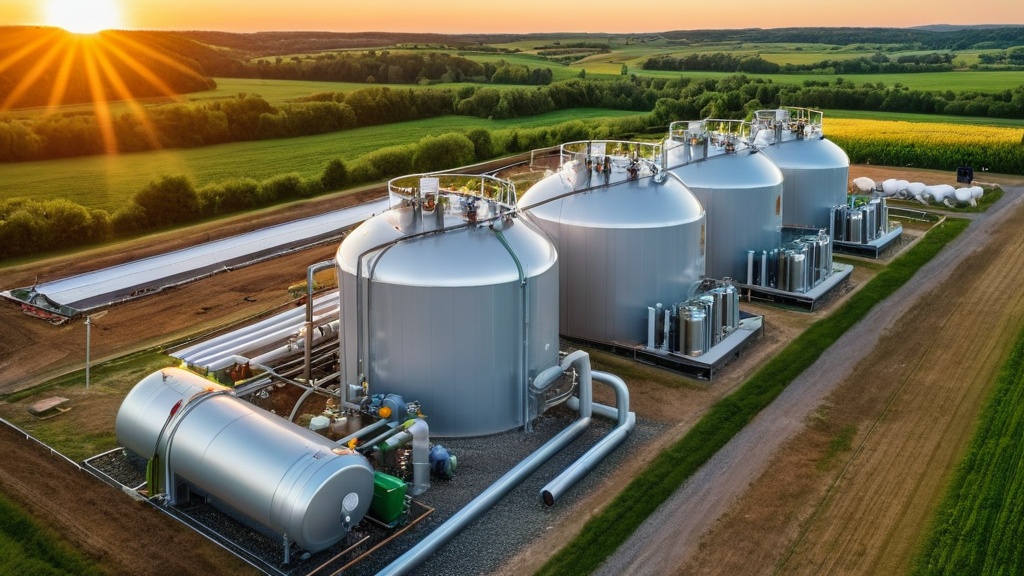
Renewable Natural Gas (RNG), often referred to as biomethane, is a sustainable energy source derived from organic materials. Unlike conventional natural gas, which is extracted from fossil fuels, RNG is produced through the anaerobic digestion of organic waste, such as agricultural residues, food scraps, and wastewater. This process not only captures methane emissions that would otherwise escape into the atmosphere but also transforms waste into a valuable energy resource. As the world grapples with the dual challenges of climate change and waste management, RNG emerges as a promising solution that aligns with both environmental sustainability and energy needs.
The production of RNG involves several stages, including the collection of feedstock, anaerobic digestion, purification, and injection into existing natural gas pipelines. This versatility allows RNG to be utilized in various applications, from heating and electricity generation to transportation fuel. As a renewable energy source, RNG can significantly contribute to reducing reliance on fossil fuels while providing a reliable and consistent energy supply. Understanding the intricacies of RNG production and its potential applications is crucial for stakeholders looking to invest in or implement renewable energy solutions.
Renewable natural gas (RNG) is gaining traction as a sustainable energy source, and its potential impact on reducing greenhouse gas emissions is significant. For those interested in exploring the latest developments in this field, a related article can be found at here. This article discusses innovative technologies and strategies that are shaping the future of energy, including the role of RNG in achieving a cleaner environment.
Key Takeaways
- Renewable Natural Gas (RNG) is a sustainable energy source produced from organic waste materials.
- RNG offers significant environmental benefits by reducing greenhouse gas emissions and supporting waste management.
- The production and use of RNG present strong economic opportunities, including job creation and energy cost savings.
- RNG plays a crucial role in decarbonizing transportation and advancing the circular economy.
- Policy support and investment are essential to overcome challenges and fully realize the potential of RNG.
The Environmental Benefits of Renewable Natural Gas
The environmental advantages of Renewable Natural Gas are manifold. First and foremost, RNG plays a critical role in reducing greenhouse gas emissions. By capturing methane—a potent greenhouse gas that is over 25 times more effective at trapping heat in the atmosphere than carbon dioxide—RNG production mitigates the impact of organic waste decomposition.
When organic materials decompose anaerobically, they release methane into the atmosphere; however, by harnessing this process for energy production, we can significantly lower overall emissions.
Moreover, RNG contributes to improved air quality. Traditional fossil fuel combustion releases a variety of pollutants, including nitrogen oxides and particulate matter, which can have detrimental effects on human health and the environment. In contrast, RNG combustion produces fewer harmful emissions, making it a cleaner alternative for energy generation. Additionally, by diverting organic waste from landfills, RNG production helps reduce landfill methane emissions, further enhancing its environmental benefits. The transition to RNG not only addresses waste management issues but also promotes a cleaner and healthier environment for future generations.
The Economic Potential of Renewable Natural Gas
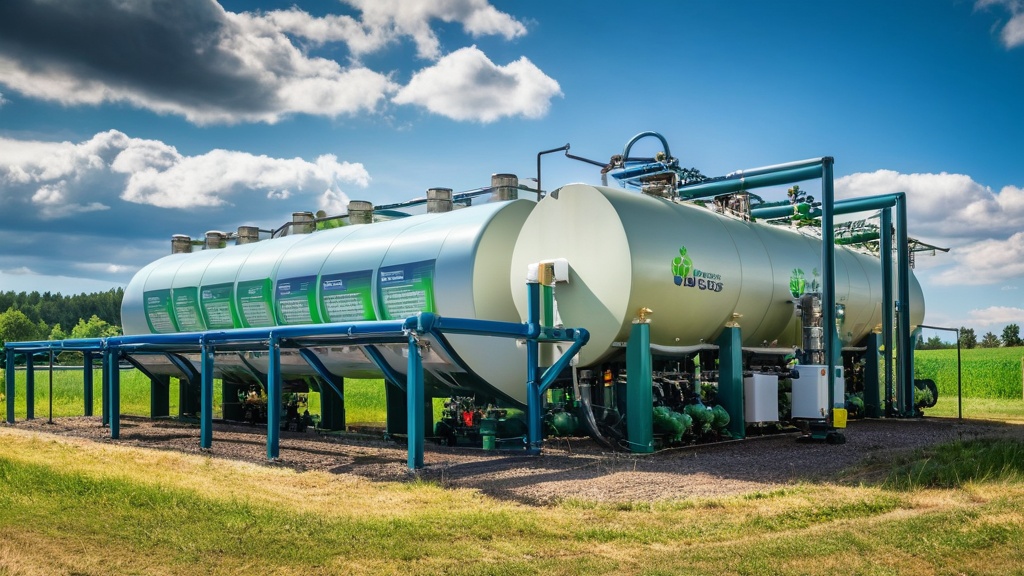
The economic potential of Renewable Natural Gas is substantial, offering numerous opportunities for job creation and investment. As the demand for clean energy sources continues to rise, the RNG sector is poised for significant growth. According to industry estimates, the RNG market could reach billions of dollars in value over the next decade, driven by increasing regulatory support and consumer demand for sustainable energy solutions. This growth presents an opportunity for businesses to invest in RNG projects that can yield long-term financial returns while contributing to environmental sustainability.
Furthermore, the development of RNG infrastructure can stimulate local economies by creating jobs in various sectors, including agriculture, engineering, and construction. The establishment of anaerobic digestion facilities and purification plants requires skilled labor and can lead to the creation of new employment opportunities in rural areas where agricultural waste is abundant. By investing in RNG projects, communities can not only enhance their energy independence but also foster economic resilience through job creation and sustainable practices.
How Renewable Natural Gas is Produced
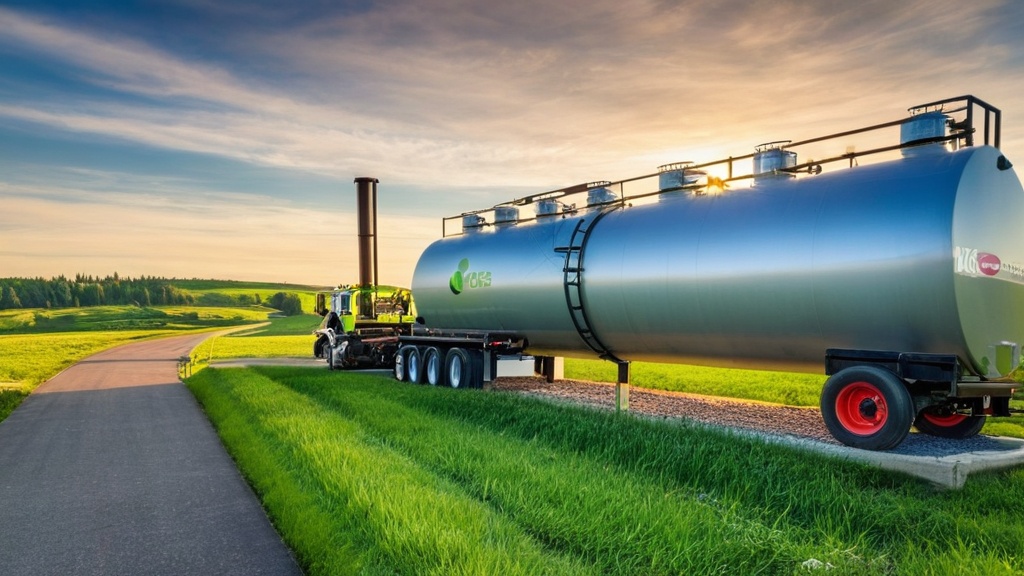
The production of Renewable Natural Gas involves a series of well-defined processes that convert organic materials into usable energy. The first step is the collection of feedstock, which can include agricultural residues, food waste, manure, and other biodegradable materials. Once collected, these materials are subjected to anaerobic digestion—a biological process where microorganisms break down organic matter in the absence of oxygen. This process generates biogas, primarily composed of methane and carbon dioxide.
After biogas production, the next step is purification to remove impurities such as carbon dioxide, hydrogen sulfide, and moisture. This purification process ensures that the resulting RNG meets the quality standards required for injection into natural gas pipelines or for use as vehicle fuel. Once purified, RNG can be transported through existing natural gas infrastructure or utilized on-site for heating or electricity generation. The entire production process not only generates renewable energy but also contributes to effective waste management by repurposing organic materials that would otherwise contribute to landfill waste.
Renewable natural gas (RNG) is gaining traction as a sustainable energy solution, and its potential impact on reducing greenhouse gas emissions is significant. A recent article explores the intersection of artificial intelligence and ethical considerations in energy transformation, shedding light on how innovative technologies can enhance the efficiency of RNG production. For more insights on this topic, you can read the article here: impact on OpenAI and AI ethics. This connection highlights the importance of integrating advanced technologies in the renewable energy sector to drive positive environmental change.
The Role of Renewable Natural Gas in Reducing Greenhouse Gas Emissions
| Metric | Value | Unit | Description |
|---|---|---|---|
| Carbon Intensity | 20-50 | g CO2e/MJ | Carbon emissions per megajoule of RNG, significantly lower than fossil natural gas |
| Energy Content | 35-40 | MJ/m³ | Energy content of renewable natural gas per cubic meter |
| Typical Methane Content | 90-99 | % | Percentage of methane in RNG, indicating purity |
| Annual Production Capacity (US) | 3.5 | billion cubic feet | Estimated annual RNG production capacity in the United States |
| GHG Emission Reduction Potential | Up to 80 | % | Potential reduction in greenhouse gas emissions compared to fossil natural gas |
| Typical Sources | Landfills, Agricultural Waste, Wastewater Treatment | N/A | Common feedstocks for producing renewable natural gas |
Renewable Natural Gas plays a pivotal role in mitigating climate change by significantly reducing greenhouse gas emissions across various sectors. As mentioned earlier, RNG captures methane emissions from organic waste decomposition, preventing this potent greenhouse gas from entering the atmosphere. By utilizing RNG as a substitute for fossil fuels in heating and electricity generation, we can further decrease carbon emissions associated with traditional energy sources.
In addition to direct emissions reductions, RNG can also contribute to decarbonizing hard-to-abate sectors such as heavy-duty transportation and industrial processes. By providing a cleaner alternative to diesel and natural gas derived from fossil fuels, RNG can help industries transition towards more sustainable practices while maintaining operational efficiency. The widespread adoption of RNG not only supports national and global climate goals but also fosters a more sustainable energy landscape that prioritizes environmental stewardship.
The Future of Renewable Natural Gas
The future of Renewable Natural Gas appears promising as technological advancements and policy support continue to drive its growth. Innovations in anaerobic digestion technology and biogas purification processes are enhancing the efficiency and cost-effectiveness of RNG production. As these technologies mature, they will enable more facilities to produce RNG at scale, further integrating it into the energy mix.
Moreover, increasing public awareness of climate change and sustainability issues is driving demand for cleaner energy sources like RNG. Governments around the world are implementing policies that incentivize renewable energy production and consumption, creating a favorable regulatory environment for RNG development. As more stakeholders recognize the benefits of RNG—both environmentally and economically—the sector is likely to experience accelerated growth in the coming years.
Policy and Regulatory Considerations for Renewable Natural Gas
The successful deployment of Renewable Natural Gas hinges on supportive policies and regulatory frameworks that encourage investment and innovation in the sector. Policymakers play a crucial role in establishing incentives for RNG production and utilization through tax credits, grants, and renewable portfolio standards. These measures can help lower barriers to entry for new projects while promoting research and development in RNG technologies.
Additionally, regulatory frameworks must address issues related to interconnection with existing natural gas infrastructure and ensure that RNG meets safety and quality standards for distribution. Clear guidelines on how RNG can be integrated into existing energy systems will be essential for fostering collaboration between producers, utilities, and regulators. By creating an enabling environment for RNG development, policymakers can help unlock its full potential as a sustainable energy source.
Renewable Natural Gas in Transportation
Renewable Natural Gas has emerged as a viable alternative fuel for transportation, particularly in heavy-duty vehicles such as buses and trucks. As cities strive to reduce air pollution and greenhouse gas emissions from transportation sources, RNG offers a cleaner option that can significantly lower emissions compared to traditional diesel fuels. The use of RNG in transportation not only helps meet regulatory requirements but also enhances energy security by diversifying fuel sources.
Moreover, the infrastructure for utilizing RNG in transportation is already in place in many regions where natural gas fueling stations exist. This existing infrastructure allows for a smoother transition to renewable fuels without requiring extensive new investments in fueling networks. As more fleets adopt RNG as a fuel source, we can expect to see increased demand for this renewable energy option within the transportation sector.
The Challenges and Opportunities of Renewable Natural Gas
While Renewable Natural Gas presents numerous opportunities for sustainable energy production and economic growth, it also faces several challenges that must be addressed to realize its full potential. One significant challenge is the need for substantial investment in infrastructure development to support RNG production facilities and distribution networks. Securing funding for these projects can be difficult due to competition with other renewable energy technologies.
Additionally, public perception and awareness of RNG remain critical factors influencing its adoption. Many consumers may not fully understand the benefits of RNG or may have misconceptions about its environmental impact compared to traditional natural gas sources. Education campaigns aimed at raising awareness about the advantages of RNG can help overcome these barriers and foster greater acceptance among stakeholders.
The Role of Renewable Natural Gas in the Circular Economy
Renewable Natural Gas plays an integral role in advancing the principles of a circular economy by promoting resource efficiency and waste reduction. In a circular economy model, materials are kept in use for as long as possible through recycling and repurposing efforts. By converting organic waste into renewable energy through anaerobic digestion processes, RNG exemplifies how waste can be transformed into valuable resources rather than being discarded.
This approach not only reduces landfill waste but also contributes to sustainable agricultural practices by providing farmers with nutrient-rich digestate as a byproduct of RNG production. By integrating RNG into circular economy initiatives, communities can create closed-loop systems that minimize environmental impact while maximizing resource utilization.
Investing in Renewable Natural Gas: Opportunities and Considerations
Investing in Renewable Natural Gas offers numerous opportunities for stakeholders looking to capitalize on the growing demand for clean energy solutions. As governments implement supportive policies and consumers increasingly seek sustainable alternatives, the market for RNG is expected to expand significantly over the coming years. Investors should consider various factors when evaluating opportunities within this sector, including technological advancements, regulatory frameworks, and market dynamics.
However, potential investors must also be aware of the challenges associated with RNG projects, such as securing financing for infrastructure development and navigating complex regulatory environments. Conducting thorough due diligence and engaging with industry experts can help mitigate risks while maximizing returns on investment in this promising sector. By strategically positioning themselves within the growing RNG market, investors can contribute to a more sustainable future while reaping financial rewards from their investments.
FAQs
What is renewable natural gas (RNG)?
Renewable natural gas (RNG) is a type of biogas that is processed to meet the quality standards of conventional natural gas. It is produced from organic waste materials such as agricultural waste, landfills, wastewater treatment plants, and food waste, making it a sustainable and renewable energy source.
How is renewable natural gas produced?
RNG is produced through the anaerobic digestion or gasification of organic materials. During anaerobic digestion, microorganisms break down organic matter in the absence of oxygen, producing biogas primarily composed of methane and carbon dioxide. This biogas is then purified to remove impurities and carbon dioxide, resulting in RNG that can be injected into natural gas pipelines or used as vehicle fuel.
What are the environmental benefits of renewable natural gas?
RNG helps reduce greenhouse gas emissions by capturing methane that would otherwise be released into the atmosphere from decomposing organic waste. Using RNG as a fuel can lower carbon emissions compared to fossil natural gas, contributing to climate change mitigation. Additionally, it supports waste management and reduces reliance on fossil fuels.
Can renewable natural gas be used in existing natural gas infrastructure?
Yes, once purified to pipeline quality, RNG can be injected into existing natural gas pipelines and used interchangeably with conventional natural gas. It can also be used as a fuel for natural gas vehicles and in power generation, making it a versatile energy source compatible with current infrastructure.
What are the challenges associated with renewable natural gas?
Challenges include the high cost of production and upgrading biogas to RNG standards, limited availability of feedstock in some regions, and the need for infrastructure investments. Additionally, scaling up RNG production to meet significant energy demands requires overcoming technical and economic barriers.


















Leave a Reply