




Executive Business Coaching: Strategic Guidance for Business Leaders
Defining the Scope of Executive Business Coaching
Executive business coaching is best suited for leaders in high-stakes environments where the pressure to perform is constant. This includes C-suite executives, senior managers, and those navigating significant organizational changes. These individuals require a tailored approach that focuses on strategic decision-making, leadership presence, and effective communication.
However, one limitation is the potential misalignment between coaching goals and organizational objectives. If the coaching does not directly support the company’s strategic vision, it can lead to wasted resources and a lack of measurable impact. It’s crucial that coaching engagements are not seen as isolated initiatives but as integral parts of broader business strategies.
For example, consider a tech startup facing rapid growth. The CEO engages an executive business coach to refine their leadership style and improve team dynamics. Through targeted sessions focused on emotional intelligence and conflict resolution, the CEO learns to foster a culture of collaboration, which directly enhances productivity and innovation within their teams.
A common pitfall teams encounter is overestimating the immediate benefits of executive coaching. Many assume that a few sessions will yield transformative results without recognizing that real change requires time and sustained effort. Effective coaching is not about quick fixes; it’s about building long-term capabilities that align with personal growth and organizational success.
Effective executive business coaching requires alignment with organizational goals to ensure tangible outcomes.
Tailoring Coaching Strategies to Individual Leadership Styles
Executive business coaching excels when it aligns closely with individual leadership styles. This tailored approach is particularly effective for senior leaders who need to develop their unique strengths while addressing specific challenges within their organizations. By customizing coaching strategies, coaches can help leaders leverage their inherent styles to drive team engagement and organizational success.
Assessing leadership styles for personalized coaching approaches
Identifying a leader’s style—be it transformational, transactional, or servant leadership—allows coaches to craft interventions that resonate. For instance, a leader who thrives on collaborative decision-making may benefit from coaching focused on enhancing emotional intelligence and conflict resolution skills. However, one limitation of this approach is the potential for overemphasis on individual traits at the expense of broader organizational objectives. Leaders might become too engrossed in personal development, neglecting the need for alignment with team dynamics and company culture.
Aligning coaching techniques with organizational culture and goals
Coaching techniques should reflect not only the individual’s style but also the organization’s culture and strategic direction. A tech firm prioritizing innovation might require its leaders to adopt risk-taking behaviors; hence, a coach could focus on fostering creativity and resilience in their sessions. On the other hand, in a more traditional corporate environment, the emphasis might be placed on structured decision-making and communication skills. Misjudging this alignment can lead to ineffective coaching outcomes where leaders feel unsupported or disconnected from their teams.
Utilizing feedback mechanisms to refine coaching processes
Integrating regular feedback loops into coaching engagements is crucial for continuous improvement. This mechanism allows coaches to adjust strategies based on real-time inputs from both the leader and their team members. For instance, after initial sessions focusing on executive presence training, feedback can reveal how well changes are perceived by peers and subordinates. A common mistake here is assuming that initial positive feedback signifies complete success; ongoing adjustments are essential as leadership challenges evolve.
Tailored executive business coaching maximizes effectiveness when aligned with both individual styles and organizational goals.
Integrating AI Insights into Executive Coaching Practices
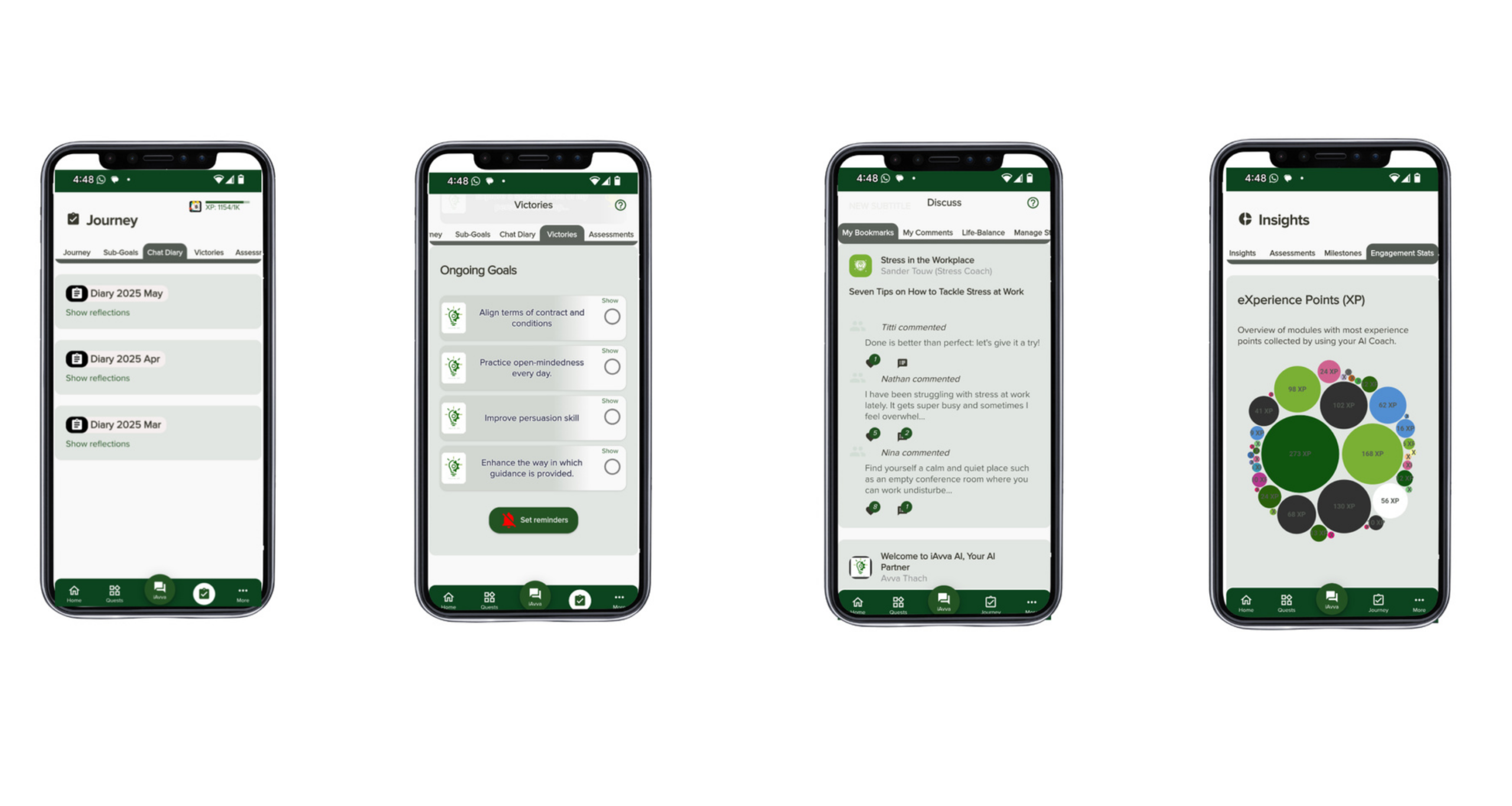
AI integration in executive business coaching is best for organizations aiming to enhance leadership effectiveness through data-driven insights. This approach fits particularly well within tech-savvy companies or those undergoing digital transformation where leaders need to adapt rapidly to changing environments.
However, a significant limitation is the potential over-reliance on AI tools, which can lead to a superficial understanding of complex human dynamics. Leaders may focus too much on data outputs without considering the nuanced interpersonal skills necessary for effective management and team cohesion.
For example, a financial services firm uses AI analytics to track employee engagement metrics and identify leadership gaps. The insights gleaned from these analytics inform targeted coaching sessions aimed at improving executive communication skills and emotional intelligence. As a result, leaders can address specific team challenges more effectively while fostering a culture of openness.
A common misconception is that AI can replace the human element of coaching. Organizations often overestimate the capabilities of AI in providing personal insights, neglecting that effective coaching relies heavily on trust and emotional connection between the coach and the executive. While AI can provide valuable data, it should complement rather than substitute traditional coaching methods.
AI should enhance, not replace, the human aspect of executive business coaching.
Measuring the Impact of Executive Business Coaching on Organizational Performance
Executive business coaching can significantly enhance organizational performance, particularly for companies focused on leadership development and team effectiveness. This coaching approach is best for organizations that are committed to cultivating a high-performance culture through targeted leadership interventions.
However, a common limitation is the difficulty in quantifying coaching outcomes. Many organizations struggle to establish clear metrics that accurately reflect the impact of coaching on performance. Without these key performance indicators (KPIs), it’s challenging to gauge whether coaching investments yield tangible benefits.
Establishing key performance indicators (KPIs) for coaching success
To effectively measure the impact of executive business coaching, organizations must define specific KPIs aligned with their strategic goals. For instance, a company might track employee engagement scores, turnover rates, or productivity metrics before and after coaching engagements. This approach allows businesses to link leadership development initiatives directly to measurable outcomes.
Case studies demonstrating measurable improvements in team dynamics and productivity
Consider a manufacturing firm that implemented executive business coaching for its senior managers. By focusing on communication skills and conflict resolution, the company observed a marked improvement in team collaboration, which directly contributed to a 20% increase in project delivery speed over six months. These types of case studies illustrate how targeted coaching can lead to substantial productivity gains.
Long-term benefits of sustained executive coaching initiatives
The long-term benefits of consistent executive business coaching extend beyond immediate performance metrics. Organizations often report enhanced leadership effectiveness and improved organizational culture over time. For example, leaders who undergo sustained coaching typically develop stronger emotional intelligence and decision-making capabilities, fostering resilience within their teams.
– A significant misjudgment many organizations make is underestimating the time required to see meaningful results from executive business coaching. Teams often expect quick fixes and overlook the fact that true transformation takes sustained effort and commitment.
Effective measurement of executive business coaching outcomes hinges on establishing clear KPIs that align with organizational goals.
Navigating Challenges in Executive Coaching Engagements
Executive business coaching engagements can falter if leaders and organizations do not recognize the inherent challenges. These coaching relationships are best for organizations willing to invest time and resources into developing their leaders. However, they often face common barriers that can undermine effectiveness.
Identifying common barriers to effective coaching relationships
One significant barrier is the lack of alignment between the expectations of leaders and the objectives of the coaching program. When executives enter coaching with vague or conflicting goals, it creates confusion about outcomes. For instance, an executive may prioritize personal development while the organization seeks improved team performance. This misalignment can lead to frustration on both sides, diminishing the perceived value of coaching.
Strategies for overcoming resistance from leaders or organizations
Overcoming resistance requires a proactive approach. One effective strategy is engaging stakeholders early in the process to clarify goals and demonstrate how coaching aligns with organizational objectives. For example, a senior management team at a healthcare organization might collaboratively define desired outcomes before initiating coaching sessions, ensuring everyone is on the same page. By doing so, they foster ownership and buy-in from all parties involved.
The importance of fostering a culture of continuous feedback and adaptation
Another critical aspect is establishing a culture that values feedback throughout the coaching engagement. Regular check-ins allow coaches and executives to adjust strategies based on real-time insights rather than waiting until formal evaluations. This iterative approach helps address issues as they arise, preventing minor setbacks from evolving into major roadblocks.
Establishing clear communication channels is key to navigating challenges in executive business coaching engagements.
A frequent misjudgment among organizations is underestimating the role of cultural dynamics in coaching success. Leaders often assume that simply providing access to a coach will yield results without considering how deeply ingrained behaviors or company politics can complicate interactions.
The Future of Executive Business Coaching in a Digital World
The landscape of executive business coaching is evolving rapidly as digital tools and platforms gain traction. This shift is particularly beneficial for organizations seeking to enhance leadership development while keeping pace with technological advancements. Executive business coaching fits best when leaders are open to innovative methods that leverage digital resources for effective learning and engagement.
However, a notable limitation lies in the potential dilution of personal connection that can occur with remote coaching sessions. Virtual environments may hinder the depth of trust and rapport typically built in face-to-face interactions, which are critical for effective coaching outcomes. Organizations must recognize that while digital tools provide accessibility, they cannot wholly replicate the nuances of in-person communication.
For example, a mid-sized technology firm implements a hybrid coaching model where executives participate in both virtual workshops and in-person retreats. This approach allows leaders to engage with coaching content flexibly while still benefiting from direct interactions during retreat sessions. By combining these methods, the firm enhances its leadership development initiatives while addressing varying preferences among its executives.
Balancing digital accessibility with the need for personal connection is essential for successful executive business coaching.
A common misconception is that digital platforms alone can drive the same transformative results as traditional coaching methods. Many teams overestimate the effectiveness of online resources without acknowledging that true growth often requires sustained effort and personal engagement. Leaders may mistakenly believe that simply accessing online modules will suffice without committing to deeper learning processes or personal reflection.
Trends shaping the evolution of executive coaching practices post-COVID-19
Post-COVID-19, there’s been a distinct shift toward flexibility in executive coaching practices. Leaders now expect their coaches to adapt to their schedules and preferred modes of communication, whether that’s through video calls or asynchronous messaging on dedicated platforms. This trend aligns with broader workplace changes where remote work has become more prevalent.
- Increased reliance on virtual tools for real-time feedback and progress tracking.
- Greater emphasis on emotional intelligence training through online modules.
- Emergence of peer-coaching networks leveraging social media platforms.
The role of remote coaching sessions and digital platforms in accessibility and reach
Remote coaching sessions have democratized access to high-quality executive business coaching, allowing organizations regardless of size to benefit from expert insights. However, this accessibility must be balanced with intentionality; simply offering these services digitally does not guarantee engagement or effectiveness.
Ethical Considerations in Executive Business Coaching Relationships
Executive business coaching fundamentally relies on trust and confidentiality. This is particularly crucial for leaders who are often navigating sensitive organizational challenges or personal development issues. Maintaining confidentiality ensures that executives can speak freely without fear of repercussions, which ultimately leads to a more productive coaching relationship.
However, one limitation arises when the boundaries of confidentiality are not clearly defined. Coaches must be transparent about what information can be shared and under what circumstances. Misunderstandings in this area can lead to a breakdown in trust, making it difficult for the executive to engage fully with the coaching process.
Addressing power dynamics between coach and client effectively
The inherent power dynamics in coaching relationships can complicate interactions. Coaches often hold significant influence over their clients’ perceptions of their own abilities, which can create imbalances. This dynamic is most pronounced when executives feel pressured to conform to a coach’s style or expectations rather than exploring their own leadership identity.
A practical approach is for coaches to actively encourage self-reflection and authenticity throughout the sessions. For example, an executive might initially strive to impress their coach by adopting a more traditional leadership style, only to later realize that their strength lies in a more collaborative approach. Here, the coach’s role is to facilitate this exploration without imposing their biases.
Establishing boundaries to ensure professional integrity
Professional integrity encompasses both ethical standards and personal accountability within the coaching relationship. It requires that coaches set clear boundaries regarding their roles and responsibilities while also respecting the executive’s autonomy. This clarity helps prevent potential conflicts of interest.
‘For instance, a business mentor who transitions into an executive coach must navigate these boundaries carefully. They should avoid blurring lines between mentorship and coaching by refraining from offering solutions based solely on past experiences; instead, they should focus on empowering the client to arrive at their own conclusions.
Coaching relationships thrive on trust built through effective communication about boundaries and ethical considerations.















Leave a Reply