






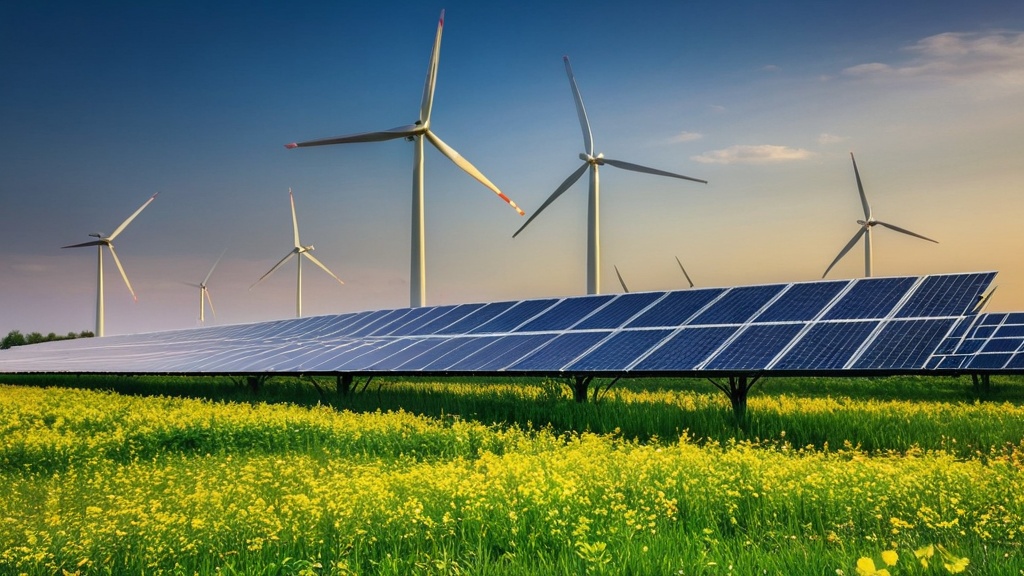
In an era marked by climate change and environmental degradation, the significance of renewable energy has never been more pronounced. As fossil fuel reserves dwindle and their extraction becomes increasingly detrimental to the planet, the transition to renewable energy sources emerges as a critical necessity. Renewable energy, derived from natural processes that are replenished constantly, offers a sustainable alternative to traditional energy sources. This shift not only addresses the urgent need for cleaner energy but also promotes energy security and economic stability.
By harnessing the power of the sun, wind, and water, societies can reduce their carbon footprint and mitigate the adverse effects of climate change.
Moreover, the adoption of renewable energy technologies can stimulate economic growth and job creation. The renewable energy sector has proven to be a significant source of employment, with millions of jobs created globally in manufacturing, installation, and maintenance. As governments and private entities invest in renewable infrastructure, they not only contribute to a greener future but also bolster local economies. The importance of renewable energy extends beyond environmental benefits; it encompasses social and economic dimensions that are vital for sustainable development.
Renewable energy sources are becoming increasingly vital in our quest for sustainable solutions to combat climate change. One interesting article that delves into the transformative potential of technology in various sectors is available at Unveiling the Power of Machine Learning in Coaching: Transforming User Experiences. This piece highlights how advancements in machine learning can enhance user experiences, which parallels the innovations occurring within the renewable energy sector as we leverage technology to optimize energy production and consumption.
Key Takeaways
- Renewable energy sources like solar, wind, and hydroelectricity are crucial for sustainable power and reducing environmental impact.
- Solar energy converts sunlight into electricity using photovoltaic cells, offering clean energy but with limitations like weather dependence.
- Wind energy harnesses wind through turbines, providing a renewable power source with benefits and challenges such as site suitability and intermittency.
- Hydroelectric power generates electricity from flowing water, offering reliable energy but potentially impacting ecosystems.
- Each renewable source has unique advantages and drawbacks, and the future of renewable energy depends on overcoming technical, environmental, and economic challenges.
Harnessing Solar Energy: How It Works
Solar energy is one of the most abundant and accessible forms of renewable energy available today. It harnesses sunlight through photovoltaic (PV) cells, which convert sunlight directly into electricity. When sunlight strikes these cells, it excites electrons, creating an electric current that can be captured and used to power homes, businesses, and even electric vehicles. This process is not only efficient but also scalable, allowing for solar installations ranging from small residential systems to large utility-scale solar farms.
In addition to photovoltaic systems, solar thermal technology captures sunlight to produce heat, which can be used for residential heating or to generate electricity through steam turbines. This dual capability enhances the versatility of solar energy, making it suitable for various applications. As technology advances, innovations such as concentrated solar power (CSP) systems are emerging, which use mirrors or lenses to focus sunlight onto a small area to generate high temperatures for electricity production. This multifaceted approach to harnessing solar energy underscores its potential as a cornerstone of a sustainable energy future.
The Advantages and Disadvantages of Solar Energy
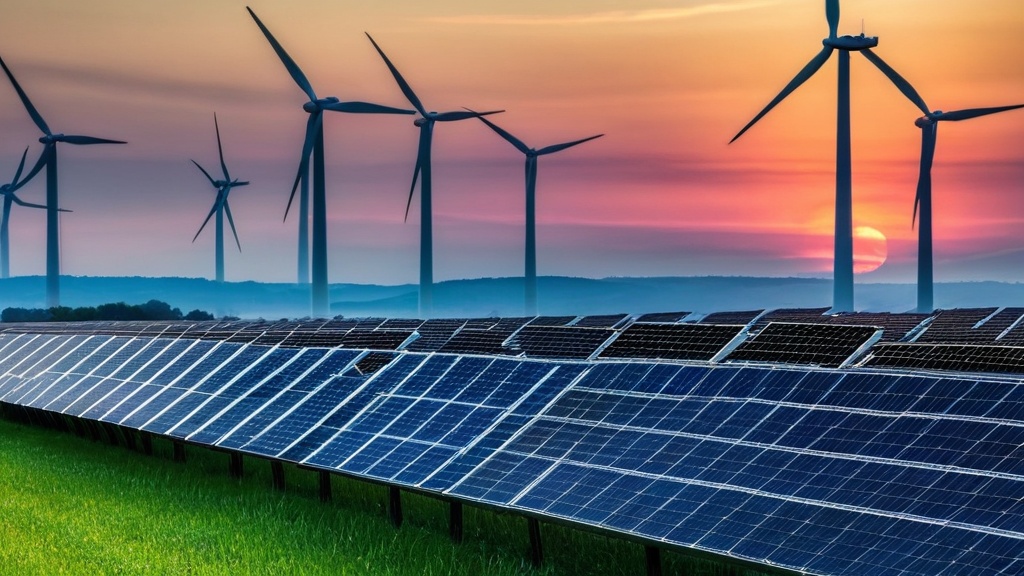
The advantages of solar energy are manifold. Firstly, it is a clean and renewable resource that significantly reduces greenhouse gas emissions compared to fossil fuels. By utilizing solar power, individuals and businesses can contribute to a reduction in air pollution and combat climate change. Additionally, solar energy systems can lead to substantial cost savings on electricity bills over time, as they reduce reliance on grid power and can even allow for energy independence.
However, solar energy is not without its challenges. One of the primary disadvantages is its intermittent nature; solar power generation is dependent on sunlight availability, which can fluctuate due to weather conditions and time of day. This intermittency necessitates the development of effective energy storage solutions or complementary systems to ensure a reliable power supply. Furthermore, the initial investment for solar panel installation can be significant, although costs have been decreasing steadily over the years. Addressing these challenges is crucial for maximizing the potential of solar energy in the global energy landscape.
The Potential of Wind Energy
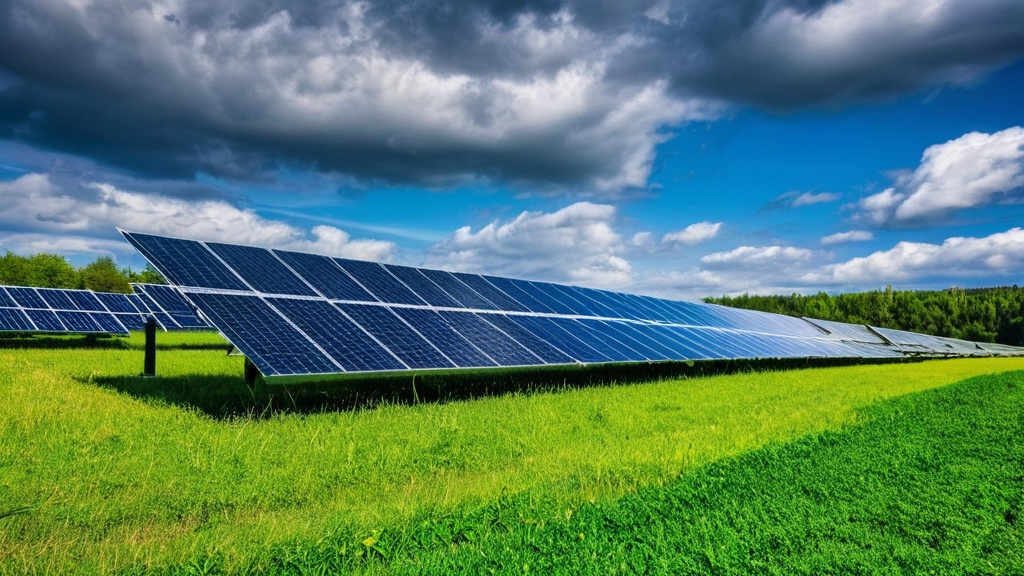
Wind energy represents another promising avenue in the quest for sustainable power generation. Utilizing the kinetic energy produced by wind, turbines convert this natural force into electricity. Wind farms can be established onshore or offshore, taking advantage of areas with consistent wind patterns to maximize energy output. As technology advances, wind turbines have become more efficient and capable of generating electricity even at lower wind speeds, further enhancing their viability as a renewable energy source.
The potential for wind energy is vast; according to various studies, wind could supply a significant portion of global electricity needs if harnessed effectively. Countries like Denmark and Germany have already made substantial investments in wind infrastructure, demonstrating that large-scale wind energy production is not only feasible but also economically advantageous. As nations strive to meet their climate goals and reduce reliance on fossil fuels, wind energy stands out as a key player in the transition toward a sustainable future.
Renewable energy sources are becoming increasingly vital in our quest for sustainable solutions to combat climate change. From solar and wind power to hydroelectric and geothermal energy, each type offers unique advantages and challenges. For a deeper understanding of how innovative technologies can enhance the efficiency of these energy sources, you may find this article on leveraging AI coaching particularly insightful. It explores how artificial intelligence can optimize energy management and improve the overall effectiveness of renewable energy systems.
Understanding Wind Turbines and Their Function
| Type of Renewable Energy | Energy Source | Average Efficiency (%) | Typical Capacity Range (MW) | Common Applications |
|---|---|---|---|---|
| Solar Energy | Sunlight | 15-22 | 0.001 – 1000 | Residential, Commercial, Utility-scale power plants |
| Wind Energy | Wind | 35-45 | 0.1 – 300 | Onshore and offshore wind farms |
| Hydropower | Flowing Water | 35-45 | 1 – 10,000+ | Large dams, small hydro plants |
| Biomass Energy | Organic Material | 20-25 | 1 – 100 | Electricity generation, heating, biofuels |
| Geothermal Energy | Earth’s Heat | 10-20 | 1 – 100 | Electricity generation, direct heating |
| Tidal Energy | Ocean Tides | 20-30 | 1 – 250 | Coastal power generation |
| Wave Energy | Ocean Waves | 15-25 | 0.1 – 50 | Coastal power generation |
Wind turbines are marvels of engineering designed to capture wind energy efficiently. A typical turbine consists of several key components: blades that catch the wind, a rotor that converts the wind’s kinetic energy into rotational energy, and a generator that transforms this mechanical energy into electrical energy.
The height and design of turbines are optimized to maximize exposure to wind currents, allowing them to generate electricity even in less-than-ideal conditions.
The operation of wind turbines is governed by principles of aerodynamics; as wind flows over the blades, it creates lift that turns the rotor. Modern turbines are equipped with advanced technology that allows them to adjust their orientation based on wind direction and speed, ensuring optimal performance at all times. This adaptability is crucial for maximizing energy output and minimizing wear on the equipment. Understanding how wind turbines function is essential for appreciating their role in the broader context of renewable energy generation.
Renewable energy sources are becoming increasingly vital in the fight against climate change, and understanding their various types can help us make informed decisions about our energy consumption. For a deeper insight into the different forms of renewable energy, you can explore this informative article that discusses solar, wind, and hydroelectric power. By learning about these alternatives, we can better appreciate their potential impact on our environment and economy. To read more, visit this article.
The Benefits and Limitations of Wind Energy
Wind energy offers numerous benefits that make it an attractive option for sustainable power generation. One of its most significant advantages is its low environmental impact; once installed, wind turbines produce no emissions during operation, contributing to cleaner air and reduced greenhouse gas emissions. Additionally, wind farms can coexist with agricultural land or other land uses, allowing for dual-purpose utilization that benefits local economies.
However, there are limitations associated with wind energy that must be acknowledged. The variability of wind patterns means that energy production can be inconsistent; periods of low wind can lead to reduced electricity generation. This intermittency poses challenges for grid stability and necessitates backup systems or storage solutions to ensure a reliable power supply. Furthermore, concerns about noise pollution and impacts on wildlife have led to opposition against certain wind projects. Addressing these limitations through technological advancements and careful planning will be essential for maximizing the potential of wind energy.
The Power of Hydroelectricity
Hydroelectricity is one of the oldest and most established forms of renewable energy generation. By harnessing the gravitational force of flowing water, hydroelectric power plants convert kinetic energy into electricity through turbines. This method has proven to be highly efficient and reliable, providing a significant portion of the world’s electricity supply. Hydroelectricity not only contributes to reducing greenhouse gas emissions but also plays a crucial role in stabilizing electrical grids due to its ability to provide consistent baseload power.
The potential for hydroelectricity is immense; many rivers around the world offer opportunities for new hydroelectric projects that can generate clean energy while supporting local economies through job creation and infrastructure development. Additionally, hydroelectric plants can provide ancillary benefits such as flood control and irrigation support for agriculture. As nations seek to diversify their energy portfolios and reduce carbon emissions, hydroelectricity remains a vital component of the renewable energy landscape.
Exploring the Mechanics of Hydroelectric Power Plants
Hydroelectric power plants operate on relatively straightforward principles but involve complex engineering systems designed to maximize efficiency. Water is typically stored in reservoirs created by dams; when released, it flows through turbines that convert its kinetic energy into mechanical energy. This mechanical energy is then transformed into electrical energy by generators connected to the turbines.
The design of hydroelectric plants varies depending on factors such as water flow rates and environmental considerations. Run-of-the-river systems utilize natural river flows without significant storage capacity, while reservoir-based systems allow for greater control over water release and electricity generation. Modern hydroelectric facilities often incorporate advanced technologies such as fish ladders and environmental monitoring systems to minimize ecological impacts while maximizing power output.
The Environmental Impact of Hydroelectricity
While hydroelectricity is often touted as a clean source of energy, it is essential to consider its environmental impact comprehensively. The construction of dams can disrupt local ecosystems, alter water flow patterns, and affect fish populations by blocking migration routes. These ecological consequences necessitate careful planning and consideration during project development to mitigate adverse effects on wildlife habitats.
Additionally, changes in water levels can impact surrounding communities that rely on rivers for drinking water or agriculture. Balancing the need for renewable energy with environmental stewardship requires collaboration among stakeholders, including government agencies, environmental organizations, and local communities. By adopting best practices in project design and operation, hydroelectricity can continue to provide clean energy while minimizing its ecological footprint.
Comparing the Three Renewable Energy Sources
When evaluating renewable energy sources such as solar, wind, and hydroelectricity, it becomes clear that each has unique advantages and challenges that contribute to their overall effectiveness in addressing global energy needs. Solar energy shines in its accessibility and scalability; it can be deployed at various scales from residential rooftops to large solar farms. Wind energy excels in efficiency and cost-effectiveness at scale but faces challenges related to intermittency and land use concerns.
Hydroelectricity stands out for its reliability and ability to provide baseload power but must navigate environmental considerations associated with dam construction and water management. Each renewable source plays a vital role in diversifying the global energy mix; understanding their strengths and weaknesses allows policymakers and stakeholders to make informed decisions about investments in renewable infrastructure.
The Future of Renewable Energy: Challenges and Opportunities
The future of renewable energy holds immense promise but also presents significant challenges that must be addressed proactively. As technology continues to advance, innovations in storage solutions will be crucial for overcoming intermittency issues associated with solar and wind power generation. Additionally, integrating renewable sources into existing electrical grids will require substantial investment in infrastructure upgrades and smart grid technologies.
Opportunities abound as governments worldwide commit to ambitious climate goals and seek sustainable solutions for their energy needs. Public awareness about climate change has spurred demand for cleaner alternatives, driving investment in research and development within the renewable sector. By fostering collaboration among governments, businesses, and communities, we can unlock the full potential of renewable energy sources while ensuring a sustainable future for generations to come.
In conclusion, embracing renewable energy is not merely an option; it is an imperative for a sustainable future. By harnessing solar, wind, and hydroelectric power effectively while addressing their respective challenges, we can pave the way toward a cleaner planet with reduced reliance on fossil fuels. The journey toward a sustainable energy future requires collective action from all sectors of society—governments must lead with policy frameworks that support innovation while individuals must embrace changes in consumption patterns that prioritize sustainability over convenience. Together we can create an environment where renewable energies thrive—ensuring both ecological balance and economic prosperity for years ahead.
FAQs
What are the main types of renewable energy?
The main types of renewable energy include solar energy, wind energy, hydropower, biomass energy, and geothermal energy. Each type harnesses natural processes to generate electricity or heat without depleting resources.
How does solar energy work?
Solar energy is captured using photovoltaic cells that convert sunlight directly into electricity. It can also be harnessed through solar thermal systems that use sunlight to heat water or air for residential or industrial use.
What is the difference between wind energy and hydropower?
Wind energy uses wind turbines to convert the kinetic energy of wind into electricity, while hydropower generates electricity by using the flow of water, typically from rivers or dams, to spin turbines.
Is biomass energy considered renewable?
Yes, biomass energy is renewable because it is produced from organic materials such as plant matter and animal waste. When managed sustainably, biomass can be replenished and used as a continuous energy source.
What are the environmental benefits of using renewable energy?
Renewable energy sources produce little to no greenhouse gas emissions during operation, reduce dependence on fossil fuels, decrease air pollution, and help mitigate climate change by providing cleaner alternatives for energy production.


















Leave a Reply