





In recent years, the global conversation surrounding energy production has shifted dramatically towards renewable sources. As the world grapples with the pressing challenges of climate change, pollution, and the depletion of fossil fuels, renewable energy has emerged as a beacon of hope. This transition is not merely a trend; it represents a fundamental shift in how we think about energy generation and consumption. Renewable energy encompasses a variety of sources, including solar, wind, hydroelectric, biomass, and geothermal energy. Each of these sources offers unique advantages and plays a crucial role in creating a sustainable energy future.
The urgency for adopting renewable energy solutions is underscored by the increasing frequency of extreme weather events and the growing awareness of environmental degradation. Governments, businesses, and individuals are recognizing that a sustainable approach to energy is not only beneficial for the planet but also economically viable. By investing in renewable energy, we can reduce our carbon footprint, create jobs, and foster innovation. The transition to renewable energy is not just an environmental imperative; it is also an opportunity for economic growth and technological advancement.
In the realm of renewable energy, understanding the strategic integration of artificial intelligence can significantly enhance operational efficiency and decision-making processes.
A related article that delves into the importance of selecting the right AI strategy for your company is available at
By optimizing energy consumption, organizations can significantly reduce their overall energy demand, which in turn lowers costs and minimizes environmental impact.
Simple measures such as upgrading lighting systems to LED technology or improving insulation in buildings can yield substantial savings.
In addition to immediate cost benefits, energy efficiency measures often serve as a stepping stone towards adopting renewable energy solutions. By reducing overall energy consumption, organizations can better align their renewable energy investments with their actual needs. Furthermore, many governments offer incentives and rebates for implementing energy-efficient technologies, making it an attractive option for businesses looking to enhance their sustainability profile while also improving their bottom line.
Renewable energy is becoming increasingly important in our efforts to combat climate change and transition to a sustainable future. A recent article discusses how innovative technologies are reshaping the landscape of energy production and consumption. For those interested in the intersection of technology and renewable energy, this piece provides valuable insights into the advancements driving the sector forward. You can read more about it in this related article.
Investing in Solar Panel Systems
| Metric | Value | Unit | Year |
|---|---|---|---|
| Renewable Energy Capacity | 3000 | GW | 2023 |
| Global Renewable Energy Share | 29 | % of total energy consumption | 2023 |
| Annual Renewable Energy Investment | 500 | Billion | 2023 |
| Solar Energy Capacity | 1000 | GW | 2023 |
| Wind Energy Capacity | 1200 | GW | 2023 |
| Hydropower Capacity | 1100 | GW | 2023 |
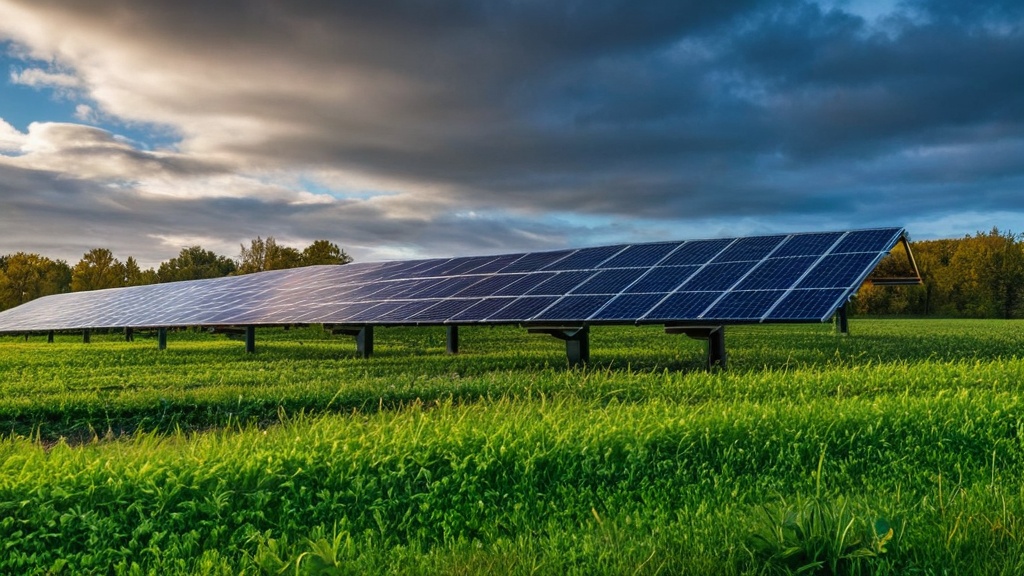
Solar panel systems have gained immense popularity as a primary source of renewable energy due to their versatility and decreasing costs. Investing in solar technology allows individuals and organizations to harness the sun’s abundant energy, converting it into electricity that can power homes, businesses, or even feed back into the grid. The scalability of solar installations—from small rooftop systems to large solar farms—makes it accessible for various applications.
Moreover, advancements in solar technology have led to increased efficiency and reduced installation costs over the years. With government incentives and financing options available, many organizations are finding it financially feasible to invest in solar panel systems. The long-term benefits include not only reduced electricity bills but also increased property value and enhanced corporate reputation as a leader in sustainability. As more entities adopt solar technology, the collective impact on reducing greenhouse gas emissions becomes increasingly significant.
In the ever-evolving landscape of renewable energy, companies are increasingly turning to innovative strategies to enhance their operational efficiency and sustainability. A recent article discusses how embracing agile methodologies and artificial intelligence can significantly accelerate value creation in various industries, including renewable energy. For more insights on this transformative approach, you can read the article here: embracing agile and AI for value acceleration. This intersection of technology and energy not only promises to optimize processes but also to drive the transition towards a more sustainable future.
Harnessing Wind Power
Wind power is another formidable player in the renewable energy landscape. Wind turbines convert kinetic energy from wind into electricity, providing a clean and sustainable source of power. The potential for wind energy generation is vast; regions with consistent wind patterns can harness this resource effectively. Offshore wind farms are also gaining traction due to their ability to capture stronger winds over open waters.
Investing in wind power not only contributes to reducing reliance on fossil fuels but also creates job opportunities in manufacturing, installation, and maintenance of wind turbines. As technology continues to advance, wind turbines are becoming more efficient and capable of generating electricity even at lower wind speeds. This evolution makes wind power an increasingly viable option for both large-scale utility projects and smaller community-based initiatives.
Utilizing Biomass Energy
Biomass energy is derived from organic materials such as plant matter, agricultural residues, and even municipal waste. This form of renewable energy offers a dual benefit: it provides a sustainable source of power while simultaneously addressing waste management challenges. By converting biomass into biofuels or biogas through processes like anaerobic digestion or combustion, we can generate electricity or heat while reducing landfill waste.
The versatility of biomass makes it an attractive option for various sectors, including agriculture and forestry. Farmers can utilize crop residues or animal waste to produce energy on-site, reducing their dependence on external fuel sources while also generating additional income streams. Furthermore, biomass systems can be integrated with existing infrastructure, making them a practical choice for communities looking to transition towards more sustainable practices without significant overhauls.
Exploring Hydroelectric Power Options
Hydroelectric power has long been recognized as one of the most reliable forms of renewable energy generation. By harnessing the flow of water through dams or run-of-river systems, hydroelectric plants can produce substantial amounts of electricity with minimal environmental impact compared to fossil fuels. The predictability of water flow makes hydroelectric power a stable source of energy that can complement other intermittent sources like solar and wind.
However, while hydroelectric power offers numerous benefits, it is essential to consider its environmental implications carefully. Large-scale dams can disrupt local ecosystems and displace communities; therefore, exploring smaller-scale hydroelectric options or run-of-river systems may provide a more sustainable solution without compromising ecological integrity. By engaging with local stakeholders and conducting thorough environmental assessments, organizations can develop hydroelectric projects that balance energy needs with environmental stewardship.
Integrating Geothermal Energy Solutions
Geothermal energy taps into the Earth’s internal heat to generate electricity or provide direct heating solutions. This form of renewable energy is particularly advantageous in regions with high geothermal activity, such as volcanic areas or tectonic plate boundaries. Geothermal power plants can operate continuously, providing a stable source of baseload power that complements other renewable sources.
The integration of geothermal solutions into existing energy systems requires careful planning and investment but offers significant long-term benefits. Geothermal systems can be used for district heating or cooling applications in urban areas, providing efficient temperature regulation while reducing reliance on fossil fuels. As technology advances and exploration techniques improve, geothermal energy has the potential to become an increasingly important player in the global transition towards sustainable energy.
Incorporating Energy Storage Technologies
As we embrace renewable energy sources like solar and wind that are inherently variable, incorporating energy storage technologies becomes crucial for ensuring reliability and stability in our power systems. Energy storage solutions—such as batteries—allow excess electricity generated during peak production times to be stored for later use when demand is high or production is low. This capability enhances grid resilience and enables a smoother integration of renewables into existing infrastructure.
Investing in advanced storage technologies not only supports the growth of renewable energy but also opens up new business opportunities within the sector. As battery technology continues to evolve—becoming more efficient and cost-effective—organizations can explore innovative applications such as electric vehicle charging stations powered by stored renewable energy or community microgrids that enhance local resilience against outages.
Monitoring and Reporting Renewable Energy Generation
To ensure the effectiveness of renewable energy initiatives, monitoring and reporting mechanisms must be established. Accurate tracking of renewable energy generation allows organizations to assess performance against set goals while identifying areas for improvement. Advanced monitoring technologies enable real-time data collection on energy production levels, system efficiency, and overall performance metrics.
Furthermore, transparent reporting on renewable energy generation fosters accountability and builds trust among stakeholders—ranging from investors to consumers—who are increasingly demanding transparency regarding sustainability efforts. By sharing progress reports on renewable initiatives, organizations can demonstrate their commitment to environmental stewardship while inspiring others to follow suit in the transition towards a more sustainable future.
In conclusion, embracing renewable energy is not just an option; it is an imperative for a sustainable future. By understanding the various aspects—from Renewable Energy Certificates to diverse generation sources—we can create a comprehensive strategy that maximizes our potential while minimizing our environmental impact. Through collaboration between governments, businesses, and communities, we can pave the way towards a cleaner, greener world powered by renewable resources.
FAQs
What is renewable energy?
Renewable energy is energy derived from natural sources that are replenished constantly, such as sunlight, wind, rain, tides, waves, and geothermal heat.
What are the main types of renewable energy?
The main types of renewable energy include solar power, wind power, hydropower, biomass energy, and geothermal energy.
How does renewable energy benefit the environment?
Renewable energy reduces greenhouse gas emissions, decreases air pollution, conserves natural resources, and helps combat climate change by providing cleaner alternatives to fossil fuels.
Is renewable energy cost-effective compared to traditional energy sources?
Yes, the cost of renewable energy technologies has decreased significantly over the years, making them increasingly competitive with or even cheaper than traditional fossil fuel-based energy sources in many regions.
Can renewable energy provide a reliable power supply?
While some renewable energy sources like solar and wind are intermittent, advances in energy storage, grid management, and diversified energy portfolios help ensure a reliable and stable power supply.


















%20help%20track%20and%20verify%20renewable%20energy%20generation.</li>%0A<li>Various%20renewable%20sources%20include%20solar,%20wind,%20biomass,%20hydroelectric,%20and%20geothermal%20energy.</li>%0A<li>Energy%20efficiency%20measures%20complement%20renewable%20energy%20investments%20to%20reduce%20overall%20consumption.</li>%0A<li>Energy%20storage%20technologies%20are%20essential%20for%20managing%20intermittent%20renewable%20energy%20supply.</li>%0A<li>Continuous%20monitoring%20and%20reporting%20ensure%20transparency%20and%20optimize%20renewable%20energy%20use.</li>%0A</ul>%0A<p></p>%0A<h2>%20Understanding%20Renewable%20Energy%20Certificates%20(RECs)</h2>%0A<p>Renewable%20Energy%20Certificates%20(RECs)%20are%20a%20vital%20component%20in%20the%20promotion%20and%20tracking%20of%20renewable%20energy%20generation.%20Each%20REC%20represents%20proof%20that%20one%20megawatt-hour%20(MWh)%20of%20electricity%20was%20generated%20from%20a%20renewable%20energy%20source.%20These%20certificates%20serve%20as%20a%20market-based%20mechanism%20that%20allows%20businesses%20and%20individuals%20to%20support%20renewable%20energy%20initiatives%20even%20if%20they%20cannot%20directly%20produce%20their%20own%20renewable%20energy.%20By%20purchasing%20RECs,%20consumers%20can%20claim%20to%20be%20using%20renewable%20energy,%20thereby%20contributing%20to%20the%20overall%20demand%20for%20clean%20energy.</p>%0A<p>The%20significance%20of%20RECs%20extends%20beyond%20mere%20certification;%20they%20play%20a%20crucial%20role%20in%20regulatory%20compliance%20and%20corporate%20sustainability%20goals.%20Many%20companies%20are%20now%20setting%20ambitious%20targets%20for%20reducing%20their%20carbon%20emissions,%20and%20purchasing%20RECs%20is%20one%20way%20to%20demonstrate%20commitment%20to%20these%20goals.%20Furthermore,%20RECs%20can%20be%20traded%20in%20various%20markets,%20creating%20an%20economic%20incentive%20for%20renewable%20energy%20producers.%20This%20trading%20system%20encourages%20investment%20in%20new%20renewable%20projects,%20ultimately%20leading%20to%20increased%20capacity%20and%20innovation%20in%20the%20sector.</p>%0A<h2>%20Identifying%20Potential%20Sources%20for%20Renewable%20Energy%20Generation</h2>%0A<p><img%20decoding=%22async%22%20src=%22https://iavva.ai/wp-content/uploads/2026/01/abcdhe-22.jpg%22%20id=%223%22%20alt=%22rec%20energy%22%20style=%22max-width:100%;display:block;margin-left:auto;margin-right:auto;width:90%;%22></p>%0A<p>Identifying%20potential%20sources%20for%20renewable%20energy%20generation%20is%20essential%20for%20any%20organization%20or%20community%20looking%20to%20transition%20to%20sustainable%20practices.%20The%20first%20step%20in%20this%20process%20involves%20assessing%20local%20resources%20and%20environmental%20conditions.%20For%20instance,%20regions%20with%20abundant%20sunlight%20are%20prime%20candidates%20for%20solar%20energy%20installations,%20while%20areas%20with%20consistent%20wind%20patterns%20may%20benefit%20from%20wind%20turbines.%20Understanding%20the%20geographical%20and%20climatic%20factors%20at%20play%20can%20significantly%20influence%20the%20choice%20of%20renewable%20energy%20sources.</p>%0A<p>Moreover,%20it%20is%20crucial%20to%20consider%20the%20existing%20infrastructure%20and%20technological%20capabilities%20when%20identifying%20potential%20sources.%20For%20example,%20communities%20near%20water%20bodies%20may%20explore%20hydroelectric%20power%20options,%20while%20agricultural%20regions%20could%20leverage%20biomass%20energy%20from%20organic%20waste.%20By%20conducting%20thorough%20assessments%20and%20engaging%20with%20local%20stakeholders,%20organizations%20can%20develop%20tailored%20strategies%20that%20maximize%20the%20potential%20of%20available%20resources.%20This%20localized%20approach%20not%20only%20enhances%20efficiency%20but%20also%20fosters%20community%20involvement%20and%20support%20for%20renewable%20initiatives.</p>%0A<h2>%20Implementing%20Energy%20Efficiency%20Measures</h2>%0A<p><img%20decoding=%22async%22%20src=%22https://iavva.ai/wp-content/uploads/2026/01/image-45.jpg%22%20alt=%22Photo%20rec%20energy%22%20id=%222%22%20style=%22max-width:100%;display:block;margin-left:auto;margin-right:auto;width:90%;%22></p>%0A<p>Before%20diving%20into%20renewable%20energy%20generation,%20it%20is%20essential%20to%20implement%20energy%20efficiency%20measures.%20Energy%20efficiency%20refers%20to%20using%20less%20energy%20to%20perform%20the%20same%20task%20or%20produce%20the%20same%20output.</p>%0A<blockquote%20style=)
Leave a Reply