






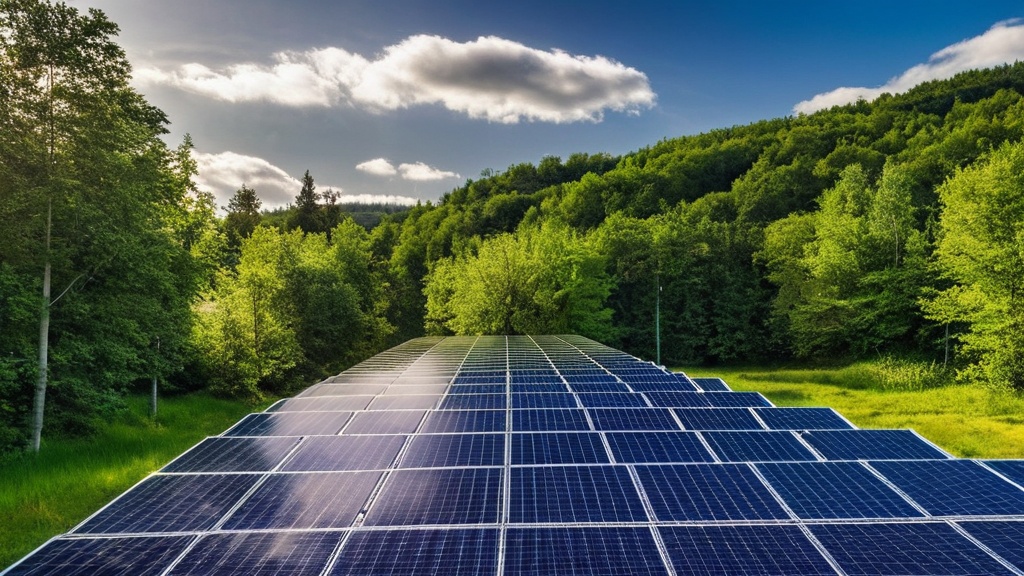
In an era marked by climate change and environmental degradation, the importance of embracing alternative energy sources cannot be overstated. Traditional fossil fuels, while historically the backbone of global energy production, are increasingly recognized as unsustainable due to their significant contributions to greenhouse gas emissions and air pollution. As the world grapples with the consequences of climate change, including extreme weather events and rising sea levels, the transition to alternative energy sources has become not just a choice but a necessity. This shift is essential for ensuring a sustainable future for generations to come, as it aligns with global efforts to reduce carbon footprints and mitigate environmental impacts.
Moreover, the urgency of this transition is underscored by the finite nature of fossil fuel reserves. As these resources dwindle, reliance on them becomes increasingly precarious, leading to volatile energy prices and geopolitical tensions. In contrast, alternative energy sources such as solar, wind, and geothermal are abundant and renewable, offering a more stable and secure energy future.
By investing in these technologies, nations can enhance their energy independence, reduce vulnerability to external shocks, and foster a more resilient economy.
The imperative to embrace alternative energy is not merely an environmental concern; it is a strategic move towards a sustainable and secure energy landscape.
Alternative energy sources are becoming increasingly vital in the fight against climate change, and recent developments in technology are playing a significant role in this transition. For instance, OpenAI’s massive data center rental deal with Oracle highlights the importance of efficient energy use in data processing and storage, which can be complemented by renewable energy solutions. To learn more about how such partnerships can influence the future of energy consumption in tech, you can read the article here: OpenAI’s Massive Data Center Rental Deal with Oracle.
Key Takeaways
- Alternative energy is crucial for sustainable and clean power generation.
- Solar, wind, geothermal, hydroelectric, and biomass are key renewable energy sources.
- Using alternative energy significantly reduces carbon emissions and environmental impact.
- Investing in alternative energy offers substantial economic benefits and job creation.
- Innovations and overcoming implementation challenges are vital for the future growth of alternative energy.
The Advantages of Alternative Energy Sources
The advantages of alternative energy sources extend far beyond their environmental benefits. One of the most compelling reasons to invest in these technologies is their potential for job creation. The renewable energy sector has proven to be a significant driver of employment, with jobs in solar and wind energy growing at a remarkable pace. According to various studies, the renewable energy industry has outpaced fossil fuel jobs in many regions, providing opportunities for skilled labor and contributing to local economies. This job growth is particularly vital in areas that have historically relied on fossil fuel industries, offering a pathway for workers to transition into new roles that support a sustainable future.
In addition to job creation, alternative energy sources often lead to lower long-term energy costs. While the initial investment in renewable technologies can be substantial, the operational costs are typically much lower than those associated with fossil fuels. For instance, once solar panels are installed, the cost of generating electricity from sunlight is minimal compared to the ongoing expenses of extracting and transporting oil or coal. Furthermore, as technology advances and economies of scale are realized, the costs associated with renewable energy continue to decline. This trend not only makes alternative energy more accessible but also positions it as a financially viable option for consumers and businesses alike.
Solar Power: Harnessing the Energy of the Sun
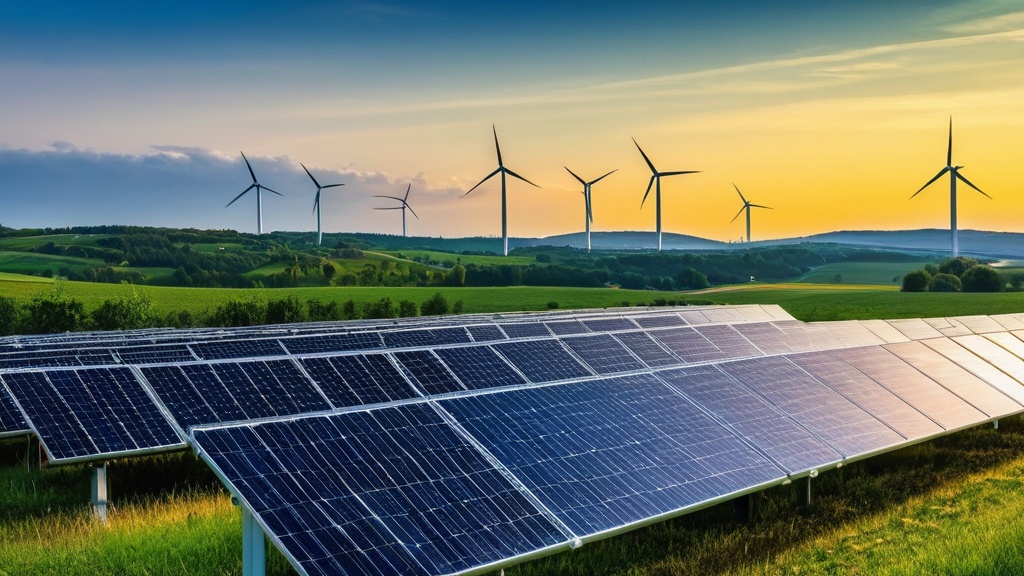
Solar power stands out as one of the most promising alternative energy sources available today. By harnessing the sun’s abundant energy through photovoltaic cells or solar thermal systems, we can generate electricity and heat with minimal environmental impact. The technology has advanced significantly over the past few decades, leading to increased efficiency and reduced costs. Solar panels can now be installed on rooftops, in solar farms, or integrated into building materials, making them versatile solutions for various applications. This adaptability allows for widespread adoption across urban and rural settings alike.
The benefits of solar power extend beyond its environmental advantages; it also offers significant economic opportunities. As more individuals and businesses invest in solar technology, they can reduce their reliance on traditional energy sources and lower their utility bills. Additionally, many governments offer incentives such as tax credits or rebates to encourage solar adoption, further enhancing its appeal. The decentralized nature of solar power generation also empowers communities by allowing them to produce their own energy, fostering energy independence and resilience against market fluctuations.
Wind Power: Tapping into the Power of the Wind

Wind power is another key player in the alternative energy landscape, utilizing the kinetic energy generated by wind to produce electricity. Wind turbines have become a common sight in many regions around the world, from sprawling wind farms in rural areas to offshore installations harnessing powerful sea breezes. The technology behind wind power has evolved rapidly, resulting in larger and more efficient turbines that can generate significant amounts of electricity with minimal environmental impact.
The advantages of wind power are manifold. It is one of the cleanest forms of energy generation available today, producing no emissions during operation. Furthermore, wind power has a relatively low land footprint compared to other forms of energy production, allowing for coexistence with agricultural activities or natural habitats. Economically, wind power has become increasingly competitive with fossil fuels; in many regions, it is now one of the cheapest sources of electricity available. As countries strive to meet renewable energy targets and reduce carbon emissions, wind power will undoubtedly play a crucial role in shaping a sustainable energy future.
As the world increasingly shifts towards sustainable solutions, exploring the advancements in alternative energy has become essential. A recent article discusses how AI technologies are transforming corporate training and leadership, which can also play a significant role in promoting renewable energy initiatives. For more insights on this topic, you can read the article here: Nvidia’s $1.5B AI Chip Deal. This intersection of technology and sustainability highlights the potential for innovative approaches to energy challenges.
Geothermal Energy: Utilizing the Earth’s Heat
| Alternative Energy Source | Global Capacity (GW) | Annual Growth Rate (%) | Average Efficiency (%) | Carbon Emissions (g CO2/kWh) | Primary Use |
|---|---|---|---|---|---|
| Solar Power | 950 | 20 | 15-22 | 48 | Electricity Generation |
| Wind Power | 830 | 15 | 35-45 | 11 | Electricity Generation |
| Hydropower | 1300 | 3 | 35-45 | 24 | Electricity Generation |
| Biomass | 130 | 5 | 20-25 | 230 | Heat and Electricity |
| Geothermal | 15 | 4 | 10-20 | 45 | Electricity and Heating |
| Ocean Energy | 0.5 | 10 | 20-25 | 0 | Electricity Generation |
Geothermal energy represents a unique approach to harnessing natural resources by tapping into the Earth’s internal heat. This form of energy generation involves extracting steam or hot water from underground reservoirs to drive turbines that produce electricity or provide direct heating for residential and industrial applications. Geothermal systems are particularly advantageous because they offer a consistent and reliable source of energy that is not subject to the fluctuations seen in solar or wind power.
The potential for geothermal energy is vast, especially in regions with significant tectonic activity or volcanic activity where heat is readily accessible. Countries like Iceland and parts of the United States have successfully implemented geothermal systems that provide a substantial portion of their energy needs. Beyond its reliability, geothermal energy also boasts a low carbon footprint; it emits significantly fewer greenhouse gases compared to fossil fuel-based power generation. As technology continues to advance and exploration techniques improve, geothermal energy could become an even more integral part of our global energy mix.
Hydroelectric Power: Harnessing the Power of Water
Hydroelectric power has long been one of the most established forms of renewable energy generation. By harnessing the kinetic energy of flowing water—typically from rivers or dams—hydroelectric plants convert this natural resource into electricity. This method not only provides a reliable source of power but also offers significant storage capabilities through pumped storage systems that can help balance supply and demand.
The advantages of hydroelectric power are numerous; it is one of the most efficient forms of electricity generation available today, with conversion efficiencies often exceeding 90%. Additionally, hydroelectric plants can provide ancillary services such as flood control and irrigation support for agriculture. However, it is essential to consider the environmental impacts associated with large-scale hydroelectric projects, including habitat disruption and changes in water quality. As we move forward, finding ways to optimize hydroelectric systems while minimizing ecological consequences will be crucial for sustainable development.
Biomass Energy: Turning Organic Matter into Power
Biomass energy represents an innovative approach to generating power by converting organic materials—such as agricultural residues, wood chips, or even municipal waste—into usable energy. This process can take various forms, including combustion for heat generation or conversion into biofuels for transportation. Biomass offers a unique advantage: it utilizes materials that would otherwise contribute to waste accumulation while providing a renewable source of energy.
The versatility of biomass makes it an attractive option for many regions around the world. It can be produced locally, reducing transportation costs and enhancing energy security for communities. Furthermore, biomass can contribute to carbon neutrality; as plants grow, they absorb carbon dioxide from the atmosphere, which can offset emissions produced during combustion. However, careful management is necessary to ensure that biomass production does not lead to deforestation or competition with food crops. By adopting sustainable practices in biomass cultivation and processing, we can harness its potential while safeguarding our ecosystems.
The Role of Alternative Energy in Reducing Carbon Emissions
The transition to alternative energy sources plays a pivotal role in reducing carbon emissions on a global scale. As countries strive to meet international climate agreements such as the Paris Accord, shifting away from fossil fuels towards renewables is essential for achieving meaningful reductions in greenhouse gas emissions. By replacing coal-fired power plants with solar farms or wind turbines, we can significantly decrease our carbon footprint while simultaneously promoting cleaner air quality.
Moreover, alternative energy sources contribute to decarbonizing various sectors beyond electricity generation. For instance, electric vehicles powered by renewable energy can help reduce emissions from transportation—a major contributor to global warming. Similarly, using biofuels derived from sustainable biomass can lower emissions in aviation and shipping industries. The interconnectedness of these solutions highlights the importance of integrating alternative energy into all aspects of our economy as we work towards a more sustainable future.
The Economic Benefits of Investing in Alternative Energy
Investing in alternative energy sources presents numerous economic benefits that extend beyond environmental considerations. As renewable technologies continue to mature and become more cost-effective, they offer significant opportunities for job creation across various sectors—from manufacturing and installation to maintenance and research development. The growth of this industry not only provides employment opportunities but also stimulates local economies by attracting investments and fostering innovation.
Furthermore, transitioning to alternative energy can lead to long-term savings for consumers and businesses alike. While initial investments may be higher than traditional fossil fuel systems, the operational costs associated with renewables are often lower due to minimal fuel expenses and reduced maintenance requirements. Additionally, as governments implement policies aimed at promoting clean energy adoption—such as tax incentives or subsidies—these financial benefits will only increase over time. By prioritizing investments in alternative energy infrastructure today, we can pave the way for a more prosperous economic future.
Overcoming Challenges in Implementing Alternative Energy Solutions
Despite the numerous advantages associated with alternative energy sources, several challenges must be addressed to facilitate their widespread adoption. One significant hurdle is the need for robust infrastructure capable of supporting renewable technologies—particularly in regions where traditional systems dominate. Upgrading existing grids or developing new ones that accommodate decentralized power generation will be essential for maximizing the potential of renewables.
Additionally, public perception and acceptance play critical roles in determining the success of alternative energy initiatives. Misinformation about renewable technologies can hinder progress; therefore, education campaigns aimed at raising awareness about their benefits are crucial for fostering community support. Policymakers must also work collaboratively with stakeholders—including industry leaders and local communities—to develop comprehensive strategies that address concerns while promoting sustainable practices.
The Future of Alternative Energy: Innovations and Developments
Looking ahead, the future of alternative energy appears promising as innovations continue to emerge across various sectors. Advances in battery storage technology are particularly noteworthy; improved storage solutions will enable greater integration of intermittent renewable sources like solar and wind into existing grids while enhancing reliability during peak demand periods. Additionally, research into next-generation biofuels holds great potential for decarbonizing transportation further.
Moreover, emerging technologies such as hydrogen fuel cells offer exciting possibilities for clean energy applications across multiple sectors—from heavy industry to transportation—while contributing significantly towards achieving net-zero emissions goals globally. As we embrace these innovations alongside established renewable technologies like solar and wind power, we can create a more sustainable future that prioritizes environmental stewardship while driving economic growth.
In conclusion, embracing alternative energy sources is not merely an option but an imperative for ensuring a sustainable future on our planet. With their myriad advantages—from job creation and economic benefits to reduced carbon emissions—renewable technologies present viable solutions for addressing pressing global challenges related to climate change and resource depletion. By investing in these alternatives today while overcoming existing barriers through collaboration and innovation tomorrow—we can pave the way towards a cleaner world where both people and nature thrive harmoniously together.
FAQs
What is alternative energy?
Alternative energy refers to energy sources that are different from traditional fossil fuels like coal, oil, and natural gas. These sources are typically renewable and have a lower environmental impact, such as solar, wind, hydroelectric, geothermal, and biomass energy.
Why is alternative energy important?
Alternative energy is important because it helps reduce greenhouse gas emissions, decreases dependence on finite fossil fuel resources, promotes energy security, and supports sustainable development by providing cleaner and more environmentally friendly energy options.
What are the most common types of alternative energy?
The most common types of alternative energy include solar power, wind power, hydroelectric power, geothermal energy, and biomass energy. Each type harnesses natural processes to generate electricity or heat without relying on fossil fuels.
How does solar energy work?
Solar energy works by capturing sunlight using photovoltaic (PV) panels or solar thermal systems. PV panels convert sunlight directly into electricity, while solar thermal systems use sunlight to heat water or air for residential or industrial use.
Are alternative energy sources cost-effective?
The cost-effectiveness of alternative energy has improved significantly over the years due to technological advancements and economies of scale. While initial installation costs can be high, many alternative energy systems have low operating costs and can provide long-term savings on energy bills. Additionally, government incentives and subsidies often help reduce upfront expenses.


















Leave a Reply