





In recent years, the world has witnessed a significant shift towards green energy, driven by the urgent need to combat climate change and reduce reliance on fossil fuels. This transition is not merely a trend; it represents a fundamental change in how we produce and consume energy. Solar, wind, and hydroelectric power have emerged as the leading renewable energy sources, each offering unique advantages and challenges. As governments and organizations worldwide commit to ambitious carbon reduction targets, the rise of green energy is not just a possibility but an imperative for a sustainable future.
The increasing adoption of green energy technologies is fueled by advancements in technology, decreasing costs, and growing public awareness of environmental issues. Solar panels have become more efficient and affordable, wind turbines are being designed to harness even the slightest breeze, and hydroelectric plants are being optimized for better performance. This collective movement towards renewable energy sources is not only reshaping the energy landscape but also creating new economic opportunities and jobs in the green sector. As we delve deeper into each of these energy sources, it becomes clear that they hold the key to a cleaner, more sustainable world.
In exploring the various types of green energy, it’s essential to understand how innovative technologies can enhance their implementation and efficiency. A related article that delves into the strategic considerations for adopting new technologies in business can be found here: Crafting an Effective AI Strategy: Key Considerations. This piece highlights the importance of integrating advanced solutions, which can play a crucial role in optimizing green energy systems and promoting sustainable practices.
Key Takeaways
- Green energy sources like solar, wind, and hydro are rapidly growing as sustainable alternatives to fossil fuels.
- Solar energy harnesses sunlight through photovoltaic technology, offering a clean and abundant power source.
- Wind energy captures kinetic energy from wind using turbines, with ongoing advancements improving efficiency.
- Hydroelectric power utilizes flowing water to generate electricity but has environmental impacts that must be managed.
- Integrating multiple green energy sources, including emerging tidal and wave energy, is key to achieving a sustainable energy future.
Harnessing the Power of the Sun: Exploring Solar Energy
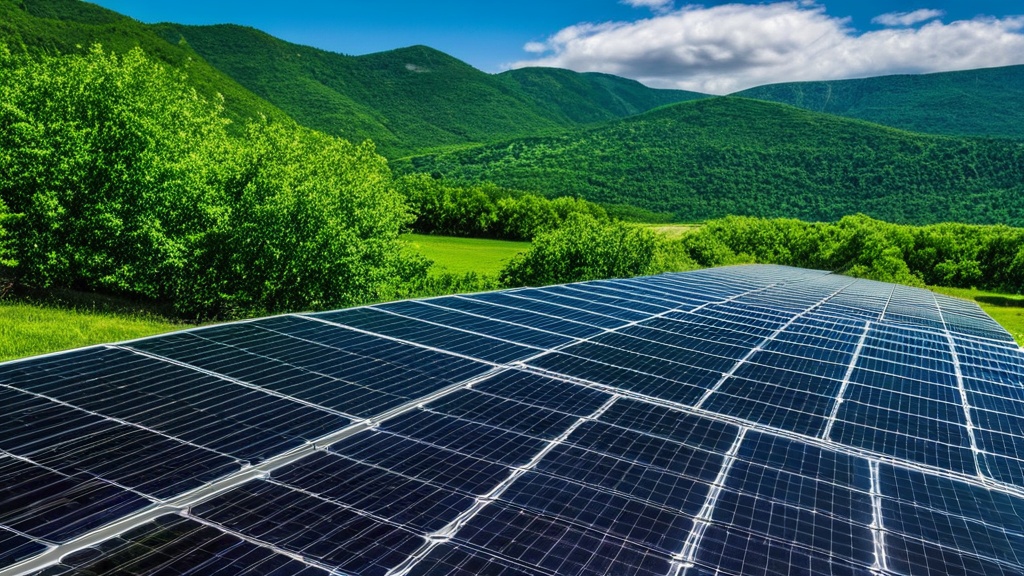
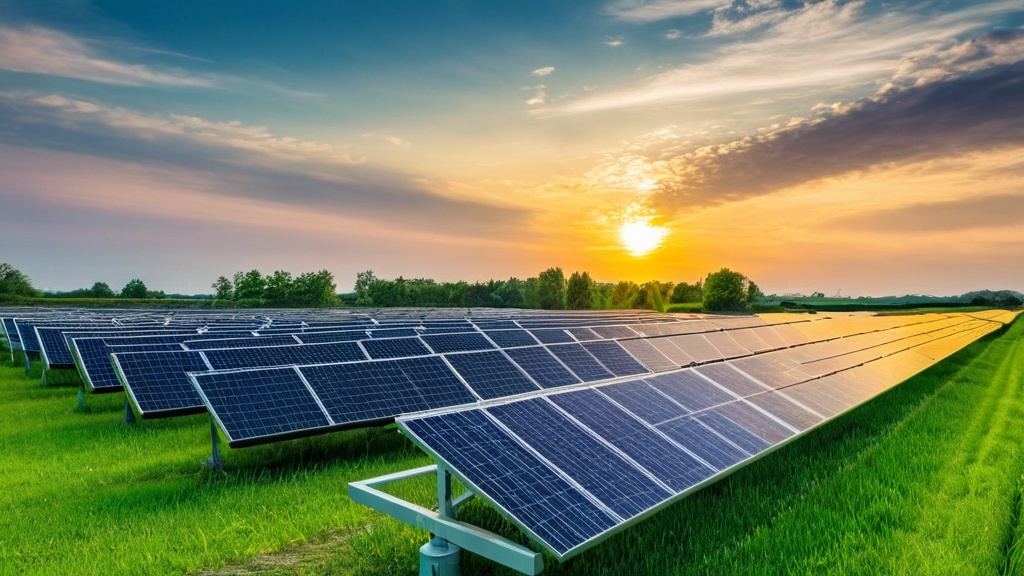
Solar energy harnesses the sun’s rays to generate electricity or heat, making it one of the most abundant and accessible forms of renewable energy available today. The technology behind solar energy has evolved significantly over the past few decades, with photovoltaic (PV) cells converting sunlight directly into electricity.
This process is not only efficient but also scalable, allowing for applications ranging from small residential systems to large solar farms that can power entire communities.
The versatility of solar energy makes it an attractive option for both urban and rural settings.
Moreover, solar energy systems can be installed on rooftops, reducing the need for extensive land use while providing homeowners with a means to lower their electricity bills. The integration of battery storage technology further enhances the appeal of solar energy by allowing users to store excess power generated during sunny days for use during cloudy periods or at night. As governments incentivize solar adoption through tax credits and rebates, the market for solar energy continues to expand rapidly, positioning it as a cornerstone of the global transition to renewable energy.
The Wind’s Potential: Unleashing the Power of Wind Energy
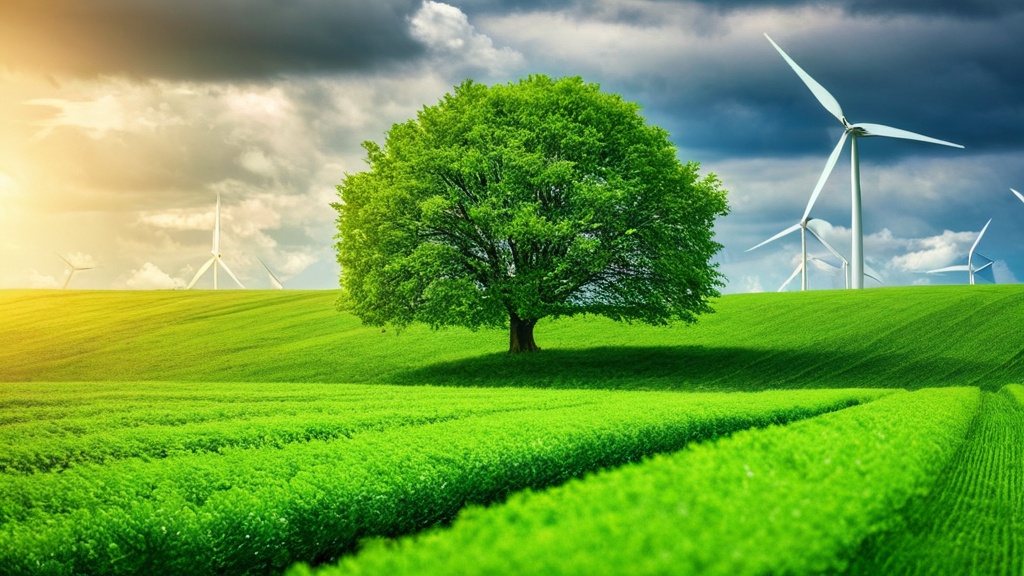
Wind energy is another powerful player in the renewable energy arena, utilizing the kinetic energy generated by wind to produce electricity. Wind turbines, often seen dotting landscapes and coastlines, convert wind movement into mechanical power, which is then transformed into electrical energy. The potential for wind energy is vast; according to estimates, wind could supply up to 20% of global electricity needs by 2030 if harnessed effectively. This potential is particularly pronounced in regions with consistent wind patterns, such as coastal areas and open plains.
The growth of wind energy has been bolstered by technological advancements that have increased turbine efficiency and reduced costs. Modern turbines are designed to capture wind at various speeds, making them more adaptable to changing weather conditions. Additionally, offshore wind farms are gaining traction as they can harness stronger and more consistent winds found over oceans. However, while wind energy presents numerous benefits, it also faces challenges such as noise concerns, impacts on wildlife, and the need for substantial infrastructure investment. Addressing these challenges will be crucial for maximizing wind energy’s contribution to a sustainable future.
The Power of Water: Exploring Hydroelectric Energy
Hydroelectric energy is one of the oldest forms of renewable energy generation, utilizing flowing water to produce electricity. Dams are typically constructed on large rivers to create reservoirs that store water; when released, this water flows through turbines that generate power. Hydroelectric plants can provide a stable and reliable source of electricity, often operating at high capacity factors compared to other renewable sources. This reliability makes hydroelectricity an essential component of many countries’ energy portfolios.
However, while hydroelectric power offers significant benefits in terms of efficiency and low greenhouse gas emissions during operation, it is not without its drawbacks. The construction of large dams can lead to ecological disruption, displacing communities and wildlife habitats. Additionally, changes in water flow can impact local ecosystems and fisheries. As such, there is a growing emphasis on developing smaller-scale hydro projects or run-of-the-river systems that minimize environmental impact while still harnessing the power of water.
As the world increasingly shifts towards sustainable solutions, exploring various types of green energy has become essential for combating climate change. One interesting aspect of this transition is the role of innovative technologies in enhancing energy efficiency. For a deeper understanding of how emerging technologies can influence different sectors, you can read this insightful article on the impact of AI in coaching practices. It highlights the transformative potential of technology in various fields, which can also be applied to the green energy sector. You can find the article here: embracing AI in coaching.
Advantages and Disadvantages of Solar Energy
| Type of Green Energy | Primary Source | Average Efficiency (%) | Common Applications | Environmental Impact |
|---|---|---|---|---|
| Solar Energy | Sunlight | 15-22 | Electricity generation, heating | Low emissions, land use concerns |
| Wind Energy | Wind | 35-45 | Electricity generation | Low emissions, noise, wildlife impact |
| Hydropower | Flowing Water | 35-45 | Electricity generation | Habitat disruption, low emissions |
| Geothermal Energy | Earth’s Heat | 10-20 | Electricity generation, heating | Low emissions, land use |
| Biomass Energy | Organic Material | 20-25 | Heating, electricity, fuel | Emissions vary, renewable if managed |
Solar energy boasts numerous advantages that make it an appealing choice for both consumers and policymakers alike. One of its most significant benefits is its sustainability; as long as the sun shines, solar energy can be harnessed without depleting resources or emitting harmful pollutants. Additionally, solar installations can lead to substantial cost savings over time as they reduce reliance on grid electricity. The decentralized nature of solar power also enhances energy security by allowing individuals and communities to generate their own electricity.
However, solar energy does come with its share of disadvantages. The initial investment for solar panels and installation can be high, although prices have been steadily decreasing. Furthermore, solar energy generation is intermittent; it relies on sunlight availability, which can be affected by weather conditions and time of day. This intermittency necessitates the integration of storage solutions or backup systems to ensure a consistent power supply. Despite these challenges, ongoing innovations in solar technology continue to address these issues, paving the way for broader adoption.
Green energy has become an essential topic in today’s discussions about sustainable development and environmental conservation. Various types of green energy, such as solar, wind, and hydroelectric power, are gaining traction as viable alternatives to fossil fuels. For a deeper understanding of how innovative technologies can enhance our approach to energy efficiency, you might find this article on smart coaching technology quite enlightening. It explores modern methods that can be applied across various fields, including energy management, which can be accessed here: smart coaching technology.
Harnessing Wind Energy: Pros and Cons
Wind energy presents a compelling case for renewable power generation with its numerous advantages. One of its primary benefits is its low operational cost once turbines are installed; wind farms can produce electricity at competitive rates compared to fossil fuels. Additionally, wind energy contributes significantly to reducing greenhouse gas emissions and combating climate change. The scalability of wind projects allows for both small community-based initiatives and large utility-scale farms that can generate substantial amounts of power.
On the flip side, wind energy does face certain drawbacks that must be considered. The visual impact of wind turbines on landscapes can be contentious among local communities, leading to opposition against new projects. Moreover, wind farms can pose risks to bird and bat populations if not properly sited and managed. Noise generated by turbine operation can also be a concern for nearby residents. Addressing these challenges through careful planning and community engagement will be essential for maximizing the benefits of wind energy while minimizing its drawbacks.
The Environmental Impact of Hydroelectric Energy
Hydroelectric energy is often lauded for its ability to generate clean electricity with minimal emissions during operation; however, its environmental impact cannot be overlooked. The construction of large dams can lead to significant ecological changes in river ecosystems, affecting fish migration patterns and altering habitats for various species. Reservoirs created by dams can inundate vast areas of land, displacing both wildlife and human communities.
Moreover, hydroelectric plants can disrupt natural sediment flow downstream, impacting water quality and aquatic life. While smaller-scale hydro projects may mitigate some of these issues by reducing land use and ecological disruption, they still require careful consideration of local ecosystems. As we move forward in our pursuit of renewable energy sources, it is crucial to balance the benefits of hydroelectric power with its potential environmental consequences.
Innovations in Solar Energy Technology
The field of solar energy technology is rapidly evolving, with innovations continually emerging to enhance efficiency and accessibility. One notable advancement is the development of bifacial solar panels that capture sunlight from both sides, increasing overall energy production without requiring additional space. Additionally, advancements in thin-film solar cells have made it possible to create lightweight panels that can be integrated into building materials or even clothing.
Another exciting area of innovation lies in solar tracking systems that adjust panel angles throughout the day to maximize sunlight exposure. These systems can significantly boost energy output compared to fixed installations. Furthermore, research into perovskite solar cells shows promise for achieving higher efficiencies at lower costs than traditional silicon-based cells.
As these technologies continue to mature, they hold the potential to revolutionize how we harness solar energy.
The Future of Wind Energy: Advancements and Challenges
The future of wind energy looks promising as technological advancements continue to drive efficiency improvements and cost reductions. Innovations such as larger turbine designs capable of capturing more wind at greater heights are becoming increasingly common. Additionally, floating wind farms are being developed to harness offshore winds in deeper waters where traditional fixed-bottom turbines cannot be installed.
However, challenges remain that must be addressed for wind energy to reach its full potential. Grid integration poses a significant hurdle; as more wind farms come online, ensuring that electricity generated can be effectively transmitted to consumers becomes critical. Furthermore, public acceptance remains a key factor in expanding wind projects; engaging communities early in the planning process can help alleviate concerns about visual impacts and wildlife interactions.
Exploring the Potential of Tidal and Wave Energy
While solar and wind energy dominate discussions around renewables, tidal and wave energy present untapped potential for clean electricity generation. Tidal energy harnesses the gravitational pull of the moon and sun on Earth’s oceans to create predictable patterns of water movement that can be converted into electricity through turbines placed in tidal streams or barrages across estuaries.
Wave energy captures the kinetic motion generated by surface waves on oceans or lakes using various technologies such as oscillating water columns or point absorbers. Both tidal and wave energies offer advantages such as predictability compared to other renewables; tides follow a consistent cycle that can be forecasted accurately. However, these technologies are still in their infancy compared to solar and wind; further research and investment are needed to develop efficient systems that can compete economically with established renewable sources.
Integrating Green Energy Sources: The Path to a Sustainable Future
As we look towards a sustainable future powered by renewable energies like solar, wind, hydroelectricity—and potentially tidal and wave energies—the integration of these diverse sources becomes paramount. A multi-faceted approach allows us to leverage the strengths of each technology while mitigating their weaknesses through complementary generation profiles.
For instance, combining solar panels with battery storage systems enables homes to utilize clean energy even when sunlight is not available; similarly integrating wind farms with hydroelectric plants can provide stability during periods when one source may underperform due to weather conditions. Policymakers must prioritize investments in grid infrastructure capable of accommodating this diverse mix while fostering collaboration between stakeholders across sectors.
In conclusion, transitioning towards green energy sources represents not just an opportunity but an obligation for society as we confront climate change head-on. By embracing innovation across all forms of renewable energies—solar, wind, hydroelectric—and exploring emerging technologies like tidal and wave power—we can pave the way toward a sustainable future that benefits both people and the planet alike.
FAQs
What are the main types of green energy?
The main types of green energy include solar energy, wind energy, hydroelectric energy, geothermal energy, and biomass energy. These sources are renewable and have a lower environmental impact compared to fossil fuels.
How does solar energy work?
Solar energy is generated by capturing sunlight using photovoltaic cells or solar panels, which convert sunlight directly into electricity. It is a clean and abundant source of energy.
What is the difference between wind energy and hydroelectric energy?
Wind energy is produced by converting the kinetic energy of wind into electricity using wind turbines. Hydroelectric energy is generated by harnessing the energy of flowing or falling water, typically through dams, to produce electricity.
Is geothermal energy available everywhere?
Geothermal energy is most effective in regions with significant volcanic or tectonic activity, where heat from the Earth’s interior is closer to the surface. While it is not available everywhere, advances in technology are expanding its potential use.
What role does biomass energy play in green energy?
Biomass energy is produced from organic materials such as plant waste, wood, and agricultural residues. It can be used for heating, electricity generation, and as biofuels, offering a renewable alternative to fossil fuels when managed sustainably.


















Leave a Reply