






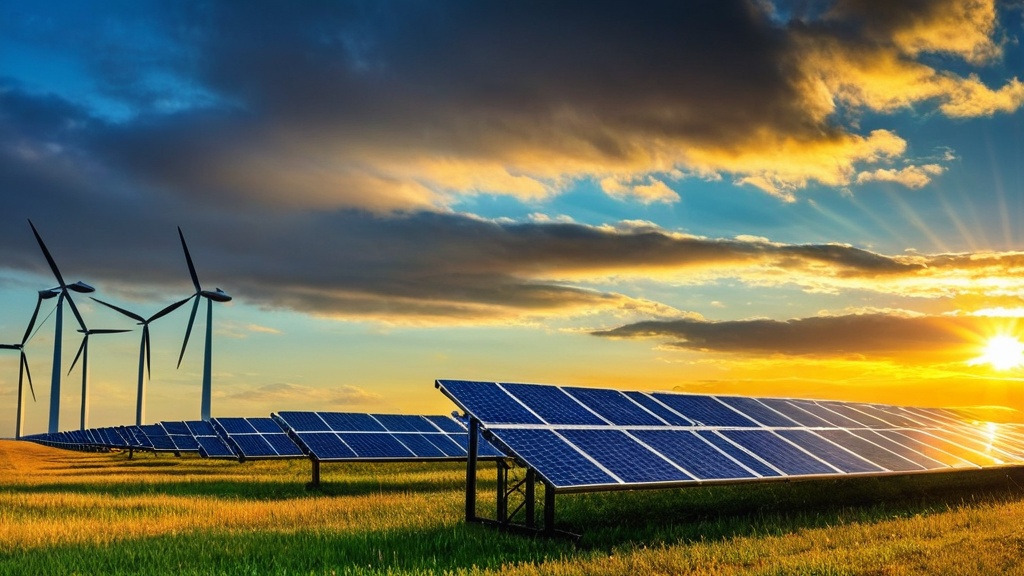
In the quest for a sustainable future, the balance between renewable and nonrenewable energy sources has become a focal point of discussion among policymakers, environmentalists, and industry leaders. The urgency to address climate change and reduce greenhouse gas emissions has led to a growing emphasis on renewable energy sources such as solar, wind, and hydroelectric power. However, the reality is that nonrenewable energy sources, including coal, oil, and natural gas, still play a significant role in meeting global energy demands. Striking a balance between these two categories of energy is crucial for ensuring energy security, economic stability, and environmental sustainability.
The transition to a more sustainable energy landscape requires a nuanced understanding of how renewable and nonrenewable sources can complement each other. While renewable energy offers the promise of reduced emissions and long-term sustainability, nonrenewable sources currently provide the reliability and infrastructure necessary to support modern economies. A balanced approach allows for the gradual integration of renewables while maintaining the stability of energy supply, thus preventing potential disruptions that could arise from an abrupt shift away from fossil fuels. This equilibrium is essential not only for meeting immediate energy needs but also for fostering innovation and investment in cleaner technologies.
In the ongoing discussion about energy sources, it’s essential to consider the implications of technological advancements on both renewable and nonrenewable energy sectors. A related article that explores the intersection of technology and energy strategy is available at this link: OpenAI’s Oracle Deal Reshapes AI Cloud Strategy. This article delves into how AI and cloud technologies can influence energy management and optimization, potentially paving the way for more efficient use of both types of energy sources.
Key Takeaways
- Balancing renewable and nonrenewable energy sources is crucial for sustainable and reliable energy supply.
- Renewable energy offers environmental benefits but faces challenges like grid integration and economic viability.
- Nonrenewable energy currently meets most energy demands but has significant environmental drawbacks.
- Government policies play a key role in promoting renewable energy adoption and innovation.
- Transition strategies and technological advancements are essential for a sustainable energy future.
Understanding the Differences Between Renewable and Nonrenewable Energy
Renewable energy sources are those that can be replenished naturally over short periods. They include solar, wind, geothermal, biomass, and hydroelectric power.
These sources harness natural processes to generate energy without depleting resources or causing significant environmental harm.
For instance, solar panels convert sunlight into electricity, while wind turbines capture the kinetic energy of wind. The defining characteristic of renewable energy is its sustainability; as long as the sun shines or the wind blows, these resources can be utilized indefinitely.
In contrast, nonrenewable energy sources are finite and will eventually be depleted. This category encompasses fossil fuels such as coal, oil, and natural gas, as well as nuclear energy derived from uranium. The extraction and consumption of these resources lead to environmental degradation and contribute to climate change due to the greenhouse gases emitted during their use. Unlike renewables, nonrenewable sources are subject to market fluctuations and geopolitical tensions, which can impact their availability and price. Understanding these fundamental differences is essential for developing effective energy policies that promote sustainability while addressing current energy demands.
Advantages and Disadvantages of Renewable and Nonrenewable Energy Sources
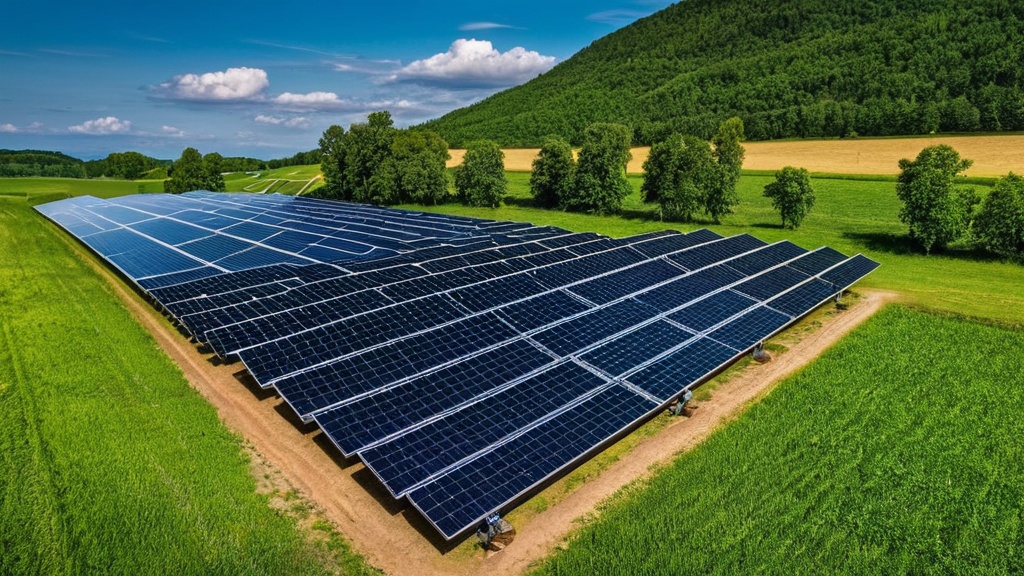
Renewable energy sources offer numerous advantages that make them appealing in the context of sustainable development. One of the most significant benefits is their minimal environmental impact. Unlike fossil fuels, renewables produce little to no greenhouse gas emissions during operation, contributing to cleaner air and a healthier planet. Additionally, renewable energy technologies have become increasingly cost-effective due to advancements in technology and economies of scale. This trend has made renewables more competitive with traditional energy sources, leading to greater adoption worldwide.
However, renewable energy also has its challenges. One major disadvantage is the intermittency associated with sources like solar and wind power. These energies are dependent on weather conditions and time of day, which can lead to fluctuations in energy supply. This intermittency necessitates the development of robust energy storage solutions and grid management strategies to ensure a reliable power supply. Furthermore, the initial capital investment for renewable infrastructure can be substantial, posing a barrier for some regions or countries with limited financial resources.
On the other hand, nonrenewable energy sources have their own set of advantages and disadvantages. A key benefit is their reliability; fossil fuels can provide a consistent and stable energy supply that meets demand at all times. The existing infrastructure for extracting, transporting, and utilizing these resources is well-established, making them readily available for immediate use. However, the disadvantages are significant. The extraction processes often lead to environmental degradation, habitat destruction, and pollution. Additionally, reliance on nonrenewable sources poses long-term risks due to their finite nature and the geopolitical tensions surrounding fossil fuel reserves.
The Environmental Impact of Renewable and Nonrenewable Energy
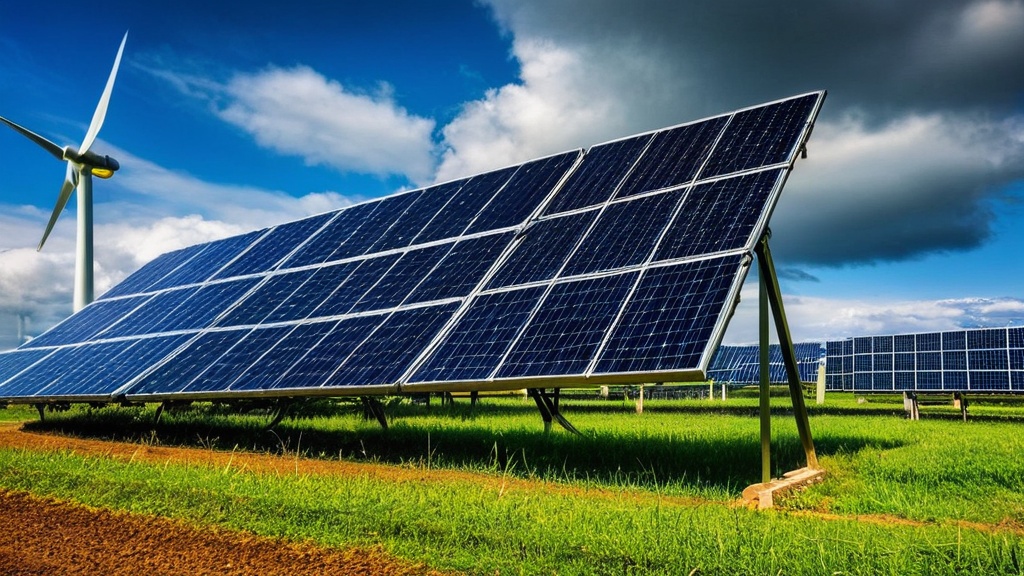
The environmental impact of energy production is a critical consideration in the ongoing debate between renewable and nonrenewable sources. Renewable energy systems generally have a lower carbon footprint compared to their nonrenewable counterparts. For example, solar panels generate electricity without emitting carbon dioxide during operation, while wind turbines harness natural forces without depleting resources or polluting the air. Moreover, many renewable technologies have minimal land-use impacts when properly sited and managed.
Conversely, nonrenewable energy sources are associated with significant environmental consequences. The extraction of fossil fuels often leads to habitat destruction, water contamination, and air pollution. Burning coal for electricity generation releases large amounts of carbon dioxide and other harmful pollutants into the atmosphere, contributing to climate change and public health issues. Additionally, oil spills and natural gas leaks pose severe risks to ecosystems and communities alike. As awareness of these environmental impacts grows, there is increasing pressure on governments and industries to transition toward cleaner energy solutions.
In exploring the complexities of energy sources, it is essential to understand the distinctions between renewable and nonrenewable options. A related article that delves deeper into this topic can be found here, where various aspects of energy sustainability are discussed. The transition towards renewable energy is not just a trend but a necessary shift for a sustainable future, highlighting the importance of making informed choices in energy consumption. By examining both types of energy sources, we can better appreciate their impacts on the environment and our economy.
The Role of Government Policies in Promoting Renewable Energy
| Energy Source | Type | Global Share of Energy Production (%) | Average Cost per kWh | CO2 Emissions (kg CO2 per MWh) | Typical Lifespan (Years) | Primary Use |
|---|---|---|---|---|---|---|
| Solar | Renewable | 10 | 0.05 – 0.10 | 48 | 25-30 | Electricity generation |
| Wind | Renewable | 7 | 0.03 – 0.06 | 12 | 20-25 | Electricity generation |
| Hydropower | Renewable | 16 | 0.02 – 0.05 | 24 | 40-50 | Electricity generation |
| Biomass | Renewable | 5 | 0.05 – 0.12 | 230 | 20-30 | Electricity, heat, fuel |
| Coal | Nonrenewable | 27 | 0.03 – 0.07 | 820 | 40-60 | Electricity generation, industry |
| Natural Gas | Nonrenewable | 23 | 0.04 – 0.08 | 490 | 30-50 | Electricity, heating, industry |
| Oil | Nonrenewable | 12 | 0.05 – 0.10 | 650 | 20-40 | Transportation, industry |
| Nuclear | Nonrenewable | 10 | 0.09 – 0.14 | 12 | 40-60 | Electricity generation |
Government policies play a pivotal role in shaping the energy landscape by promoting renewable energy development and adoption. Incentives such as tax credits, subsidies, and grants can encourage investment in renewable technologies by reducing upfront costs for businesses and consumers alike. Additionally, regulatory frameworks that mandate renewable energy targets or emissions reductions can drive innovation and accelerate the transition toward cleaner energy sources.
Moreover, government policies can facilitate research and development in renewable technologies by funding initiatives that explore new methods of harnessing energy or improving efficiency. By fostering collaboration between public institutions, private companies, and research organizations, governments can create an ecosystem that supports innovation in the renewable sector. Furthermore, international agreements aimed at reducing greenhouse gas emissions can incentivize countries to invest in renewables as part of their commitment to combat climate change.
Challenges in Integrating Renewable Energy into the Grid
Despite the advantages of renewable energy sources, integrating them into existing power grids presents several challenges that must be addressed for a successful transition. One major issue is the variability of renewable generation; solar and wind power output can fluctuate based on weather conditions and time of day. This intermittency complicates grid management since traditional power plants are designed to provide a steady supply of electricity.
To overcome these challenges, grid operators must invest in advanced technologies such as smart grids that can dynamically manage supply and demand fluctuations. Energy storage solutions like batteries can also play a crucial role in storing excess energy generated during peak production times for use during periods of low generation. Additionally, enhancing grid infrastructure to accommodate distributed generation from renewables will be essential for ensuring reliability as more renewable sources come online.
Innovations in Renewable Energy Technology
The field of renewable energy technology is rapidly evolving, with innovations emerging that promise to enhance efficiency and reduce costs further. For instance, advancements in solar panel technology have led to the development of more efficient photovoltaic cells that can convert a higher percentage of sunlight into electricity. Similarly, wind turbine designs have improved significantly over the years, allowing for greater energy capture even at lower wind speeds.
Moreover, research into alternative renewable sources such as tidal and wave energy is gaining traction as engineers seek to harness the power of oceans for electricity generation. Innovations in hydrogen production from renewable sources also hold promise for creating clean fuel alternatives that can be used across various sectors. As these technologies continue to advance, they will play a crucial role in facilitating a transition toward a more sustainable energy future.
The Economic Viability of Renewable Energy
The economic viability of renewable energy has improved dramatically over recent years due to technological advancements and increased competition within the sector. The cost of solar panels has plummeted by over 80% since 2010, making solar power one of the most affordable forms of electricity generation in many regions worldwide. Wind power has also seen significant cost reductions as turbine technology has advanced.
Furthermore, investing in renewable energy creates jobs across various sectors—from manufacturing to installation—contributing positively to local economies. As countries shift toward cleaner energy solutions, they can reduce their dependence on imported fossil fuels while fostering domestic industries focused on renewables. This economic shift not only enhances energy security but also positions nations as leaders in the growing global clean energy market.
The Role of Nonrenewable Energy in Meeting Current Energy Demands
While the push for renewables is essential for long-term sustainability goals, it is important to recognize the role that nonrenewable energy still plays in meeting current global energy demands. Fossil fuels continue to provide a significant portion of electricity generation worldwide due to their reliability and established infrastructure. In many regions where renewables are not yet fully integrated into the grid or where access to technology is limited, nonrenewable sources remain critical for ensuring consistent power supply.
Moreover, transitioning away from nonrenewable sources requires careful planning to avoid disruptions in service or economic instability. As countries work toward increasing their renewable capacity over time, it is vital to maintain a balanced approach that acknowledges the current reliance on fossil fuels while investing in cleaner alternatives for future generations.
Strategies for Transitioning to a More Sustainable Energy Mix
Transitioning toward a more sustainable energy mix involves implementing strategies that promote both renewable adoption and responsible management of nonrenewable resources. One effective approach is diversifying the energy portfolio by investing in various renewable technologies tailored to regional strengths—such as solar in sunny areas or wind in coastal regions—while gradually phasing out reliance on coal or other high-emission sources.
Additionally, enhancing public awareness about the benefits of renewables can drive consumer demand for clean energy options while encouraging businesses to adopt sustainable practices. Governments can also facilitate this transition by providing incentives for companies that invest in green technologies or implement energy efficiency measures within their operations.
The Future of Energy: Balancing Renewable and Nonrenewable Sources
Looking ahead, the future of energy will likely involve a careful balance between renewable and nonrenewable sources as societies strive for sustainability without compromising reliability or economic growth. As technological advancements continue to improve efficiency across both sectors—whether through enhanced battery storage capabilities or cleaner extraction methods—the potential for harmonizing these two forms of energy becomes increasingly feasible.
Ultimately, achieving this balance will require collaboration among governments, industries, researchers, and consumers alike—each playing a vital role in shaping an equitable transition toward a cleaner future where both renewable and nonrenewable resources coexist harmoniously within an integrated global energy system. By embracing innovation while respecting existing infrastructures’ realities today’s decisions will pave the way for tomorrow’s sustainable solutions.
FAQs
What are renewable energy sources?
Renewable energy sources are natural resources that can be replenished or regenerated over a short period of time. Examples include solar energy, wind energy, hydroelectric power, geothermal energy, and biomass.
What are nonrenewable energy sources?
Nonrenewable energy sources are resources that exist in finite amounts and cannot be replenished within a human timescale. These include fossil fuels such as coal, oil, natural gas, and nuclear energy derived from uranium.
Why is renewable energy considered more environmentally friendly?
Renewable energy sources produce little to no greenhouse gas emissions during operation, reducing air pollution and mitigating climate change. They also rely on naturally replenished resources, minimizing environmental degradation compared to extracting and burning fossil fuels.
What are the main challenges of using renewable energy?
Challenges include intermittency (e.g., solar and wind depend on weather conditions), higher initial costs for infrastructure, the need for energy storage solutions, and sometimes geographic limitations that affect resource availability.
How do nonrenewable energy sources impact the environment?
Nonrenewable energy sources contribute significantly to air pollution, greenhouse gas emissions, and climate change. Their extraction and use can lead to habitat destruction, oil spills, and other environmental hazards. Additionally, they produce waste products that can be harmful if not managed properly.


















Leave a Reply