





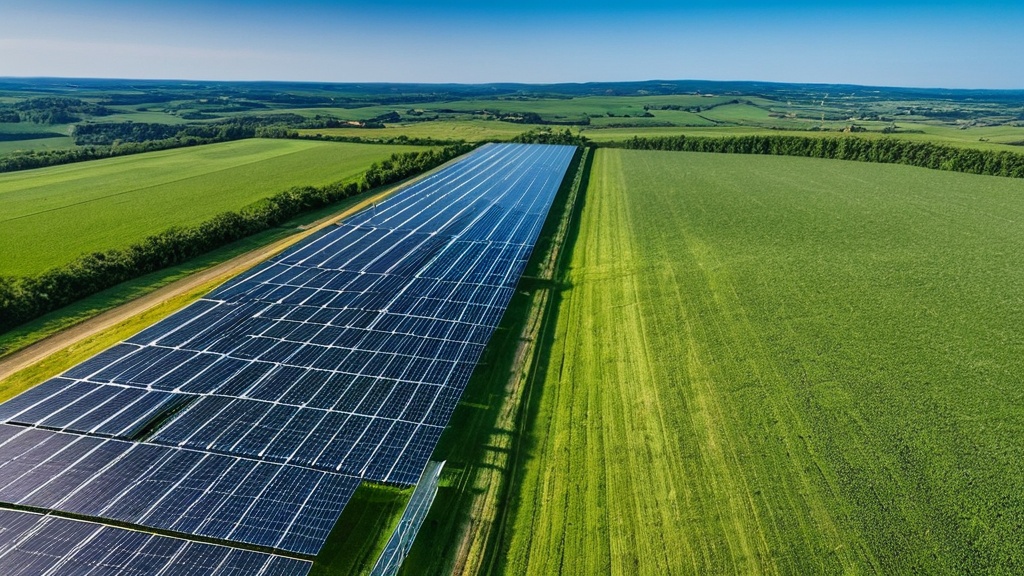
Renewable energy companies play a significant role in addressing climate change by developing and implementing sustainable energy alternatives. These organizations are transitioning the global energy system away from fossil fuels toward renewable sources such as solar, wind, geothermal, and bioenergy. This shift helps reduce carbon emissions and environmental degradation while meeting current energy demands.
The renewable energy sector encompasses various technologies and approaches. Companies in this field develop solar panels, wind turbines, geothermal systems, and bioenergy solutions. Their work focuses on making clean energy more efficient, cost-effective, and widely available.
This article examines notable renewable energy companies and their contributions to sustainable energy development.
Key Takeaways
- Leading renewable companies are driving innovation across various clean energy sectors including solar, wind, bioenergy, hydroelectric, geothermal, and energy storage.
- Sustainable solutions are critical to addressing global environmental challenges and promoting a greener future.
- Companies are pioneering advancements in renewable technologies to enhance efficiency and reduce carbon footprints.
- Integration of renewable energy in transportation, mobility, and green infrastructure is key to comprehensive sustainability.
- The future of renewable energy depends on continued innovation and collaboration among industry leaders to achieve global sustainability goals.
The Importance of Sustainable Solutions in Today’s World
The urgency for sustainable solutions has never been more pronounced. As global temperatures rise and extreme weather events become increasingly common, the need for a shift towards renewable energy sources is imperative.
By investing in renewable technologies, societies can reduce their reliance on finite fossil fuels, which are often subject to volatile markets and geopolitical tensions. Moreover, sustainable solutions contribute to public health by reducing air and water pollution associated with traditional energy production. The transition to clean energy sources can lead to improved air quality, resulting in fewer respiratory illnesses and a healthier population overall.
Additionally, as renewable technologies become more affordable and accessible, they create job opportunities in manufacturing, installation, and maintenance, fostering economic resilience in communities around the globe. The importance of sustainable solutions extends beyond environmental benefits; it encompasses social, economic, and health dimensions that are crucial for a thriving future.
In the ever-evolving landscape of renewable energy, companies are increasingly turning to innovative technologies to enhance their operations and training processes. A related article that explores the intersection of artificial intelligence and corporate training can be found at AI for Training: The Evolution of Corporate Training. This piece highlights how AI-driven solutions can streamline training programs, making them more effective and adaptable for the renewable sector, ultimately leading to a more skilled workforce ready to tackle the challenges of sustainable energy.
Company A: Innovations in Solar Energy
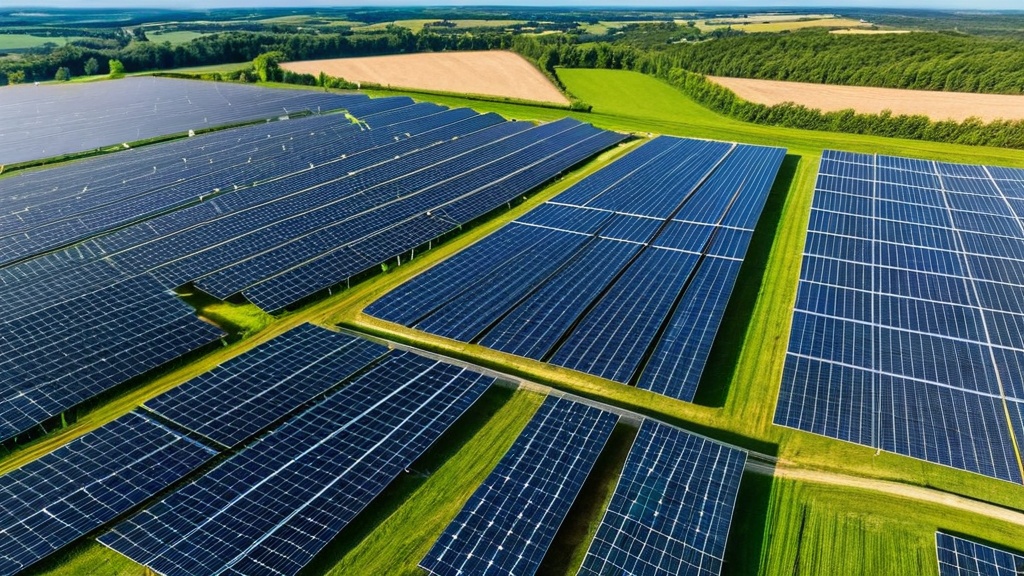
One of the leading companies revolutionizing solar energy is Company A, which has made significant strides in photovoltaic technology. Their innovative solar panels utilize advanced materials that enhance efficiency while reducing production costs. By integrating artificial intelligence into their manufacturing processes, Company A has optimized the performance of their solar cells, allowing them to capture more sunlight and convert it into usable energy.
This technological leap not only increases the viability of solar power but also makes it a more attractive option for consumers and businesses alike. In addition to improving solar panel efficiency, Company A is also focused on expanding solar energy accessibility. They have launched community solar programs that allow individuals and businesses to invest in shared solar projects, even if they cannot install panels on their own properties.
This approach democratizes access to renewable energy, enabling more people to benefit from clean power while contributing to local economies. Through these innovations and initiatives, Company A is setting a benchmark for the solar industry and demonstrating how technology can drive sustainable change.
Company B: Advancements in Wind Power Technology
Company B stands out as a leader in wind power technology, consistently pushing the boundaries of what is possible in harnessing wind energy. Their state-of-the-art wind turbines are designed with cutting-edge aerodynamics that maximize energy capture while minimizing noise and environmental impact. By utilizing larger rotor blades and advanced materials, Company B has significantly increased the efficiency of their turbines, allowing them to generate more electricity even in low-wind conditions.
Furthermore, Company B is committed to sustainability beyond just turbine design. They have implemented a comprehensive lifecycle approach to their products, ensuring that materials used in manufacturing are recyclable and that decommissioned turbines are repurposed responsibly. This commitment to sustainability extends to their operations as well; Company B actively engages with local communities to ensure that wind farms are developed in harmony with the environment and local ecosystems.
Through these advancements and practices, Company B is not only leading the way in wind power technology but also setting an example for responsible corporate stewardship.
Company C: Breakthroughs in Bioenergy and Biomass
| Company Name | Country | Renewable Energy Type | Installed Capacity (MW) | Annual Energy Production (GWh) | Year Founded |
|---|---|---|---|---|---|
| NextEra Energy | USA | Wind, Solar | 25000 | 60000 | 1984 |
| Vestas Wind Systems | Denmark | Wind | 30000 | 70000 | 1945 |
| Orsted | Denmark | Offshore Wind | 15000 | 40000 | 1972 |
| Enel Green Power | Italy | Wind, Solar, Hydro | 20000 | 50000 | 2008 |
| Siemens Gamesa | Spain | Wind | 28000 | 65000 | 1976 |
Company C is at the forefront of bioenergy and biomass innovations, transforming organic waste into valuable energy resources. Their pioneering technologies convert agricultural residues, food waste, and other organic materials into biogas through anaerobic digestion processes. This not only provides a renewable source of energy but also addresses waste management challenges faced by many communities.
By turning waste into fuel, Company C is contributing to a circular economy where resources are reused rather than discarded. In addition to biogas production, Company C is exploring advanced biofuels derived from non-food crops. These biofuels offer a sustainable alternative to traditional fossil fuels for transportation and industrial applications.
By investing in research and development, Company C aims to improve the efficiency of biofuel production while minimizing land use impacts. Their commitment to innovation in bioenergy not only helps reduce greenhouse gas emissions but also supports rural economies by creating jobs in agriculture and waste management sectors.
As the renewable energy sector continues to evolve, companies are increasingly looking for innovative solutions to enhance their operations and sustainability practices. A recent article discusses how artificial intelligence can transform business strategies within this industry, providing insights into the potential for growth and efficiency. For those interested in exploring these advancements further, you can read about the possibilities of AI in business coaching in this informative piece. Check it out here: AI Business Coach Training Possibilities.
Company D: Pioneering Hydroelectric Power Projects

Company D has established itself as a leader in hydroelectric power projects, harnessing the natural flow of water to generate clean electricity. Their innovative approach includes developing small-scale hydroelectric plants that minimize environmental disruption while providing reliable power to local communities. By focusing on run-of-river systems rather than large dams, Company D ensures that aquatic ecosystems remain intact while still capturing the energy potential of flowing water.
Moreover, Company D is actively involved in modernizing existing hydroelectric facilities to improve efficiency and reduce environmental impacts. They employ advanced monitoring systems that optimize water usage and enhance turbine performance. This commitment to sustainability extends beyond energy generation; Company D collaborates with local stakeholders to ensure that hydroelectric projects benefit surrounding communities through job creation and infrastructure development.
Their efforts exemplify how hydroelectric power can be harnessed responsibly while contributing to a sustainable energy future.
Company E: Cutting-edge Geothermal Energy Initiatives
Geothermal energy is gaining traction as a reliable source of renewable power, and Company E is leading the charge with its cutting-edge initiatives. By tapping into the Earth’s natural heat, they provide a consistent energy source that is not subject to weather fluctuations like solar or wind power. Company E’s innovative geothermal plants utilize enhanced geothermal systems (EGS) that allow them to access geothermal resources in areas previously considered unsuitable for energy production.
In addition to electricity generation, Company E is exploring geothermal heating solutions for residential and commercial applications. Their district heating systems provide efficient heating by circulating hot water from geothermal sources through networks of insulated pipes. This approach not only reduces reliance on fossil fuels for heating but also lowers energy costs for consumers.
Through these initiatives, Company E is demonstrating the vast potential of geothermal energy as a cornerstone of a sustainable energy portfolio.
Company F: Leading the Way in Energy Storage Solutions
As renewable energy sources become more prevalent, the need for effective energy storage solutions has become increasingly important. Company F is at the forefront of this challenge, developing advanced battery technologies that enable efficient storage of excess energy generated from solar and wind sources. Their innovative lithium-ion batteries boast higher capacities and longer lifespans than traditional models, making them ideal for both residential and commercial applications.
In addition to battery technology, Company F is exploring alternative storage methods such as pumped hydro storage and thermal storage systems.
By investing in research and development for diverse storage options, Company F is helping to create a more resilient energy grid that can accommodate increasing levels of renewable integration.
Company G: Sustainable Solutions for Transportation and Mobility
Company G is redefining transportation through its commitment to sustainable mobility solutions. As electric vehicles (EVs) gain popularity, this company has emerged as a leader in EV manufacturing and infrastructure development. Their electric cars are designed with cutting-edge technology that maximizes efficiency while minimizing environmental impact.
By prioritizing sustainability in their production processes, Company G ensures that their vehicles are not only eco-friendly but also affordable for consumers. Beyond vehicle production, Company G is actively involved in expanding EV charging infrastructure across urban areas and highways. They collaborate with governments and private entities to install fast-charging stations that make electric vehicle ownership more convenient and accessible.
Additionally, Company G advocates for policies that support sustainable transportation initiatives, such as incentives for EV adoption and investments in public transit systems powered by renewable energy sources. Through these efforts, Company G is paving the way for a cleaner transportation future.
Company H: Green Building and Infrastructure Development
Company H is leading the charge in green building practices and sustainable infrastructure development. Their innovative designs prioritize energy efficiency through the use of sustainable materials, smart technologies, and passive design principles that reduce reliance on heating and cooling systems. By integrating renewable energy sources such as solar panels into their buildings, Company H creates structures that generate more energy than they consume.
Moreover, Company H emphasizes community engagement in their projects by incorporating green spaces and promoting walkability within urban environments. Their commitment to sustainability extends beyond individual buildings; they advocate for policies that encourage sustainable urban planning practices at a city-wide level. By championing green building initiatives, Company H is not only reducing carbon footprints but also enhancing quality of life for residents through healthier living environments.
The Future of Renewable Energy and Sustainable Solutions
The future of renewable energy lies in the hands of innovative companies dedicated to creating sustainable solutions that address pressing global challenges. As we have seen through the examples of leading organizations across various sectors—solar, wind, bioenergy, hydroelectricity, geothermal energy, energy storage, transportation, and green building—the potential for transformative change is immense. These companies are not only advancing technology but also fostering collaboration among stakeholders to create a holistic approach to sustainability.
As we move forward into an uncertain future marked by climate change and resource scarcity, it is imperative that we continue to support and invest in these pioneering companies. Their efforts will play a crucial role in shaping an energy landscape that prioritizes environmental stewardship while meeting the needs of growing populations worldwide. By embracing renewable technologies and sustainable practices today, we can ensure a cleaner, healthier planet for generations to come—a legacy worth striving for as we navigate the complexities of our modern world.
FAQs
What are renewable companies?
Renewable companies are businesses that focus on producing energy or products from renewable resources such as solar, wind, hydro, geothermal, and biomass. They aim to reduce reliance on fossil fuels and promote sustainable energy solutions.
What types of renewable energy do these companies typically work with?
Renewable companies commonly work with solar power, wind energy, hydroelectric power, geothermal energy, and biomass. Some may specialize in one type, while others offer multiple renewable energy solutions.
Why are renewable companies important?
Renewable companies play a crucial role in combating climate change by reducing greenhouse gas emissions. They help transition the global energy system towards sustainable sources, improve energy security, and create green jobs.
How do renewable companies generate revenue?
Renewable companies generate revenue by selling renewable energy, manufacturing and installing renewable energy equipment, providing maintenance services, and sometimes through government incentives or carbon credits.
Are renewable companies profitable?
Many renewable companies are profitable, especially as technology costs decrease and demand for clean energy grows. Profitability varies based on market conditions, government policies, and company management.
What challenges do renewable companies face?
Challenges include high initial capital costs, regulatory hurdles, intermittency of some renewable sources, competition with traditional energy, and the need for technological innovation.
How can consumers support renewable companies?
Consumers can support renewable companies by choosing green energy providers, investing in renewable energy stocks or funds, installing solar panels, and advocating for policies that promote renewable energy.
Are renewable companies regulated?
Yes, renewable companies are subject to regulations related to environmental standards, energy production, grid integration, and safety. Regulations vary by country and region.
What is the future outlook for renewable companies?
The future outlook is positive, with increasing global demand for clean energy, technological advancements, and supportive government policies driving growth in the renewable sector.

















Leave a Reply