






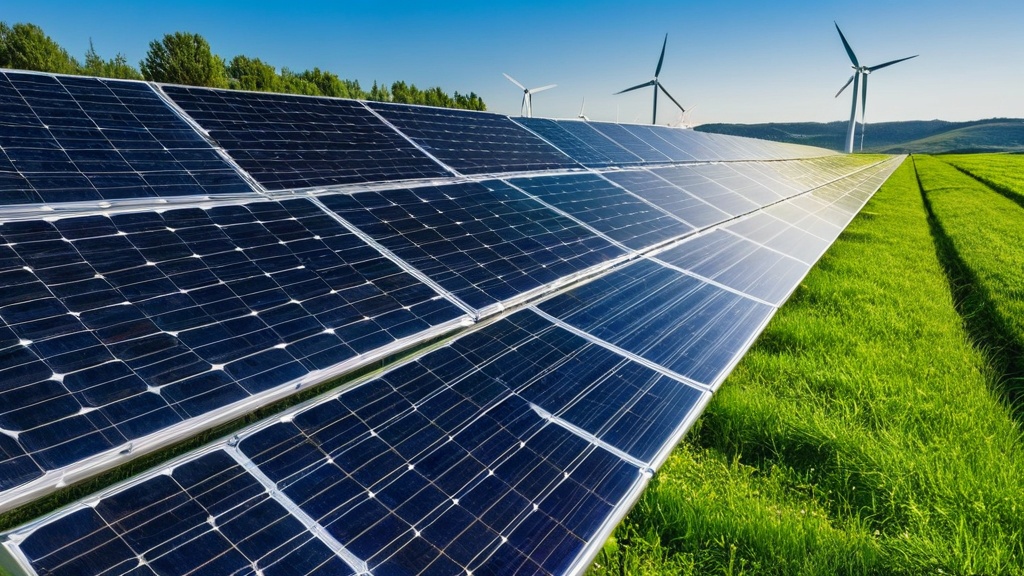
The global energy landscape is undergoing significant transformation, driven by the need to address climate change and reduce dependence on fossil fuels. Renewable energy, which comes from natural processes that continuously replenish themselves, has become central to this transition. Solar, wind, hydroelectric, and geothermal energy sources are sustainable alternatives that offer a path toward cleaner and more reliable energy systems.
As environmental degradation and resource depletion continue to pose challenges, transitioning to renewable energy is essential for both environmental protection and long-term economic stability. The importance of renewable energy extends beyond environmental advantages. It represents a fundamental change in how societies generate and use energy, promoting technological innovation and creating economic opportunities.
As technology improves and costs decrease, renewable energy sources are becoming increasingly cost-competitive with traditional fossil fuels. This shift involves more than electricity generation; it reflects a comprehensive approach to sustainable development that emphasizes energy security, employment growth, and fair access to resources. In this context, renewable energy companies are instrumental in transforming global energy systems and advancing economic sustainability worldwide.
Key Takeaways
- Renewable energy companies are crucial drivers in the global shift towards sustainable energy solutions.
- Innovation and technology advancements by leading companies are accelerating renewable energy adoption.
- Successful projects demonstrate the environmental and economic benefits of renewable energy investments.
- Collaboration and corporate social responsibility enhance the positive impact of renewable energy firms.
- Future trends indicate growing opportunities and challenges, emphasizing the need for continued support and investment.
The Role of Renewable Energy Companies in the Transition to Sustainable Solutions
Renewable energy companies are at the forefront of the transition to sustainable solutions, acting as catalysts for change in both local and global contexts. These companies are responsible for developing, deploying, and managing renewable energy technologies that harness natural resources to generate electricity and heat. By investing in research and development, they are continuously innovating to improve efficiency and reduce costs, making renewable energy more accessible to a broader audience.
Their efforts not only contribute to reducing greenhouse gas emissions but also help mitigate the impacts of climate change on vulnerable communities. Moreover, renewable energy companies are instrumental in shaping policy frameworks that support sustainable practices. By collaborating with governments, non-profits, and other stakeholders, they advocate for regulations that promote clean energy adoption and investment.
This engagement is crucial in creating an enabling environment for renewable technologies to thrive. As these companies expand their operations globally, they also bring with them best practices and lessons learned from diverse markets, fostering a culture of sustainability that transcends borders.
In the ever-evolving landscape of renewable energy, companies are increasingly turning to innovative technologies to enhance their operations and sustainability efforts. A related article that delves into the intersection of artificial intelligence and ethical considerations in technology can be found at According to recent reports, the renewable energy sector has outpaced fossil fuel industries in job creation, providing millions of jobs worldwide across various skill levels. These jobs range from manufacturing and installation to maintenance and research roles, contributing to local economies and fostering community resilience. Additionally, as renewable technologies become more cost-effective, they are driving down energy prices for consumers and businesses alike, further stimulating economic growth. As the renewable energy sector continues to grow, many companies are exploring innovative technologies to enhance their operations and sustainability efforts.
Challenges and Opportunities in the Renewable Energy Industry
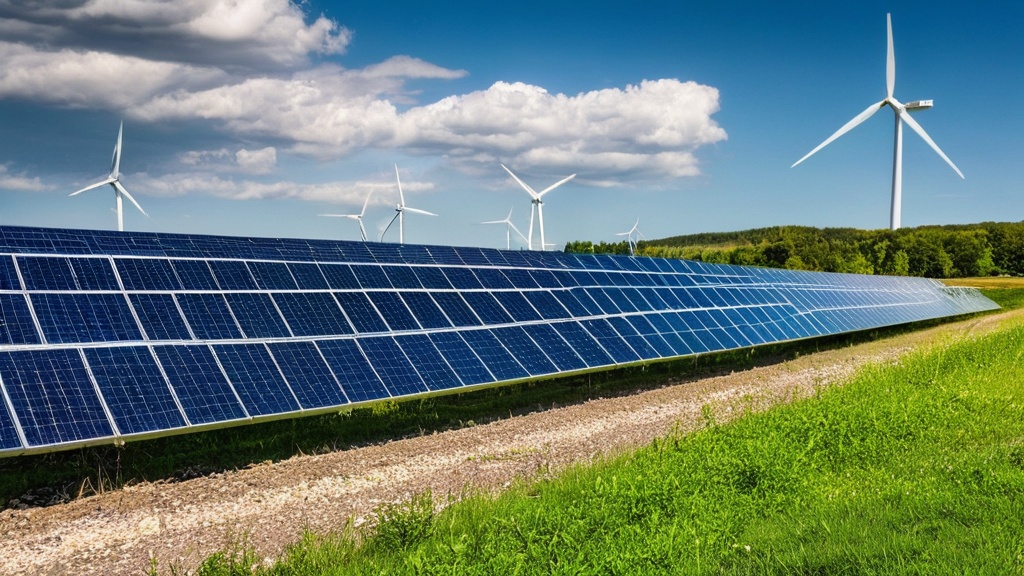
Despite its many advantages, the renewable energy industry faces several challenges that must be addressed to ensure its continued growth and success. One significant hurdle is the intermittency of renewable sources such as solar and wind energy, which can lead to fluctuations in power supply. This variability necessitates advancements in energy storage solutions and grid management technologies to ensure a reliable power supply.
Additionally, regulatory barriers and outdated infrastructure can hinder the deployment of renewable projects, requiring concerted efforts from stakeholders to advocate for policy changes. However, these challenges also present opportunities for innovation and collaboration within the industry. The growing demand for clean energy solutions has spurred investment in research and development aimed at overcoming technical limitations associated with renewable technologies.
Companies are exploring new storage methods such as battery technology and pumped hydro storage to enhance grid stability. Furthermore, partnerships between public and private sectors can facilitate knowledge sharing and resource allocation, paving the way for more efficient project implementation.
As the renewable energy sector continues to grow, many companies are exploring innovative solutions to enhance their operations and sustainability practices. A recent article discusses how artificial intelligence can play a crucial role in this transformation, providing real-time feedback and insights that can drive efficiency and effectiveness in renewable energy projects. For more information on this topic, you can read the article on AI coaching and its implications for various industries by visiting this link.
The Future of Renewable Energy Companies: Trends and Forecasts
The future of renewable energy companies appears promising as global awareness of climate change continues to rise. Trends indicate a shift towards decentralized energy systems where consumers become active participants in energy production through rooftop solar panels and community wind projects. This transition empowers individuals and communities while promoting local economic development.
Additionally, advancements in artificial intelligence (AI) and machine learning are expected to revolutionize how renewable energy systems are managed, optimizing performance and reducing operational costs. Forecasts suggest that investment in renewable energy will continue to grow exponentially over the next decade as governments implement stricter emissions regulations and corporate sustainability goals become more prevalent. The International Energy Agency (IEA) predicts that renewables will account for nearly 80% of global electricity generation by 2030 if current trends continue.
This shift will not only reshape the energy landscape but also create new markets for innovative technologies such as smart grids, electric vehicles (EVs), and green hydrogen production.
Corporate Social Responsibility and Community Engagement in Renewable Energy Companies
Corporate social responsibility (CSR) plays a vital role in how renewable energy companies engage with communities and stakeholders. Many leading firms recognize that their success is intertwined with the well-being of the communities they serve. As such, they actively invest in local initiatives that promote education, job training, and environmental stewardship.
By fostering strong relationships with community members, these companies can build trust and support for their projects while ensuring that local needs are met. Community engagement is particularly important when it comes to siting renewable projects such as wind farms or solar installations. Transparent communication about potential impacts and benefits can alleviate concerns among residents while fostering collaboration on shared goals.
For instance, some companies have implemented community benefit agreements that provide financial support for local infrastructure or educational programs in exchange for community support for their projects. This approach not only enhances project acceptance but also reinforces the commitment of renewable energy companies to act as responsible corporate citizens.
Collaboration and Partnerships: How Renewable Energy Companies are Working Together for a Sustainable Future
Collaboration among renewable energy companies is essential for driving innovation and accelerating the transition to sustainable solutions. By working together, these companies can share best practices, pool resources for research initiatives, and advocate collectively for favorable policies that support clean energy development. Industry alliances such as the Global Wind Energy Council (GWEC) or SolarPower Europe exemplify how collaboration can amplify voices within the sector while promoting knowledge exchange among members.
Partnerships between renewable energy companies and other sectors—such as technology firms or academic institutions—are also becoming increasingly common. These collaborations can lead to groundbreaking advancements in areas like smart grid technology or battery storage solutions that enhance overall system efficiency. For example, partnerships between solar developers and electric vehicle manufacturers can facilitate integrated charging solutions that promote EV adoption while maximizing solar utilization.
Such synergies not only benefit individual companies but also contribute to a more sustainable future for all.
Investment and Financial Performance of Leading Renewable Energy Companies
The financial performance of leading renewable energy companies has garnered significant attention from investors seeking sustainable investment opportunities. As public awareness of climate change grows, there is an increasing demand for environmentally responsible investments that align with personal values while delivering competitive returns. Many renewable energy firms have demonstrated robust financial performance through strategic growth initiatives that capitalize on emerging market trends.
Investors are particularly drawn to companies with diversified portfolios that include various renewable technologies such as solar, wind, hydroelectricity, and bioenergy. This diversification mitigates risks associated with market fluctuations while positioning firms for long-term success as global demand for clean energy continues to rise. Furthermore, government incentives such as tax credits or feed-in tariffs can enhance profitability by providing additional revenue streams for renewable projects.
The Importance of Supporting and Investing in Renewable Energy Companies
In conclusion, supporting and investing in renewable energy companies is crucial for fostering a sustainable future for our planet. As these firms lead the charge towards cleaner energy solutions, they play an integral role in mitigating climate change while driving economic growth through job creation and innovation. The transition to renewable energy is not just an environmental necessity; it represents an opportunity for societies worldwide to embrace a more resilient economic model that prioritizes sustainability.
By recognizing the value of renewable energy companies—both environmentally and economically—individuals, businesses, and governments can contribute to a collective effort that ensures a healthier planet for future generations. As we move forward into an era defined by sustainability challenges, it is imperative that we rally behind these companies as they work tirelessly to create a cleaner, greener world for all.
FAQs
What are renewable companies?
Renewable companies are businesses that focus on producing energy or products from renewable resources such as solar, wind, hydro, geothermal, and biomass. They aim to reduce reliance on fossil fuels and promote sustainable energy solutions.
What types of renewable energy do these companies typically work with?
Renewable companies commonly work with solar power, wind energy, hydroelectric power, geothermal energy, and biomass energy. Some may specialize in one type, while others offer multiple renewable energy solutions.
How do renewable companies contribute to environmental sustainability?
Renewable companies help reduce greenhouse gas emissions by providing clean energy alternatives to fossil fuels. Their technologies lower air pollution, decrease carbon footprints, and promote the conservation of natural resources.
Are renewable companies profitable?
Yes, many renewable companies are profitable, especially as demand for clean energy grows globally. Advances in technology and government incentives have made renewable energy more cost-competitive with traditional energy sources.
What are common products or services offered by renewable companies?
Products and services include solar panels, wind turbines, energy storage systems, installation and maintenance services, consulting, and development of renewable energy projects.
How can consumers benefit from renewable companies?
Consumers can reduce their energy costs, increase energy independence, and contribute to environmental protection by using products and services from renewable companies. Many also offer incentives or financing options to make adoption easier.
Do renewable companies receive government support?
Yes, many governments provide subsidies, tax credits, grants, and other incentives to support renewable companies and encourage the adoption of renewable energy technologies.
What challenges do renewable companies face?
Challenges include high initial investment costs, regulatory hurdles, intermittency of some renewable energy sources, and competition with established fossil fuel industries.
How can I find a reliable renewable company?
Look for companies with strong industry experience, positive customer reviews, certifications, and transparent business practices. It’s also helpful to check if they comply with local regulations and offer warranties or guarantees.
What is the future outlook for renewable companies?
The future outlook is positive, with increasing global demand for clean energy, technological advancements, and stronger climate policies driving growth in the renewable energy sector.


















%20technology%20to%20generate%20electricity%20for%20over%20a%20million%20people%20while%20contributing%20to%20Morocco%E2%80%99s%20goal%20of%20generating%2052%%20of%20its%20electricity%20from%20renewable%20sources%20by%202030.%20</p>%0A<p>The%20complex%20has%20not%20only%20provided%20clean%20energy%20but%20has%20also%20created%20thousands%20of%20jobs%20in%20the%20region,%20demonstrating%20how%20renewable%20energy%20projects%20can%20drive%20economic%20development%20while%20addressing%20environmental%20challenges.</p>%0A<h2>%20The%20Impact%20of%20Renewable%20Energy%20Companies%20on%20the%20Environment%20and%20Economy</h2>%0A<p></p>%0A<style>table%7Bwidth:100%;border-collapse:collapse;border:2px%20solid%20#f2f2f2%7Dtr%7Bdisplay:table-row;vertical-align:inherit;border-color:inherit;line-height:40px%7Dth,td%7Bpadding:12px;text-align:left;border-bottom:1px%20solid%20#e5e7eb;line-height:40px%7D</style>%0A<table%20border=%221%22>%0A<thead>%0A<tr>%0A<th>Company%20Name</th>%0A<th>Country</th>%0A<th>Renewable%20Energy%20Type</th>%0A<th>Installed%20Capacity%20(MW)</th>%0A<th>Annual%20Energy%20Production%20(GWh)</th>%0A<th>Year%20Founded</th>%0A</tr>%0A</thead>%0A<tbody>%0A<tr>%0A<td>NextEra%20Energy</td>%0A<td>USA</td>%0A<td>Wind,%20Solar</td>%0A<td>25000</td>%0A<td>60000</td>%0A<td>1984</td>%0A</tr>%0A<tr>%0A<td>Vestas%20Wind%20Systems</td>%0A<td>Denmark</td>%0A<td>Wind</td>%0A<td>30000</td>%0A<td>70000</td>%0A<td>1945</td>%0A</tr>%0A<tr>%0A<td>Orsted</td>%0A<td>Denmark</td>%0A<td>Offshore%20Wind</td>%0A<td>12000</td>%0A<td>35000</td>%0A<td>1972</td>%0A</tr>%0A<tr>%0A<td>Enel%20Green%20Power</td>%0A<td>Italy</td>%0A<td>Wind,%20Solar,%20Hydro</td>%0A<td>15000</td>%0A<td>45000</td>%0A<td>2008</td>%0A</tr>%0A<tr>%0A<td>Siemens%20Gamesa</td>%0A<td>Spain</td>%0A<td>Wind</td>%0A<td>28000</td>%0A<td>65000</td>%0A<td>1976</td>%0A</tr>%0A</tbody>%0A</table>%0A<p>The%20impact%20of%20renewable%20energy%20companies%20on%20both%20the%20environment%20and%20economy%20is%20profound%20and%20multifaceted.%20Environmentally,%20these%20companies%20contribute%20significantly%20to%20reducing%20greenhouse%20gas%20emissions,%20which%20are%20a%20primary%20driver%20of%20climate%20change.%20By%20replacing%20fossil%20fuels%20with%20clean%20energy%20sources,%20they%20help%20improve%20air%20quality%20and%20protect%20ecosystems%20from%20degradation%20caused%20by%20traditional%20energy%20extraction%20methods.%20</p>%0A<p>Furthermore,%20renewable%20energy%20projects%20often%20incorporate%20sustainable%20practices%20that%20enhance%20biodiversity%20and%20promote%20conservation%20efforts.%20Economically,%20renewable%20energy%20companies%20are%20creating%20jobs%20at%20an%20unprecedented%20rate.</p>%0A<blockquote%20style=)
Leave a Reply