






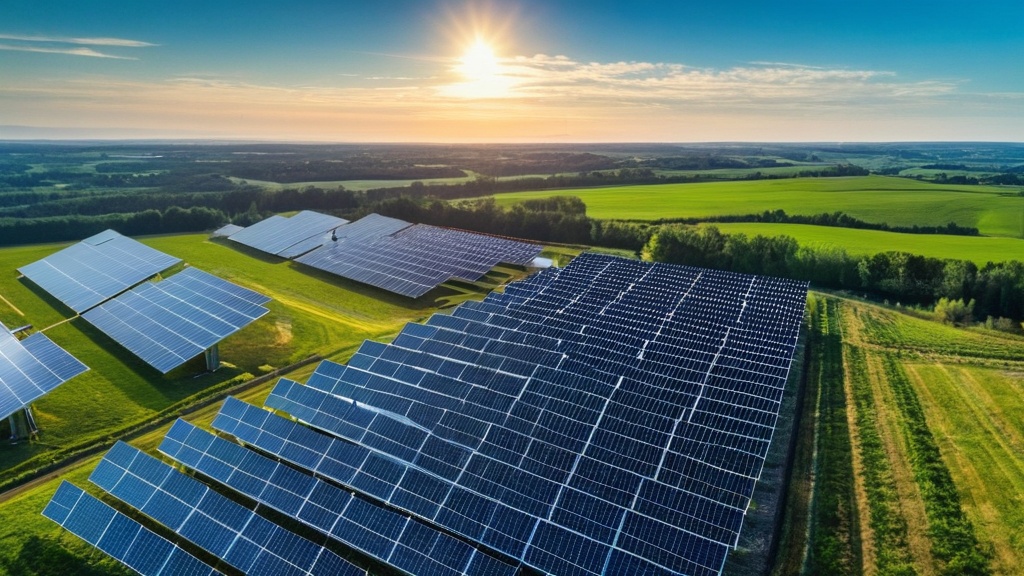
In recent years, the global energy sector has undergone a significant transition toward renewable sources, driven by the need to address climate change and decrease dependence on fossil fuels. Clean energy companies develop and deploy technologies that utilize renewable resources including solar, wind, hydroelectric, and geothermal power. These organizations contribute to environmental sustainability while simultaneously stimulating economic development and employment opportunities.
As climate change impacts intensify globally, clean energy companies have become essential participants in establishing a sustainable energy infrastructure. The expansion of clean energy companies reflects a structural transformation in energy production and consumption patterns. Technological improvements and growing public concern about environmental degradation have prompted these companies to develop more efficient renewable energy solutions.
The shift toward clean energy addresses multiple objectives beyond carbon emission reduction, including energy independence, economic expansion, and equitable resource distribution. Consequently, clean energy companies are positioned as primary drivers in establishing a sustainable and resilient energy system for the future.
Key Takeaways
- Clean energy companies are pivotal in driving sustainability and reducing carbon footprints globally.
- Innovations in technology and renewable sources like solar and wind are transforming the energy landscape.
- Corporate social responsibility and strong policies enhance the credibility and growth of clean energy firms.
- Investment in clean energy shows promising financial performance despite regulatory and market challenges.
- Collaboration among stakeholders is essential for overcoming obstacles and advancing future clean energy trends.
The Role of Clean Energy in Achieving Sustainability
Clean energy plays a pivotal role in achieving sustainability by providing alternatives to traditional energy sources that are often associated with environmental degradation and health risks. By utilizing renewable resources, clean energy companies help mitigate greenhouse gas emissions, which are a primary driver of climate change. This shift not only benefits the planet but also enhances public health by reducing air and water pollution associated with fossil fuel extraction and combustion.
The integration of clean energy into the global energy mix is essential for meeting international climate goals, such as those outlined in the Paris Agreement. Moreover, clean energy contributes to economic sustainability by fostering innovation and creating jobs in emerging industries. As countries invest in renewable energy infrastructure, they stimulate local economies and create employment opportunities across various sectors, from manufacturing to installation and maintenance.
The transition to clean energy also encourages energy independence, reducing reliance on imported fossil fuels and enhancing national security. In this context, clean energy is not just an environmental imperative; it is a cornerstone of sustainable development that can drive economic growth while preserving the planet for future generations.
Top Clean Energy Companies Leading the Way
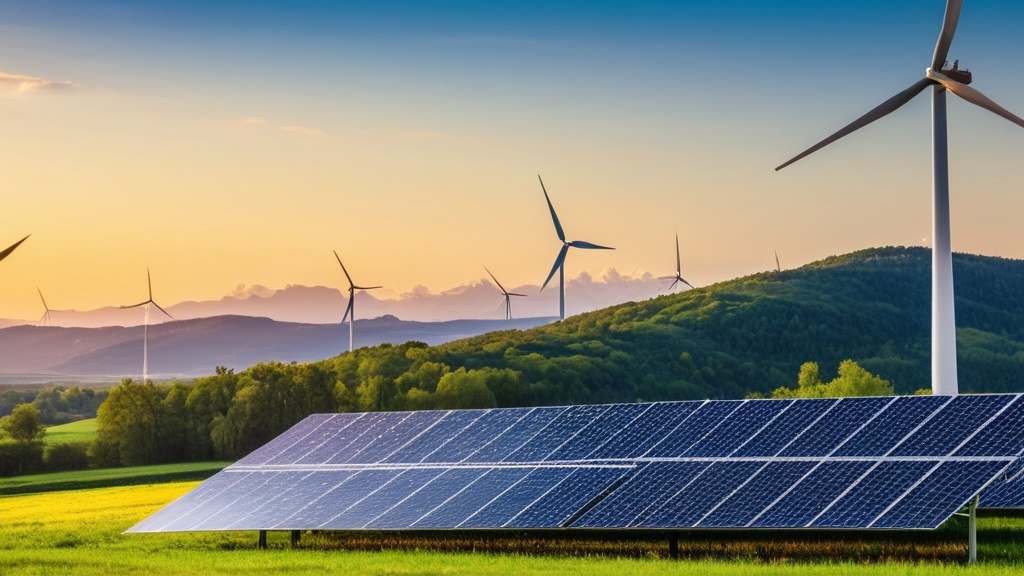
Several clean energy companies have emerged as leaders in the industry, setting benchmarks for innovation and sustainability. Companies like NextEra Energy, Ørsted, and First Solar are at the forefront of the clean energy revolution, each contributing uniquely to the sector’s growth. NextEra Energy, for instance, is recognized as one of the largest producers of wind and solar energy in North America, leveraging its extensive portfolio to drive down costs and increase accessibility to renewable energy sources.
Their commitment to sustainability is evident in their ambitious goals to reduce carbon emissions significantly by 2025. Ørsted, a Danish company formerly known for its fossil fuel operations, has successfully transformed itself into a global leader in offshore wind energy. By investing heavily in renewable projects and committing to a carbon-neutral future by 2025, Ørsted exemplifies how traditional energy companies can pivot towards sustainability.
Similarly, First Solar has made significant strides in solar technology innovation, focusing on manufacturing high-efficiency photovoltaic modules that reduce costs while maximizing energy output. These companies not only lead by example but also inspire others in the industry to adopt sustainable practices.
Innovations in Clean Energy Technologies
Innovation is the lifeblood of the clean energy sector, driving advancements that enhance efficiency and reduce costs. Breakthroughs in solar panel technology, such as bifacial panels that capture sunlight from both sides, have significantly improved energy generation capabilities. Additionally, developments in battery storage technology are revolutionizing how renewable energy is utilized.
Energy storage systems allow for the capture of excess energy generated during peak production times, which can then be used during periods of high demand or low production. Moreover, advancements in smart grid technology are transforming how electricity is distributed and consumed. Smart grids enable real-time monitoring and management of energy resources, optimizing efficiency and reducing waste.
These innovations not only enhance the reliability of clean energy systems but also facilitate greater integration of renewable sources into existing infrastructures. As technology continues to evolve, clean energy companies are poised to leverage these advancements to create more resilient and sustainable energy solutions.
Renewable Energy Sources and Their Impact
| Company Name | Headquarters | Primary Energy Source | Annual Energy Production (GWh) | Number of Employees | Market Share (%) |
|---|---|---|---|---|---|
| NextEra Energy | Juno Beach, FL, USA | Wind, Solar | 150,000 | 14,000 | 12.5 |
| Vestas Wind Systems | Aarhus, Denmark | Wind | 90,000 | 29,000 | 8.7 |
| First Solar | Phoenix, AZ, USA | Solar | 45,000 | 6,500 | 5.3 |
| Siemens Gamesa | Bilbao, Spain | Wind | 80,000 | 25,000 | 7.9 |
| Enphase Energy | Fremont, CA, USA | Solar | 20,000 | 2,000 | 3.1 |
Renewable energy sources such as solar, wind, hydroelectricity, and biomass have a profound impact on both the environment and society. Solar power harnesses sunlight through photovoltaic cells or solar thermal systems, providing a clean and abundant source of energy that can be deployed at various scales—from residential rooftops to large solar farms. Wind energy captures kinetic energy from wind currents using turbines, offering a sustainable alternative that has seen exponential growth in recent years.
Hydroelectric power remains one of the most established forms of renewable energy, utilizing flowing water to generate electricity. While it has been criticized for its environmental impact on aquatic ecosystems, advancements in technology are enabling more sustainable practices in hydroelectric generation. Biomass energy, derived from organic materials such as plant matter and waste, presents another avenue for reducing reliance on fossil fuels while promoting waste reduction.
Collectively, these renewable sources contribute to a diversified energy portfolio that enhances resilience against market fluctuations and environmental challenges.
Corporate Social Responsibility in Clean Energy Companies
Corporate social responsibility (CSR) is increasingly becoming a focal point for clean energy companies as they seek to align their business practices with broader societal goals. Many leading firms are adopting CSR initiatives that prioritize environmental stewardship, community engagement, and ethical governance. By committing to transparent reporting practices and sustainable supply chain management, these companies demonstrate accountability to stakeholders while fostering trust within communities.
Furthermore, clean energy companies often engage in philanthropic efforts aimed at supporting local communities affected by the transition to renewable energy. This may include investing in education programs focused on renewable technologies or providing job training for workers transitioning from fossil fuel industries. By actively participating in community development and addressing social equity issues, clean energy companies can enhance their reputations while contributing positively to society.
Clean Energy Investment and Financial Performance
The financial performance of clean energy companies has garnered significant attention from investors seeking sustainable investment opportunities. As global awareness of climate change grows, there is an increasing demand for renewable energy solutions that promise long-term returns while minimizing environmental impact. Many clean energy firms have demonstrated robust financial performance through innovative business models that capitalize on government incentives and consumer demand for green technologies.
Investment in clean energy has proven resilient even during economic downturns, as governments worldwide prioritize green recovery initiatives post-pandemic. The rise of Environmental, Social, and Governance (ESG) investing has further propelled interest in clean energy stocks as investors seek to align their portfolios with their values. As financial markets continue to evolve towards sustainability-focused investments, clean energy companies are well-positioned to attract capital while delivering competitive returns.
Clean Energy Policies and Regulations
Government policies and regulations play a critical role in shaping the landscape for clean energy companies.
These frameworks create a favorable environment for clean energy development by reducing financial barriers and encouraging innovation.
However, regulatory challenges remain prevalent as policymakers navigate the complexities of transitioning from fossil fuels to renewables. Inconsistent regulations across regions can create uncertainty for investors and hinder market growth. To address these challenges, collaboration between governments, industry stakeholders, and advocacy groups is essential to develop coherent policies that promote sustainable practices while ensuring economic viability.
Challenges and Opportunities for Clean Energy Companies
While the clean energy sector presents numerous opportunities for growth and innovation, it is not without its challenges. One significant hurdle is the intermittency of renewable resources such as solar and wind power, which can lead to fluctuations in energy supply. To mitigate this issue, clean energy companies must invest in advanced storage solutions and grid management technologies that enhance reliability.
Additionally, competition within the sector is intensifying as new entrants emerge alongside established players. This competitive landscape necessitates continuous innovation and differentiation strategies to maintain market share. However, these challenges also present opportunities for collaboration among industry stakeholders to share best practices and develop integrated solutions that address common obstacles.
Collaboration and Partnerships in the Clean Energy Sector
Collaboration is essential for driving progress within the clean energy sector. Partnerships between clean energy companies, research institutions, governments, and non-profit organizations can accelerate innovation and facilitate knowledge sharing. Collaborative initiatives often lead to groundbreaking research projects that explore new technologies or business models aimed at enhancing sustainability.
Moreover, strategic alliances can help clean energy companies expand their reach into new markets or diversify their offerings. For instance, partnerships between solar developers and utility companies can streamline project development processes while ensuring grid integration. By working together towards common goals, stakeholders can amplify their impact on advancing clean energy solutions.
The Future of Clean Energy: Trends and Forecasts
The future of clean energy is poised for remarkable growth as technological advancements continue to reshape the industry landscape. Trends such as decentralized energy systems—where consumers generate their own power through rooftop solar panels—are gaining traction as individuals seek greater control over their energy consumption.
Forecasts indicate that global investment in renewable energy will continue to rise significantly over the next decade as countries strive to meet ambitious climate targets. As public awareness of climate issues grows alongside technological advancements, consumer demand for sustainable solutions will drive further innovation within the sector. The future of clean energy holds immense potential for creating a more sustainable world while addressing pressing environmental challenges head-on.
Clean energy companies are increasingly leveraging artificial intelligence to enhance their operational efficiency and drive innovation. A related article that explores the intersection of AI and corporate training is available at Maximizing Efficiency: AI in Corporate Training and Consulting. This piece discusses how AI technologies can be integrated into training programs, ultimately benefiting organizations, including those in the clean energy sector, by improving workforce capabilities and fostering a culture of continuous learning.
FAQs
What are clean energy companies?
Clean energy companies are businesses that focus on producing energy from renewable and environmentally friendly sources such as solar, wind, hydroelectric, geothermal, and biomass. Their goal is to reduce carbon emissions and reliance on fossil fuels.
What types of clean energy technologies do these companies use?
Clean energy companies utilize various technologies including solar panels, wind turbines, hydroelectric dams, geothermal plants, and bioenergy systems to generate electricity or fuel in a sustainable manner.
Why are clean energy companies important?
They play a crucial role in combating climate change by providing alternatives to fossil fuels, reducing greenhouse gas emissions, promoting energy independence, and supporting sustainable economic growth.
How do clean energy companies impact the environment?
Clean energy companies help reduce air and water pollution, lower carbon footprints, and minimize habitat destruction compared to traditional energy sources, contributing to a healthier environment.
Are clean energy companies profitable?
Many clean energy companies are profitable and growing rapidly due to increasing demand for renewable energy, government incentives, and advancements in technology that lower costs.
What challenges do clean energy companies face?
Challenges include high initial investment costs, regulatory hurdles, intermittency of some renewable sources, competition with established fossil fuel industries, and the need for improved energy storage solutions.
How can consumers support clean energy companies?
Consumers can support clean energy by choosing green energy providers, investing in renewable energy stocks or funds, installing solar panels, and advocating for policies that promote clean energy development.
Are clean energy companies regulated?
Yes, clean energy companies are subject to regulations related to environmental standards, safety, grid integration, and subsidies, which vary by country and region.
What is the future outlook for clean energy companies?
The future outlook is positive, with expected growth driven by technological innovation, decreasing costs, increasing environmental awareness, and supportive government policies worldwide.


















Leave a Reply