






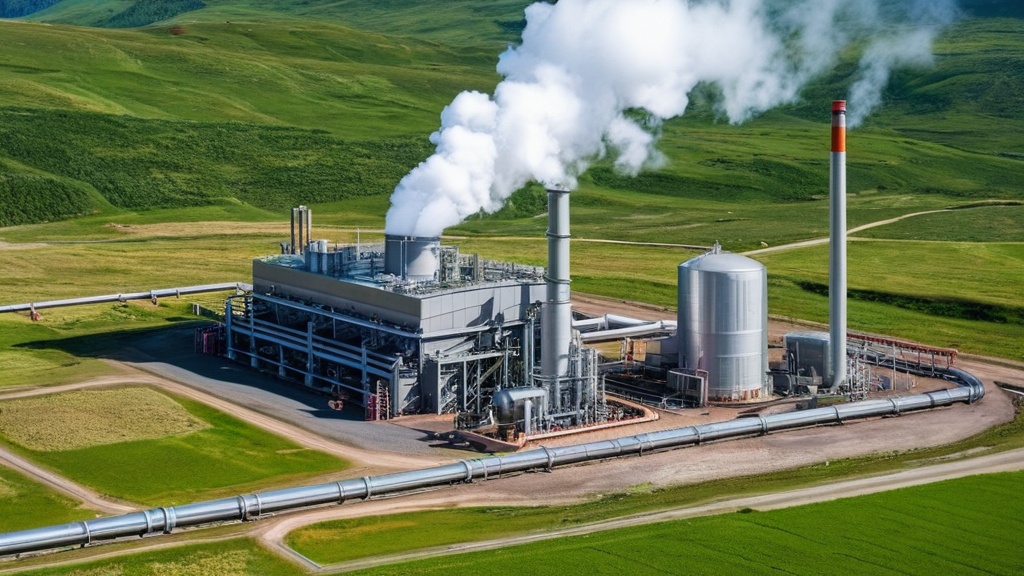
Geothermal power plants convert heat from within the Earth into electricity through technological systems. These facilities utilize geothermal energy as an alternative to fossil fuels. As climate change concerns increase and demand for cleaner energy sources grows, geothermal power offers a practical option.
Unlike solar or wind power, geothermal energy generates electricity consistently regardless of weather conditions. This article examines how geothermal power plants function, their different types, advantages, limitations, and their contribution to renewable energy objectives worldwide. The demand for sustainable energy has increased interest in geothermal power.
Solar and wind energy production varies based on environmental conditions, whereas geothermal energy provides steady, dependable power generation. This consistency is important for meeting current energy demands while reducing environmental impact. Understanding geothermal power plants requires examining their operational methods, various configurations, and their capacity to support energy sustainability.
Key Takeaways
- Geothermal power plants utilize heat from the Earth’s interior to generate electricity.
- There are three main types of geothermal power plants: dry steam, flash steam, and binary cycle.
- Geothermal energy offers benefits like low emissions, reliability, and a small land footprint.
- Challenges include high initial costs, location limitations, and potential environmental concerns.
- Future advancements aim to improve efficiency and expand geothermal energy’s role in renewable goals.
How Geothermal Energy Works
At its core, geothermal energy is derived from the heat stored beneath the Earth’s surface. This heat originates from several sources, including the decay of radioactive materials and residual heat from the planet’s formation. Geothermal power plants tap into this vast reservoir of thermal energy by drilling deep wells into the Earth to access hot water and steam.
Once extracted, this steam can be used to drive turbines connected to electricity generators, converting thermal energy into electrical energy. The process begins with the drilling of wells that reach geothermal reservoirs, often located in areas with volcanic activity or tectonic plate boundaries. The hot water or steam that rises through these wells is then directed to a turbine.
As the steam expands and cools, it turns the turbine blades, which in turn activate a generator to produce electricity. After passing through the turbine, the steam is cooled and condensed back into water, which is then reinjected into the geothermal reservoir to maintain pressure and sustainability.
Types of Geothermal Power Plants
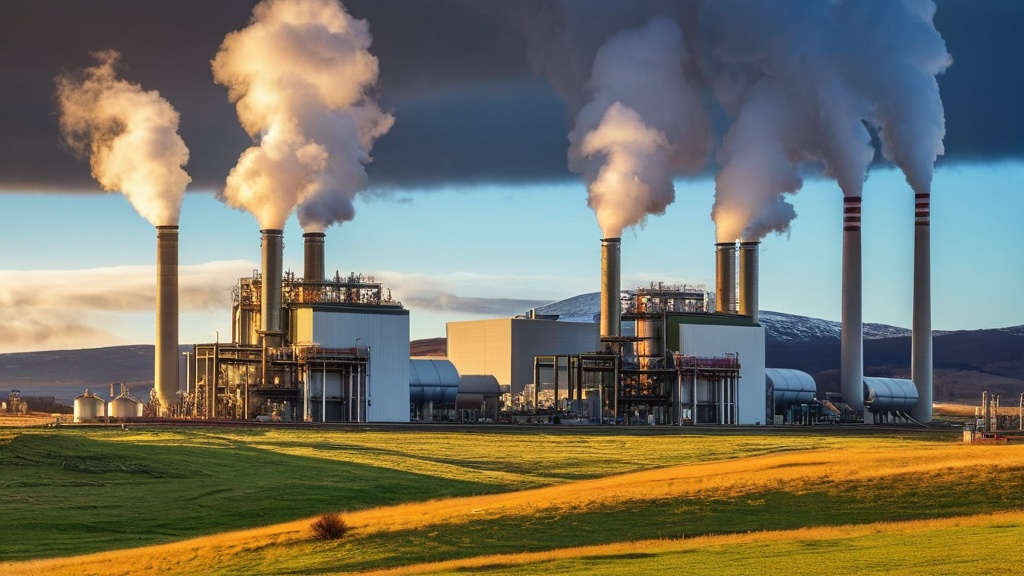
Geothermal power plants can be categorized into three primary types: dry steam plants, flash steam plants, and binary cycle plants. Each type utilizes different methods to convert geothermal energy into electricity, tailored to the specific characteristics of the geothermal resource available. Dry steam plants are the simplest form of geothermal power generation.
They directly utilize steam extracted from geothermal reservoirs to drive turbines. This type of plant is most effective in areas where high-temperature steam is readily available. Flash steam plants, on the other hand, operate by taking high-pressure hot water from the ground and allowing it to “flash” into steam when it reaches lower pressure at the surface.
This rapid transition generates steam that can be used to turn turbines. Lastly, binary cycle plants employ a secondary fluid with a lower boiling point than water. The hot geothermal water heats this secondary fluid in a heat exchanger, causing it to vaporize and drive a turbine.
This method is particularly advantageous in lower temperature geothermal resources.
The Benefits of Geothermal Energy
The advantages of geothermal energy are manifold, making it an attractive option for sustainable power generation. One of the most significant benefits is its low environmental impact compared to fossil fuels. Geothermal power plants emit minimal greenhouse gases and have a small land footprint relative to other renewable energy sources like wind or solar farms.
This makes them an appealing choice for countries aiming to reduce their carbon emissions while still meeting energy demands. Additionally, geothermal energy provides a reliable and consistent power supply. Unlike solar or wind energy, which can be intermittent due to weather conditions, geothermal plants can operate continuously, providing baseload power that stabilizes the grid.
This reliability is crucial for maintaining energy security and supporting economic growth. Furthermore, geothermal energy can contribute to job creation in local communities through plant construction and operation, fostering economic development in regions rich in geothermal resources.
The Challenges of Harnessing Geothermal Energy
| Metric | Value | Unit | Description |
|---|---|---|---|
| Installed Capacity | 15,900 | MW | Total global installed geothermal power capacity (2023) |
| Capacity Factor | 70-90 | % | Typical operational capacity factor range for geothermal plants |
| Average Plant Size | 50 | MW | Average size of a geothermal power plant |
| CO2 Emissions | 45 | g CO2/kWh | Average lifecycle greenhouse gas emissions for geothermal power |
| Typical Well Depth | 1,500-3,000 | meters | Depth range for geothermal wells |
| Plant Efficiency | 10-17 | % | Thermal to electrical conversion efficiency |
| Operational Lifetime | 20-30 | years | Typical lifespan of a geothermal power plant |
Despite its numerous benefits, harnessing geothermal energy is not without challenges. One significant hurdle is the high upfront capital costs associated with drilling and developing geothermal power plants. The exploration phase can be particularly expensive, as it involves extensive geological surveys and drilling exploratory wells to assess resource viability.
If a site does not yield sufficient heat or pressure, significant financial resources may be wasted. Another challenge lies in the geographical limitations of geothermal resources. While many regions around the world possess geothermal potential, not all areas are suitable for power generation due to insufficient heat or accessibility issues.
This geographic constraint can limit the widespread adoption of geothermal energy as a primary power source. Additionally, there are concerns regarding induced seismicity—small earthquakes that can occur as a result of fluid injection or extraction during geothermal operations—which can raise public apprehension about safety.
Geothermal Power Plant Locations
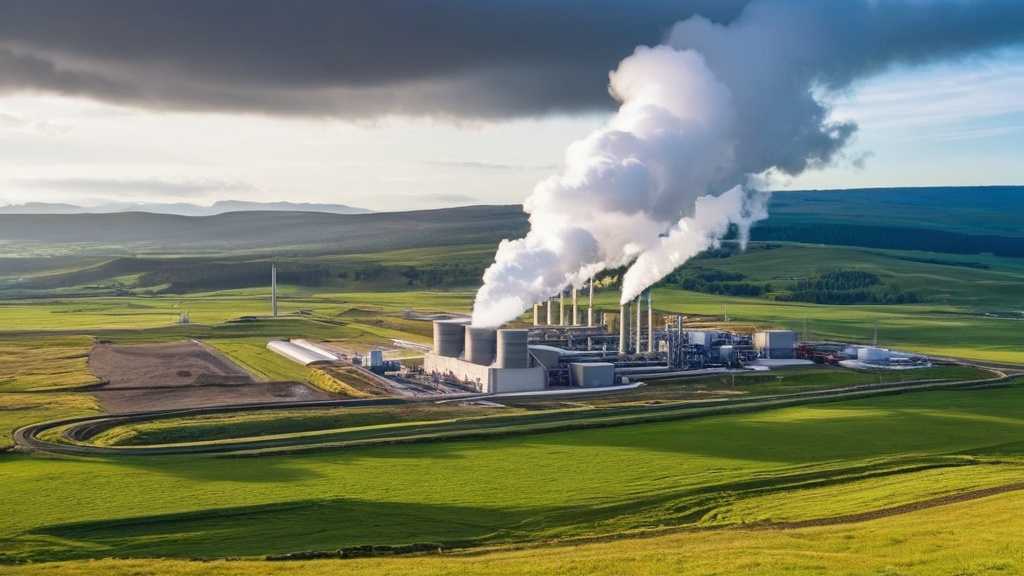
Geothermal power plants are typically located in regions with significant geological activity, such as tectonic plate boundaries or volcanic areas. Countries like Iceland, the United States, Philippines, and New Zealand have capitalized on their unique geological features to develop successful geothermal industries. In Iceland, for instance, nearly 90% of homes are heated using geothermal energy due to its abundant hot springs and volcanic activity.
In the United States, California leads in geothermal electricity production, with several large-scale plants harnessing resources from the Geysers region. Other states like Nevada and Utah also have significant geothermal potential. Globally, countries along the Pacific Ring of Fire—an area known for its high volcanic activity—are prime candidates for geothermal development due to their accessible heat sources.
As technology advances and exploration techniques improve, previously untapped regions may also become viable for geothermal power generation.
Environmental Impact of Geothermal Power Plants
The environmental impact of geothermal power plants is generally considered low compared to traditional fossil fuel sources; however, it is essential to evaluate both positive and negative aspects comprehensively. On one hand, geothermal plants produce minimal greenhouse gas emissions during operation and have a smaller land footprint than many other renewable energy facilities. This makes them an environmentally friendly option for generating electricity while contributing to climate change mitigation efforts.
On the other hand, there are potential environmental concerns associated with geothermal operations. The extraction of geothermal fluids can lead to land subsidence if not managed properly, while improper disposal of wastewater may contaminate local water supplies. Additionally, as mentioned earlier, induced seismicity can occur due to fluid injection practices in some geothermal systems.
To mitigate these risks, it is crucial for operators to adhere to strict environmental regulations and implement best practices in resource management.
Geothermal Energy and Renewable Energy Goals
As nations strive to meet ambitious renewable energy targets set forth in international agreements like the Paris Accord, geothermal energy plays a vital role in diversifying energy portfolios and reducing reliance on fossil fuels. With its ability to provide consistent baseload power alongside other renewables like wind and solar, geothermal energy can help stabilize grids while transitioning towards cleaner energy systems. Many countries are recognizing the potential of geothermal resources as part of their long-term energy strategies.
For instance, countries like Kenya have made significant investments in developing their geothermal capacity as part of their commitment to sustainable development goals. By integrating geothermal energy into national policies and frameworks, governments can enhance energy security while promoting economic growth through job creation in renewable sectors.
Future Developments in Geothermal Power Plants
The future of geothermal power plants looks promising as advancements in technology continue to unlock new possibilities for harnessing this renewable resource. Enhanced geothermal systems (EGS) represent one such innovation that could revolutionize the industry by allowing for heat extraction from previously untapped rock formations through hydraulic fracturing techniques. Moreover, research into improved drilling technologies aims to reduce costs associated with exploration and development significantly.
Innovations such as advanced sensors and data analytics can enhance resource assessment accuracy while minimizing environmental impacts during drilling operations. As these technologies mature and become more widely adopted, they could pave the way for increased investment in geothermal projects worldwide.
Economic Considerations of Geothermal Energy
The economic viability of geothermal power generation is influenced by various factors including initial capital costs, operational expenses, and market dynamics surrounding electricity pricing. While upfront investments can be substantial due to drilling and infrastructure requirements, long-term operational costs tend to be lower compared to fossil fuel plants once established. Furthermore, as global demand for clean energy rises alongside regulatory pressures on carbon emissions, the economic landscape for renewable sources like geothermal is becoming increasingly favorable.
Governments may offer incentives such as tax credits or grants to encourage investment in renewable technologies—further enhancing their attractiveness from an economic standpoint.
The Potential of Geothermal Power Plants
In conclusion, geothermal power plants hold immense potential as a sustainable solution for meeting global energy demands while addressing pressing environmental challenges. With their ability to provide reliable baseload power with minimal emissions, they represent an essential component of a diversified renewable energy portfolio. As technology continues to advance and awareness grows regarding the benefits of harnessing Earth’s internal heat, we can expect increased investment in geothermal projects worldwide.
Embracing this clean resource will not only contribute significantly towards achieving renewable energy goals but also foster economic growth while protecting our planet’s future.
Geothermal power plants are an innovative solution for sustainable energy production, harnessing the Earth’s natural heat to generate electricity. As the world increasingly turns to renewable energy sources, understanding the role of advanced technologies in optimizing these systems becomes crucial. For insights on how artificial intelligence can enhance performance in various sectors, including energy, you can read the article on AI coaching benefits at Enhancing Performance: The Benefits of AI Coaching. This article explores how AI can be leveraged to improve operational efficiency, which is essential for the success of geothermal energy initiatives.
FAQs
What is a geothermal power plant?
A geothermal power plant is a facility that generates electricity by harnessing heat from the Earth’s interior. It uses steam or hot water from underground reservoirs to drive turbines connected to generators.
How does a geothermal power plant work?
Geothermal power plants extract hot water or steam from deep underground through wells. The steam or hot water is then used to spin turbines, which generate electricity. Afterward, the cooled water is often re-injected into the Earth to sustain the reservoir.
What are the main types of geothermal power plants?
There are three main types: dry steam plants, which use steam directly from geothermal reservoirs; flash steam plants, which convert high-pressure hot water into steam; and binary cycle plants, which transfer heat from geothermal water to a secondary fluid with a lower boiling point to generate steam.
Where are geothermal power plants commonly located?
Geothermal power plants are typically located in regions with high geothermal activity, such as along tectonic plate boundaries. Notable locations include Iceland, the Philippines, the United States (especially California and Nevada), Indonesia, and Italy.
What are the environmental impacts of geothermal power plants?
Geothermal power plants produce low greenhouse gas emissions compared to fossil fuels. However, they can release small amounts of gases like hydrogen sulfide and may cause land subsidence or affect local water quality if not managed properly.
Are geothermal power plants renewable?
Yes, geothermal energy is considered renewable because the Earth continuously produces heat. Proper management ensures that geothermal reservoirs are not depleted, allowing sustainable energy production over long periods.
What is the typical lifespan of a geothermal power plant?
Geothermal power plants can operate for 20 to 30 years or more, depending on reservoir management and maintenance. Some plants have been in operation for several decades.
How efficient are geothermal power plants?
Geothermal power plants typically have an efficiency of 10% to 20%, which is lower than some fossil fuel plants. However, their ability to provide constant, baseload power makes them valuable in energy systems.
Can geothermal power plants be built anywhere?
No, geothermal power plants require access to geothermal reservoirs with sufficient heat and fluid. These conditions are usually found in geologically active areas, limiting where plants can be economically developed.
What are the economic benefits of geothermal power plants?
Geothermal power plants provide stable and reliable electricity with low operating costs after initial investment. They can reduce dependence on imported fuels and contribute to local job creation during construction and operation.


















Leave a Reply