








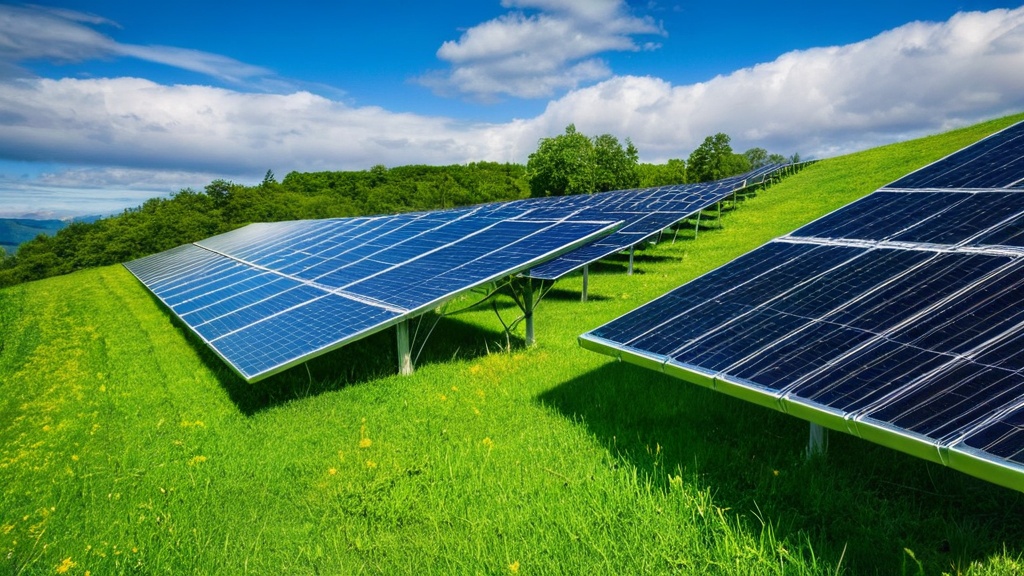
In an era marked by climate change and environmental degradation, the importance of embracing green energy cannot be overstated. As the world grapples with the consequences of fossil fuel dependency, transitioning to renewable energy sources has become a pressing necessity. Green energy, derived from natural processes that are replenished constantly, offers a sustainable alternative to traditional energy sources.
By harnessing the power of the sun, wind, water, and geothermal heat, societies can significantly reduce their carbon footprint and mitigate the adverse effects of climate change. This transition is not merely an environmental imperative; it is also a pathway to economic resilience and social equity. Moreover, embracing green energy fosters innovation and technological advancement.
As countries invest in renewable energy infrastructure, they create opportunities for research and development in energy efficiency and storage solutions. This shift not only leads to job creation in emerging industries but also positions nations as leaders in the global green economy. The urgency to adopt green energy is further amplified by the growing awareness of the finite nature of fossil fuels and the geopolitical tensions surrounding their extraction and distribution.
By prioritizing renewable energy, societies can enhance their energy independence and security while contributing to a more sustainable future.
Key Takeaways
- Embracing green energy is crucial for reducing environmental damage caused by traditional energy sources.
- Renewable energy offers significant benefits, including sustainability, reduced emissions, and long-term cost savings.
- Government policies and technological advancements play key roles in accelerating green energy adoption.
- Green energy contributes to energy security, economic growth, and independence from fossil fuels.
- Both businesses and consumers have vital roles in driving the transition toward a sustainable energy future.
Understanding the Environmental Impact of Traditional Energy Sources
Traditional energy sources, primarily fossil fuels such as coal, oil, and natural gas, have long been the backbone of industrialized societies. However, their environmental impact is profound and far-reaching. The combustion of these fuels releases significant amounts of greenhouse gases (GHGs) into the atmosphere, contributing to global warming and climate change.
Additionally, the extraction processes associated with fossil fuels often lead to habitat destruction, water pollution, and soil degradation. The environmental toll of traditional energy sources extends beyond immediate ecological damage; it also poses long-term risks to human health and biodiversity. The consequences of relying on fossil fuels are evident in the increasing frequency of extreme weather events, rising sea levels, and deteriorating air quality.
Communities around the world are experiencing the direct effects of climate change, from devastating hurricanes to prolonged droughts. Furthermore, traditional energy sources are often linked to social injustices, as marginalized communities disproportionately bear the brunt of environmental degradation. Understanding these impacts is crucial for motivating a shift towards green energy solutions that prioritize sustainability and equity.
Exploring the Benefits of Green Energy
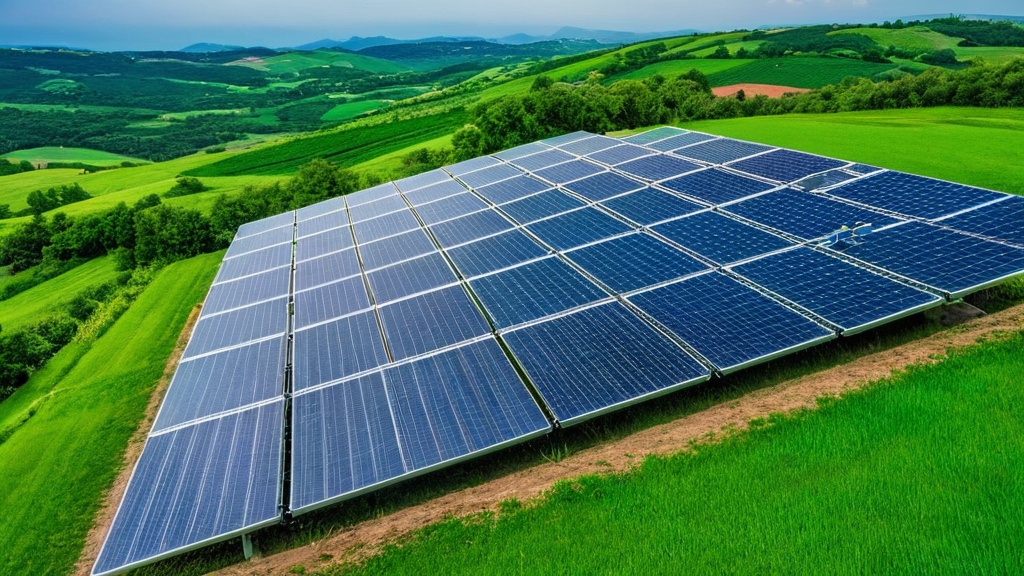
The benefits of green energy extend far beyond environmental preservation; they encompass economic, social, and health-related advantages as well. One of the most significant benefits is the reduction in greenhouse gas emissions, which plays a critical role in combating climate change. By transitioning to renewable energy sources such as solar, wind, and hydroelectric power, societies can drastically lower their carbon emissions and contribute to global efforts to limit temperature rise.
This shift not only helps protect the planet but also promotes public health by reducing air pollution associated with fossil fuel combustion. In addition to environmental benefits, green energy presents substantial economic opportunities. The renewable energy sector has proven to be a catalyst for job creation, with millions of jobs already established in areas such as solar panel installation, wind turbine manufacturing, and energy efficiency retrofitting.
These jobs are often local and cannot be outsourced, providing communities with stable employment opportunities. Furthermore, investing in green energy can lead to lower energy costs over time as technology advances and economies of scale are realized.
The Role of Renewable Energy Sources in Powering the Future
Renewable energy sources are poised to play a pivotal role in powering the future. As technology continues to advance, the efficiency and affordability of renewable energy systems are improving at an unprecedented rate. Solar power, for instance, has seen dramatic reductions in cost over the past decade, making it one of the most accessible forms of energy generation available today.
Wind energy is also experiencing similar trends, with larger turbines and improved grid integration allowing for greater energy capture and distribution. The versatility of renewable energy sources further enhances their potential impact on future energy systems. From solar farms in arid regions to offshore wind installations harnessing powerful ocean breezes, these technologies can be deployed in diverse environments to meet local energy needs.
Additionally, advancements in battery storage technology are addressing one of the primary challenges associated with renewable energy: intermittency. By storing excess energy generated during peak production times for use during periods of low generation, renewable sources can provide a reliable and consistent power supply.
Overcoming Challenges in Implementing Green Energy Solutions
| Green Energy Source | Global Capacity (GW) | Annual Growth Rate (%) | Average Efficiency (%) | CO2 Emissions Reduction (Million Tons/year) |
|---|---|---|---|---|
| Solar Power | 950 | 20 | 15-22 | 800 |
| Wind Power | 750 | 15 | 35-45 | 700 |
| Hydropower | 1300 | 3 | 35-50 | 1000 |
| Geothermal | 15 | 5 | 10-20 | 30 |
| Biomass | 130 | 7 | 20-25 | 150 |
Despite the clear benefits of green energy, several challenges must be addressed to facilitate its widespread adoption. One significant hurdle is the existing infrastructure that heavily favors fossil fuels. Transitioning to renewable energy requires substantial investments in new technologies and grid upgrades to accommodate decentralized power generation.
Additionally, regulatory frameworks often lag behind technological advancements, creating barriers for new entrants in the renewable energy market. Another challenge lies in public perception and acceptance of green energy solutions. Misinformation about renewable technologies can lead to skepticism among consumers and policymakers alike.
To overcome these challenges, comprehensive education campaigns are essential to inform stakeholders about the benefits and feasibility of green energy solutions. Collaboration between governments, businesses, and communities will also be crucial in developing policies that incentivize investment in renewable technologies while ensuring a just transition for workers affected by the decline of fossil fuel industries.
Government Policies and Incentives for Green Energy Adoption
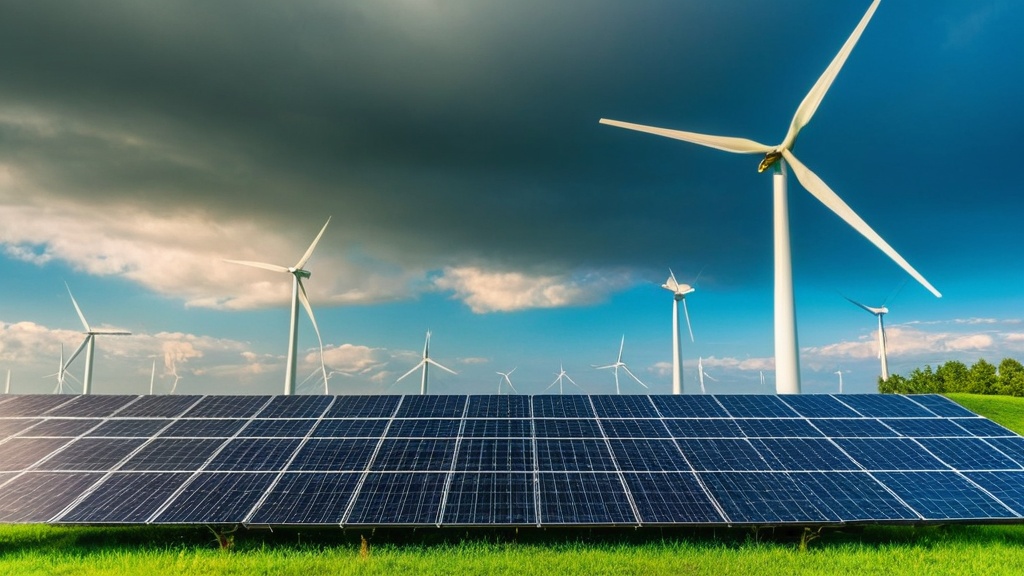
Government policies play a critical role in shaping the landscape for green energy adoption. By implementing supportive regulations and incentives, governments can create an environment conducive to investment in renewable technologies. Policies such as tax credits for solar panel installations or feed-in tariffs for wind energy generation encourage individuals and businesses to adopt clean energy solutions.
Additionally, government funding for research and development can spur innovation in renewable technologies, making them more efficient and cost-effective.
Countries that commit to reducing their carbon emissions often implement national strategies that prioritize renewable energy development.
These strategies not only align with global climate goals but also position nations as leaders in the burgeoning green economy. By fostering collaboration between public and private sectors, governments can accelerate the transition to a sustainable energy future.
The Role of Technology in Advancing Green Energy Solutions
Technology is at the forefront of advancing green energy solutions and driving their adoption across various sectors. Innovations in solar panel design have led to increased efficiency rates and reduced costs, making solar power more accessible than ever before. Similarly, advancements in wind turbine technology have resulted in larger turbines capable of generating more electricity from lower wind speeds.
These technological breakthroughs are essential for maximizing the potential of renewable resources. Moreover, smart grid technology is revolutionizing how electricity is distributed and consumed. By integrating digital communication tools into the electrical grid, utilities can better manage supply and demand fluctuations while enhancing grid reliability.
This technology enables consumers to monitor their energy usage in real-time and make informed decisions about their consumption patterns. As technology continues to evolve, it will play an increasingly vital role in optimizing renewable energy systems and ensuring their seamless integration into existing infrastructures.
The Economic Potential of Green Energy Industries
The economic potential of green energy industries is vast and multifaceted. As countries transition away from fossil fuels, new markets are emerging that focus on renewable technologies and sustainable practices. The global shift towards green energy is projected to create millions of jobs across various sectors, including manufacturing, installation, maintenance, and research and development.
These jobs not only contribute to economic growth but also foster innovation as companies compete to develop cutting-edge solutions. Investing in green energy industries also has positive ripple effects on local economies. Renewable projects often require local labor for construction and maintenance, providing communities with stable employment opportunities that cannot be easily outsourced.
Additionally, as more businesses adopt sustainable practices and invest in renewable technologies, they can reduce operational costs associated with traditional energy sources. This economic transformation presents an opportunity for communities to thrive while contributing to a more sustainable future.
The Impact of Green Energy on Energy Security and Independence
Green energy plays a crucial role in enhancing energy security and independence for nations around the world. By diversifying their energy portfolios with renewable sources such as solar, wind, and hydroelectric power, countries can reduce their reliance on imported fossil fuels that are subject to volatile market fluctuations and geopolitical tensions. This shift not only stabilizes national economies but also strengthens resilience against external shocks that can disrupt traditional supply chains.
Furthermore, investing in domestic renewable energy production fosters local job creation while keeping capital within national borders. As countries harness their natural resources for clean energy generation, they can build a more self-sufficient economy that is less vulnerable to external pressures. This increased independence not only enhances national security but also empowers communities by providing them with control over their own energy futures.
The Role of Businesses and Consumers in Embracing Green Energy
Businesses and consumers play a pivotal role in driving the transition towards green energy solutions. Corporations that prioritize sustainability not only contribute positively to environmental goals but also enhance their brand reputation among increasingly eco-conscious consumers. By adopting renewable technologies such as solar panels or investing in energy-efficient practices within their operations, businesses can reduce their carbon footprint while potentially lowering operational costs.
Consumers also have significant influence over the adoption of green energy through their purchasing decisions. By choosing products from companies committed to sustainability or opting for renewable energy providers when available, individuals can drive demand for clean technologies. Additionally, grassroots movements advocating for policy changes at local or national levels can amplify consumer voices in support of green initiatives.
Together, businesses and consumers can create a powerful force for change that accelerates the transition towards a sustainable future.
The Future Outlook for Green Energy and Sustainable Development
The future outlook for green energy is promising as technological advancements continue to reshape the landscape of global energy production and consumption. With increasing awareness about climate change impacts coupled with growing public support for sustainable practices, governments are likely to prioritize investments in renewable technologies moving forward. This momentum will not only drive innovation but also create new economic opportunities across various sectors.
As we look ahead, it is essential that stakeholders remain committed to fostering collaboration between governments, businesses, communities, and individuals in pursuit of sustainable development goals. By embracing green energy solutions collectively while addressing challenges head-on through education and policy reform efforts—societies can pave the way toward a cleaner environment while ensuring economic prosperity for generations to come. The transition towards green energy represents not just an opportunity but an imperative for building a resilient future that prioritizes both people and planet alike.
While the focus on green energy continues to grow, understanding the broader implications of technological advancements is crucial. For instance, the article on leadership development in the context of emerging technologies can provide valuable insights for executives looking to navigate the transition to sustainable practices. You can read more about this in the article on leadership development coaching strategies for executives.
FAQs
What is green energy?
Green energy refers to energy that is generated from natural, renewable sources such as sunlight, wind, rain, tides, and geothermal heat. It is considered environmentally friendly because it produces little to no greenhouse gas emissions.
What are the main types of green energy?
The main types of green energy include solar power, wind power, hydropower, geothermal energy, and biomass energy. Each type harnesses natural processes to generate electricity or heat.
How does solar energy work?
Solar energy works by converting sunlight into electricity using photovoltaic (PV) cells or by using solar thermal systems to capture heat. PV cells generate direct current (DC) electricity, which is then converted to alternating current (AC) for use in homes and businesses.
Is green energy more expensive than traditional energy?
The cost of green energy has decreased significantly over the years and is now competitive with, or even cheaper than, traditional fossil fuel energy in many regions. Initial installation costs can be higher, but operational costs are generally lower.
What are the environmental benefits of green energy?
Green energy reduces greenhouse gas emissions, decreases air pollution, conserves natural resources, and helps combat climate change. It also reduces dependence on finite fossil fuels.
Can green energy be used everywhere?
Green energy can be used in most locations, but the availability and efficiency depend on local resources. For example, solar power is most effective in sunny regions, while wind power requires consistent wind speeds.
How reliable is green energy?
Green energy sources like solar and wind can be intermittent, depending on weather conditions. However, advances in energy storage technologies and grid management are improving reliability.
What is the role of government in promoting green energy?
Governments often support green energy through policies, subsidies, tax incentives, and research funding to encourage adoption and development of renewable energy technologies.
Can green energy create jobs?
Yes, the green energy sector creates jobs in manufacturing, installation, maintenance, research, and development, contributing to economic growth.
How can individuals use green energy?
Individuals can use green energy by installing solar panels, choosing green energy providers, using energy-efficient appliances, and supporting policies that promote renewable energy.


















Leave a Reply