







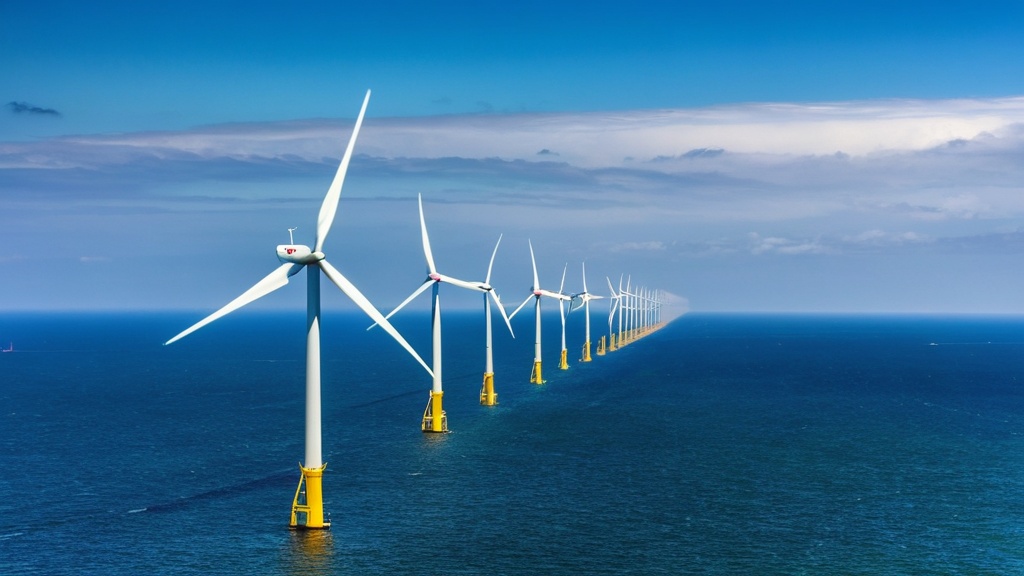
Offshore wind power represents a significant renewable energy technology that utilizes wind resources available over ocean waters. Offshore wind farms can generate electricity at higher capacity factors compared to onshore installations due to stronger and more consistent wind speeds found over marine environments. This technology offers potential for large-scale clean energy production that can contribute to reducing dependence on fossil fuel-based power generation.
Wind speeds offshore are typically 20-40% higher than onshore locations, and the wind flow is less turbulent due to the absence of terrain obstacles. These conditions enable offshore wind turbines to operate more efficiently and generate more electricity per unit. Countries with extensive coastlines can access substantial offshore wind resources to help meet their electricity demand and climate policy objectives.
The offshore wind industry creates employment opportunities across multiple sectors including turbine manufacturing, marine construction, installation services, and ongoing operations and maintenance. The technology requires specialized vessels, foundation systems, and electrical infrastructure, driving innovation in marine engineering and power transmission. Economic activity associated with offshore wind development can benefit coastal regions through job creation, supply chain development, and tax revenue generation.
Several countries have established offshore wind manufacturing facilities and are developing expertise in this growing sector of the renewable energy market.
Key Takeaways
- Offshore wind power offers a significant renewable energy source with vast potential for clean electricity generation.
- Technological advancements are crucial in overcoming challenges like harsh marine conditions and high installation costs.
- Offshore wind farms provide economic benefits including job creation and energy security.
- Environmental impacts are generally positive but require careful management to protect marine ecosystems.
- Government policies and community engagement play key roles in supporting the growth and acceptance of offshore wind projects.
Advantages of Offshore Wind Farms
One of the primary advantages of offshore wind farms is their ability to generate electricity with minimal land use conflicts. Unlike onshore wind farms, which often face opposition from local communities due to concerns about noise, aesthetics, and land use, offshore installations can be placed far from populated areas. This not only alleviates local opposition but also allows for larger turbines that can capture stronger and more consistent winds.
The result is a more efficient energy generation process that can contribute significantly to national grids without encroaching on valuable land resources. Additionally, offshore wind farms benefit from advancements in turbine technology that have made them more efficient and cost-effective. Modern turbines are designed to withstand harsh marine environments and can operate at higher capacities than their onshore counterparts.
This technological evolution has led to a decrease in the cost of offshore wind energy, making it increasingly competitive with traditional energy sources. As economies of scale are realized through larger projects and improved supply chains, the financial viability of offshore wind power continues to strengthen, paving the way for broader adoption.
Challenges of Offshore Wind Power
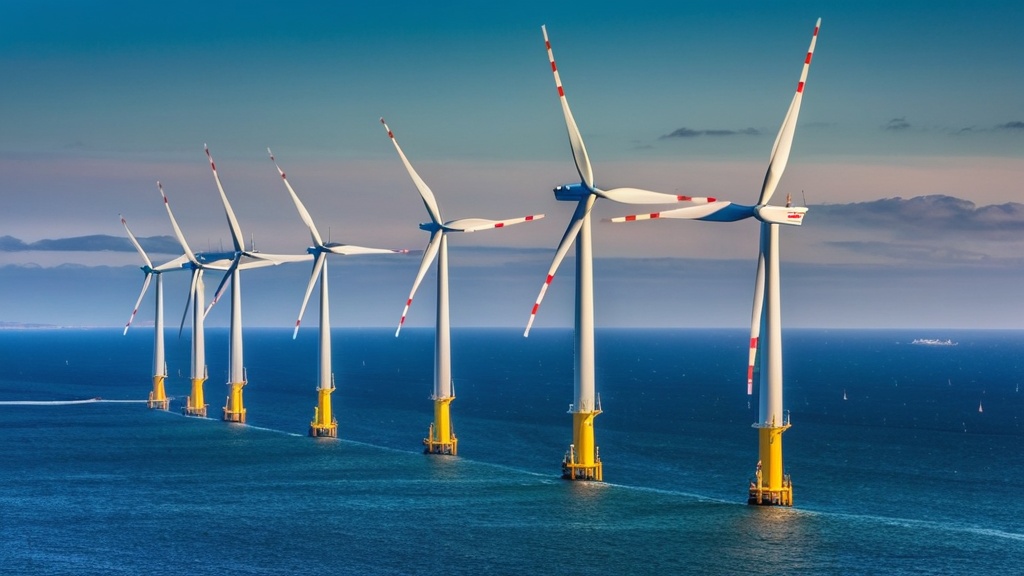
Despite its many advantages, offshore wind power is not without its challenges. One of the most significant hurdles is the high initial capital investment required for the construction and installation of offshore wind farms. The costs associated with marine engineering, logistics, and infrastructure development can be substantial, often deterring potential investors.
Furthermore, the complexity of operating in marine environments adds layers of risk and uncertainty that must be carefully managed to ensure project success. Another challenge lies in the regulatory landscape surrounding offshore wind development. Navigating the permitting process can be cumbersome and time-consuming, often requiring extensive environmental assessments and stakeholder consultations.
This bureaucratic complexity can delay projects and increase costs, making it essential for developers to engage with government agencies and local communities early in the planning process. Addressing these challenges will require collaboration among stakeholders, innovative financing solutions, and streamlined regulatory frameworks to facilitate the growth of offshore wind power.
The Role of Technology in Offshore Wind Power
Technology plays a crucial role in the advancement of offshore wind power, driving improvements in efficiency, reliability, and safety. Innovations in turbine design have led to larger and more powerful units capable of generating more electricity from the same amount of wind. For instance, floating turbine technology allows for installations in deeper waters where winds are stronger and more consistent, expanding the potential for offshore wind development beyond traditional fixed-bottom structures.
Moreover, advancements in data analytics and monitoring systems have enhanced operational efficiency by enabling real-time performance tracking and predictive maintenance. These technologies allow operators to identify potential issues before they escalate into costly failures, thereby maximizing uptime and reducing maintenance costs. As technology continues to evolve, it will play an increasingly vital role in optimizing offshore wind farm operations and ensuring their long-term sustainability.
Environmental Impact of Offshore Wind Farms
| Metric | Value | Unit | Year | Notes |
|---|---|---|---|---|
| Global Installed Capacity | 56 | GW | 2023 | Total offshore wind power capacity worldwide |
| Annual Growth Rate | 25 | % | 2022-2023 | Year-over-year increase in installed capacity |
| Average Capacity Factor | 45 | % | 2023 | Average efficiency of offshore wind farms |
| Largest Offshore Wind Farm Capacity | 1.2 | GW | 2023 | Capacity of Hornsea One, UK |
| Average Turbine Size | 12 | MW | 2023 | Typical size of new offshore wind turbines |
| Global Investment | 30 | billion | 2023 | Annual investment in offshore wind projects |
| CO2 Emissions Avoided | 120 | million tons | 2023 | Estimated annual emissions reduction |
The environmental impact of offshore wind farms is a topic of considerable interest and debate. On one hand, these installations provide a clean source of energy that can significantly reduce greenhouse gas emissions and combat climate change. By displacing fossil fuel-based power generation, offshore wind farms contribute to cleaner air and a healthier environment for both marine life and coastal communities.
However, the construction and operation of offshore wind farms can also pose risks to marine ecosystems. Concerns have been raised about potential impacts on fish populations, migratory bird patterns, and underwater habitats. It is essential for developers to conduct thorough environmental assessments and engage with ecologists to mitigate these impacts effectively.
By implementing best practices in site selection, construction techniques, and ongoing monitoring, the industry can minimize its ecological footprint while maximizing its contributions to renewable energy generation.
Economic Benefits of Offshore Wind Power
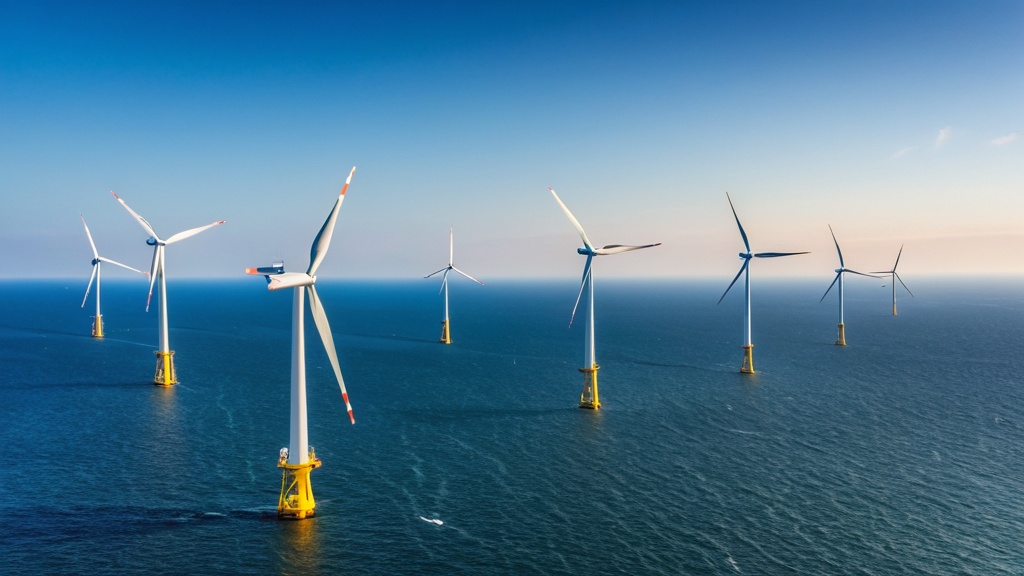
The economic benefits of offshore wind power extend far beyond job creation; they encompass a wide range of positive impacts on local and national economies. As countries invest in offshore wind projects, they stimulate growth in related industries such as manufacturing, logistics, and research and development. This ripple effect creates new opportunities for businesses and workers alike, fostering innovation and enhancing competitiveness in the global market.
Furthermore, offshore wind power can contribute to energy independence by reducing reliance on imported fossil fuels. By harnessing domestic renewable resources, countries can stabilize their energy prices and enhance their energy security. This shift not only benefits consumers through lower energy costs but also strengthens national economies by keeping energy spending within local communities.
As the demand for clean energy continues to rise, the economic case for investing in offshore wind power becomes increasingly compelling.
Offshore Wind Power Projects Around the World
Around the globe, numerous offshore wind power projects are making headlines as countries race to harness this renewable resource. In Europe, nations like Denmark, Germany, and the United Kingdom have established themselves as leaders in offshore wind development, boasting some of the largest operational farms in the world. These projects have set ambitious targets for expansion, aiming to increase their capacity significantly over the next decade.
China has rapidly become a dominant player in the industry, with numerous large-scale projects underway along its coastline. Meanwhile, Japan is investing heavily in offshore wind as part of its strategy to diversify its energy mix following the Fukushima disaster.
As these projects come online, they will contribute to a growing global network of offshore wind farms that collectively enhance energy security and sustainability.
Government Policies and Incentives for Offshore Wind Power
Government policies play a pivotal role in shaping the future of offshore wind power by providing the necessary framework for investment and development. Many countries have implemented ambitious renewable energy targets that include specific goals for offshore wind capacity. These targets create a clear signal to investors and developers about the long-term viability of offshore projects.
In addition to setting targets, governments often provide financial incentives such as tax credits, grants, or feed-in tariffs to encourage investment in offshore wind power. These incentives help offset initial capital costs and make projects more financially attractive.
By fostering a supportive policy environment, governments can catalyze growth in the offshore wind sector while simultaneously addressing climate change goals.
Future Prospects for Offshore Wind Power
The future prospects for offshore wind power are incredibly promising as technological advancements continue to drive down costs and improve efficiency. With increasing global demand for clean energy solutions, many experts predict that offshore wind will play a central role in meeting future energy needs. As countries commit to ambitious carbon neutrality goals by mid-century, investments in offshore wind infrastructure are expected to surge.
Moreover, innovations such as floating turbines are opening up new possibilities for development in deeper waters previously deemed unsuitable for traditional fixed-bottom installations. This expansion will allow countries with limited shallow coastal areas to tap into abundant offshore wind resources. As research continues into optimizing turbine design and improving grid integration technologies, the potential for offshore wind power will only grow stronger.
Community Engagement and Offshore Wind Power
Community engagement is essential for the successful development of offshore wind power projects. Local communities often have valid concerns regarding environmental impacts, visual aesthetics, and potential disruptions during construction phases. Engaging with stakeholders early in the planning process helps build trust and fosters collaboration between developers and communities.
Transparent communication about project benefits—such as job creation, economic growth opportunities, and contributions to clean energy goals—can help alleviate concerns while garnering support from local residents. By involving communities in decision-making processes and addressing their feedback constructively, developers can create a sense of ownership among stakeholders that ultimately leads to smoother project implementation.
The Role of Offshore Wind Power in the Transition to Clean Energy
Offshore wind power is poised to play a critical role in the global transition to clean energy by providing a reliable source of renewable electricity that can complement other forms of energy generation such as solar or hydropower. As nations strive to decarbonize their economies and reduce greenhouse gas emissions, integrating diverse renewable sources into their energy mix becomes increasingly important. The scalability of offshore wind power allows it to contribute significantly to national grids while supporting efforts toward achieving net-zero emissions targets.
By investing in this clean energy source now, countries can position themselves at the forefront of the renewable energy revolution while ensuring a sustainable future for generations to come. The transition to clean energy is not just an environmental imperative; it is an economic opportunity that can drive innovation and create lasting benefits for society as a whole.
Offshore wind power is rapidly gaining traction as a sustainable energy solution, and understanding the broader implications of technology in various sectors can provide valuable insights. For instance, the article on AI solutions for education and corporate training discusses how innovative technologies can transform industries, much like offshore wind is transforming the energy sector. You can read more about it in the article AI Solutions for Education and Corporate Training: Revolutionizing Learning.
FAQs
What is offshore wind power?
Offshore wind power refers to the generation of electricity using wind turbines located in bodies of water, typically on the continental shelf, where wind speeds are higher and more consistent than on land.
How does offshore wind power work?
Offshore wind turbines capture kinetic energy from wind and convert it into electrical energy. The turbines are mounted on foundations fixed to the seabed or floating structures, and the electricity generated is transmitted to shore via underwater cables.
What are the advantages of offshore wind power?
Offshore wind power offers several benefits, including stronger and more consistent winds, reduced visual and noise impact compared to onshore turbines, large available space for development, and the potential to generate significant amounts of renewable energy.
What are the challenges associated with offshore wind power?
Challenges include high installation and maintenance costs, complex logistics, environmental concerns such as impacts on marine life, and the need for specialized infrastructure to transmit electricity to the grid.
Where are offshore wind farms typically located?
Offshore wind farms are usually located in shallow coastal waters on the continental shelf, where wind resources are abundant and water depths allow for stable turbine foundations. Some newer projects use floating turbines in deeper waters.
How is offshore wind power connected to the electrical grid?
Electricity generated by offshore turbines is collected at an offshore substation and transmitted to shore through high-voltage submarine cables. From there, it is integrated into the onshore electrical grid.
What is the environmental impact of offshore wind power?
Offshore wind power produces clean energy with no direct greenhouse gas emissions. However, construction and operation can affect marine ecosystems, bird migration, and fisheries, which are carefully assessed and managed through environmental studies.
How does offshore wind power compare to onshore wind power?
Offshore wind generally benefits from stronger and more consistent winds, leading to higher energy output. However, it is more expensive to develop and maintain due to the marine environment and infrastructure requirements.
What is the current global status of offshore wind power?
Offshore wind power capacity has been rapidly growing worldwide, with significant installations in Europe, Asia, and North America. Many countries have ambitious plans to expand offshore wind as part of their renewable energy strategies.
What technologies are used in offshore wind turbines?
Technologies include advanced turbine designs with larger blades and higher towers, floating foundation systems for deep waters, and digital monitoring systems for efficient operation and maintenance.


















Leave a Reply