







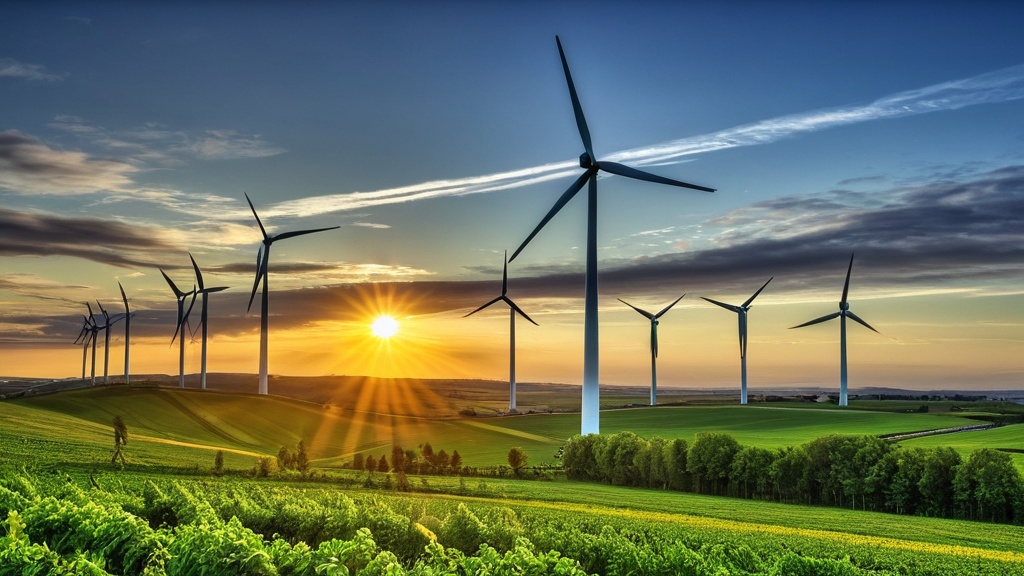
Wind energy represents a significant renewable energy technology that converts atmospheric wind motion into electrical power through turbine systems. Global concerns regarding climate change and fossil fuel depletion have accelerated interest in wind energy as a low-carbon electricity generation method. Technological developments have improved wind energy efficiency and reduced implementation costs over the past several decades.
Wind energy systems operate by capturing kinetic energy from moving air masses and converting it to rotational mechanical energy through aerodynamically designed turbine blades. This mechanical energy drives electrical generators that produce grid-compatible electricity. Modern wind turbines incorporate advanced materials, control systems, and design optimization to maximize energy capture across varying wind conditions.
The deployment of wind energy infrastructure has expanded globally as governments implement renewable energy policies and carbon reduction targets. Wind power installations now contribute measurable percentages to national electricity grids in numerous countries. Economic factors including declining technology costs, government incentives, and long-term power purchase agreements have supported wind energy market growth.
Wind energy development involves considerations of resource assessment, environmental impact, grid integration requirements, and economic viability. Site selection depends on wind resource quality, transmission infrastructure access, and regulatory approval processes. Environmental assessments evaluate potential effects on wildlife, noise levels, and visual impacts on surrounding communities.
Key Takeaways
- Wind energy is a renewable power source harnessed through wind turbines converting kinetic energy into electricity.
- Historically, wind power has evolved from simple sails and mills to advanced modern turbines.
- Wind energy offers environmental benefits like reduced greenhouse gas emissions and sustainable power generation.
- Technological innovations and improved grid integration are enhancing the efficiency and reliability of wind power.
- Despite challenges such as intermittency and economic factors, wind energy is expanding globally with promising future prospects.
The History of Wind Power
The utilization of wind power dates back thousands of years, with evidence suggesting that ancient civilizations harnessed wind energy for various purposes. The earliest known windmills appeared in Persia around 500-900 AD, primarily used for grinding grain and pumping water. These rudimentary machines laid the groundwork for future developments in wind technology.
As societies evolved, so did the applications of wind power, with European countries adopting windmills for agricultural and industrial uses during the Middle Ages. The modern era of wind power began in the late 19th century when inventors started to explore its potential for generating electricity. In 1887, Scottish inventor James Blyth built the first known wind turbine to produce electricity for his home.
This innovation sparked interest in harnessing wind energy for broader applications. However, it wasn’t until the oil crises of the 1970s that wind power gained significant traction as an alternative energy source. Governments worldwide began investing in research and development, leading to technological advancements that would shape the future of wind energy.
The Benefits of Wind Energy
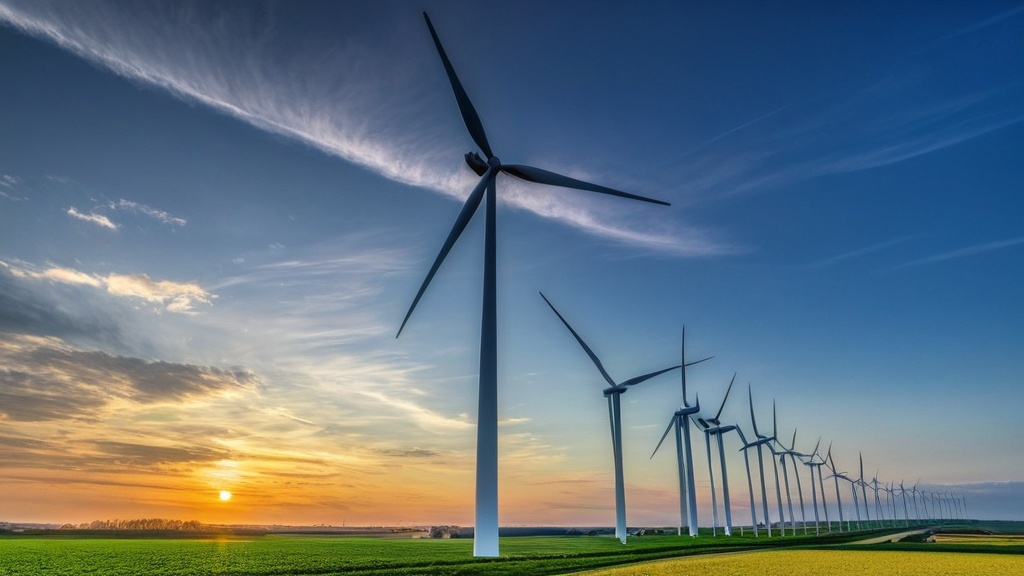
Wind energy offers a plethora of benefits that make it an attractive option for both consumers and governments. One of the most significant advantages is its sustainability; wind is an inexhaustible resource that can be harnessed without depleting natural reserves. Unlike fossil fuels, which contribute to environmental degradation and climate change, wind energy produces no direct emissions during operation.
This characteristic positions wind power as a key player in global efforts to combat climate change and transition to a low-carbon economy. Additionally, wind energy contributes to energy independence and security. By investing in domestic wind power projects, countries can reduce their reliance on imported fossil fuels, thereby enhancing their energy sovereignty.
This shift not only stabilizes energy prices but also creates jobs in manufacturing, installation, and maintenance of wind turbines. Furthermore, as technology continues to advance, the cost of producing wind energy has decreased significantly, making it one of the most economically viable forms of renewable energy available today.
How Wind Turbines Work
At the heart of wind energy generation are wind turbines, which convert kinetic energy from the wind into mechanical energy and subsequently into electricity. A typical wind turbine consists of several key components: blades, a rotor, a gearbox, a generator, and a tower. When the wind blows, it causes the blades to rotate around the rotor.
This rotational motion is then transferred to the gearbox, which increases the rotational speed before it reaches the generator. The generator plays a crucial role in this process; it converts mechanical energy into electrical energy through electromagnetic induction. The electricity produced can then be fed into the grid or stored for later use.
This intricate interplay of components allows wind turbines to harness nature’s power effectively and sustainably.
The Environmental Impact of Wind Energy
| Metric | Value | Unit | Description |
|---|---|---|---|
| Global Installed Capacity | 906 | GW | Total worldwide wind power capacity as of 2023 |
| Capacity Factor | 35-45 | % | Average percentage of actual output over maximum possible output |
| Average Turbine Size | 3.5 | MW | Typical rated power of modern onshore wind turbines |
| Offshore Wind Capacity | 60 | GW | Installed offshore wind power capacity globally |
| Annual Growth Rate | 10 | % | Yearly increase in global wind power capacity |
| CO2 Emissions Avoided | 1,100 | Million Tons | Estimated annual CO2 emissions avoided due to wind power |
| Average Wind Speed for Operation | 6-9 | m/s | Typical wind speed range for efficient turbine operation |
The environmental impact of wind energy is overwhelmingly positive when compared to traditional fossil fuel sources. Wind power generation produces no air pollutants or greenhouse gases during operation, significantly reducing its carbon footprint. This clean energy source helps mitigate climate change by displacing carbon-intensive electricity generation methods such as coal and natural gas.
Moreover, wind farms can coexist with agricultural land or grazing areas, allowing for dual land use that benefits local economies. However, it is essential to acknowledge that wind energy is not without its environmental challenges. The construction and operation of wind farms can impact local wildlife and ecosystems.
For instance, birds and bats may be at risk from turbine blades. To address these concerns, developers are increasingly implementing measures such as siting turbines away from migratory paths and utilizing technology to detect and mitigate wildlife interactions. Overall, while there are challenges associated with wind energy’s environmental impact, they are generally outweighed by its benefits.
The Global Expansion of Wind Power
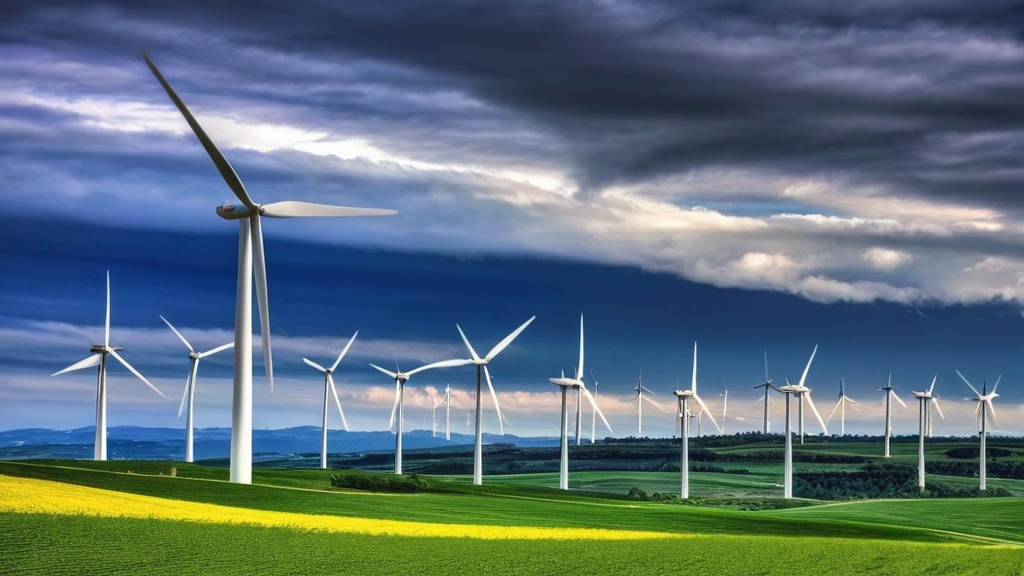
The global expansion of wind power has been remarkable over the past few decades. According to the Global Wind Energy Council (GWEC), installed wind capacity has grown exponentially from just a few gigawatts in the early 1990s to over 700 gigawatts by 2020. This growth has been driven by supportive government policies, technological advancements, and increasing public awareness of climate change issues.
Countries such as China, the United States, Germany, and India have emerged as leaders in wind energy production. China has become the world’s largest producer of wind energy, accounting for nearly one-third of global capacity. The Chinese government has made substantial investments in renewable energy infrastructure as part of its commitment to reducing carbon emissions and transitioning to cleaner sources of power.
Meanwhile, countries like Denmark have set ambitious targets for renewable energy integration into their national grids, showcasing how proactive policies can drive growth in this sector.
Challenges and Solutions in Wind Energy
Despite its many advantages, the wind energy sector faces several challenges that must be addressed to ensure its continued growth and sustainability. One significant challenge is intermittency; wind is not always available when demand is high. This variability can create difficulties for grid operators who must balance supply and demand effectively.
To mitigate this issue, advancements in energy storage technologies are crucial. Battery storage systems can store excess energy generated during windy periods for use during calm periods. Another challenge lies in public perception and acceptance of wind farms.
Some communities may oppose new installations due to concerns about noise, aesthetics, or potential impacts on local wildlife. Engaging with local stakeholders early in the planning process can help address these concerns and foster community support for projects. Additionally, transparent communication about the benefits of wind energy can help shift public perception positively.
The Economics of Wind Energy
The economics of wind energy have shifted dramatically over recent years due to technological advancements and increased competition within the sector. The cost of generating electricity from wind has decreased significantly; according to recent reports from the International Renewable Energy Agency (IRENA), onshore wind power is now one of the most cost-effective sources of new electricity generation globally. This trend has made it an attractive option for utilities and investors alike.
Moreover, government incentives such as tax credits and renewable portfolio standards have further stimulated investment in wind projects. These financial mechanisms encourage developers to pursue new installations while providing consumers with access to cleaner energy at competitive prices. As economies continue to prioritize sustainability and decarbonization efforts, the economic viability of wind energy will likely strengthen even further.
Innovations in Wind Technology
Innovation plays a pivotal role in advancing the efficiency and effectiveness of wind energy systems. Recent developments include larger turbine designs that capture more wind energy while reducing costs per megawatt generated. For instance, offshore wind farms are increasingly utilizing floating turbine technology that allows installations in deeper waters where winds are stronger and more consistent.
Additionally, digital technologies such as artificial intelligence (AI) and machine learning are being integrated into turbine operations to optimize performance and predictive maintenance schedules. These innovations enhance reliability while minimizing downtime and operational costs. As research continues to push boundaries within this field, we can expect even more groundbreaking advancements that will shape the future landscape of wind energy.
Wind Energy and Grid Integration
Integrating wind energy into existing power grids presents both opportunities and challenges for utilities worldwide.
Smart grid technologies offer solutions by enabling real-time monitoring and management of electricity flows across networks.
Moreover, regional interconnections between grids can facilitate better resource sharing among neighboring areas with varying levels of renewable generation capacity. By leveraging these connections effectively, utilities can enhance grid stability while maximizing the use of clean energy sources like wind power.
The Future of Wind Energy
The future of wind energy looks promising as technological advancements continue to drive down costs while improving efficiency and reliability. With global commitments to reduce carbon emissions intensifying amid climate change concerns, investment in renewable sources will likely accelerate further over the coming years. As countries strive toward achieving net-zero emissions targets by mid-century or sooner—wind power will undoubtedly play an integral role in this transition alongside other renewables such as solar and hydropower.
Collaborative efforts among governments, businesses, researchers, and communities will be essential for unlocking the full potential of this abundant resource while addressing challenges along the way. In conclusion, understanding the complexities surrounding wind energy—from its historical roots through current innovations—provides valuable insights into how we can harness this powerful resource sustainably moving forward into an uncertain future marked by climate change challenges but also immense opportunities for growth within clean technologies like never before seen before!
Wind power is an increasingly vital component of the global energy landscape, offering a sustainable alternative to fossil fuels. As the demand for renewable energy sources grows, innovative approaches to leadership and corporate training become essential for organizations looking to adapt to this shift. For insights on enhancing leadership performance in the context of emerging technologies, you can read the article on how to elevate leadership performance with an AI coach at this link.
FAQs
What is wind power?
Wind power is the process of generating electricity by converting the kinetic energy from wind into mechanical energy using wind turbines.
How does a wind turbine work?
A wind turbine captures wind energy with its blades, which spin a rotor connected to a generator. The generator then converts this mechanical energy into electrical energy.
Is wind power renewable?
Yes, wind power is a renewable energy source because it relies on wind, which is naturally replenished and does not deplete over time.
What are the main components of a wind turbine?
The main components include the blades, rotor, nacelle (which houses the generator and gearbox), tower, and the foundation.
Where are wind farms typically located?
Wind farms are usually located in areas with consistent and strong winds, such as coastal regions, open plains, and hilltops.
What are the environmental benefits of wind power?
Wind power produces no greenhouse gas emissions during operation, reduces reliance on fossil fuels, and has a relatively small land footprint compared to other energy sources.
Are there any disadvantages to wind power?
Some disadvantages include intermittency of wind, noise generated by turbines, visual impact on landscapes, and potential effects on wildlife such as birds and bats.
How much electricity can a wind turbine generate?
Electricity generation depends on the turbine size and wind speed, but modern turbines typically produce between 1.5 to 3 megawatts (MW) each.
Is wind power cost-effective?
Yes, wind power has become one of the most cost-competitive sources of electricity due to advances in technology and economies of scale.
Can wind power be stored?
While wind energy itself cannot be stored, electricity generated from wind can be stored using batteries or other energy storage systems for later use.

















Leave a Reply