







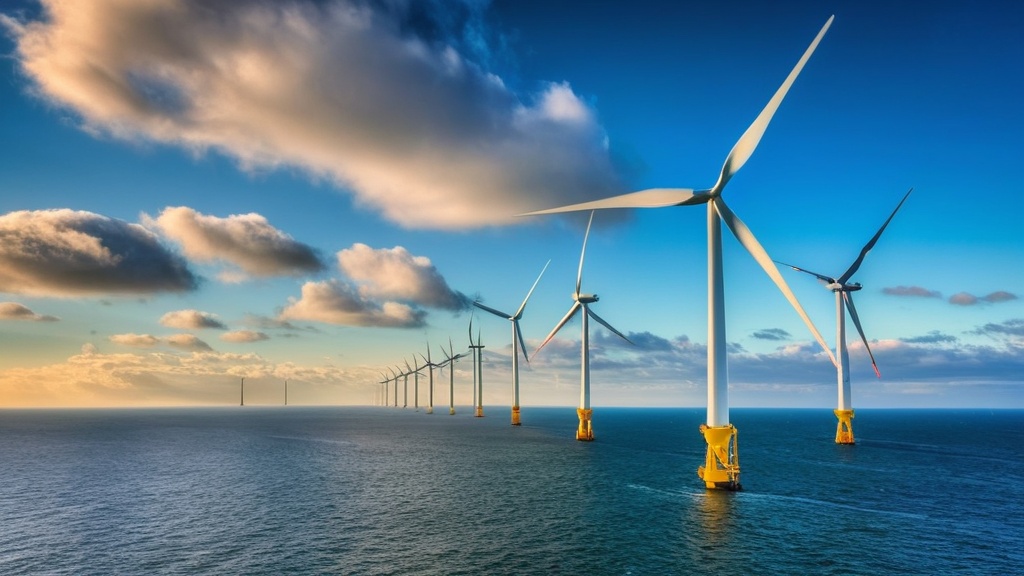
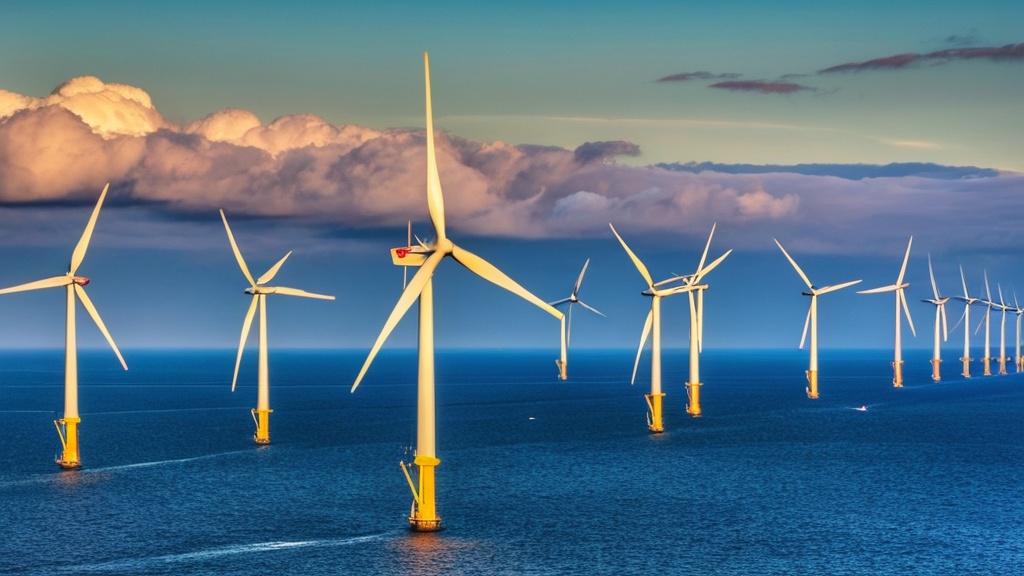
Offshore wind energy has emerged as a formidable player in the global quest for sustainable energy solutions. With vast expanses of ocean and consistent wind patterns, offshore wind farms can harness the power of nature to generate electricity on a scale that is both efficient and environmentally friendly. The potential for offshore wind energy is immense, with estimates suggesting that the global capacity could reach several terawatts, enough to power millions of homes and businesses.
As countries strive to meet their climate goals and reduce reliance on fossil fuels, offshore wind energy stands out as a viable alternative that can significantly contribute to a cleaner energy mix. The geographical advantages of offshore wind farms cannot be overstated. Unlike their onshore counterparts, which are often limited by land availability and local opposition, offshore installations can be placed in areas where wind speeds are higher and more consistent.
This results in greater energy production and efficiency. Furthermore, advancements in technology have made it possible to install larger turbines that can capture more wind energy, thereby increasing the overall output of these projects. As nations look to diversify their energy portfolios, the potential of offshore wind energy is becoming increasingly recognized as a key component in achieving energy independence and sustainability.
Key Takeaways
- Offshore wind energy offers significant potential for large-scale clean power generation.
- Advances in technology are improving turbine efficiency and reducing costs.
- Addressing environmental and logistical challenges is key to sustainable offshore wind development.
- Government policies and incentives play a crucial role in accelerating offshore wind projects.
- Offshore wind is essential for the global transition to renewable energy and economic growth.
Advantages of Offshore Wind Farms
One of the primary advantages of offshore wind farms is their ability to generate large amounts of electricity with minimal environmental impact. The vast ocean spaces allow for the installation of numerous turbines, which can collectively produce significant power without the noise and visual disturbances often associated with onshore wind farms. Additionally, offshore wind farms are less likely to interfere with human activities such as agriculture or urban development, making them an attractive option for energy generation.
Another notable benefit is the reliability of wind resources at sea. Offshore winds tend to be stronger and more consistent than those found on land, leading to higher capacity factors for wind turbines. This means that offshore wind farms can produce electricity more consistently throughout the year, providing a stable source of renewable energy.
Moreover, as technology continues to advance, the efficiency and output of offshore turbines are expected to improve further, making them an increasingly competitive option in the energy market.
Overcoming Challenges in Offshore Wind Energy
Despite the numerous advantages, the development of offshore wind energy is not without its challenges. One significant hurdle is the high initial capital investment required for offshore projects. The costs associated with constructing and maintaining offshore wind farms can be substantial, often deterring potential investors.
However, as technology advances and economies of scale are realized, these costs are expected to decrease, making offshore wind more accessible.
Navigating the complex permitting processes can be time-consuming and cumbersome, often leading to delays in project timelines.
To overcome these obstacles, collaboration between governments, industry stakeholders, and environmental organizations is essential. Streamlining regulations and fostering a supportive policy environment can help accelerate the growth of offshore wind energy and ensure that projects are developed responsibly and sustainably.
Technology and Innovation in Offshore Wind Turbines
The evolution of technology in offshore wind turbines has been nothing short of remarkable. Innovations such as larger rotor diameters and taller towers have significantly increased the efficiency and output of these turbines. Modern designs are capable of harnessing more wind energy while minimizing the impact on marine ecosystems.
Additionally, advancements in materials science have led to lighter and more durable components, allowing for easier installation and maintenance. Moreover, the integration of digital technologies such as artificial intelligence and machine learning is revolutionizing the way offshore wind farms operate. Predictive maintenance systems can analyze data from turbines in real-time, identifying potential issues before they become critical problems.
This proactive approach not only enhances operational efficiency but also extends the lifespan of the equipment. As technology continues to advance, the future of offshore wind energy looks promising, with innovations paving the way for even greater efficiency and sustainability.
Environmental Impact and Sustainability of Offshore Wind Energy
| Metric | Value | Unit | Notes |
|---|---|---|---|
| Global Installed Capacity | 56 | GW | As of 2023 |
| Average Capacity Factor | 40-50 | % | Depends on location and technology |
| Typical Turbine Size | 10-15 | MW | Modern offshore turbines |
| Average Water Depth | 20-60 | meters | Shallow to medium depth sites |
| Average Distance from Shore | 20-50 | km | Varies by project |
| Levelized Cost of Energy (LCOE) | 50-80 | USD/MWh | Cost range for recent projects |
| Annual Growth Rate | 20-30 | % | Projected global growth |
The environmental impact of offshore wind energy is generally positive when compared to traditional fossil fuel sources. Offshore wind farms produce clean electricity without emitting greenhouse gases or pollutants during operation. Furthermore, they can contribute to biodiversity by creating artificial reefs that support marine life.
However, it is crucial to conduct thorough environmental assessments before project development to mitigate any potential negative impacts on local ecosystems. Sustainability is at the core of offshore wind energy’s appeal. As countries strive to meet their climate targets outlined in international agreements such as the Paris Accord, offshore wind presents a scalable solution that aligns with these goals.
By investing in renewable energy sources like offshore wind, nations can reduce their carbon footprints while promoting economic growth through job creation in manufacturing, installation, and maintenance sectors.
Economic Benefits of Offshore Wind Projects
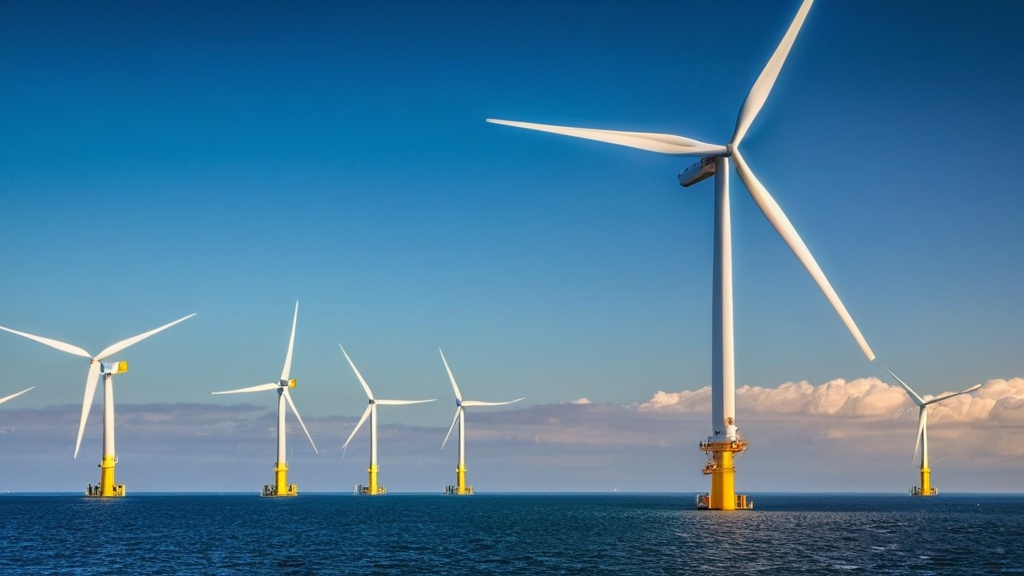
The economic benefits of offshore wind projects extend beyond just electricity generation. These initiatives create jobs across various sectors, from engineering and construction to operations and maintenance. As the industry grows, it has the potential to stimulate local economies by attracting investments and fostering innovation.
The establishment of supply chains for components such as turbines and cables can also lead to significant economic development in coastal regions. Furthermore, offshore wind projects can enhance energy security by diversifying a nation’s energy sources. By reducing dependence on imported fossil fuels, countries can stabilize their energy prices and protect themselves from market fluctuations.
The long-term nature of offshore wind contracts also provides a reliable revenue stream for governments and local communities, ensuring that investments yield sustainable returns over time.
Government Policies and Incentives for Offshore Wind Development
Government policies play a crucial role in shaping the future of offshore wind energy. Supportive regulatory frameworks and financial incentives can significantly accelerate project development and attract private investment. Many countries have implemented feed-in tariffs, tax credits, or grants to encourage the growth of renewable energy sources like offshore wind.
In addition to financial incentives, governments can facilitate research and development initiatives aimed at improving technology and reducing costs associated with offshore wind projects. By fostering collaboration between public institutions, private companies, and research organizations, policymakers can create an environment conducive to innovation and growth in the sector.
The Role of Offshore Wind in the Transition to Clean Energy
As the world grapples with climate change and seeks to transition away from fossil fuels, offshore wind energy plays a pivotal role in this shift towards clean energy. By providing a reliable source of renewable electricity, offshore wind can help reduce greenhouse gas emissions while meeting growing energy demands. This transition is not only essential for environmental sustainability but also for ensuring energy security in an increasingly uncertain global landscape.
Moreover, offshore wind energy aligns with global efforts to achieve net-zero emissions by mid-century.
By prioritizing clean energy solutions, nations can create a sustainable future that benefits both people and the planet.
Global Expansion of Offshore Wind Projects
The global expansion of offshore wind projects is gaining momentum as countries recognize the potential benefits of harnessing this renewable resource. Europe has been at the forefront of this movement, with countries like Denmark, Germany, and the United Kingdom leading the way in developing large-scale offshore wind farms. However, other regions are beginning to follow suit, with significant investments being made in Asia and North America.
The growth of offshore wind projects worldwide is driven by technological advancements that have made it more feasible to install turbines in deeper waters and harsher conditions. As countries continue to invest in infrastructure and research, the global capacity for offshore wind energy is expected to increase dramatically over the coming decades.
Community Engagement and Stakeholder Involvement in Offshore Wind Development
Community engagement is essential for the successful development of offshore wind projects. Local stakeholders must be involved in decision-making processes to ensure that their concerns are addressed and that they benefit from the projects being developed in their vicinity. Transparent communication about project plans, potential impacts, and benefits can foster trust between developers and communities.
Moreover, involving local communities in the planning stages can lead to innovative solutions that enhance project outcomes while minimizing negative impacts. By prioritizing stakeholder involvement, developers can create a sense of ownership among community members, ultimately leading to greater support for offshore wind initiatives.
Future Outlook for Offshore Wind Energy
The future outlook for offshore wind energy is bright as technological advancements continue to drive down costs and improve efficiency. With increasing global demand for clean energy solutions, investments in offshore wind projects are expected to surge over the next few decades. As countries strive to meet their climate goals and transition away from fossil fuels, offshore wind will play an integral role in shaping a sustainable energy landscape.
In conclusion, as we look ahead, it is clear that offshore wind energy has the potential to transform our approach to electricity generation while contributing significantly to environmental sustainability and economic growth. By overcoming challenges through innovation, collaboration, and community engagement, we can harness this powerful resource for a cleaner future for generations to come.
Offshore wind power is rapidly gaining traction as a sustainable energy solution, and understanding the broader implications of technological advancements in various sectors can provide valuable insights. For instance, the article on digital transformation consulting discusses how digital technologies can enhance operational efficiency and decision-making processes, which are crucial for optimizing offshore wind projects. By leveraging these advancements, companies can improve their project management and reduce costs, ultimately contributing to the growth of renewable energy sources like offshore wind.
FAQs
What is offshore wind power?
Offshore wind power refers to the generation of electricity using wind turbines located in bodies of water, typically on the continental shelf, where wind speeds are higher and more consistent than on land.
How does offshore wind power work?
Offshore wind turbines capture kinetic energy from wind and convert it into electrical energy. The turbines are mounted on foundations fixed to the seabed or floating structures, and the electricity generated is transmitted to shore via underwater cables.
What are the advantages of offshore wind power?
Offshore wind power offers several benefits, including stronger and more consistent winds, reduced visual and noise impact compared to onshore turbines, large-scale energy production potential, and the ability to supply clean, renewable energy to coastal regions.
What are the challenges associated with offshore wind power?
Challenges include high installation and maintenance costs, complex logistics due to marine conditions, environmental concerns such as impacts on marine life, and the need for robust grid infrastructure to transmit electricity to shore.
Where are offshore wind farms typically located?
Offshore wind farms are usually located in shallow coastal waters on the continental shelf, where wind resources are abundant and water depths allow for stable turbine foundations. Some newer projects use floating turbines in deeper waters.
How is offshore wind power connected to the electrical grid?
Electricity generated by offshore turbines is collected at offshore substations and transmitted to onshore substations via high-voltage underwater cables, where it is integrated into the national or regional power grid.
What is the environmental impact of offshore wind power?
Offshore wind power produces clean energy with minimal greenhouse gas emissions. However, construction and operation can affect marine ecosystems, including seabirds, fish, and marine mammals, which requires careful environmental assessment and mitigation.
How does offshore wind power compare to onshore wind power?
Offshore wind generally benefits from stronger and more consistent winds, leading to higher energy output. However, it involves higher costs and technical challenges compared to onshore wind farms.
What is the current global status of offshore wind power?
Offshore wind power capacity is rapidly growing worldwide, with significant installations in Europe, Asia, and North America. Many countries have ambitious plans to expand offshore wind as part of their renewable energy strategies.
What technologies are used in offshore wind turbines?
Technologies include fixed-bottom foundations (monopile, jacket, gravity-based), floating platforms for deep waters, advanced turbine designs with larger rotor diameters, and digital monitoring systems for efficient operation and maintenance.



















Leave a Reply