







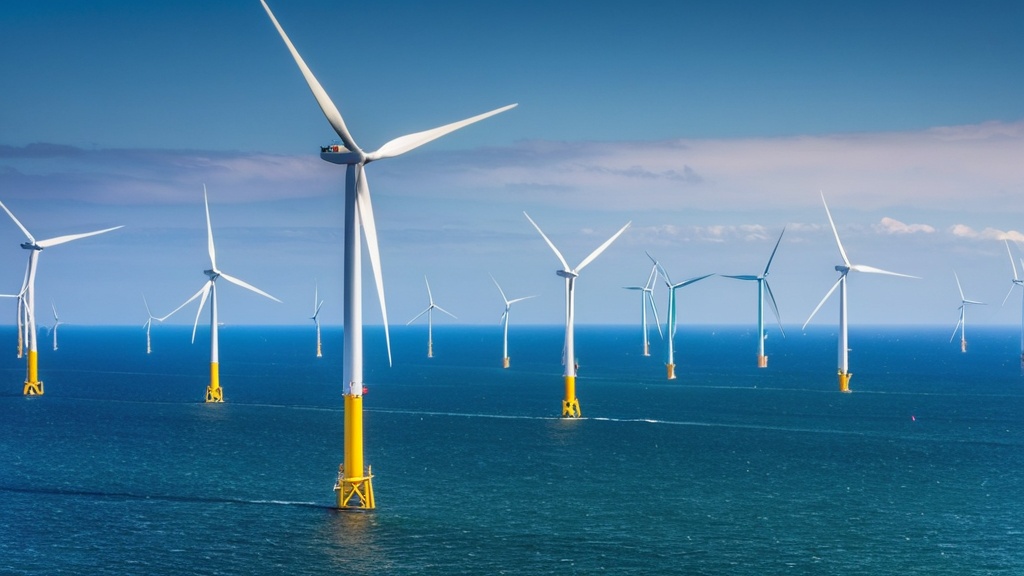
Offshore wind energy has emerged as a formidable player in the global quest for sustainable energy solutions. With vast expanses of ocean and consistent wind patterns, offshore wind farms can harness energy in ways that onshore installations often cannot. The potential for generating electricity from offshore wind is immense, with estimates suggesting that the global offshore wind resource could provide more than 18 terawatts of energy, enough to power billions of homes.
This renewable energy source not only promises to reduce reliance on fossil fuels but also plays a crucial role in mitigating climate change by lowering greenhouse gas emissions. The geographical advantages of offshore wind energy are significant. Coastal regions often experience stronger and more consistent winds than inland areas, making them ideal for wind farm installations.
Furthermore, as technology advances, the feasibility of placing turbines further out to sea becomes increasingly viable, allowing for larger installations that can capture even more energy. The potential for offshore wind energy is not just a theoretical concept; it is a tangible opportunity that countries around the world are beginning to capitalize on, paving the way for a cleaner, more sustainable future.
Key Takeaways
- Offshore wind energy offers significant potential for sustainable and large-scale power generation.
- Technological advancements and innovative turbine designs are crucial for overcoming challenges in offshore wind harnessing.
- Offshore wind farms provide environmental benefits but require careful assessment to minimize ecological impacts.
- Government policies and incentives play a vital role in accelerating offshore wind energy development globally.
- Collaboration among stakeholders drives innovation and supports the future growth of the offshore wind sector.
Advantages of Offshore Wind Farms
One of the primary advantages of offshore wind farms is their ability to generate large amounts of electricity with minimal land use. Unlike onshore wind farms, which can face opposition due to land use conflicts and aesthetic concerns, offshore installations can be placed in areas where they are less likely to interfere with human activities. This allows for the development of vast energy-generating facilities without encroaching on valuable land resources.
Additionally, offshore wind farms can produce energy at a scale that significantly contributes to national grids, enhancing energy security and stability. Another notable advantage is the reduced noise and visual impact associated with offshore wind farms. Turbines located far from shore are less likely to disturb local communities, making them a more socially acceptable option for energy generation.
Moreover, the ocean’s natural environment can help mitigate some of the challenges faced by onshore wind farms, such as turbulence and wake effects. This results in higher capacity factors for offshore turbines, meaning they can operate more efficiently and produce more energy over time.
Challenges and Solutions in Harnessing Offshore Wind
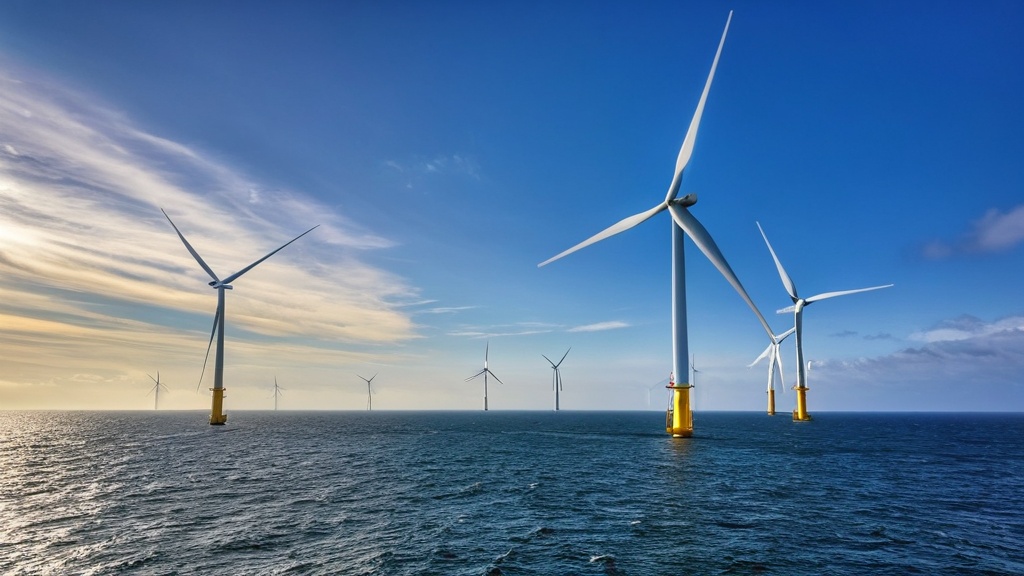
Despite the numerous advantages, harnessing offshore wind energy is not without its challenges. One of the most significant hurdles is the high cost associated with the construction and maintenance of offshore wind farms. The logistics of transporting materials and personnel to remote locations can be complex and expensive.
Additionally, harsh marine environments pose risks to both equipment and workers, necessitating robust engineering solutions and safety protocols. To address these challenges, innovative approaches are being developed. For instance, advancements in floating turbine technology allow for installations in deeper waters where traditional fixed-bottom turbines are not feasible.
This opens up new areas for development and can lead to cost reductions over time as technology matures. Furthermore, collaborative efforts among governments, private companies, and research institutions are essential to share knowledge and resources, ultimately driving down costs and improving efficiency in offshore wind energy projects.
The Role of Technology in Offshore Wind Energy
Technology plays a pivotal role in the advancement of offshore wind energy. From turbine design to data analytics, innovations are transforming how we harness wind power at sea. Modern turbines are equipped with sophisticated sensors and control systems that optimize performance and increase energy output.
These technologies enable real-time monitoring of turbine health and performance, allowing for predictive maintenance that minimizes downtime and maximizes efficiency. Moreover, advancements in digital technologies such as artificial intelligence and machine learning are revolutionizing the way data is analyzed in offshore wind projects. By leveraging vast amounts of data collected from turbines and environmental conditions, operators can make informed decisions that enhance operational efficiency and reduce costs.
The integration of technology not only improves the performance of existing offshore wind farms but also paves the way for future developments that can further expand this renewable energy sector.
Environmental Impact of Offshore Wind Farms
| Metric | Value | Unit | Year | Notes |
|---|---|---|---|---|
| Global Installed Capacity | 56 | GW | 2023 | Total offshore wind capacity worldwide |
| Annual Global Offshore Wind Growth Rate | 25 | % | 2023 | Year-over-year capacity increase |
| Average Turbine Capacity | 12 | MW | 2023 | Typical size of new offshore wind turbines |
| Capacity Factor | 45 | % | 2023 | Average utilization rate of offshore wind farms |
| Leading Country by Installed Capacity | China | N/A | 2023 | Largest offshore wind market |
| Average Offshore Wind Farm Size | 500 | MW | 2023 | Typical size of new projects |
| Average Distance from Shore | 40 | km | 2023 | Distance of offshore wind farms from coastline |
| Average Water Depth | 30 | meters | 2023 | Depth at which turbines are installed |
The environmental impact of offshore wind farms is a critical consideration in their development. While they are generally considered a cleaner alternative to fossil fuels, the construction and operation of these facilities can have ecological consequences. Potential impacts include disturbances to marine ecosystems during installation, changes in local habitats, and effects on bird and marine life due to turbine placement.
However, ongoing research is focused on mitigating these impacts through careful site selection and environmental assessments. By identifying areas with minimal ecological sensitivity for development, stakeholders can minimize disruptions to marine life. Additionally, advancements in turbine design aim to reduce noise pollution and improve safety for wildlife.
As the industry matures, best practices are being established to ensure that offshore wind farms contribute positively to both energy generation and environmental stewardship.
Economic Benefits of Offshore Wind Energy
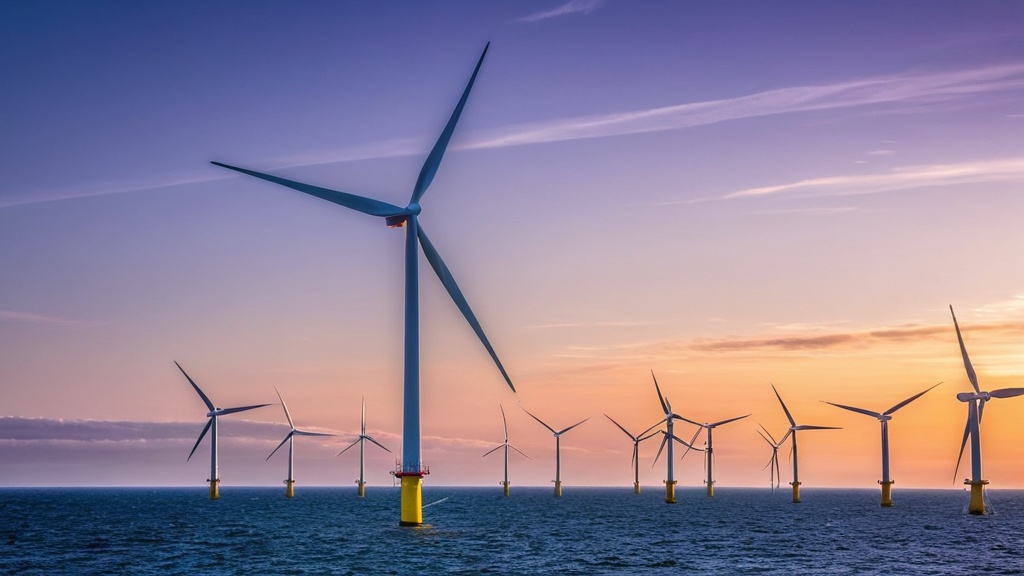
The economic benefits of offshore wind energy extend beyond just job creation; they encompass a wide range of positive impacts on local and national economies. The construction and maintenance of offshore wind farms generate thousands of jobs in various sectors, including engineering, manufacturing, and logistics. These jobs often provide high wages and contribute to local economies by stimulating demand for goods and services.
Furthermore, investing in offshore wind energy can lead to long-term economic stability by diversifying energy sources and reducing dependence on imported fossil fuels. As countries transition towards renewable energy targets, offshore wind farms can play a crucial role in achieving energy independence while fostering innovation and technological advancements within the renewable sector. The economic ripple effects of these projects can be profound, creating a sustainable framework for growth that benefits communities and nations alike.
Government Policies and Incentives for Offshore Wind Development
Government policies play a vital role in shaping the future of offshore wind energy development.
These policies often include financial incentives such as tax credits, grants, and subsidies that lower the barriers to entry for developers.
In addition to financial support, regulatory frameworks are essential for streamlining the permitting process for offshore wind projects. By establishing clear guidelines and timelines for approvals, governments can facilitate faster deployment of renewable energy infrastructure. Collaborative efforts between public agencies and private stakeholders are crucial in creating an environment conducive to innovation and growth within the offshore wind sector.
Global Trends in Offshore Wind Energy
The global landscape of offshore wind energy is rapidly evolving as countries around the world recognize its potential. Europe has long been a leader in this field, with countries like Denmark, Germany, and the United Kingdom investing heavily in offshore wind infrastructure. However, other regions are beginning to catch up; Asia is emerging as a significant player in the offshore wind market, with China leading the charge in terms of installed capacity.
As technology continues to advance and costs decrease, more nations are exploring their own offshore wind potential. The United States is also making strides in this area, with several states setting ambitious targets for offshore wind development. This global trend towards embracing offshore wind energy reflects a collective commitment to sustainable practices and a recognition of the urgent need to address climate change.
The Future of Offshore Wind Energy
The future of offshore wind energy appears bright as technological advancements continue to drive down costs and improve efficiency. As countries set ambitious renewable energy targets, offshore wind will likely play an increasingly prominent role in meeting these goals. The integration of floating turbine technology will open up new areas for development, allowing nations with deep coastal waters to harness their wind resources effectively.
Moreover, as public awareness of climate change grows, there will be greater demand for clean energy solutions like offshore wind. This societal shift will likely lead to increased investment from both public and private sectors, further accelerating growth within this industry. The future holds immense promise for offshore wind energy as it becomes an integral part of a sustainable global energy landscape.
Innovations in Offshore Wind Turbine Design
Innovations in offshore wind turbine design are crucial for enhancing efficiency and reducing costs associated with energy generation at sea. Modern turbines are becoming larger and more powerful, capable of generating significant amounts of electricity from lower wind speeds. These advancements not only improve overall performance but also make it feasible to install turbines further from shore where winds are typically stronger.
Additionally, research into materials science is leading to lighter yet more durable turbine components that can withstand harsh marine environments. Innovations such as modular designs allow for easier transportation and assembly at sea, reducing construction timeframes and costs. As these design innovations continue to evolve, they will play a pivotal role in shaping the future landscape of offshore wind energy.
Collaboration and Partnerships in Offshore Wind Development
Collaboration among various stakeholders is essential for the successful development of offshore wind projects. Partnerships between governments, private companies, research institutions, and local communities foster an environment conducive to innovation and knowledge sharing. By working together, these entities can pool resources, share expertise, and address common challenges faced within the industry.
Furthermore, international collaboration can accelerate progress by allowing countries to learn from each other’s experiences in offshore wind development. Sharing best practices regarding technology deployment, environmental assessments, and regulatory frameworks can lead to more efficient project execution globally. As the demand for renewable energy continues to rise, fostering collaboration will be key to unlocking the full potential of offshore wind energy as a sustainable solution for our planet’s future.
Offshore wind energy is rapidly gaining traction as a sustainable solution to meet global energy demands.
For insights on how organizations can thrive amidst change, you can read more in the article on Mastering Business Agility: Adapt and Thrive in a Dynamic Market.
FAQs
What is offshore wind energy?
Offshore wind energy is the process of generating electricity by using wind turbines located in bodies of water, typically oceans or large lakes, where wind speeds are higher and more consistent than on land.
How do offshore wind turbines work?
Offshore wind turbines convert the kinetic energy from wind into mechanical energy, which is then transformed into electrical energy through a generator. The electricity is transmitted to shore via underwater cables.
What are the advantages of offshore wind compared to onshore wind?
Offshore wind benefits from stronger and more consistent winds, leading to higher energy production. It also reduces land use conflicts and visual impact on populated areas.
What are the main components of an offshore wind farm?
An offshore wind farm typically includes wind turbines, foundations or floating platforms, electrical substations, and underwater cables that connect the turbines to the onshore grid.
What types of foundations are used for offshore wind turbines?
Common foundation types include monopiles, jackets, gravity-based structures, and floating platforms, chosen based on water depth and seabed conditions.
What are the environmental impacts of offshore wind farms?
Offshore wind farms can affect marine ecosystems during construction and operation, but they also contribute to reducing greenhouse gas emissions by providing clean energy.
How is electricity from offshore wind farms transmitted to the grid?
Electricity generated offshore is collected at an offshore substation and transmitted to shore through high-voltage submarine cables, where it is integrated into the onshore power grid.
What countries are leading in offshore wind development?
Countries like the United Kingdom, Germany, China, Denmark, and the Netherlands are among the leaders in offshore wind capacity and development.
What challenges are associated with offshore wind energy?
Challenges include high installation and maintenance costs, harsh marine environments, grid connection complexities, and potential impacts on marine life and shipping routes.
Is offshore wind energy cost-effective?
While initially expensive, offshore wind costs have decreased significantly due to technological advancements and economies of scale, making it increasingly competitive with other energy sources.



















Leave a Reply