







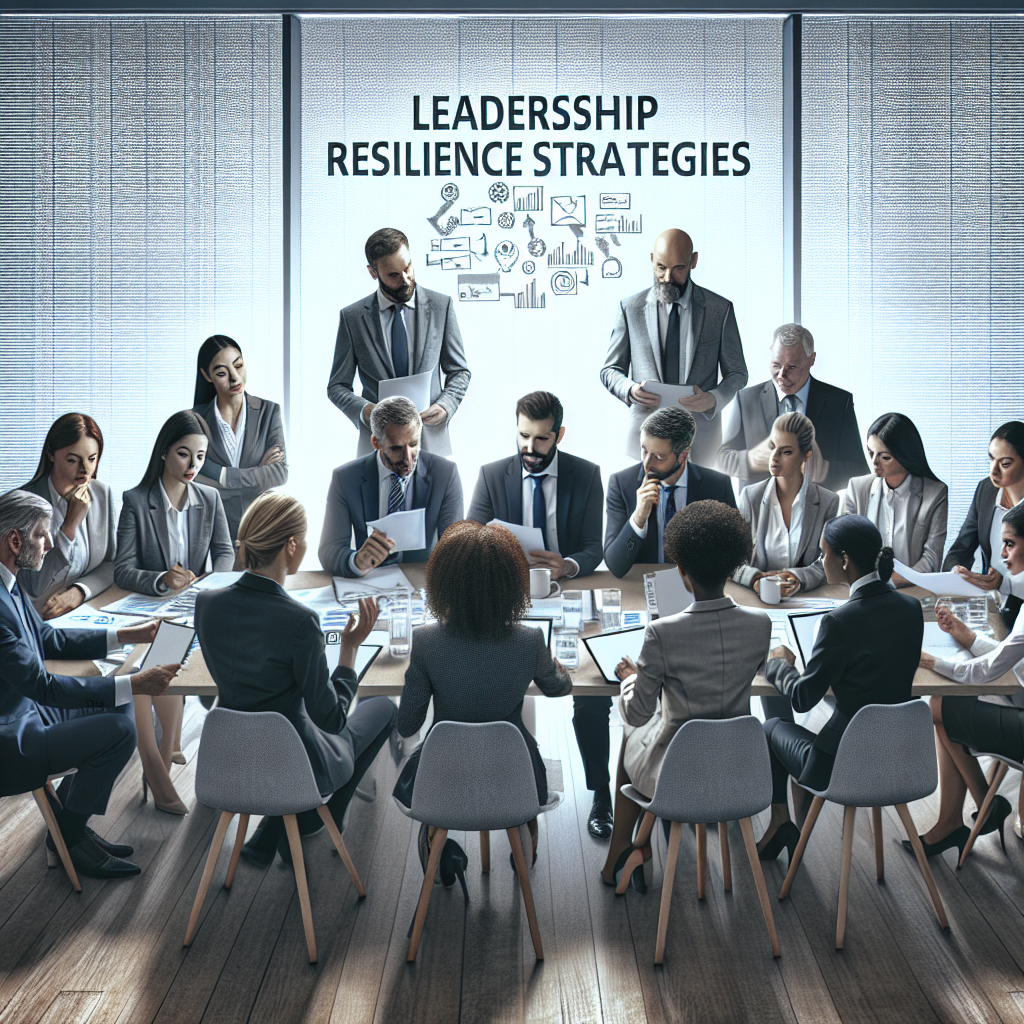
Leadership Resilience Training: Build Mental Toughness in Uncertain Times
Understanding the Foundations of Leadership Resilience
Leadership resilience training isn’t just a buzzword; it’s a critical survival skill in today’s chaotic business landscape. Consider this: nearly 75% of executives report feeling overwhelmed by the pace of change in their organizations. That’s a staggering number that highlights how crucial it is for leaders to not only cope but thrive amid uncertainty.
Let’s break it down. Resilience in leadership isn’t about putting on a brave face and pretending everything is fine when the ship is sinking. It’s about cultivating the mental toughness to navigate through storms, learning from setbacks, and bouncing back stronger than before. Think of it as being like a rubber band; you stretch, you bend, but you never break.
The Key Pillars of Leadership Resilience
So what exactly builds this resilience? Here are some key pillars:
- Self-awareness: Understanding your strengths and weaknesses helps leaders make informed decisions.
- Adaptability: The ability to pivot quickly when faced with new challenges keeps teams agile.
- Emotional intelligence: Connecting with team members on an emotional level fosters trust and collaboration.
- Visionary thinking: Leaders need to maintain a clear vision even when the path forward gets murky.
But how do we cultivate these traits? you might ask. Well, that’s where structured leadership resilience training comes into play.
Training Doesn’t Mean Drilling
Training often conjures images of boring lectures or tedious drills. But effective leadership resilience training is more about creating experiences that challenge leaders to think critically and act decisively under pressure. It’s about role-playing scenarios where they must make tough calls or navigating crisis simulations that mimic real-world challenges.
‘Resilience is not just about surviving; it’s about thriving.’
But what does this look like in practice? Let’s take an example from a mid-sized tech firm that faced significant upheaval during a merger. Instead of letting fear dictate their actions, they implemented resilience training that encouraged open communication, adaptive strategies, and proactive problem-solving among their leaders.
As a result? They not only managed to maintain productivity during the transition but also fostered an environment where employees felt valued and engaged—leading to lower turnover rates and higher morale.
The takeaway here is clear: investing in leadership resilience training isn’t just beneficial—it’s essential for navigating today’s unpredictable business climate. As we continue exploring this topic, think about your own organization’s approach to building resilient leaders. Are they equipped to handle whatever comes next?
Leadership resilience training isn’t just a buzzword; it’s a critical survival skill in today’s chaotic business landscape. Consider this: nearly 75% of executives report feeling overwhelmed by the pace of change in their organizations. That’s a staggering number that highlights how crucial it is for leaders to not only cope but thrive amid uncertainty.
Let’s break it down. Resilience in leadership isn’t about putting on a brave face and pretending everything is fine when the ship is sinking. It’s about cultivating the mental toughness to navigate through storms, learning from setbacks, and bouncing back stronger than before. Think of it as being like a rubber band; you stretch, you bend, but you never break.
The Key Pillars of Leadership Resilience
So what exactly builds this resilience? Here are some key pillars:
- Self-awareness: Understanding your strengths and weaknesses helps leaders make informed decisions.
- Adaptability: The ability to pivot quickly when faced with new challenges keeps teams agile.
- Emotional intelligence: Connecting with team members on an emotional level fosters trust and collaboration.
- Visionary thinking: Leaders need to maintain a clear vision even when the path forward gets murky.
But how do we cultivate these traits? you might ask. Well, that’s where structured leadership resilience training comes into play.
Training Doesn’t Mean Drilling
Training often conjures images of boring lectures or tedious drills. But effective leadership resilience training is more about creating experiences that challenge leaders to think critically and act decisively under pressure. It’s about role-playing scenarios where they must make tough calls or navigating crisis simulations that mimic real-world challenges.
‘Resilience is not just about surviving; it’s about thriving.’
But what does this look like in practice? Let’s take an example from a mid-sized tech firm that faced significant upheaval during a merger. Instead of letting fear dictate their actions, they implemented resilience training that encouraged open communication, adaptive strategies, and proactive problem-solving among their leaders.
As a result? They not only managed to maintain productivity during the transition but also fostered an environment where employees felt valued and engaged—leading to lower turnover rates and higher morale.
The takeaway here is clear: investing in leadership resilience training isn’t just beneficial—it’s essential for navigating today’s unpredictable business climate. As we continue exploring this topic, think about your own organization’s approach to building resilient leaders. Are they equipped to handle whatever comes next?
Assessing Current Resilience Levels in Leadership Teams
Imagine leading a team through a major crisis, only to discover that your leaders are more fragile than the coffee mugs in the break room. A recent study found that organizations with resilient leadership teams are 25% more likely to outperform their peers. So, how do you assess whether your leadership team has the resilience needed to weather the storm?
Step 1: Conduct a Resilience Audit
Start by evaluating your current leadership landscape. This means gathering feedback from team members about their leaders’ ability to handle stress and uncertainty. Use anonymous surveys or one-on-one interviews to get honest insights. Questions might include: How does your leader respond under pressure? or Do you feel supported when facing challenges? This audit will serve as your baseline.
Step 2: Identify Key Resilience Indicators
Next, pinpoint specific indicators of resilience within your leadership teams. Look for traits like adaptability, emotional regulation, and problem-solving skills. For instance, does a leader maintain composure during crises? Are they able to pivot strategies quickly when faced with unexpected challenges? Document these behaviors as they directly correlate with effective leadership resilience training.
Step 3: Implement Real-World Simulations
Talk is cheap, as they say—so put your leaders through the wringer with real-world simulations. Create scenarios that mimic high-pressure situations relevant to your industry, like economic downturns or sudden market shifts. Observe how leaders respond and adapt during these exercises; their performance will reveal much about their current resilience levels.
‘Resilience isn’t just an innate trait; it’s a skill that can be developed.’
Step 4: Gather Data and Analyze Results
Data-driven decisions isn’t just a buzzphrase; it’s essential for assessing resilience levels accurately. After simulations, collect quantitative data on performance metrics such as decision-making speed and team morale during crises. Combine this with qualitative feedback from participants to gain comprehensive insights into each leader’s capabilities.
Step 5: Create Personalized Development Plans
Imagine leading a team through a major crisis, only to discover that your leaders are more fragile than the coffee mugs in the break room. A recent study found that organizations with resilient leadership teams are 25% more likely to outperform their peers. So, how do you assess whether your leadership team has the resilience needed to weather the storm?
Step 1: Conduct a Resilience Audit
Start by evaluating your current leadership landscape. This means gathering feedback from team members about their leaders’ ability to handle stress and uncertainty. Use anonymous surveys or one-on-one interviews to get honest insights. Questions might include: How does your leader respond under pressure? or Do you feel supported when facing challenges? This audit will serve as your baseline.
Step 2: Identify Key Resilience Indicators
Next, pinpoint specific indicators of resilience within your leadership teams. Look for traits like adaptability, emotional regulation, and problem-solving skills. For instance, does a leader maintain composure during crises? Are they able to pivot strategies quickly when faced with unexpected challenges? Document these behaviors as they directly correlate with effective leadership resilience training.
Step 3: Implement Real-World Simulations
Talk is cheap, as they say—so put your leaders through the wringer with real-world simulations. Create scenarios that mimic high-pressure situations relevant to your industry, like economic downturns or sudden market shifts. Observe how leaders respond and adapt during these exercises; their performance will reveal much about their current resilience levels.
‘Resilience isn’t just an innate trait; it’s a skill that can be developed.’
Step 4: Gather Data and Analyze Results
Data-driven decisions isn’t just a buzzphrase; it’s essential for assessing resilience levels accurately. After simulations, collect quantitative data on performance metrics such as decision-making speed and team morale during crises. Combine this with qualitative feedback from participants to gain comprehensive insights into each leader’s capabilities.
Step 5: Create Personalized Development Plans
Designing Effective Leadership Resilience Training Programs
A staggering 70% of leaders feel unprepared to handle the complexities of today’s business environment. If that doesn’t make you sit up and take notice, I don’t know what will. This isn’t just a statistic; it’s a wake-up call for organizations to rethink how they approach leadership resilience training.
Designing an effective leadership resilience training program is like crafting a fine wine: it requires the right ingredients, time, and a touch of finesse. Let’s break down how to create a program that not only builds mental toughness but also fosters an environment where leaders can thrive amid chaos.
Step 1: Define Clear Objectives
First things first—what do you want your leaders to achieve? Are you looking to enhance their decision-making skills during crises or improve their emotional intelligence? Setting clear objectives is crucial; it’s like deciding whether you want a bold red or a crisp white wine. Tailor your training goals based on the specific challenges your organization faces.
Step 2: Incorporate Real-World Scenarios
Resilience is forged in fire, as they say. So why not throw your leaders into the flames—figuratively, of course? Use real-world scenarios that reflect potential crises in your industry. For instance, if you’re in tech, simulate a sudden data breach and have leaders navigate their responses. This hands-on experience helps them build confidence and adaptability.
Step 3: Foster Peer Learning
Two heads are better than one isn’t just an old adage; it’s a strategy for success. Encourage peer learning through workshops or group discussions where leaders can share experiences and strategies for overcoming challenges. This collaborative approach not only builds camaraderie but also exposes them to diverse perspectives.
Step 4: Integrate Continuous Feedback
What gets measured gets managed. Regular feedback loops are essential in any training program. Implement systems for ongoing evaluation—think surveys after each session or follow-up meetings to discuss progress. This ensures that the training remains relevant and allows adjustments based on participants’ needs.
Effective leadership resilience training leads to more engaged teams and improved organizational performance.
Step 5: Measure Outcomes
A staggering 70% of leaders feel unprepared to handle the complexities of today’s business environment. If that doesn’t make you sit up and take notice, I don’t know what will. This isn’t just a statistic; it’s a wake-up call for organizations to rethink how they approach leadership resilience training.
Designing an effective leadership resilience training program is like crafting a fine wine: it requires the right ingredients, time, and a touch of finesse. Let’s break down how to create a program that not only builds mental toughness but also fosters an environment where leaders can thrive amid chaos.
Step 1: Define Clear Objectives
First things first—what do you want your leaders to achieve? Are you looking to enhance their decision-making skills during crises or improve their emotional intelligence? Setting clear objectives is crucial; it’s like deciding whether you want a bold red or a crisp white wine. Tailor your training goals based on the specific challenges your organization faces.
Step 2: Incorporate Real-World Scenarios
Resilience is forged in fire, as they say. So why not throw your leaders into the flames—figuratively, of course? Use real-world scenarios that reflect potential crises in your industry. For instance, if you’re in tech, simulate a sudden data breach and have leaders navigate their responses. This hands-on experience helps them build confidence and adaptability.
Step 3: Foster Peer Learning
Two heads are better than one isn’t just an old adage; it’s a strategy for success. Encourage peer learning through workshops or group discussions where leaders can share experiences and strategies for overcoming challenges. This collaborative approach not only builds camaraderie but also exposes them to diverse perspectives.
Step 4: Integrate Continuous Feedback
What gets measured gets managed. Regular feedback loops are essential in any training program. Implement systems for ongoing evaluation—think surveys after each session or follow-up meetings to discuss progress. This ensures that the training remains relevant and allows adjustments based on participants’ needs.
Effective leadership resilience training leads to more engaged teams and improved organizational performance.
Step 5: Measure Outcomes
Strategies to Enhance Mental Toughness Among Leaders
When it comes to leadership resilience training, the stakes are high. A staggering 70% of leaders feel unprepared for the complexities of today’s business landscape—yikes! That’s like entering a chess match without knowing the rules. So how do you equip your leaders with the mental toughness they need to not just survive but thrive?
1. Embrace a Growth Mindset
First up is fostering a growth mindset. This isn’t just about throwing around motivational quotes; it’s about embedding a culture where mistakes are seen as stepping stones rather than stumbling blocks. Encourage leaders to view challenges as opportunities for learning and growth. For instance, after a tough project, hold a debrief session where team members can openly discuss what went wrong and how they can improve next time.
2. Implement Real-World Simulations
Next, let’s talk simulations—think of them as stress tests for your leadership team. Create scenarios that mimic real-life crises relevant to your industry, such as market disruptions or unexpected layoffs. This hands-on experience allows leaders to practice decision-making under pressure, sharpening their instincts and resilience.
3. Foster Peer Support Networks
No man is an island couldn’t be truer in leadership. Establish peer support networks where leaders can share experiences, challenges, and strategies. This creates a sense of community and accountability while also allowing them to learn from each other’s successes and failures.
4. Prioritize Mental Health Resources
Mental toughness doesn’t mean ignoring stress or burnout; it means being equipped to handle it effectively. Provide access to mental health resources such as counseling or stress management workshops. Encouraging leaders to take care of their mental well-being will ultimately reflect in their ability to lead with clarity and confidence.
‘Investing in leadership resilience training is not just an option; it’s a necessity for sustainable success.’
The journey towards enhancing mental toughness among leaders is ongoing. As you implement these strategies, remember that resilience isn’t built overnight—it requires consistent effort and commitment from both leadership and the organization itself.
When it comes to leadership resilience training, the stakes are high. A staggering 70% of leaders feel unprepared for the complexities of today’s business landscape—yikes! That’s like entering a chess match without knowing the rules. So how do you equip your leaders with the mental toughness they need to not just survive but thrive?
1. Embrace a Growth Mindset
First up is fostering a growth mindset. This isn’t just about throwing around motivational quotes; it’s about embedding a culture where mistakes are seen as stepping stones rather than stumbling blocks. Encourage leaders to view challenges as opportunities for learning and growth. For instance, after a tough project, hold a debrief session where team members can openly discuss what went wrong and how they can improve next time.
2. Implement Real-World Simulations
Next, let’s talk simulations—think of them as stress tests for your leadership team. Create scenarios that mimic real-life crises relevant to your industry, such as market disruptions or unexpected layoffs. This hands-on experience allows leaders to practice decision-making under pressure, sharpening their instincts and resilience.
3. Foster Peer Support Networks
No man is an island couldn’t be truer in leadership. Establish peer support networks where leaders can share experiences, challenges, and strategies. This creates a sense of community and accountability while also allowing them to learn from each other’s successes and failures.
4. Prioritize Mental Health Resources
Mental toughness doesn’t mean ignoring stress or burnout; it means being equipped to handle it effectively. Provide access to mental health resources such as counseling or stress management workshops. Encouraging leaders to take care of their mental well-being will ultimately reflect in their ability to lead with clarity and confidence.
‘Investing in leadership resilience training is not just an option; it’s a necessity for sustainable success.’
The journey towards enhancing mental toughness among leaders is ongoing. As you implement these strategies, remember that resilience isn’t built overnight—it requires consistent effort and commitment from both leadership and the organization itself.
Measuring the Impact of Resilience Training on Leadership Effectiveness
Imagine a leadership team that can pivot seamlessly during a crisis, turning potential disasters into opportunities for growth. Sounds like a fantasy, right? But it’s not; it’s what effective leadership resilience training can do. A study by the Harvard Business Review found that organizations with trained resilient leaders see a staggering 25% increase in performance metrics. This isn’t just fluff—it’s backed by data.
Defining Success Metrics
To truly measure the impact of leadership resilience training, you need to define what success looks like. It’s not just about feeling good or having a positive attitude; it’s about tangible outcomes. Here are some key metrics to consider:
- Employee Engagement Scores: Higher engagement often correlates with resilient leadership.
- Turnover Rates: A decrease in turnover can indicate improved morale and confidence in leadership.
- Productivity Metrics: Track changes in productivity before and after training initiatives.
- Crisis Response Times: Measure how quickly leaders respond to crises post-training.
What gets measured gets managed.
Real-World Application: A Case Study
Let’s take an example from a mid-sized healthcare organization that implemented resilience training for its leaders during a significant transition period. They faced challenges such as staff burnout and high turnover rates. After completing the training, they reported not only reduced turnover but also an increase in employee satisfaction scores by 30%. This was directly linked to their leaders’ newfound ability to handle stress effectively and support their teams through uncertainty.
Feedback Loops: The Lifeblood of Measurement
Gathering feedback is crucial for assessing the effectiveness of resilience training. Implement regular check-ins with your teams to discuss how they feel about their leaders’ performance post-training. Use tools like anonymous surveys or focus groups to collect honest opinions about leadership effectiveness.
The Long Game: Sustaining Resilience
Resilience isn’t a one-time fix; it’s an ongoing journey. Continuous development is key here. Regularly revisit your resilience training programs and adapt them based on feedback and changing organizational needs. This ensures that your leaders remain equipped to handle future challenges, keeping both morale and productivity high.
In conclusion, measuring the impact of leadership resilience training goes beyond just numbers; it’s about cultivating an environment where leaders thrive under pressure. As you assess your own organization’s approach, consider what metrics will best reflect your goals for effective leadership resilience.
Imagine a leadership team that can pivot seamlessly during a crisis, turning potential disasters into opportunities for growth. Sounds like a fantasy, right? But it’s not; it’s what effective leadership resilience training can do. A study by the Harvard Business Review found that organizations with trained resilient leaders see a staggering 25% increase in performance metrics. This isn’t just fluff—it’s backed by data.
Defining Success Metrics
To truly measure the impact of leadership resilience training, you need to define what success looks like. It’s not just about feeling good or having a positive attitude; it’s about tangible outcomes. Here are some key metrics to consider:
- Employee Engagement Scores: Higher engagement often correlates with resilient leadership.
- Turnover Rates: A decrease in turnover can indicate improved morale and confidence in leadership.
- Productivity Metrics: Track changes in productivity before and after training initiatives.
- Crisis Response Times: Measure how quickly leaders respond to crises post-training.
What gets measured gets managed.
Real-World Application: A Case Study
Let’s take an example from a mid-sized healthcare organization that implemented resilience training for its leaders during a significant transition period. They faced challenges such as staff burnout and high turnover rates. After completing the training, they reported not only reduced turnover but also an increase in employee satisfaction scores by 30%. This was directly linked to their leaders’ newfound ability to handle stress effectively and support their teams through uncertainty.
Feedback Loops: The Lifeblood of Measurement
Gathering feedback is crucial for assessing the effectiveness of resilience training. Implement regular check-ins with your teams to discuss how they feel about their leaders’ performance post-training. Use tools like anonymous surveys or focus groups to collect honest opinions about leadership effectiveness.
The Long Game: Sustaining Resilience
Resilience isn’t a one-time fix; it’s an ongoing journey. Continuous development is key here. Regularly revisit your resilience training programs and adapt them based on feedback and changing organizational needs. This ensures that your leaders remain equipped to handle future challenges, keeping both morale and productivity high.
In conclusion, measuring the impact of leadership resilience training goes beyond just numbers; it’s about cultivating an environment where leaders thrive under pressure. As you assess your own organization’s approach, consider what metrics will best reflect your goals for effective leadership resilience.
Creating a Culture of Resilience within Organizations
If your organization views resilience as just another corporate buzzword, it’s time for a wake-up call. A study from PwC reveals that companies with a strong culture of resilience are 50% more likely to retain talent during turbulent times. That’s not just a statistic; it’s a lifeline for organizations navigating the stormy seas of uncertainty.
Creating a culture of resilience isn’t about slapping on motivational posters or hosting one-off workshops. It’s about embedding resilience into the very fabric of your organization. This means making leadership resilience training an ongoing initiative rather than a box to check off every quarter.
The Role of Leadership in Fostering Resilience
Leadership sets the tone for organizational culture, and resilient leaders are like beacons in foggy weather. They inspire trust and confidence, encouraging team members to face challenges head-on rather than retreating into their shells. For instance, consider a mid-sized marketing agency that faced rapid turnover due to industry changes. By investing in leadership resilience training, they empowered their leaders to communicate openly and supportively during transitions, resulting in improved employee morale and retention.
- Encourage open dialogue: Create safe spaces where employees can voice concerns without fear.
- Model vulnerability: Leaders sharing their own struggles fosters an environment of trust.
- Recognize and reward adaptability: Celebrate instances where employees demonstrate resilience.
A resilient organization is built one conversation at a time.
Practical Steps to Build Resilience
‘Resilience isn’t just about bouncing back; it’s about bouncing forward.’ Here are some actionable steps organizations can take:
- Implement regular training sessions focused on real-world crisis management scenarios.
- Encourage peer mentoring programs where leaders can share experiences and strategies.
- Integrate feedback loops into your processes to continuously adapt and improve based on team needs.
Creating a culture of resilience is an ongoing journey, not a destination. As you reflect on these strategies, consider how they align with your current organizational practices. Are you actively fostering an environment where leaders—and by extension, their teams—can thrive amid uncertainty?
If your organization views resilience as just another corporate buzzword, it’s time for a wake-up call. A study from PwC reveals that companies with a strong culture of resilience are 50% more likely to retain talent during turbulent times. That’s not just a statistic; it’s a lifeline for organizations navigating the stormy seas of uncertainty.
Creating a culture of resilience isn’t about slapping on motivational posters or hosting one-off workshops. It’s about embedding resilience into the very fabric of your organization. This means making leadership resilience training an ongoing initiative rather than a box to check off every quarter.
The Role of Leadership in Fostering Resilience
Leadership sets the tone for organizational culture, and resilient leaders are like beacons in foggy weather. They inspire trust and confidence, encouraging team members to face challenges head-on rather than retreating into their shells. For instance, consider a mid-sized marketing agency that faced rapid turnover due to industry changes. By investing in leadership resilience training, they empowered their leaders to communicate openly and supportively during transitions, resulting in improved employee morale and retention.
- Encourage open dialogue: Create safe spaces where employees can voice concerns without fear.
- Model vulnerability: Leaders sharing their own struggles fosters an environment of trust.
- Recognize and reward adaptability: Celebrate instances where employees demonstrate resilience.
A resilient organization is built one conversation at a time.
Practical Steps to Build Resilience
‘Resilience isn’t just about bouncing back; it’s about bouncing forward.’ Here are some actionable steps organizations can take:
- Implement regular training sessions focused on real-world crisis management scenarios.
- Encourage peer mentoring programs where leaders can share experiences and strategies.
- Integrate feedback loops into your processes to continuously adapt and improve based on team needs.
Creating a culture of resilience is an ongoing journey, not a destination. As you reflect on these strategies, consider how they align with your current organizational practices. Are you actively fostering an environment where leaders—and by extension, their teams—can thrive amid uncertainty?
Leveraging Technology for Leadership Resilience Development
Imagine a bustling software development firm, where deadlines loom like storm clouds and the pressure to innovate feels relentless. In this high-stakes environment, a recent survey revealed that 68% of leaders believe integrating AI strategies with leadership coaching significantly boosts their effectiveness. If that doesn’t highlight the power of technology in leadership resilience training, I don’t know what does.
Let’s take a closer look at how this tech-savvy company implemented cutting-edge tools to enhance leadership resilience training. They didn’t just throw their leaders into a virtual classroom and call it a day. Instead, they leveraged AI-driven analytics to tailor their training programs based on individual leader performance metrics and team dynamics.
The Role of AI in Personalizing Training
By utilizing AI, the firm was able to analyze data from past projects—like how quickly leaders responded to challenges or how well they maintained team morale during crises. This information was invaluable for crafting personalized training modules that addressed specific weaknesses, such as decision-making under pressure or emotional regulation during stressful periods.
For instance, if data showed a leader struggled with keeping their team motivated during tight deadlines, the training program would include scenarios focused on motivational techniques and stress management strategies tailored to their unique challenges.
Virtual Reality Simulations: A Game Changer
Another innovative approach this firm adopted was incorporating virtual reality (VR) simulations into their leadership resilience training. Imagine donning a VR headset and being transported into a crisis scenario—like managing a sudden product failure or navigating an unexpected market shift. Leaders could practice responding in real-time without any real-world consequences.
Experiential learning through VR not only enhances engagement but also builds confidence in handling high-pressure situations.
After implementing these tech-forward strategies, the company saw remarkable improvements, says their Chief Learning Officer. Our leaders reported feeling more prepared and capable of handling crises effectively. Not only did employee engagement scores spike by over 25%, but turnover rates dropped as leaders became more adept at fostering supportive environments.
So what’s the takeaway here? Technology isn’t just about efficiency; it’s about enhancing human capabilities, reflects the CLO. As organizations navigate increasingly complex landscapes, integrating advanced tools like AI and VR into leadership resilience training is no longer optional—it’s essential for cultivating adaptable leaders who can thrive amid uncertainty.
Imagine a bustling software development firm, where deadlines loom like storm clouds and the pressure to innovate feels relentless. In this high-stakes environment, a recent survey revealed that 68% of leaders believe integrating AI strategies with leadership coaching significantly boosts their effectiveness. If that doesn’t highlight the power of technology in leadership resilience training, I don’t know what does.
Let’s take a closer look at how this tech-savvy company implemented cutting-edge tools to enhance leadership resilience training. They didn’t just throw their leaders into a virtual classroom and call it a day. Instead, they leveraged AI-driven analytics to tailor their training programs based on individual leader performance metrics and team dynamics.
The Role of AI in Personalizing Training
By utilizing AI, the firm was able to analyze data from past projects—like how quickly leaders responded to challenges or how well they maintained team morale during crises. This information was invaluable for crafting personalized training modules that addressed specific weaknesses, such as decision-making under pressure or emotional regulation during stressful periods.
For instance, if data showed a leader struggled with keeping their team motivated during tight deadlines, the training program would include scenarios focused on motivational techniques and stress management strategies tailored to their unique challenges.
Virtual Reality Simulations: A Game Changer
Another innovative approach this firm adopted was incorporating virtual reality (VR) simulations into their leadership resilience training. Imagine donning a VR headset and being transported into a crisis scenario—like managing a sudden product failure or navigating an unexpected market shift. Leaders could practice responding in real-time without any real-world consequences.
Experiential learning through VR not only enhances engagement but also builds confidence in handling high-pressure situations.
After implementing these tech-forward strategies, the company saw remarkable improvements, says their Chief Learning Officer. Our leaders reported feeling more prepared and capable of handling crises effectively. Not only did employee engagement scores spike by over 25%, but turnover rates dropped as leaders became more adept at fostering supportive environments.
So what’s the takeaway here? Technology isn’t just about efficiency; it’s about enhancing human capabilities, reflects the CLO. As organizations navigate increasingly complex landscapes, integrating advanced tools like AI and VR into leadership resilience training is no longer optional—it’s essential for cultivating adaptable leaders who can thrive amid uncertainty.
Sustaining Resilience Beyond Training: Ongoing Support Mechanisms
Here’s a reality check: 70% of leaders feel unprepared for the complexities of today’s business landscape. That’s not just a statistic; it’s a flashing neon sign that screams, We need ongoing support! Leadership resilience training can set the stage, but without continuous reinforcement, even the best training can fade faster than last year’s trends.
Think about it: you wouldn’t expect an athlete to maintain peak performance with just a single training session, right? They need ongoing coaching, feedback, and a supportive environment to thrive. The same principle applies to leadership resilience. It’s not just about the initial training; it’s about creating an ecosystem that fosters growth and adaptability long after the training ends.
Creating a Supportive Culture
To truly sustain resilience, organizations must cultivate an environment where continuous learning is not only encouraged but celebrated. This means integrating resilience into the fabric of your organizational culture. Here are some practical ways to do this:
- Establish regular check-ins: Schedule consistent one-on-one meetings between leaders and their teams to discuss challenges and successes.
- Promote peer mentoring: Encourage leaders to share experiences and strategies with one another, fostering a community of support.
- Implement feedback loops: Regularly solicit input from team members about their leaders’ performance and areas for improvement.
Culture eats strategy for breakfast.
Leveraging Technology for Continuous Development
What gets measured gets managed—and technology can help you do just that! Consider using platforms that provide real-time analytics on leadership effectiveness. These tools can track progress over time and highlight areas where additional support or training may be needed. By leveraging technology, organizations can ensure that their leaders are not only trained but also continuously improving.
But wait, you might say—isn’t technology impersonal? Not at all! When used effectively, tech can enhance personal connections rather than replace them. For instance, virtual reality simulations allow leaders to practice crisis management in safe environments while receiving instant feedback on their decisions.
The Ongoing Journey of Resilience
Remember that sustaining resilience is an ongoing journey—not a destination. Just as athletes train year-round to compete at their best, your leaders will need continual development opportunities to keep their skills sharp in ever-changing environments.
As you reflect on your organization’s approach to leadership resilience training, consider what ongoing support mechanisms you have in place. Are they robust enough to ensure your leaders thrive amid uncertainty? The time for action is now—build that resilient culture today!
Here’s a reality check: 70% of leaders feel unprepared for the complexities of today’s business landscape. That’s not just a statistic; it’s a flashing neon sign that screams, We need ongoing support! Leadership resilience training can set the stage, but without continuous reinforcement, even the best training can fade faster than last year’s trends.
Think about it: you wouldn’t expect an athlete to maintain peak performance with just a single training session, right? They need ongoing coaching, feedback, and a supportive environment to thrive. The same principle applies to leadership resilience. It’s not just about the initial training; it’s about creating an ecosystem that fosters growth and adaptability long after the training ends.
Creating a Supportive Culture
To truly sustain resilience, organizations must cultivate an environment where continuous learning is not only encouraged but celebrated. This means integrating resilience into the fabric of your organizational culture. Here are some practical ways to do this:
- Establish regular check-ins: Schedule consistent one-on-one meetings between leaders and their teams to discuss challenges and successes.
- Promote peer mentoring: Encourage leaders to share experiences and strategies with one another, fostering a community of support.
- Implement feedback loops: Regularly solicit input from team members about their leaders’ performance and areas for improvement.
Culture eats strategy for breakfast.
Leveraging Technology for Continuous Development
What gets measured gets managed—and technology can help you do just that! Consider using platforms that provide real-time analytics on leadership effectiveness. These tools can track progress over time and highlight areas where additional support or training may be needed. By leveraging technology, organizations can ensure that their leaders are not only trained but also continuously improving.
But wait, you might say—isn’t technology impersonal? Not at all! When used effectively, tech can enhance personal connections rather than replace them. For instance, virtual reality simulations allow leaders to practice crisis management in safe environments while receiving instant feedback on their decisions.
The Ongoing Journey of Resilience
Remember that sustaining resilience is an ongoing journey—not a destination. Just as athletes train year-round to compete at their best, your leaders will need continual development opportunities to keep their skills sharp in ever-changing environments.
As you reflect on your organization’s approach to leadership resilience training, consider what ongoing support mechanisms you have in place. Are they robust enough to ensure your leaders thrive amid uncertainty? The time for action is now—build that resilient culture today!
Leadership Resilience Training: Build Mental Toughness in Uncertain Times
“, “
Discover effective leadership resilience training strategies to build mental toughness and thrive in uncertain times. Enhance your leadership skills today.
” ] } ] }


















Leave a Reply