








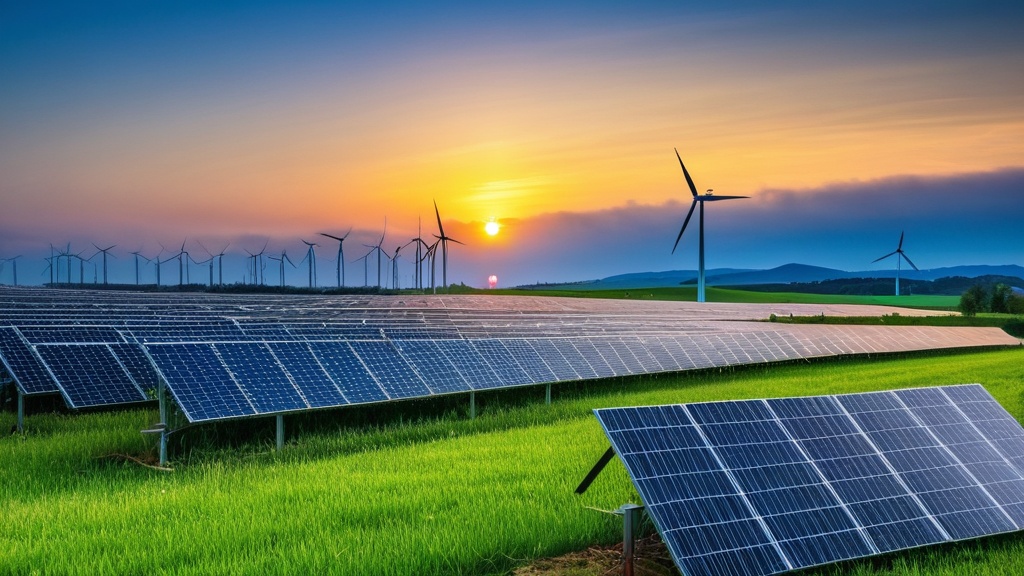
Climate change and environmental degradation have increased the importance of renewable energy sources. Fossil fuel reserves are declining while their environmental consequences become more apparent, making the transition to renewable energy essential rather than optional. Renewable energy technologies including solar, wind, hydroelectric, geothermal, and biomass provide sustainable alternatives that can substantially reduce greenhouse gas emissions and help address climate change impacts.
These natural energy sources enable the development of cleaner environmental conditions. The transition to renewable energy also supports energy security and economic stability. Countries seeking to decrease reliance on imported fossil fuels can achieve greater energy independence through renewable energy infrastructure investments.
This shift generates employment opportunities in developing green technology sectors and supports local economic growth. Nations that prioritize renewable energy sources can reduce their vulnerability to volatile fossil fuel markets and geopolitical conflicts, creating a more stable and sustainable energy system.
Key Takeaways
- Renewable energy sources are crucial for reducing environmental impact and ensuring sustainable power.
- Solar, wind, hydroelectric, geothermal, and biomass are key types of renewable energy harnessing natural resources.
- Renewable energy offers advantages like lower emissions, energy security, and long-term cost savings.
- Challenges include technological, financial, and infrastructural barriers to widespread adoption.
- Government policies and technological innovations play vital roles in advancing renewable energy for a sustainable future.
Solar Energy: Harnessing the Power of the Sun
Solar energy stands out as one of the most promising renewable energy sources available today. By converting sunlight into electricity through photovoltaic cells or concentrating solar power systems, solar energy has the potential to meet a significant portion of global energy demands. The technology has advanced rapidly in recent years, resulting in more efficient solar panels and reduced costs, making it an increasingly viable option for both residential and commercial applications.
As solar installations proliferate across rooftops and solar farms, the potential for harnessing this abundant resource continues to grow. In addition to its environmental benefits, solar energy offers numerous economic advantages. The installation of solar panels can lead to substantial savings on electricity bills for homeowners and businesses alike.
Furthermore, the solar industry has become a major job creator, providing employment opportunities in manufacturing, installation, and maintenance. As governments and private entities invest in solar infrastructure, the potential for innovation and technological advancements in this sector remains vast, paving the way for a future powered by clean, renewable energy.
Wind Energy: Tapping into the Earth’s Natural Resources
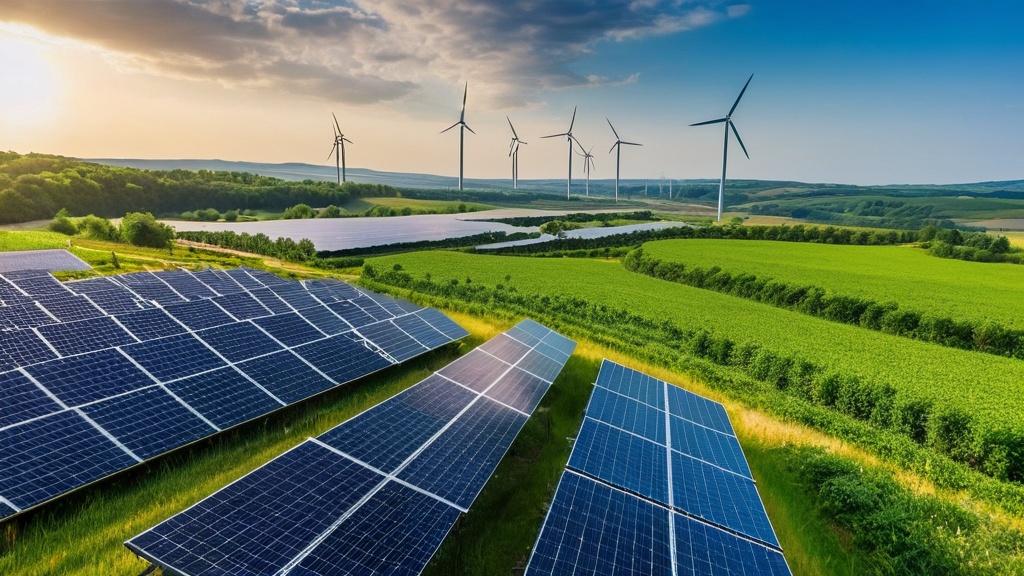
Wind energy is another key player in the renewable energy landscape, utilizing the natural movement of air to generate electricity. Wind turbines convert kinetic energy from wind into mechanical power, which is then transformed into electrical energy. With advancements in turbine technology and increased efficiency, wind energy has become one of the fastest-growing sources of electricity worldwide.
From offshore wind farms harnessing powerful ocean breezes to onshore installations in rural areas, wind energy is proving to be a reliable and sustainable solution to meet our energy needs. The benefits of wind energy extend beyond its environmental impact. It is one of the most cost-effective forms of renewable energy available today, often competing directly with traditional fossil fuels.
Additionally, wind farms can be constructed on land that is already used for agriculture or grazing, allowing for dual land use without significant disruption to existing ecosystems. As countries continue to invest in wind energy infrastructure, they not only contribute to reducing carbon emissions but also create jobs and stimulate local economies through the development of new technologies and services.
Hydroelectric Power: Utilizing the Energy of Water
Hydroelectric power has long been recognized as a reliable source of renewable energy, harnessing the flow of water to generate electricity. By constructing dams or utilizing run-of-the-river systems, hydroelectric plants convert the potential energy of water into electrical power. This method of energy generation is not only efficient but also provides a consistent and stable source of electricity, making it an essential component of many countries’ energy portfolios.
However, while hydroelectric power offers significant advantages, it is not without its challenges. The construction of large dams can lead to ecological disruption and displacement of local communities. Therefore, it is crucial to balance the benefits of hydroelectric power with environmental considerations and social impacts.
Innovations in small-scale hydroelectric systems and improved water management practices are helping to address these concerns while maximizing the potential of this renewable resource.
Geothermal Energy: Harnessing the Earth’s Heat
| Renewable Energy Source | Global Capacity (GW) | Annual Growth Rate (%) | Average Efficiency (%) | Primary Use |
|---|---|---|---|---|
| Solar Power | 950 | 20 | 15-22 | Electricity Generation |
| Wind Power | 830 | 12 | 35-45 | Electricity Generation |
| Hydropower | 1300 | 3 | 35-45 | Electricity Generation |
| Biomass | 130 | 5 | 20-25 | Heat and Electricity |
| Geothermal | 15 | 4 | 10-20 | Electricity and Heating |
Geothermal energy taps into the Earth’s internal heat to provide a sustainable source of power. By accessing steam or hot water reservoirs beneath the Earth’s surface, geothermal plants can generate electricity or provide direct heating for residential and commercial use.
The potential for geothermal energy is vast, with many regions around the world possessing untapped geothermal resources. Countries such as Iceland and New Zealand have successfully harnessed this energy source to meet a significant portion of their electricity needs. As technology continues to advance, new methods for extracting geothermal energy are being developed, making it an increasingly attractive option for diversifying our energy mix and reducing reliance on fossil fuels.
Biomass: Turning Organic Matter into Energy
Biomass energy is derived from organic materials such as plant matter, agricultural residues, and even waste products. By converting these materials into biofuels or biogas through processes like combustion or anaerobic digestion, biomass can serve as a renewable source of energy that helps reduce waste while providing a sustainable alternative to fossil fuels. This approach not only contributes to reducing greenhouse gas emissions but also promotes a circular economy by repurposing organic materials that would otherwise contribute to landfill waste.
The versatility of biomass makes it an appealing option for various applications, from heating homes to powering vehicles. However, it is essential to ensure that biomass production does not compete with food production or lead to deforestation. Sustainable practices must be implemented to ensure that biomass resources are managed responsibly and do not contribute to environmental degradation.
By focusing on sustainable sourcing and innovative technologies, biomass can play a vital role in our transition towards a more sustainable energy future.
The Advantages of Renewable Energy Sources
The advantages of renewable energy sources are manifold and extend beyond environmental benefits alone. One of the most significant advantages is their ability to reduce greenhouse gas emissions and combat climate change. By transitioning away from fossil fuels and embracing renewables, we can significantly lower our carbon footprint and contribute to global efforts aimed at mitigating climate change impacts.
Additionally, renewable energy sources promote energy independence by reducing reliance on imported fossil fuels. This shift not only enhances national security but also stabilizes local economies by creating jobs in emerging green industries. Furthermore, renewable technologies often lead to lower long-term operational costs compared to traditional fossil fuel systems, providing economic benefits for consumers and businesses alike.
The Challenges of Implementing Renewable Energy
Despite the numerous advantages associated with renewable energy sources, several challenges must be addressed for widespread implementation. One significant hurdle is the intermittency of certain renewable resources like solar and wind energy. Unlike fossil fuels that can provide a constant supply of electricity, renewables are dependent on weather conditions and time of day.
This variability necessitates advancements in energy storage technologies and grid management systems to ensure a reliable power supply. Another challenge lies in the initial investment required for renewable energy infrastructure development. While costs have decreased significantly over the years, transitioning from traditional fossil fuel systems often requires substantial upfront capital investment.
Governments and private entities must work together to create incentives and financing mechanisms that encourage investment in renewable technologies while ensuring equitable access for all communities.
Innovations in Renewable Energy Technology
The field of renewable energy is characterized by rapid innovation and technological advancements that continue to enhance efficiency and reduce costs. Breakthroughs in battery storage technology are particularly noteworthy; as storage solutions improve, they enable greater integration of intermittent renewable sources into the grid. This progress allows for more reliable power supply while maximizing the utilization of available renewable resources.
Additionally, advancements in smart grid technology are revolutionizing how we manage electricity distribution and consumption. By leveraging data analytics and real-time monitoring systems, smart grids optimize energy use and facilitate better integration of renewables into existing infrastructure. These innovations not only enhance efficiency but also empower consumers to make informed decisions about their energy consumption patterns.
The Role of Government Policies in Promoting Renewable Energy
Government policies play a crucial role in promoting the adoption of renewable energy sources. Through incentives such as tax credits, subsidies, and grants, governments can encourage investment in clean technologies while supporting research and development initiatives aimed at advancing renewable solutions. Additionally, regulatory frameworks that prioritize sustainability can create a favorable environment for businesses looking to transition towards greener practices.
International agreements such as the Paris Agreement further underscore the importance of government action in addressing climate change through renewable energy initiatives. By setting ambitious targets for emissions reductions and encouraging collaboration among nations, these agreements foster a global commitment towards transitioning to sustainable energy systems.
The Future of Renewable Energy: Moving Towards a Sustainable World
As we look towards the future, it is clear that renewable energy will play an integral role in shaping a sustainable world. With growing awareness about climate change and environmental degradation, there is an increasing demand for clean energy solutions that prioritize sustainability over short-term gains. The continued investment in research and development will drive innovation within the sector while creating new opportunities for job growth and economic development.
Moreover, as technology continues to evolve and costs decrease further, we can expect a more widespread adoption of renewable energy sources across various sectors. From transportation to industrial processes, integrating renewables into every aspect of our lives will be essential for achieving long-term sustainability goals. By embracing this transition now, we can pave the way for a cleaner, greener future that benefits both people and the planet alike.
In the quest for sustainable energy solutions, understanding the role of digital transformation in enhancing renewable energy systems is crucial. A related article that explores this theme is titled “Digital Transformation Consulting Success Stories,” which discusses how organizations are leveraging technology to optimize their operations and embrace renewable energy sources. You can read more about it here: Digital Transformation Consulting Success Stories.
FAQs
What are renewable energy sources?
Renewable energy sources are natural resources that can be replenished naturally over a short period of time. Examples include solar, wind, hydroelectric, geothermal, and biomass energy.
Why is renewable energy important?
Renewable energy is important because it reduces dependence on fossil fuels, decreases greenhouse gas emissions, helps combat climate change, and promotes sustainable development.
What are the main types of renewable energy?
The main types of renewable energy are solar power, wind power, hydroelectric power, geothermal energy, and biomass energy.
How does solar energy work?
Solar energy works by converting sunlight into electricity using photovoltaic cells or by using solar thermal systems to generate heat.
What are the benefits of wind energy?
Wind energy is clean, abundant, and cost-effective. It produces no greenhouse gas emissions during operation and can be harnessed onshore and offshore.
Can renewable energy sources provide all of our energy needs?
While renewable energy has the potential to meet a significant portion of global energy demand, integrating various sources and improving storage technologies are necessary to provide reliable and consistent energy supply.
Are renewable energy sources environmentally friendly?
Yes, renewable energy sources generally have a lower environmental impact compared to fossil fuels, producing little to no air pollution or greenhouse gases during operation.
What challenges are associated with renewable energy?
Challenges include intermittency (e.g., solar and wind depend on weather), high initial costs, land use concerns, and the need for improved energy storage and grid infrastructure.
How does hydroelectric power generate electricity?
Hydroelectric power generates electricity by using the energy of flowing or falling water to turn turbines connected to generators.
Is biomass energy sustainable?
Biomass energy can be sustainable if sourced responsibly, ensuring that the rate of biomass consumption does not exceed the rate of regeneration and that it does not lead to deforestation or habitat loss.


















Leave a Reply