



AI Implementation In Healthcare With AI Coaching
Introduction
For many years, one-on-one coaching sat at the top of the org chart. Senior executives met with expensive coaches, while everyone else got slide decks, webinars, and an occasional workshop. With AI coaching, that pattern is changing. Coaching can now be a short, daily habit for an entire workforce instead of a rare perk for a few leaders.
This shift matters especially in healthcare. Hospitals, health systems, and life-science companies are rolling out AI for diagnostics, scheduling, triage, and workflow automation. The technology is powerful, but adoption falters when people feel anxious, skills lag, or leaders are not ready to guide change. Traditional coaching cannot reach thousands of clinicians, managers, and support staff at once.
AI coaching fills that gap. It uses conversational AI, neuroscience, and established coaching methods to give each person a private, on-demand space to think, reflect, and commit to action. Research from leading platforms shows up to a 22% rise in productivity, a 21% boost in engagement, and a 15% jump in retention when coaching scales across an organization. For a hospital dealing with burnout, staffing shortages, and regulatory pressure, those numbers can mean the difference between constant crisis and steady resilience.
Many people still feel cautious. They worry that AI coaching might replace human coaches or weaken human connection. The strongest platforms do the opposite. They are grounded in International Coaching Federation (ICF) standards, positive psychology, and behavioral science, and they are designed to support — not erase — human coaching. Leaders also gain clearer data instead of relying only on anecdote.
This article explains what AI coaching is, how it works, and why organizations in healthcare and beyond are investing in it. We cover the scientific foundations, core features, security and ethics, implementation steps, and future trends. Along the way, you will see how iAvva AI uses AI coaching to help leaders build practical daily habits that support AI and data projects, including in clinical environments.
“Coaching done well may be the most effective intervention designed for human performance.”
— Atul Gawande, surgeon and author
Key Takeaways
AI coaching democratizes development. Coaching moves from an executive-only benefit to a short, on-demand experience for nurses, physicians, managers, and non-clinical staff. People get a safe space to reflect and plan in minutes per day instead of waiting for rare training events.
The best platforms are grounded in coaching science. Modern AI coaches use ICF Core Competencies, the GROW model, solution-focused methods, neuroscience, and positive psychology. They guide with questions instead of quick fixes, helping people think more clearly and change behavior in real work situations.
Business impact is measurable. When AI coaching is adopted widely, organizations see up to a 22% increase in productivity, 21% higher engagement, and 15% better retention. For healthcare organizations, those gains show up in patient care, operational efficiency, and financial performance.
Hybrid coaching models work best. AI provides 24/7 support, consistent practice, and data tracking, while human coaches handle deeper emotional topics and complex politics. Together they create a scalable coaching culture that still feels human.
Enterprise platforms protect privacy. Mature tools use GDPR-aligned practices, ISO 27001 and SOC 2 certification, encryption, and strict anonymization. Leaders see trends and patterns — not individual conversations.
Implementation is faster than most expect. AI coaching can launch in weeks, connect with HR and learning systems, and align with OKRs and leadership frameworks. iAvva AI builds on this with a five-minute daily reflection, available in nineteen languages, focused on leaders driving AI and data projects, including those in healthcare.
What Is AI Coaching? Understanding The Core Concepts And Technology
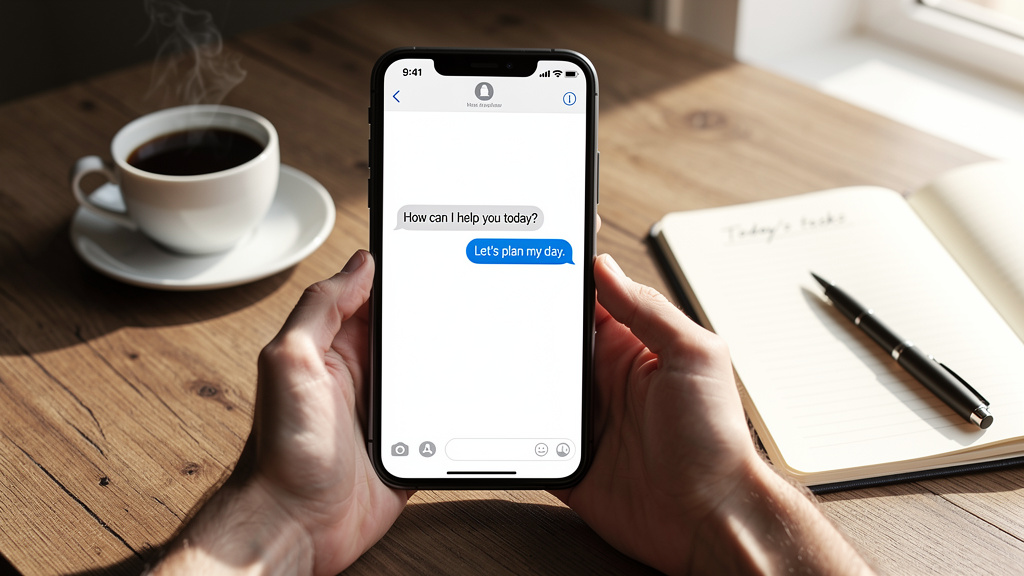
At its heart, AI coaching is a virtual coaching experience delivered via app or browser. Instead of booking a session with a human coach, a person opens a chat or voice interface and has a coaching-style conversation with an AI that understands natural language. The AI does not simply push advice. It asks targeted questions, offers prompts, and guides reflection based on established coaching models.
Under the hood, AI coaching combines:
- Machine learning and natural language processing to understand and respond to user input
- Structured coaching flows based on methods like GROW and solution-focused coaching
- Context awareness so each question builds on what the user has already shared
If a manager writes, “I have a difficult performance conversation with a nurse tomorrow,” a strong AI coach will ask:
- What outcome do you want from the conversation?
- What has worked well with this person before?
- What worries you most, and how could you prepare for that?
Each answer shapes the next prompt, creating a conversation that feels responsive and personal.
Coaching vs. therapy is a key distinction. Coaching is forward-focused and performance-oriented. It helps people build skills, make decisions, and achieve goals. Therapy treats mental health conditions and often explores past experiences in more depth. Ethical AI coaching platforms keep this boundary clear. They help with stress management and mindset but do not present themselves as medical or psychological treatment.
Another core principle is solution-focused thinking. Instead of dwelling on everything that went wrong in a staff meeting, the AI might ask when communication has gone well and what was different then. It encourages users to picture a better version of the next meeting and break that picture into small actions. That approach builds confidence by highlighting existing strengths.
Personalization sits at the center. As people use the coach, it learns about their role, goals, style, and recurring topics. A charge nurse might focus on delegation, boundaries, and burnout; a health-system CIO may discuss change communication, AI governance, and stakeholder alignment. Over time, the AI adjusts questions, timing, and suggested practices to fit each person.
For organizations, this same personalization generates valuable data.
- At the individual level, users can see patterns in their habits and progress over weeks and months.
- At the group level, anonymized trends highlight topics like burnout, feedback skills, or conflict.
In a healthcare setting, data might show that new clinical leaders need more help with difficult conversations during AI rollouts. HR and L&D teams can then respond with targeted support instead of guessing.
Placed alongside human coaching, workshops, and technical training, AI coaching becomes a constant companion that turns real daily situations into learning moments.
AI Coaching Vs. Other AI Tools: Critical Distinctions For Decision-Makers
Many leaders hear “AI” and think of everything from chat assistants to image generators as if they were interchangeable. For talent development and AI implementation in healthcare, that confusion can lead to poor buying decisions. AI coaching platforms are a specific type of tool with different goals and design choices than generic AI models or wellness apps.
A voice assistant helps with quick tasks — reminders, timers, basic lookups. AI coaching, by contrast, focuses on growth and behavior. It is less about “What is the capital of this state?” and more about “Why am I avoiding this conversation, and what could I do next?” The AI coach steers the discussion, asks open questions, and guides structured reflection rather than waiting passively for commands.
General generative AI tools can draft documents, summarize research, and answer a wide range of questions. They shine at content creation and information access, but they are not purpose-built for coaching. On their own, they do not track coaching goals over time, connect to development plans, or follow up on commitments week after week.
Wellness apps form a third category. They offer meditation tracks, breathing exercises, and sleep content — very helpful for stress relief, especially in high-pressure fields like healthcare. Yet they are mostly one-way content. They do not hold coaching conversations, challenge thinking patterns, or link insights to leadership behavior at work.
The table below highlights the distinctions.
| Aspect | AI Coaching Platform | General AI Model | Wellness App |
|---|---|---|---|
| Main Purpose | Build skills and behavior through guided reflection and goal-focused conversation | Provide information and generate text on many topics | Support relaxation, stress relief, and well-being |
| Interaction Style | Proactive questions, coaching flows, ongoing accountability | Reactive answers based on prompts | Mostly one-way content with limited interaction |
| Methods Used | Coaching models, positive psychology, behavioral science | Statistical patterns from training data | Mindfulness methods and mental health content |
| Key Features | Goal tracking, micro-coaching, analytics, simulations | Text generation, summarizing, Q&A | Audio/video content, reminders |
| Business Impact | Measurable shifts in skills, engagement, and performance | Faster content creation and knowledge access | Better relaxation and stress reduction |
For HR and clinical education leaders, the key is fit.
- Need better documentation? A general AI assistant can help.
- Need calmer staff during a tough winter? Wellness apps can support that.
- Need large-scale leadership readiness for AI adoption, behavior change, and better conversations? AI coaching is the right category.
Enterprise-grade AI coaching tools also differ in how they handle trust and data. They are designed from the start with strong security, anonymized reporting, and alignment to coaching standards, which makes them safer in sensitive contexts such as healthcare than consumer-grade tools.
The Scientific Foundation: Coaching Methodologies And Psychological Principles Powering AI
HR and clinical education leaders often ask, “Is AI coaching just clever technology, or is there real science behind it?” The strongest platforms rest on decades of coaching practice, psychology research, and neuroscience, then express that foundation through AI.
The International Coaching Federation (ICF) defines core competencies for professional coaching:
- Establishing trust and safety
- Maintaining presence
- Active listening
- Evoking awareness
- Facilitating client growth
Human coaches trained under these standards learn to ask questions that spark insight rather than give directives, and research such as GPT-4 as a coaching tool demonstrates how AI systems can be designed to mirror these evidence-based practices in digital environments. AI coaching platforms translate those competencies into conversation patterns and prompts. For example, instead of telling a nurse manager how to handle a conflict, the AI might ask what outcome they want, what options they see, and what next step feels realistic this week.
Solution-focused coaching is another key method. Rather than unpacking every detail of a problem, it shifts attention toward times when things worked and what can be repeated. An AI coach might ask a leader who is anxious about an AI project:
- “When have you led a change that worked well?”
- “What did you do then that you could bring into this situation?”
This style builds self-belief and encourages practical action instead of rumination.
The GROW model — Goal, Reality, Options, Way forward — adds structure. An AI coaching conversation might:
- Clarify the goal of an upcoming AI rollout in a clinic
- Explore the current reality and constraints
- Generate options to engage skeptical staff
- Commit to one or two concrete steps with dates and owners
Because the AI can guide that structure consistently, leaders build a repeatable habit for planning and problem solving.
Ideas from developmental or “transforming” coaching influence many designs as well. Rather than focusing only on tasks, they look at identity and perspective. An AI coach might notice that a department head repeatedly says, “I’m not a tech person,” and gently question that belief: When have they successfully learned a new system? What helped? Over time, the leader may shift from seeing AI as a threat to seeing it as a set of tools that can support better patient care.
Emotional intelligence (EQ) provides another pillar. Strong EQ includes:
- Self-awareness
- Self-management
- Social awareness
- Relationship management
AI coaching prompts people to name feelings, notice triggers, and consider others’ views. Before giving feedback to a resident, for instance, a physician leader might use the coach to:
- Identify their own frustration
- Plan how to regulate it
- Anticipate how the resident might receive the message
Positive psychology, especially Martin Seligman’s PERMA-V model (Positive Emotion, Engagement, Relationships, Meaning, Accomplishment, Vitality), shapes many question sets. The AI might ask what gave a person energy this week, what felt meaningful, or what win they want to celebrate. These prompts highlight strengths and reinforce habits linked with resilience and sustained performance.
Growth mindset research by Carol Dweck is also woven in. Staff who see abilities as fixed avoid big challenges and quit quickly. AI coaching counters that by emphasizing learning, effort, and small improvements:
“What did you learn from this failed pilot?”
“What would a future, more experienced version of you suggest right now?”
Neuroscience adds insight into habit formation. Short, regular sessions and repeated reflection patterns help new neural pathways form. The five-minute daily check-in at the heart of iAvva AI is designed with this in mind: small, consistent practice instead of occasional long sessions.
Human coaches remain part of the system, similar to how AI-empowered health coaching for professionals combines algorithmic support with human expertise to deliver real-time, evidence-based guidance at scale. They design question sets, review AI behavior, and refine content to fit coaching ethics and cultural expectations. That oversight keeps the AI grounded in methods that work across many contexts.
“The greatest danger in times of turbulence is not the turbulence; it is to act with yesterday’s logic.”
— Peter Drucker
Why Organizations Are Investing In AI Coaching: Strategic Business Benefits

HR and L&D teams often feel squeezed between growing expectations and flat budgets. Senior leaders want stronger leadership pipelines, better retention, and faster adoption of tools such as clinical AI. Travel budgets shrink, classroom time is scarce, and one-to-one executive coaching remains costly. AI coaching offers a practical way through this tension.
The first major benefit is scale. Traditional coaching might reach a small group of senior leaders at several hundred dollars per hour. An AI coaching subscription can give daily support to hundreds or thousands of employees for a fraction of that cost. In a health system rolling out clinical AI, this means a charge nurse, a radiology technologist, and a data analyst can all access coaching, not just the CMO.
Scale also supports fairness. When only executives receive coaching, it can fuel resentment and invisible barriers. When everyone has access, organizations send a clear message: growth is for all levels. In healthcare, that helps frontline staff feel seen and supported during intense pressure.
The financial case strengthens when we look at results:
- Up to 22% improvement in productivity
- Around 21% increase in engagement
- About 15% better retention
These gains come from better conversations, clearer priorities, and more thoughtful leadership behavior. In hospitals or clinics, that may show up as smoother shift handovers, fewer escalations, and lower turnover in critical roles.
Consistency is another advantage. Classroom training quality varies by instructor, region, and timing. Human coaches differ in style. AI coaching platforms deliver a consistent method across the workforce while still adapting to the individual. The result is a shared leadership language aligned with values and competency models — essential in regulated sectors like healthcare and financial services.
Data makes AI coaching stand out from traditional coaching-only programs. While human coaching remains private, AI coaching can aggregate anonymous patterns. HR and People Analytics teams can see:
- Which topics surface most
- Which groups use coaching heavily
- Where engagement drops off
During an AI rollout, for example, data may reveal that mid-level clinical leaders are more anxious than senior executives. L&D can then design specific support instead of guessing.
Culturally, AI coaching encourages continuous learning. People who build a habit of daily reflection ask better questions of themselves and others. Managers who use AI coaching often mirror that style in one-to-ones, spreading a coaching mindset through teams. Over time, this helps organizations adapt more smoothly to new tools and workflows.
From a talent perspective, offering AI coaching makes employers more attractive. High-potential staff and early-career professionals look for companies that invest in growth. In healthcare, where clinical talent is scarce, clear development offerings — including AI coaching — can tip hiring and retention decisions.
Core Features And Capabilities: What Modern AI Coaching Platforms Deliver
Thinking of AI coaching as “chatting with a bot” misses most of its value. Mature platforms act as integrated development environments that combine conversation, content, tracking, and analytics. Understanding the main capabilities helps decision-makers see what they are actually adopting.
Key features typically include:
Goal Setting And Tracking
- Users set short- and long-term goals (e.g., “Lead my first AI pilot in the cardiology unit” or “Handle tough feedback calmly”).
- The AI helps break goals into smaller actions and checks progress over time.
- Visual tracking makes progress visible and keeps motivation high.
Micro-Coaching Sessions
- Instead of hour-long meetings, sessions often last 5–10 minutes.
- People can check in at the start or end of a shift or between meetings.
- iAvva AI centers its experience on a five-minute daily reflection to fit busy schedules.
Role-Play And Simulations
- Users rehearse conversations (e.g., discussing AI decision support with skeptical clinicians).
- The AI plays the role of the other person, reacts to different approaches, and offers feedback.
- Practice in a safe space reduces anxiety before real interactions.
Personalized Development Plans
- Based on assessments, goals, and usage, the platform suggests focus areas such as feedback, boundaries, or strategic thinking.
- These plans can align with internal leadership frameworks so personal growth supports organizational standards.
Micro-Learning Content
- Short articles, videos, or exercises appear at the right moment during coaching, with tools like Scribe – Smarter documentation helping organizations capture and deliver contextual guidance precisely when learners need it most.
- For example, after reflecting on difficult feedback, the AI might share a brief piece on the Situation–Behavior–Impact (SBI) model.
Self-Assessments And Reflections
- Surveys on leadership habits, mindset, or emotional intelligence help users gain self-awareness.
- Over time, people can see how their scores and themes shift.
Engagement Features
- Gentle reminders, streaks, and progress indicators encourage regular use.
- iAvva AI sees more than 60% of users engaging weekly, far higher than typical e-learning programs.
Admin Dashboards And Analytics
- HR and L&D teams can monitor adoption, engagement, and topic trends.
- Data can be sliced by role, location, or cohort without exposing individuals.
Accessibility And Inclusivity
- Support for multiple languages and both text and audio interactions.
- Design that works for neurodivergent users and those who dislike traditional classroom formats.
- iAvva AI supports nineteen languages across web, iOS, and Android.
Together, these features make AI coaching platforms far more than conversational interfaces. They become living development systems that fit inside busy workdays while generating meaningful insight for organizations.
Primary Use Cases: How AI Coaching Transforms Key Business Functions
The benefits of AI coaching become tangible when we look at everyday work. Rather than sitting on the side as a generic tool, AI coaching can support specific functions and stages of the employee life cycle — especially during major technology shifts such as AI adoption in healthcare.
Key use cases include:
Leadership Development
- First-time managers suddenly responsible for performance reviews, conflict, and change communication gain a space to reflect and practice.
- A new nurse manager, for instance, can plan a tough conversation, rehearse wording, and debrief afterward.
- Senior leaders use AI coaching to think through strategy, board updates, or AI governance questions.
Sales And Business Development
- For healthcare technology companies, account executives can practice pitches for AI tools, refine messaging for clinicians, and analyze calls afterward—capabilities enhanced by platforms like AI Workforce Management: Smarter coaching systems that integrate training, compliance, and performance tracking in regulated environments.
- Each interaction becomes a learning moment instead of a one-off event.
Onboarding
- New hires often feel overwhelmed. An AI coach checks in during the first 60–90 days, clarifies expectations, and suggests questions to ask managers.
- New clinicians joining a hospital with AI-assisted diagnostics can explore how the tools fit their role and how to raise concerns safely.
Career Development And Internal Mobility
- Employees identify strengths, map skill gaps, and design practical steps toward roles they want.
- Before performance reviews, the coach prompts them to gather achievements, reflect on feedback, and prepare development requests.
Change Readiness And Organizational Agility
- During big shifts — e.g., AI-supported triage in emergency departments — emotions run high.
- AI coaching offers private space to surface fears, process reactions, and plan constructive responses.
Conflict Resolution And Communication
- People misread tone, avoid hard conversations, or react defensively.
- AI coaching helps them structure difficult conversations, role-play responses, and choose calmer language.
Mentoring Programs
- Formal mentors may only meet monthly. An AI coach supports mentees between meetings, helping them reflect on advice and prepare better questions.
Performance Culture
- Regular goal setting, reflection, and coaching-style questions build a culture where feedback is normal and expected.
Critical Thinking And Decision Quality
- By asking users to examine assumptions and weigh options, AI coaching reduces impulsive decisions.
- In healthcare, this reflective habit supports safety during planning and debriefing, even when clinical decisions remain rapid.
Across these use cases, AI coaching weaves into daily work, guiding people to better choices in the moments that matter.
Advanced Capabilities: White-Labeling, Digital Twins, And Enterprise Customization
Once organizations see the value of AI coaching, many want the experience to match their brand, leadership model, and language. That is where advanced capabilities such as white-labeling, digital twins, and deep configuration come into play.
White-Label Options
- The AI coaching app can appear with the organization’s logo, colors, and naming.
- Staff experience it as an internal tool rather than an external product, which often builds trust — especially in healthcare.
- Integration with corporate identity systems (SSO) lets users log in with existing credentials.
Digital Twin Concepts
- Organizations can encode their leadership principles, values, and preferred behaviors into the AI coach, creating what Pinnacle: scalable AI coaching calls embedded coaching experiences that deliver consistent organizational wisdom across distributed teams.
- A health system might add content about patient safety, AI governance policies, and clinical communication standards.
- The AI then acts as a “digital twin” of the organization’s best leadership thinking, reflecting those practices in every conversation.
Content And Program Customization
- Companies load internal playbooks, competency models, and training materials into the platform.
- Vendors keep each client’s content separate to protect intellectual property.
- Different learning paths can be set up for new managers, senior leaders, AI project owners, or high-potential clinicians.
Offerings For Coaches And Consulting Firms
- External coaches can package their method inside a white-labeled AI coach under their own brand.
- Clients use the AI coach between human sessions, arriving more prepared, which makes live time deeper and more strategic.
At iAvva AI, the focus is on strong alignment between the AI coaching experience and an organization’s strategy and OKRs. Our platform maps leadership habits to business outcomes, particularly for AI adoption, process improvement, and patient experience. We provide a ready-to-use app with powerful configuration options — often a faster and simpler path than building a heavily customized app from scratch.
The goal of these advanced capabilities is to move from “a helpful tool” to embedded practice, where AI coaching becomes part of how leaders think, speak, and act every day.
Implementation And Integration: Making AI Coaching Work In Your Enterprise
Even when leaders see the promise of AI coaching, they often worry about implementation. They picture drawn-out IT projects, heavy change management, and another platform that staff will ignore. A well-planned rollout can be far simpler.
1. Clarify Purpose And Scope
Before any technical work, HR, L&D, IT, and business sponsors should agree on:
- Why they want AI coaching (e.g., AI adoption, leadership pipeline, burnout support)
- Which groups will join first (e.g., new managers, AI project leaders, a pilot site)
- What success looks like (engagement rates, retention, change-readiness scores)
2. Integrate Lightly But Effectively
Most AI coaching platforms are secure cloud services that connect via:
- Single Sign-On (SSO) for easy access
- HR systems (e.g., Workday, SAP SuccessFactors) for automatic user provisioning
- Learning platforms so coaching appears inside the broader learning ecosystem
Implementation often takes weeks rather than months, especially when organizations start with standard configurations.
3. Make Onboarding Simple
User adoption improves when onboarding feels clear and safe:
- Short launch messages or videos explain that the coach is private, not a surveillance tool.
- For healthcare workers, it is vital to state that coaching conversations are not fed into performance reviews.
- Simple first prompts (“Share one challenge from this week”) help people start without feeling self-conscious.
4. Manage The Program Through Dashboards
HR and L&D teams can:
- Track enrollment and usage
- View topic trends by role or department
- Adjust communications and support based on real data
IT focuses on security and infrastructure, while people leaders run the coaching program day to day.
5. Start With A Pilot, Then Expand
Many organizations begin with a focused pilot group, measure impact, adjust, then scale to more teams or regions. For healthcare, that might mean:
- Pilot with leaders in one hospital or specialty
- Review engagement, feedback, and early outcome data
- Expand to broader clinical and non-clinical groups once value is clear
With iAvva AI, clients follow a simple roadmap: clarify goals, integrate with existing systems, pilot with a defined group, measure impact, then scale deliberately. The emphasis stays on outcomes, not technical drama.
Data Security, Privacy, And Compliance: Enterprise-Grade Protection You Can Trust
Coaching conversations often touch sensitive issues — fears, interpersonal tensions, and concerns about change. In healthcare, these may sit alongside discussions about clinical AI tools, workflow redesign, and patient impact. Without strong data protection, AI coaching cannot earn trust.
Serious platforms are built around security and privacy standards such as:
- GDPR for personal data protection, including consent, access rights, and deletion requests
- ISO 27001 for information security management
- SOC 2 Type 2 audits to verify that controls work in practice
Encryption is standard:
- Data in transit uses encrypted channels (e.g., TLS).
- Data at rest in databases is also encrypted.
- Access to production systems is tightly controlled and logged.
Privacy design principles include:
- Separation of content and reporting
- Individual conversations remain private to the user.
- HR and leadership see only aggregated, anonymized trends.
- Minimum group thresholds
- Reports hide data for very small groups to avoid accidental identification.
- Clear data residency
- Organizations know where their data is stored and under which jurisdiction.
Business models matter too. Consumer apps sometimes fund development by mining user data for ads or sale to third parties. Enterprise AI coaching relies on subscriptions, not data resale. Reputable providers state clearly that they do not sell user data.
At iAvva AI:
- Conversations are confidential between user and coach.
- The platform follows GDPR guidelines and uses encryption in transit and at rest.
- HR and L&D teams access aggregated dashboards only, never individual reflections.
This balance allows organizations to gain insight while keeping the psychological safety that real coaching requires.
Ethical AI Coaching: Industry Standards And The ICF Framework
Beyond security, leaders worry about the ethics of AI coaching itself. Can an AI follow coaching ethics? Who is responsible when something goes wrong? The International Coaching Federation (ICF) has begun to answer these questions with specific guidance for AI-based tools.
Key principles include:
Transparency
- Users must know they are speaking with an AI coach, not a human.
- The platform should state clearly what the AI can and cannot do.
Clear Boundaries
- AI coaching supports performance, leadership, and mindset.
- It is not medical care, therapy, or legal advice.
- When users describe severe distress or self-harm, ethical systems direct them toward human help rather than treating it as a coaching topic.
Human Oversight And Competence
- Experienced human coaches design and review question sets, content, and flows.
- Regular review helps keep conversations aligned with coaching ethics and avoid harmful suggestions.
Bias Reduction
- Training data and content can carry gender, racial, or cultural bias.
- Responsible vendors:
- Test for biased responses
- Use inclusive, gender-neutral language
- Adapt content for different cultures and contexts
Informed Consent And Data Use
- Users should understand how their data is stored, processed, and reported.
- Organizations can use ICF checklists to ask vendors specific questions about ethics and governance.
At iAvva AI, prompts and reflection paths are grounded in coaching science and reviewed through this ethical lens. The goal is to offer a powerful tool that respects human dignity and supports — rather than replaces — human relationships at work.
“In a fixed mindset, everything is about the outcome. In a growth mindset, it’s about the process of learning.”
— Carol Dweck
Measuring Success: Analytics, ROI, And Proving The Value Of AI Coaching
Executives rarely expand budgets for learning and development without clear evidence. For AI coaching, the question is not just “Does this feel useful?” but also “Can we see measurable impact?” Modern platforms provide analytics that go far beyond course completion rates.
Typical measures include:
Adoption And Usage
- How many people activate their accounts?
- How often do they engage (daily, weekly, monthly)?
- A weekly engagement rate above 60%, as seen on iAvva AI, signals that coaching fits into real workdays.
User Satisfaction
- Short ratings after sessions or periodic pulse questions give a sense of perceived value.
- High satisfaction alongside sustained use is a strong early indicator.
Business Outcomes
- Platforms often connect with HR or survey systems to link coaching engagement with:
- Productivity metrics
- Engagement scores
- Promotion and internal mobility
- Absenteeism and retention
- Aggregated across clients, leading vendors report:
- Up to 22% increase in productivity
- Around 21% rise in engagement
- Roughly 15% better retention
- Platforms often connect with HR or survey systems to link coaching engagement with:
Development Themes And Skill Gaps
- Analysis of anonymized topics shows what different groups care about.
- Example: new managers in primary care focus heavily on feedback; radiology leaders focus on AI readiness and quality.
- L&D teams can then design targeted interventions instead of broad, generic programs.
Alignment With OKRs Or Strategic Goals
- Platforms like iAvva AI let leaders connect personal habits to business OKRs.
- Analytics show how often people reflect on key priorities and which habits relate to progress.
When presenting value to a CFO or board, it helps to combine:
- Leading indicators (engagement, satisfaction)
- HR metrics (retention, promotions, absenteeism)
- Financial estimates (cost of turnover avoided, productivity gains, faster time to proficiency)
Over time, this measurement loop guides where to expand AI coaching, which cohorts benefit most, and how to adjust programs to support the organization’s strategy.
AI Coaching For Individual Professional Growth: Personal Development Benefits

While organizational metrics matter, AI coaching often feels most powerful at the individual level. Many professionals carry self-doubt, unhelpful habits, or half-finished goals. Having a private, always-available coach in your pocket can change how you show up at work and at home.
Personal benefits include:
Mindset Shifts
- People move from “I’m just not good at leading change” to “I can learn to lead change with practice.”
- After setbacks, the coach asks what they learned and what to try differently, steering attention toward growth.
Greater Self-Awareness
- Regular reflection reveals patterns in reactions and energy.
- A physician may notice frustration peaks after back-to-back meetings; a tech lead may see defensiveness when estimates are questioned.
- Once patterns are visible, people can choose responses instead of reacting automatically.
Stronger Confidence
- AI coaching encourages users to acknowledge wins and progress.
- Clinicians and caregivers often downplay their contributions; regular recognition of success builds a more balanced self-view.
Better Communication
- The AI can help draft emails, rehearse key phrases, and reframe feedback in more constructive ways.
- Practicing out loud or in writing lowers anxiety before difficult conversations.
Real Accountability
- Goals become specific: “Delegate discharge planning for two patients this week to X,” rather than “Delegate more.”
- The coach then checks back, turning intentions into action.
For people in healthcare or technology roles facing AI adoption, this daily support is especially grounding. Whether preparing for a leadership role, navigating a career change, or balancing work and personal life, AI coaching offers a non-judgmental partner that fits into already full calendars.
Users of iAvva AI often report higher focus, clearer priorities, and more self-compassion after only a few weeks of five-minute reflections — small shifts that add up to significant change over time.
The Human + AI Partnership: Why AI Augments Rather Than Replaces Human Coaches

Whenever AI coaching is discussed with coaches, HR leaders, or clinicians, one concern appears quickly: “Will this replace human coaches?” Experience so far points elsewhere. The strongest results appear when AI and human coaches work side by side.
Human coaches bring:
- Deep empathy and intuitive listening
- Ability to read body language and subtle emotional cues
- Capacity to hold space for grief, shame, and complex trauma
- Support for tangled politics and high-stakes ethical decisions
AI coaches bring:
- Consistency and memory across many short sessions
- 24/7 availability across time zones
- Support for thousands of people simultaneously
- Gentle nudges back to goals and habits between human sessions
In a hybrid model:
- A senior leader might meet a human coach monthly, then use AI coaching several times a week to stay on track.
- The AI helps them reflect on actions, record insights, and arrive at the next human session prepared.
- The human coach can then focus on deeper issues instead of basic follow-through.
For organizations, this partnership means:
- Executives can continue receiving human coaching.
- Managers and individual contributors gain daily access to AI coaching.
- Coaching-style behaviors spread through teams as managers copy the questioning style they experience in the app.
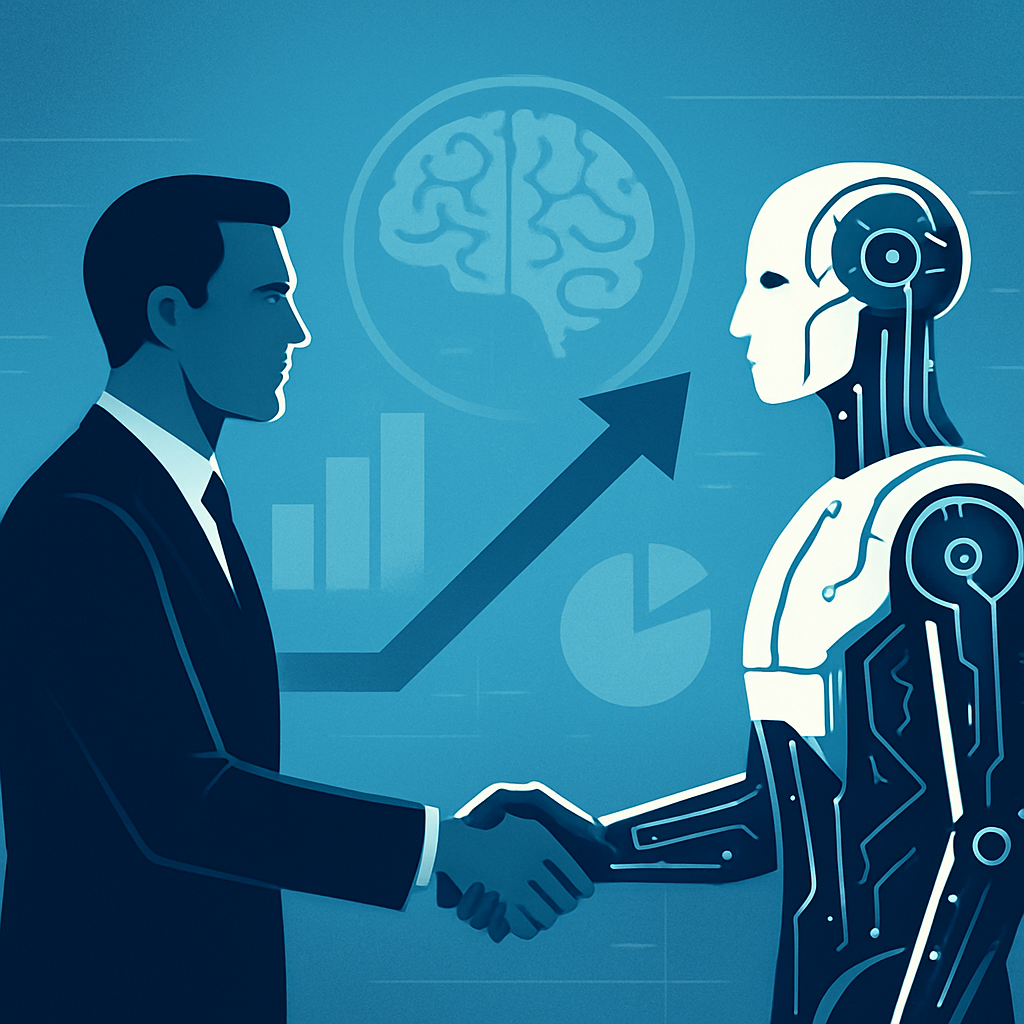
Professional bodies like the ICF view AI as a support tool in a broader coaching culture. At iAvva AI, we share that stance. Our app is designed as a daily growth companion that strengthens — rather than replaces — human relationships at work.
Choosing The Right AI Coaching Platform: Evaluation Framework For Decision-Makers
The AI coaching market is expanding quickly. HR directors, CLOs, CIOs, and healthcare leaders need a clear framework to compare options and pick a platform that fits their needs.
Key evaluation dimensions:
Methodology And Coaching Quality
- How does the platform align with models like GROW, solution-focused coaching, and ICF Core Competencies?
- Can the vendor show concrete examples of AI questions and flows?
- What role do experienced human coaches play in content design and review?
Security And Compliance
- Which certifications does the vendor hold (e.g., ISO 27001, SOC 2)?
- How do they comply with GDPR or other regional regulations?
- Where is data stored, and how is it encrypted?
- Do they state clearly that they do not sell or share user data?
Customization And Integration
- Can the platform reflect your leadership framework, values, or AI governance policies?
- Does it integrate smoothly with HRIS, SSO, and learning platforms?
- Will coaching feel like part of your existing environment rather than “yet another app”?
User Experience
- How easy is it for a busy clinician or manager to start a session?
- Are both text and voice available?
- How many languages are supported?
- Does the interface work well for neurodivergent users?
- iAvva AI offers a five-minute experience, multi-language support, and simple flows designed for real life.
Analytics And ROI
- What organizational-level metrics are available?
- Can you view engagement and topics by role, site, or cohort while protecting privacy?
- Can the platform align coaching with OKRs or strategic goals?
Support And Partnership
- What does implementation support look like?
- How quickly do clients usually go live?
- How does the vendor handle feedback and feature requests?
Pricing And Total Cost Of Ownership
- Look beyond per-seat pricing to consider:
- Time saved on design, facilitation, and travel
- Impact on retention, engagement, and productivity
- The cost of doing nothing (burnout, stalled change, turnover)
- Look beyond per-seat pricing to consider:
At iAvva AI, we encourage prospective clients to score each vendor across these categories. A simple scoring grid turns a fuzzy choice into a structured, evidence-based decision that aligns with strategy, culture, and technical reality.
Real-World Impact: Success Stories And Measurable Outcomes
Frameworks and metrics are helpful, but stories make AI coaching real. While every organization is different, several patterns keep showing up — including in healthcare.
Hospital Network Preparing For AI Triage
- A regional hospital network planned to roll out an AI-supported triage tool in emergency departments. Leaders worried about skepticism and burnout.
- Managers and senior nurses received AI coaching three months before go-live. They used it to prepare town halls, reflect on concerns, and plan follow-ups.
- Over six months, survey items on trust in leadership and readiness for change rose markedly, and staff turnover in pilot sites fell compared with similar departments without coaching.
Mid-Sized Tech Company Building AI Products For Clinicians
- Product managers and sales leaders started using iAvva AI.
- Many reported that five-minute reflections helped them stop jumping between tasks and focus on three key priorities each day.
- Leaders described more thoughtful one-to-ones and smoother cross-functional meetings, which contributed to faster product decisions and fewer reworks.
Financial Services Firm Under Regulatory And Tech Pressure
- The firm launched AI coaching for its top 200 leaders.
- Within a year, internal promotions rose and time to productivity for new leaders shortened.
- Analytics showed that many leaders struggled with giving clear feedback. L&D responded with targeted workshops, while the AI coach supported daily practice. Exit interviews later highlighted better support and clearer expectations as reasons for staying.
Across clients, employees using AI coaching regularly describe feeling more in control of their day, more aware of triggers, and more confident in difficult conversations. Organizations see smoother change efforts, higher engagement scores, and improved retention in key roles.
At iAvva AI, early healthcare users report better focus, clearer decision making, and calmer conversations around AI projects within weeks. Those gains support both clinical quality and staff morale.
Implementing AI Coaching At iAvva AI: Our Approach To Leadership Growth
At iAvva AI, we asked a simple question: How can leaders build better habits in just five minutes a day, in a way that connects directly to business outcomes and AI adoption? The result is iAvva AI Coach, a daily self-reflection companion grounded in neuroscience, positive psychology, and ICF-aligned coaching principles.
Key elements of our approach:
Short, Focused Daily Experience
- Each day, leaders receive prompts to plan, reflect, or reframe.
- A head of nursing might be asked, “What is one decision you can make today that will reduce stress for your team?”
- A CIO might reflect on how they explained the purpose of a new AI tool to staff.
- Over time, these micro-moments build clarity, courage, and consistency.
Accessibility Across Roles And Regions
- iAvva AI runs on web, iOS, and Android.
- The app supports nineteen languages, making it relevant for global and multilingual teams.
- Both text and audio modes are available, with clean layouts and straightforward language to support neurodivergent leaders as well.
Privacy And Security By Design
- The platform is GDPR-aligned and uses encryption in transit and at rest.
- Individual reflections remain private; organizations see only aggregated engagement and theme data.
- This privacy encourages honest reflection, which is essential for meaningful coaching.
Connection To Strategy And OKRs
- Leaders connect their personal habits to specific outcomes — for example:
- Reduce patient wait times
- Improve staff retention
- Deliver AI projects on schedule
- Dashboards give HR and executives visibility into how leadership behavior aligns with these targets.
- Leaders connect their personal habits to specific outcomes — for example:
Healthcare-Focused Prompts
- For health organizations implementing AI, prompts invite leaders to consider:
- Patient impact and safety
- Fairness and bias in AI-supported decisions
- Data quality and clinical workflows
- Leaders are prompted to look at processes, not just individuals, echoing Lean and Six Sigma thinking.
- For health organizations implementing AI, prompts invite leaders to consider:
Practical Rollouts
- Most clients start with a pilot among AI or digital project leaders, department heads, or high-potential managers.
- We help set up SSO, dashboards, and communication.
- Once value is clear, organizations expand to wider leadership pools or specific professions like nursing and allied health.
iAvva AI Coach is not a generic learning app. It is a focused, science-based, and secure way for leaders to build daily habits that support AI adoption, culture change, and better outcomes across the organization.
The Future Of AI Coaching: Trends, Innovations, And What’s Next
As more organizations adopt AI coaching, the field itself keeps advancing. Several trends are likely to shape the next wave of tools and practices.
Richer Personalization
- AI models will become better at reading context from prior sessions, roles, and — with consent — calendar or project data.
- A manager running an AI project could receive prompts that match the project’s stage, from early scoping to post-launch refinement.
- Emotional nuance detection will improve, with the AI responding differently to frustration, confusion, or excitement.
Predictive Analytics
- By analyzing patterns across users, platforms may detect early signals of burnout, disengagement, or resistance to change.
- HR and leaders could receive early warnings that a certain unit needs more support before issues trigger resignations or project failures.
Deeper Integration Into Daily Tools
- Coaching prompts may appear directly in collaboration tools like Slack, Microsoft Teams, or within project management systems.
- Short reflections before or after key meetings or milestones will become routine, bringing development into the flow of work.
Immersive Practice Environments
- Over time, AI coaching may combine with virtual or augmented reality.
- Leaders could rehearse high-stakes conversations in simulated wards, boardrooms, or family meetings, with the AI coach guiding them before and debriefing afterward.
Focus On Human Skills
- As automation expands in other areas, human capabilities — empathy, systems thinking, critical judgment, collaboration — become more central.
- AI coaching is well placed to support these skills because it works through reflection and real scenarios rather than rote instruction.
Stronger Standards And Regulation
- Bodies like the ICF will continue refining guidelines, and regulators may introduce clearer rules for AI in HR and development.
- Vendors that prioritize ethics, data protection, and human oversight will stand out as long-term partners.
At iAvva AI, we are preparing for this future by keeping our focus on daily leadership habits, grounded science, and secure data practices. As the technology matures, our aim is to keep the experience practical, humane, and closely connected to the real work of leading teams through AI-driven change — especially in demanding settings like healthcare.
Conclusion
AI is reshaping work across sectors — from hospitals and clinics to banks and software companies. Inside that broader shift, AI coaching marks a major change in how we support the people who lead and carry out this work. Coaching no longer has to be a rare benefit limited to a small group of executives. It can reach frontline clinicians, middle managers, and senior leaders alike, every week, in a few focused minutes.
The value case is strong. AI coaching provides:
- Access at scale, at far lower cost per person than traditional coaching alone
- A firm base in ICF-aligned methods, neuroscience, positive psychology, and growth mindset research
- New visibility into development, linking behavior change to engagement, retention, and productivity
- Strong privacy, security, and ethics when implemented with the right partners
Rather than replacing human coaches, AI offers them a powerful ally. Human expertise still guides the toughest topics, while AI handles daily practice and accountability for many more people. In healthcare and other sectors working through AI adoption, this combination supports both technical success and human resilience.
For organizations facing constant change, waiting carries risk. Leaders who invest now in scalable, science-based development gain an advantage in readiness, culture, and performance. The key is choosing a platform that fits your methods, values, and security requirements.
At iAvva AI, we believe a five-minute daily reflection habit — tied to clear OKRs and grounded in coaching science — can change how leaders think and act. When thousands of leaders build those habits, organizations become more adaptable, humane, and effective in using AI and other technologies for good.
The choice is simple but significant: treat leadership growth as an annual event, or make it a daily practice supported by modern tools. AI coaching, and especially platforms like iAvva AI Coach, offers a practical, secure, and human-centered path to that daily practice.
FAQs
Question 1: Is AI Coaching Designed To Replace Human Coaches?
No. AI coaching is not intended to push human coaches aside. It exists to extend coaching access and support more people between or beyond human sessions. AI coaches handle routine reflection, daily check-ins, and goal tracking at a scale no human network could match.
Human coaches continue to work on:
- Deeper emotional topics
- Complex politics and culture
- High-stakes decisions and ethical dilemmas
Industry bodies such as the ICF describe AI as a support tool within a broader coaching culture, not as a replacement. When both work together, organizations gain broader reach and more focused human coaching.
Question 2: How Does AI Coaching Protect Data Privacy And Security?
Serious AI coaching platforms treat privacy as a foundation. Common practices include:
- Encryption of data in transit and at rest
- Compliance with regulations such as GDPR, giving users control over their personal information
- Security certifications like ISO 27001 or SOC 2, with regular audits of controls
- Clear separation of individual conversations (private) and organizational reporting (aggregated and anonymized)
- Subscription-based business models that do not involve selling user data
iAvva AI, for example, is GDPR-aligned, encrypts data, and separates personal reflections from organizational analytics so that coaching remains a safe, confidential space.
Question 3: What Is The Typical ROI And Timeline For Seeing Results From AI Coaching?
Most organizations notice early value from AI coaching within a few weeks, through:
- Strong engagement rates
- Positive user feedback about clarity, focus, and confidence
Measurable changes in skills and behavior often appear within 2–3 months, as leaders:
- Handle conversations differently
- Manage time more intentionally
- Communicate more clearly during change initiatives
Over 6–12 months, these shifts begin to influence business metrics such as:
- Engagement scores
- Retention
- Productivity and performance indicators
Industry data points to gains of around 22% in productivity, 21% in engagement, and 15% in retention among coached populations. By connecting coaching usage with HR metrics and OKRs, platforms like iAvva AI help organizations quantify this impact and present a clear ROI story to senior leaders.












Leave a Reply