








Clean energy technologies have become essential components of global efforts to address climate change and reduce environmental degradation. Fossil fuel combustion generates approximately 75% of global greenhouse gas emissions and produces air pollutants including particulate matter, nitrogen oxides, and sulfur dioxide. These emissions contribute to respiratory diseases, cardiovascular conditions, and premature mortality, with the World Health Organization attributing 7 million deaths annually to air pollution exposure.
Renewable energy sources—including solar photovoltaic systems, wind turbines, and hydroelectric facilities—produce electricity without direct greenhouse gas emissions during operation.
These technologies now represent the most economical electricity generation options in many regions globally.
Energy security considerations further drive clean energy adoption. Countries importing fossil fuels face price volatility and supply disruptions that can destabilize national economies. The International Energy Agency reports that global energy import bills reached $2.4 trillion in 2022, representing substantial economic outflows for importing nations.
Domestic renewable energy development reduces import dependency and provides price stability, as renewable resources have minimal ongoing fuel costs. Additionally, the clean energy sector employed 35 million people worldwide in 2022, demonstrating its capacity for job creation and economic development.
Key Takeaways
- Clean energy is crucial for reducing environmental impact and combating climate change.
- Various clean energy sources include solar, wind, hydro, and geothermal power.
- Innovations and government incentives are driving the adoption of clean energy technologies.
- Businesses and communities play key roles in supporting and implementing clean energy solutions.
- Transitioning to clean energy offers significant economic benefits and opportunities for individuals to contribute.
Types of Clean Energy Sources
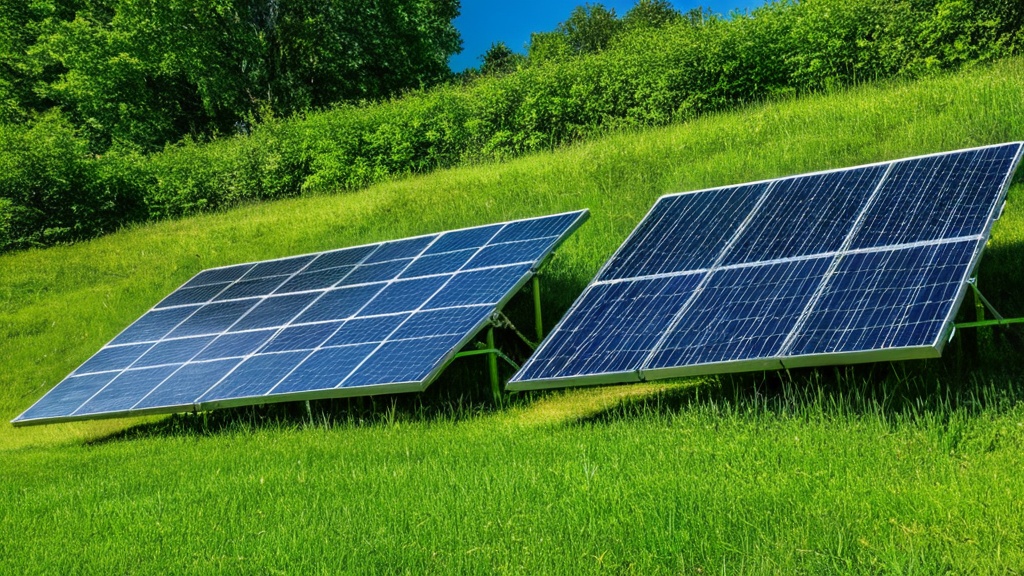
Clean energy encompasses a diverse array of sources that harness natural processes to generate power without depleting resources or polluting the environment. Solar energy, derived from the sun’s rays, is one of the most widely recognized forms of clean energy. Photovoltaic cells convert sunlight into electricity, while solar thermal systems use sunlight to heat water or air for residential and commercial use.
The versatility of solar technology allows it to be deployed in various settings, from large-scale solar farms to rooftop installations. Wind energy is another prominent clean energy source that has gained traction in recent years. Wind turbines capture the kinetic energy of moving air and convert it into electricity.
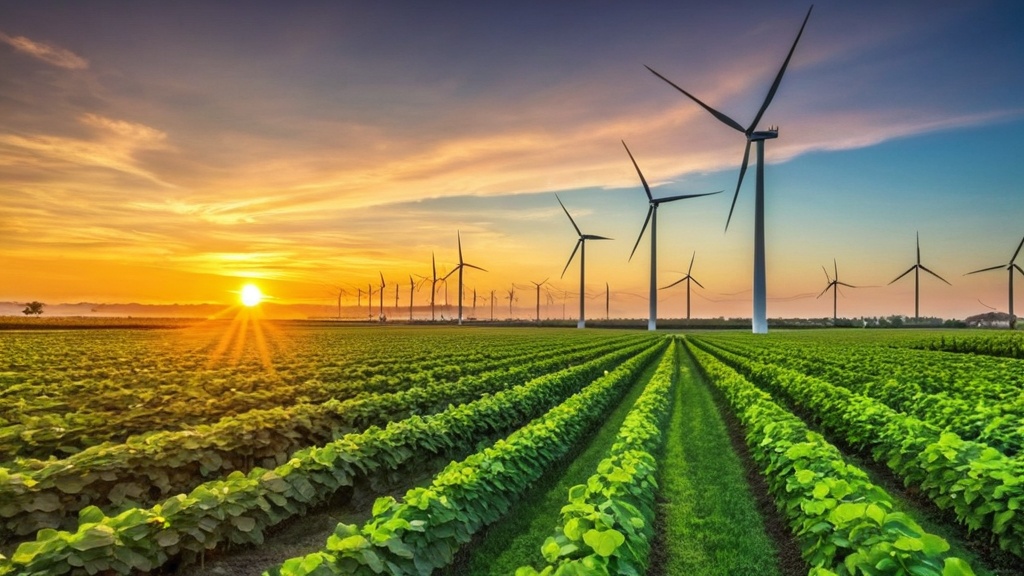
This renewable resource is particularly effective in regions with consistent wind patterns, making it a popular choice for utility-scale projects. Additionally, hydropower harnesses the energy of flowing water, typically through dams or run-of-river systems, to generate electricity. Each of these clean energy sources plays a crucial role in diversifying the energy mix and reducing reliance on fossil fuels.
Advantages of Harnessing Clean Energy
The advantages of harnessing clean energy are manifold and extend across environmental, economic, and social dimensions. From an environmental perspective, clean energy significantly reduces greenhouse gas emissions, which are the primary drivers of climate change. By transitioning to renewable sources, we can decrease our carbon footprint and contribute to global efforts aimed at limiting temperature rise and mitigating climate-related disasters.
Furthermore, clean energy technologies often have lower operational emissions compared to traditional fossil fuel systems, leading to improved air quality and public health outcomes. Economically, investing in clean energy can stimulate job creation and drive innovation. The renewable energy sector has proven to be a robust source of employment opportunities, with jobs in manufacturing, installation, maintenance, and research and development.
As countries shift their focus toward clean energy solutions, they can foster local industries and create a skilled workforce capable of supporting this transition. Additionally, clean energy projects often lead to lower long-term energy costs for consumers and businesses alike, as they reduce dependence on volatile fossil fuel markets.
Challenges in Implementing Clean Energy Solutions
Despite the clear benefits of clean energy, several challenges hinder its widespread adoption. One significant barrier is the initial capital investment required for renewable energy infrastructure. While the costs of technologies like solar panels and wind turbines have decreased dramatically over the past decade, the upfront expenses can still be prohibitive for many individuals and organizations.
Another challenge lies in the integration of clean energy into existing power grids. Many regions still rely heavily on centralized fossil fuel-based power generation, which can complicate the incorporation of decentralized renewable sources.
Grid stability and reliability are critical concerns as intermittent sources like solar and wind require advanced management strategies to ensure a consistent power supply. Addressing these technical challenges necessitates significant investment in grid modernization and smart technologies that can accommodate a diverse range of energy inputs.
Innovations in Clean Energy Technology
| Clean Energy Source | Global Capacity (GW) | Annual Growth Rate (%) | Average Efficiency (%) | CO2 Emissions Reduction (Million Tons/Year) |
|---|---|---|---|---|
| Solar Power | 950 | 20 | 15-22 | 800 |
| Wind Power | 750 | 15 | 35-45 | 700 |
| Hydropower | 1300 | 2 | 35-45 | 1000 |
| Geothermal | 15 | 5 | 10-20 | 20 |
| Biomass | 130 | 3 | 20-25 | 150 |
Innovation is at the heart of the clean energy revolution, driving advancements that enhance efficiency and reduce costs across various technologies. One notable area of progress is in energy storage solutions, which are essential for addressing the intermittency of renewable sources like solar and wind. Breakthroughs in battery technology, such as lithium-ion batteries and emerging solid-state batteries, are enabling more effective storage of excess energy generated during peak production times for use during periods of high demand.
Additionally, advancements in smart grid technology are transforming how we manage and distribute electricity. Smart meters and grid management systems allow for real-time monitoring and optimization of energy consumption, enabling consumers to make informed decisions about their usage patterns. Furthermore, innovations in artificial intelligence and machine learning are being leveraged to predict energy demand more accurately and improve the efficiency of renewable energy systems.
These technological advancements not only enhance the viability of clean energy solutions but also pave the way for a more sustainable and resilient energy future.
Government Policies and Incentives for Clean Energy
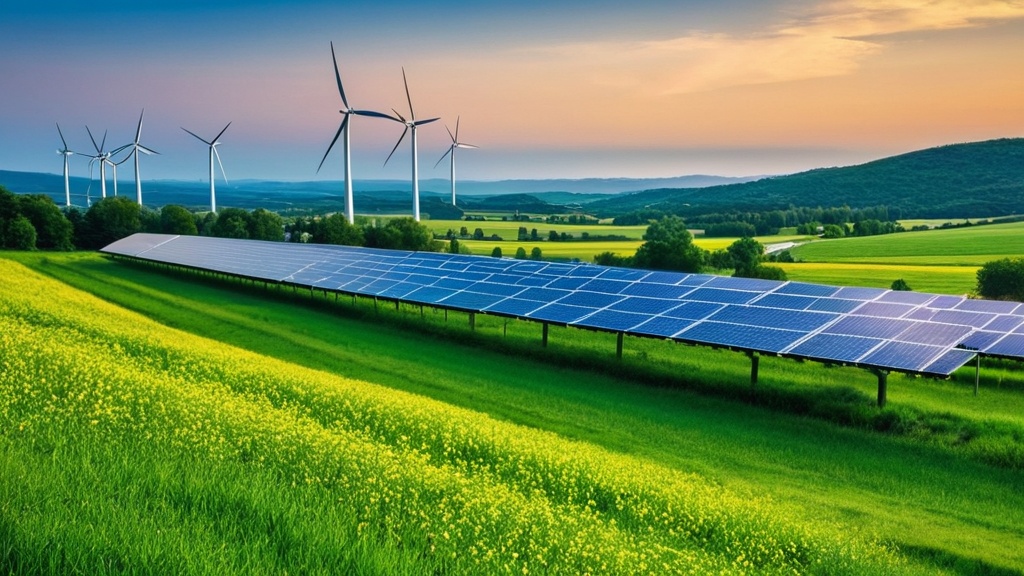
Government policies play a pivotal role in shaping the landscape for clean energy adoption. Incentives such as tax credits, grants, and subsidies can significantly lower the financial barriers associated with renewable energy investments. For instance, many countries offer tax incentives for homeowners who install solar panels or businesses that invest in wind farms.
These policies not only encourage individual action but also stimulate broader market growth by attracting private investment into the clean energy sector. Moreover, regulatory frameworks that promote renewable portfolio standards (RPS) or feed-in tariffs can create a stable market environment for clean energy technologies. By mandating that utilities obtain a certain percentage of their power from renewable sources or guaranteeing fixed payments for renewable energy producers, governments can drive demand for clean energy solutions.
Such policies not only support the growth of the renewable sector but also contribute to job creation and economic development within local communities.
The Role of Businesses in Adopting Clean Energy Practices
Businesses have a crucial role to play in advancing the transition to clean energy through their operational practices and corporate strategies. By adopting renewable energy sources for their operations, companies can significantly reduce their carbon footprint while also benefiting from lower energy costs over time. Many organizations are now committing to ambitious sustainability goals that include transitioning to 100% renewable energy or achieving net-zero emissions by specific target dates.
In addition to direct investments in clean energy technologies, businesses can also engage in partnerships with renewable energy providers or participate in community solar programs. These collaborations not only enhance corporate social responsibility but also demonstrate leadership in sustainability efforts within their industries. As consumers increasingly prioritize environmentally responsible practices when making purchasing decisions, businesses that embrace clean energy can gain a competitive advantage while contributing positively to global sustainability goals.
Community Engagement in Clean Energy Initiatives
Community engagement is essential for fostering support for clean energy initiatives at the local level. Grassroots movements often play a pivotal role in advocating for renewable energy projects that align with community values and priorities. By involving residents in decision-making processes related to clean energy development—such as siting solar farms or wind turbines—communities can ensure that projects reflect their needs while also addressing concerns about environmental impacts or land use.
Educational programs aimed at raising awareness about the benefits of clean energy can also empower communities to take action. Workshops, informational sessions, and outreach campaigns can help demystify renewable technologies and encourage residents to explore options like solar panel installations or community-based renewable projects. By fostering a sense of ownership over local clean energy initiatives, communities can build momentum for broader adoption while enhancing social cohesion around shared sustainability goals.
Clean Energy and Climate Change Mitigation
The relationship between clean energy adoption and climate change mitigation is undeniable. Transitioning away from fossil fuels toward renewable sources is one of the most effective strategies for reducing greenhouse gas emissions on a global scale. As countries commit to international climate agreements like the Paris Accord, increasing reliance on clean energy becomes essential for meeting national targets aimed at limiting global temperature rise.
Furthermore, investing in clean energy technologies not only addresses current emissions but also helps build resilience against future climate impacts. Renewable systems are often more adaptable to changing environmental conditions than traditional fossil fuel infrastructure, which may be vulnerable to extreme weather events exacerbated by climate change. By prioritizing clean energy solutions now, we can create a more sustainable future that mitigates climate risks while promoting economic growth.
The Economic Benefits of Transitioning to Clean Energy
Transitioning to clean energy presents numerous economic benefits that extend beyond environmental considerations. As mentioned earlier, job creation is one of the most significant advantages associated with renewable energy investments. The growth of the clean energy sector has led to millions of new jobs worldwide across various fields such as manufacturing, installation, maintenance, and research—providing opportunities for workers at all skill levels.
Additionally, transitioning to clean energy can lead to long-term cost savings for consumers and businesses alike. While initial investments may be substantial, renewable technologies often result in lower operational costs over time due to reduced fuel expenses and maintenance requirements compared to traditional fossil fuel systems. Moreover, as technology continues to advance and economies of scale are realized within the renewable sector, prices are expected to decline further—making clean energy an increasingly attractive option for all stakeholders involved.
Steps Individuals Can Take to Support Clean Energy
Individuals play an essential role in supporting the transition to clean energy through their choices and actions. One immediate step is to consider investing in renewable technologies for personal use—such as installing solar panels on rooftops or opting for green electricity plans offered by utility providers that source power from renewable resources. These actions not only reduce personal carbon footprints but also contribute to broader demand for clean energy solutions.
Moreover, individuals can advocate for policies that promote renewable energy adoption at local, state, and national levels by engaging with policymakers or participating in community discussions about sustainability initiatives. Supporting businesses that prioritize environmentally responsible practices can also amplify individual impact—encouraging companies to adopt cleaner operations while fostering a culture of sustainability within communities. By taking these steps collectively, individuals can contribute significantly toward advancing the global transition to clean energy while promoting a healthier planet for future generations.
As the world increasingly shifts towards sustainable practices, clean energy has become a focal point for innovation and investment. One interesting aspect of this transition is the role of artificial intelligence in enhancing corporate strategies, which is discussed in the article on leadership in AI and executive decision-making. You can read more about it here: Leadership in AI: Executive Decision-Making. This article explores how AI can influence strategic choices in various sectors, including clean energy, by providing data-driven insights and improving operational efficiency.
FAQs
What is clean energy?
Clean energy refers to energy sources that produce little to no greenhouse gas emissions or pollutants when generating electricity or heat. Examples include solar, wind, hydroelectric, geothermal, and certain forms of biomass energy.
Why is clean energy important?
Clean energy is important because it helps reduce carbon emissions, combat climate change, improve air quality, and decrease dependence on fossil fuels, which are finite and environmentally damaging.
What are the main types of clean energy?
The main types of clean energy include solar power, wind power, hydropower, geothermal energy, and biomass energy. Each uses natural processes to generate electricity or heat with minimal environmental impact.
How does solar energy work?
Solar energy works by converting sunlight into electricity using photovoltaic (PV) panels or by using solar thermal systems to capture heat. PV panels contain semiconductor materials that generate electric current when exposed to sunlight.
Is clean energy more expensive than traditional energy?
The cost of clean energy has decreased significantly over the past decade, making it competitive with or even cheaper than traditional fossil fuel energy in many regions. Initial installation costs can be higher, but operational costs are generally lower.
Can clean energy sources provide reliable power?
Yes, clean energy can provide reliable power, especially when combined with energy storage systems like batteries or integrated into a diversified energy grid. Advances in technology and grid management have improved the reliability of clean energy sources.
What are the environmental benefits of clean energy?
Clean energy reduces air pollution, lowers greenhouse gas emissions, conserves water resources, and minimizes habitat disruption compared to fossil fuel extraction and combustion.
How can individuals support clean energy?
Individuals can support clean energy by using energy-efficient appliances, installing solar panels, choosing green energy providers, reducing energy consumption, and advocating for policies that promote renewable energy development.
What challenges does clean energy face?
Challenges include intermittency of some renewable sources, the need for improved energy storage, grid infrastructure upgrades, initial investment costs, and regulatory or policy barriers.
Is clean energy the same as renewable energy?
While often used interchangeably, clean energy specifically refers to energy sources with low environmental impact, whereas renewable energy refers to sources that are naturally replenished. Most renewable energy sources are clean, but some, like certain biomass processes, may have environmental concerns.



















Leave a Reply