




The SME Guide To AI Transformation: Results-Driven Strategies
Introduction
By 2027, organizations are expected to spend around 3.9 trillion dollars on digital transformation, and by 2025 about 65% of global GDP will come from digital products and services. That kind of money and impact makes one thing very clear: this is no longer a side project. It is how companies, especially small and midsize ones, stay alive and grow.
Yet when we speak with HR directors, Chief Learning Officers, and founders, the story is rarely about software or servers, and research on how digital services empower SMEs confirms that the real transformation happens in business models and organizational capabilities. It is about people. Many tell us they feel stuck between pressure from the board to modernize and the reality on the ground:
- Teams are tired and overloaded
- Systems are outdated and poorly connected
- Skills are uneven across departments
- Every new tool lands on employees who are already stretched and unsure
The problem is not only choosing the right technology. It is helping people change how they think, decide, and lead.
We see digital transformation in SMEs as a human transformation first. New platforms, AI tools, and automation only pay off when leaders can set a clear direction and employees know how to work differently. Without that, projects stall, dashboards gather dust, and the promised ROI never appears. The organizations that move ahead are the ones that invest in two tracks at the same time: modern technology and systematic development of human capability.
“Culture eats strategy for breakfast.” — Peter Drucker
No digital roadmap works if the culture and skills behind it stay the same.
In this guide, we walk through a practical roadmap that combines both. We will talk about how to define a strategy, pick and phase initiatives, and, most importantly, build the leadership and workforce skills that make those changes stick. Along the way we will show where iAvva AI fits in as a partner. Our AI-powered coaching platform pairs smart technology with real human accountability and guarantees measurable business results within the first month.
If you read through to the end, you will leave with a clear plan for your own organization: what to prioritize, how to phase your work, which metrics to track, and how to make sure your people are ready for the change, not just asked to live with it.
Key Takeaways
Core insight 1 is that technology alone does not deliver results. Most digital programs fail because people lack the skills, confidence, and support to change how they work.
Core insight 2 is that digital transformation in SMEs faces real budget and expertise limits. With phased, focused moves, smaller firms can still pass larger competitors that move slowly.
Core insight 3 is that the best leaders start with quick wins that prove value fast. These projects free up resources while building the skills and trust needed for larger changes.
Core insight 4 is that AI-powered coaching platforms such as iAvva AI reach above 60 percent weekly engagement. This closes skill gaps far faster than traditional learning programs that most employees quietly ignore.
Core insight 5 is that success needs two kinds of measurement. You track money outcomes such as cost savings and revenue, and you track capability outcomes such as skills, behavior change, and OKR progress.
Core insight 6 is that leadership education and exposure to global markets strongly predict digital success. When leaders understand modern tools and outside trends, they guide their firms far more effectively.
Core insight 7 is that firms that link digital change with greener ways of working gain an extra edge. They cut costs, reduce waste, and appeal to customers and employees who care about sustainability.
Understanding Digital Transformation In SMEs: Beyond Technology Adoption

When we talk about digital transformation in SMEs, we are not just talking about buying a new CRM or moving files to the cloud. In a small or midsize company, real transformation means rethinking how the business operates, how customers are served, how decisions are made, and how people work each day. Digital tools are the enablers, but the real shift happens in the minds, habits, and skills of the people who use them.
Market data shows how serious this shift has become. Organizations spent around 2.5 trillion dollars on digital transformation in 2024 alone. Yet a large share of those projects did not deliver the expected value. In many studies, more than two-thirds of initiatives underperform or stall. The surprising part is that most failures are not due to the software itself. They happen because people are not ready, roles are unclear, and teams do not know how to change established ways of working.
The COVID shock exposed this truth in a painful way. Overnight, companies had to move to remote work, online sales, and digital processes. Some firms switched tools quickly but did not prepare their people. The result was chaos: confused employees, broken workflows, frustrated customers, and leaders who could not see what was really happening. Others took a different path. They combined new tools with fast, focused upskilling, coaching, and clear communication. Those firms bounced back faster and often grew.
For SMEs, the stakes are even higher. Compared with large enterprises, smaller firms operate with thinner margins, smaller IT teams, and less room for long experiments. At the same time, they have a major advantage: agility. When leadership is aligned and teams are ready, an SME can change course, test new models, and adopt new tools far faster than a large, layered corporation.
We like to think of digital transformation as three intertwined changes happening at once:
- Technology infrastructure shifts: cloud platforms, AI tools, automation, and data systems
- Business processes change: fewer manual steps, more automation, better data flows, and clearer ownership of tasks
- Human capabilities grow: leaders learn to read data and set direction, managers learn to run hybrid teams, and employees gain the skills to use new tools with confidence
Research backs up this people-first view, as shown in studies on digital transformation and corporate performance that examine how organizational capabilities drive technology success. Studies that use models such as the Resource-Based View (RBV) and the Technology-Organization-Environment (TOE) framework show that leadership education and international exposure strongly predict successful digital adoption, with research on digital transformation of small and medium-sized enterprises confirming these patterns across manufacturing and production sectors. SMEs led by managers with higher education levels and professional development are more likely to understand complex technologies, plan realistic roadmaps, and stick with them. Firms that operate in or sell to global markets also adopt digital tools faster, because they feel stronger competitive pressure and see more examples of modern practice.
So why do around 70 percent of digital programs still fall short? The same reasons show up again and again: resistance to change, skill gaps across all levels, and a lack of clear, shared direction. When employees do not understand why change is happening, when they lack the skills to use new tools, or when leadership sends mixed messages, the safest move is to wait things out. Projects slow, new systems go unused, and people return to old habits.
The SMEs that will move ahead are the ones that treat workforce development as just as important as tool selection. They budget not only for licenses, but also for leadership development, team coaching, and continuous upskilling. This is where iAvva AI is designed to help. Our platform gives leaders and employees day-to-day support, practical learning, and clear alignment with business goals, so that when new tools arrive, people are ready to get value from them on day one.
The True Cost Of Inaction: Risks Of Delaying Digital Transformation

For most leaders, the question is no longer whether to modernize. The real question is whether the organization can afford to delay. When we look closely at digital transformation in SMEs, we see that waiting carries hidden costs that grow every quarter the business stands still.
The first cost is competitive erosion. Larger firms, digital natives, and fast-moving startups are already using AI, automation, and data to move faster and serve customers better. Studies show that smaller firms often lag 18 to 24 months behind big enterprises in adopting advanced tools. In markets where customers can switch with a click, that gap turns into lost contracts, smaller margins, and shrinking relevance.
The second cost shows up in talent. Millennials and Gen Z workers expect modern tools, flexible work, and clear development paths. When they walk into a workplace that still runs on manual spreadsheets, paper files, and clunky legacy systems, they read it as a sign of the company’s future. They leave sooner, and the best candidates never accept offers in the first place. Replacing them is expensive, and the cycle repeats.
A third cost is what we call the operational inefficiency tax. When teams type data into multiple systems, chase email approvals, or correct preventable errors, they burn hours that could go to higher-value work. Finance teams in non-digitized firms often spend close to half their time on manual data entry and reconciliations. Operations teams chase status updates instead of improving processes. This waste is rarely visible on a single budget line, but it drags on profit every day.
There is also a widening customer experience gap. Research suggests that most buyers rate experience as a key factor in their decisions. Customers expect real-time updates, personalized offers, and self-service options across channels. SMEs without modern CRM tools, automation, and analytics struggle to offer that kind of experience. Even loyal customers start drifting to competitors who make it easier to buy and get help.
Recent shocks have made another risk painfully clear. When the pandemic and supply disruptions hit, firms with digital infrastructure and remote work capabilities adjusted far more quickly. They could move teams home, reroute orders, and keep serving customers. Firms that had postponed digital updates faced cancelled orders, idle staff, and in some cases, closure. Future disruptions may look different, but the pattern will repeat.
Finally, there is the compounding skills gap. As tools improve, the expectations on employees change. When an SME delays digital adoption, employees lose chances to grow with the market. The gap between their skills and what is needed tomorrow gets wider. Catching up later requires more time, more money, and often deeper change management than if the firm had started earlier.
“The greatest danger in times of turbulence is not the turbulence; it is to act with yesterday’s logic.” — Peter Drucker
Seen together, these risks show that inaction is not neutral. It is a choice to accept higher costs, weaker talent pools, and growing threats. The alternative is not a huge, one-time overhaul. By starting with focused, high-impact moves, and by using platforms like iAvva AI to build skills and confidence, SMEs can treat digital change as risk protection and growth insurance instead of a scary expense.
Core Benefits Of Digital Transformation For SMEs: The Business Case

If the risks of delay are high, the upside of moving ahead is just as strong. When digital transformation in SMEs is done with people at the center, the gains show up across daily operations, financial results, customer relationships, and long-term positioning. In this section, we break the benefits into four areas and show how they connect.
Enhanced Operational Efficiency And Productivity
Digital tools are very good at taking over work that is repetitive, rules-based, and prone to error. When tasks like invoicing, inventory updates, reporting, or data entry are automated, teams often reclaim 15 to 20 hours per person each week. That time can shift from copying information between systems to actually analyzing what the numbers mean.
Productivity gains are not only about speed. They are about better use of human intelligence. When a cloud-based project tool gives everyone the same real-time view, teams cut status meetings and long email threads. Project cycle times can drop by 25 percent because tasks are clearer, dependencies are visible, and approvals move faster. Automated workflows can remove the slowest 90 percent of manual approval delays that used to clog the system.
Once that time is freed, the question becomes what people do with it. This is where capability development matters. If employees have coaching and training through a platform like iAvva AI, they can use those extra hours for problem solving, customer outreach, and innovation instead of filling them with new low-value tasks. The combination of smarter tools and smarter work habits creates a multiplier effect that compounds over time.
Significant Cost Savings And Resource Optimization
Many SME leaders worry first about what digital change will cost. When we run the numbers, we usually find that the savings side of the equation is much stronger than expected. One major area is infrastructure. By shifting from on-premise servers and software licenses to cloud and SaaS models, firms often cut IT infrastructure costs by 30 to 40 percent, which can mean tens or hundreds of thousands of dollars each year.
Labor-related savings are just as important. When automation handles a chunk of manual work, the company can grow revenue without growing headcount at the same rate. Error reduction also matters. Fewer mistakes in billing, orders, or compliance reduce rework, refunds, and penalties. All of these changes free up cash that can be redirected to growth initiatives, new markets, or better employee programs.
There are also hidden savings that rarely show up in simple ROI sheets. Less downtime from system failures, lower churn because customers are happier, and fewer rush fixes because data is more accurate all contribute to a healthier bottom line. When you pair technology improvements with focused skill-building through iAvva AI, the payback is even faster. Our platform is designed to deliver measurable business results in the first month, helping finance leaders see transformation spend as growth capital rather than a cost center.
Improved Customer Experience And Revenue Growth
From a revenue point of view, customer experience is where digital transformation in SMEs often pays off fastest. Many surveys show that a large majority of customers now expect quick, personalized, and seamless digital interactions. They do not compare you only to your direct competitors. They compare you to the best experience they have had anywhere.
Modern CRM systems help SMEs build a 360-degree view of each customer by tracking interactions across email, phone, web, and in-person touchpoints. When teams use that view well, they can move from reactive service to anticipatory service. Personalized campaigns, smarter timing, and offers that fit real needs can boost conversion rates by 15 to 20 percent. For e-commerce or service businesses, the ability to sell online and reach global markets can increase the addressable market by a factor of ten.
Data-driven personalization also increases customer lifetime value. When you know which products a customer is likely to need next, which channels they prefer, and which pain points matter, you can focus your time and marketing spend where it counts. Companies that use customer analytics effectively often see 10 to 15 percent gains in lifetime value, which has a direct impact on profit.
Again, tools alone are not enough. If sales, service, and marketing teams do not know how to interpret CRM data or how to adjust their approach, the system becomes an expensive address book. iAvva AI helps close that gap by coaching people on practical skills for data-driven customer engagement, handling difficult conversations, and building long-term relationships. Better experiences lead to higher retention, and keeping an existing customer usually costs far less than winning a new one.
Increased Competitiveness And Market Agility
A major promise of digital transformation in SMEs is that it narrows the gap with bigger players. Cloud platforms and AI tools that were once reserved for large enterprises are now available at prices and scales that fit SMEs. That means a 200-person company can use advanced analytics, automated marketing, and global e-commerce without building massive internal teams.
The real edge, though, is agility. Digitally mature SMEs can test new offerings, shift pricing models, and respond to customer feedback far faster than slower, traditional competitors. Studies show that companies with strong digital capabilities can launch new products and adjust to market changes several times faster than those that rely on manual processes and siloed systems.
Still, technology sets the stage; people drive innovation. Firms that build a culture of continuous learning, where managers and employees regularly improve their skills, stay ahead of competitors long after the first tool rollout. iAvva AI supports this by embedding ongoing coaching into daily work, so teams stay sharp and ready to adapt. In the long run, that adaptability is what keeps an SME in the game as markets move.
Benefits Overview At A Glance
| Benefit Area | Typical Gains For SMEs | Example Metrics |
|---|---|---|
| Operational Efficiency & Productivity | Less manual work, faster cycle times | Hours saved, process time, error rates |
| Cost Savings & Resource Use | Lower IT and labor costs, fewer penalties | IT spend, rework costs, overtime hours |
| Customer Experience & Revenue | Higher retention, better conversion | NPS, churn rate, conversion rate, CLV |
| Competitiveness & Agility | Faster response to market shifts and trends | Time-to-market, number of experiments, margin |
This table is not a promise; it is a guide to where SME digital transformation usually delivers visible value.
The Digital Divide: Why SMEs Lag Behind And How To Close The Gap
Despite the clear benefits, a stubborn digital divide remains between SMEs and large corporations. On average, smaller firms lag 18 to 24 months behind their larger peers in adopting advanced technologies. The gap is not evenly spread, though. It is small for basic activities and very large for more advanced systems.
For example, many SMEs already use online banking, digital invoicing, and basic website tools. The differences become stark when we look at integrated systems. Only a small slice of SMEs use full Enterprise Resource Planning (ERP) platforms, while a large majority of big firms do. The pattern is similar for advanced data analytics and AI. While some small companies experiment with reports or dashboards, only a few use Big Data tools for strategic planning.
Cloud computing tells the same story. Many SMEs use basic cloud storage or email tools, but far fewer use advanced platform or infrastructure services that would let them build custom apps, run large-scale analytics, or support complex workflows. AI and automation adoption is even weaker, often blocked by fear of complexity and a shortage of internal expertise.
On the surface, this looks like a simple money problem. Smaller firms have smaller budgets, smaller IT teams, and less room for error. They cannot fund multi-year programs or handle large project failures. They also tend to have less negotiating power with major vendors and less access to top technical talent. All of this is true, but it is not the whole story.
The deeper issue is a human capability gap. Many SMEs lack leaders who are comfortable with modern technology, staff who can evaluate vendors, and internal champions who can translate between business needs and technical options. Without that mix of skills, it is hard even to choose what to buy, let alone implement it well and get value from it.
Research points to three key factors that help close this gap:
- Managerial education
- Degree of internationalization
- Firm size and internal resources
The first is managerial education. Studies show that leaders with university-level training and ongoing professional development are more than twice as likely to guide effective digital programs. They are better at reading market signals, understanding technical explanations, and making data-based decisions.
The second factor is international exposure. SMEs that sell abroad or participate in global supply chains show about 40 percent higher digital adoption rates. They face stronger pressure to modernize, see more examples of digital practice from partners and competitors, and often need digital tools just to operate across borders.
The third factor is size within the SME segment. Medium-sized firms with 100 to 250 employees generally have more resources to invest than micro firms with 10 to 50 people. They have larger teams to assign to projects, can absorb more risk, and have more room to experiment.
What matters most, though, is how these factors interact. A larger SME without educated, forward-looking leadership can still lag. A smaller, well-led firm that pays attention to global trends can punch far above its weight. Knowledge and vision amplify the effect of resources.
This is where we see a major role for structured workforce development. SMEs do not need to match enterprise budgets to close the gap. They need to grow the skills and confidence of their leaders and teams in a targeted way. Platforms like iAvva AI help by giving leaders structured support on strategy, change management, and data-driven decision making, while also giving employees practical, daily practice with the skills they will need to use new tools effectively.
Over time, this approach lets SMEs move from simple tools to more advanced ones without getting lost. They can select, adopt, and benefit from technology at a pace that fits their capacity, rather than staying permanently a step behind.
The Six Barriers To SME Digital Transformation (And How To Overcome Them)
Every SME that moves toward more digital ways of working runs into obstacles. Some are obvious, such as budget limits. Others are quieter, like fear of change or the struggle to show clear ROI. Pretending these barriers do not exist only makes them harder to handle. Naming them, and planning around them, gives leaders a real chance to move forward.
In this section, we walk through six common barriers we see across digital transformation in SMEs. For each one, we suggest practical approaches that have worked in real organizations and show how iAvva AI can support the human side of the change.
Barrier 1: Financial Constraints And Limited Budgets
Money is a very real concern. Studies show that more than a quarter of senior leaders cite cost as a major blocker to digital change. When margins are thin and cash flow is tight, it is understandable to hesitate before signing contracts for new tools, training programs, or external support.
However, the better question is not “Can we afford to invest?” but “What is the cost of staying as we are?” When we add up lost efficiency, weaker customer experience, and higher risk of disruption, the price of inaction often exceeds the cost of a well-planned program. The key is to avoid all-or-nothing thinking.
One effective approach is to start with high-impact, low-cost moves such as cloud productivity suites, basic automation for invoices, or simple CRM tools. These can deliver visible savings and performance gains quickly, freeing up cash and confidence for bolder steps. Using SaaS and cloud models spreads spending over time instead of large up-front purchases. Many regions also offer grants or incentives for SME digitalization, and some vendors provide pricing plans designed for smaller firms.
iAvva AI follows this logic. Our pricing scales with company size, from 50 to 5000 employees, and we back it with a guarantee of measurable business results in the first month. That makes the business case easier to present to a CFO who is rightly cautious about new spend.
Barrier 2: Lack Of In-House Digital Expertise And Skills Gaps
When we ask leaders what stops their digital plans, a lack of skills comes up again and again. Recent research shows that more than a quarter of organizations see missing technical expertise as their main hurdle. In SMEs, this gap appears at three levels:
- At the top, many leaders do not know which tools exist, how to evaluate them, or how to turn strategy into a realistic roadmap.
- On the front lines, employees may lack digital literacy, data skills, or comfort with constant change.
- IT teams, when they exist, are often busy just keeping current systems running and have little time to drive innovation.
You cannot roll out tools that your people do not understand and expect good results. The fix is ongoing development, not one-time workshops. That means building continuous upskilling and reskilling into the core of the business, rather than treating it as a side project.
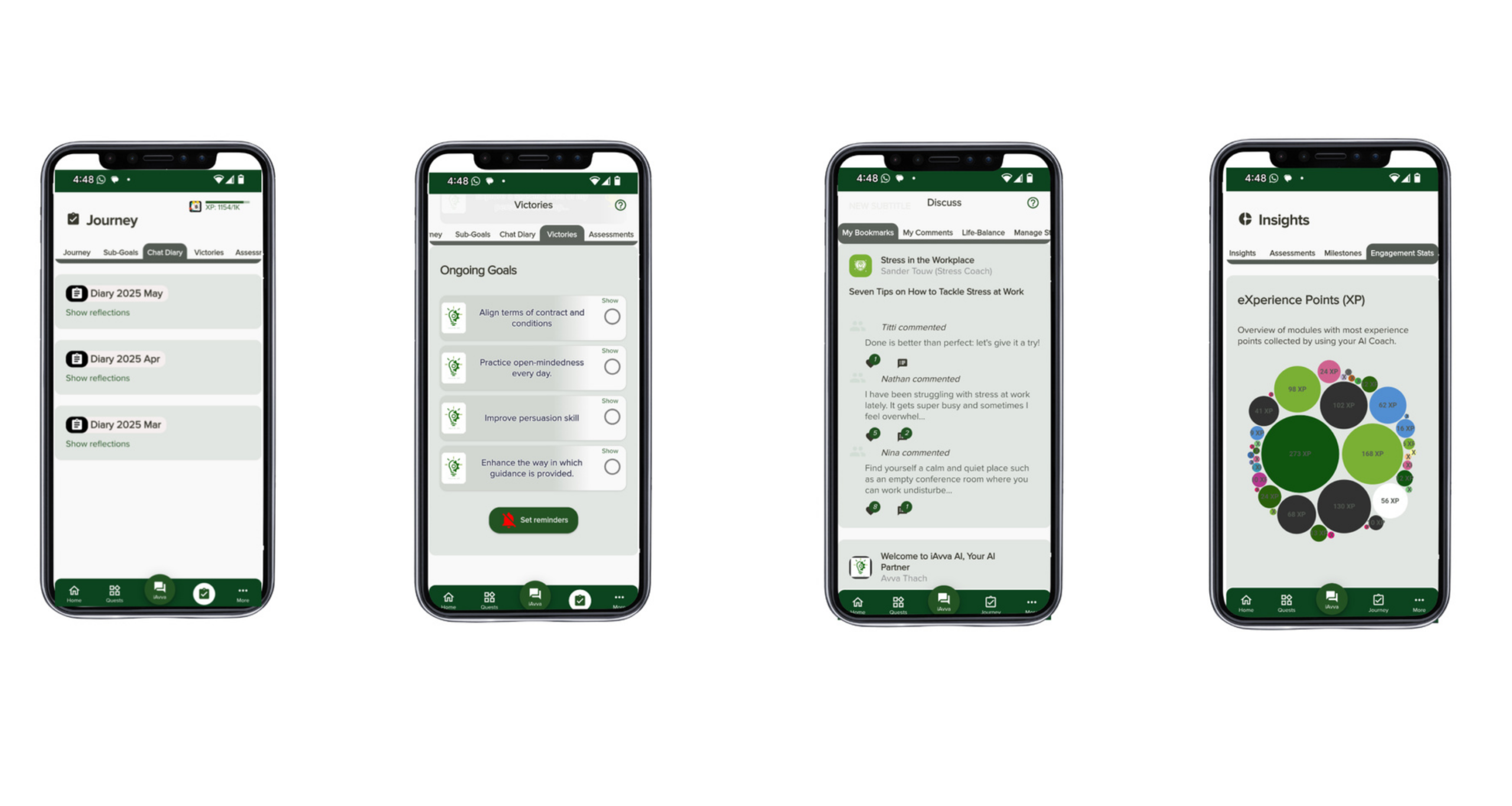
Here, AI-powered coaching platforms are game changers. iAvva AI delivers personalized coaching and content that fits each person’s role, level, and learning style. Daily prompts and micro-lessons keep progress steady, while bi-weekly group sessions add human support. Our engagement rates above 60 percent show that employees actually use the program, unlike many traditional courses that see single-digit usage. With our OKR alignment, each person’s skill growth ties directly to the company’s transformation targets, so learning and performance move together.
Barrier 3: Organizational Resistance To Change And Cultural Inertia
Technology is usually the simpler part of digital change. People and culture are harder. Many employees have done their work in a similar way for years. They may worry that automation will make their roles less important, or that they will look foolish trying to use new systems. Managers may quietly resist shifts that challenge long-held authority or routines.
If leaders ignore this resistance, even the best-designed project can stall. Systems get installed but not used. Teams keep side spreadsheets. Old processes live on in parallel with new ones, adding complexity instead of removing it.
Overcoming this kind of inertia starts with clear, honest communication from leadership. People need to understand why change is needed, what will happen if the company does nothing, and how the new tools and skills will help them succeed. Inviting employees into the process, asking for feedback, and involving early adopters as champions all signal respect and shared ownership.
iAvva AI is built with this human reality in mind. Our coaching draws on neuroscience and International Coaching Federation principles to help people examine their beliefs, build confidence, and shift habits in small, manageable steps. Because we support text and voice interactions and work in 19 languages, employees can engage in ways that feel comfortable. This kind of support makes cultural change more than a slogan.
“Learning never exhausts the mind.” — Leonardo da Vinci
A culture that values learning is far more likely to accept new tools and new ways of working.
Barrier 4: Cybersecurity Risks And Data Privacy Concerns
As SMEs rely more on digital tools, their exposure to cyber threats grows. Attackers know that smaller firms often lack strong defenses, yet hold valuable data. A single breach can result in financial loss, legal problems, and damaged trust with customers and partners.
Some leaders respond by slowing or avoiding digital projects out of fear. That reaction is understandable but dangerous. Avoiding digital tools does not remove risk; it adds new ones by leaving the business less efficient and less resilient.
A more effective approach is to build security into digital plans from the start, with guidance available through comprehensive SME tech guides that cover digital transformation essentials including cybersecurity frameworks tailored for smaller organizations. Basic steps include firewalls, reputable anti-malware tools, multi-factor authentication, and regular updates for all systems. Training employees on phishing, password practices, and safe data handling is just as important, since many attacks start with human error. For deeper protection, SMEs can work with managed security providers who monitor threats and respond quickly without requiring a full internal security team.
Through programs delivered on iAvva AI, organizations can include cybersecurity awareness as part of regular development, not an annual checkbox. When people understand their role in protection, they become allies instead of weak points.
Barrier 5: Integration Challenges With Legacy Systems
Many established SMEs still run key processes on old software, custom tools, or even spreadsheets. These systems may feel outdated, but they also run payroll, manage inventory, or support production. Replacing them in one big move is risky and expensive. Leaving them untouched, however, makes modern projects much harder.
A practical path is phased modernization. Instead of throwing everything out, firms can link legacy tools with newer cloud applications through APIs or middleware. Over time, more functions can move to integrated, modern platforms that talk to each other smoothly. Starting with non-critical systems helps the team learn what works before touching the core.
This kind of shift has a strong human side. Every change to a system changes daily work. Employees need time and guidance to understand new workflows and to trust that they will not be left behind. With iAvva AI, you can support people through each phase, giving them targeted coaching before and during each rollout so that the technology and the human side evolve together.
Barrier 6: Difficulty Measuring ROI And Demonstrating Value
Many digital projects fail not because they lack impact, but because leaders cannot clearly show that impact. When returns are spread across multiple departments and take time to appear, it is easy for skeptics to argue that the investment was not worth it or to block further phases.
Part of the challenge is that traditional ROI thinking looks mostly at short-term financial gains. Digital change often brings gains in areas such as employee engagement, customer satisfaction, and risk reduction, which do not immediately show up on a profit and loss statement.
The answer is a broader measurement framework. Alongside financial metrics like cost savings and revenue growth, firms should track operational measures such as cycle time, error rates, and output per employee. Customer indicators like satisfaction scores, Net Promoter Score, and retention show whether experience is improving. Employee metrics like engagement, skill growth, and turnover rates reveal whether the workforce is moving in the right direction.
Baseline data matters as well. Without a clear starting point, you cannot show improvement. iAvva AI supports this by providing analytics that track individual and organizational progress across time. Because we guarantee measurable business results within the first month, leaders have early proof points they can use to secure ongoing support and funding.
Strategic Determinants Of Successful Digital Transformation: What Research Tells Us
Knowing that digital change is important is not enough. To use resources wisely, SMEs need to understand what actually predicts success. Academic research, especially work based on the Resource-Based View and the Technology-Organization-Environment model, offers helpful clues. It points not to specific tools, but to human and organizational factors that shape outcomes.
When we look across these studies, three themes show up again and again: the education and mindset of leaders, the firm’s exposure to international markets, and its internal resource base. Each one matters, but their combination matters even more.
1. Managerial Education And Professionalization
Research consistently finds that SMEs led by managers with university-level education and ongoing professional development show higher rates of digital adoption. These leaders are more comfortable dealing with complex information, asking the right questions about technology, and weighing long-term gains against short-term costs.
Educated leaders also tend to be more open to innovation. They are less attached to “how we have always done it” and more willing to test new ideas. They can read and interpret data, understand risk in a nuanced way, and communicate a clear vision to their teams. In short, they treat knowledge as a strategic asset.
For SMEs, this means that investing in executive education is not a luxury. It is a foundation. Programs that build skills in digital strategy, change management, and data literacy pay off in stronger, more focused transformation programs. iAvva AI supports this by giving leaders AI-powered coaching on these exact topics, turning theory into daily practice and decision-making.
2. Degree Of Internationalization
SMEs that work in international markets or participate in global supply chains tend to adopt digital tools faster and more deeply. Exposure to different regulations, customer expectations, and competitors forces them to modernize just to stay in the game. They see more examples of digital practice and feel clearer pressure to keep up.
Even if your firm does not yet sell abroad, you can gain some of the same benefits by thinking with an international mindset. That might mean studying how leading firms in other regions use AI and automation, joining global industry groups, or sending leaders to virtual conferences that showcase modern practice. The more you see, the easier it becomes to spot gaps and opportunities in your own organization.
This outside-in perspective often changes the questions leaders ask. Instead of “Do we need this tool?” they start to ask “How are peers in other markets using tools like this, and what could we adapt for our context?” That shift alone can speed digital maturity.
3. Firm Size And Resource Capacity
Within the broad SME category, size still makes a difference. Medium-sized firms with 100 to 250 employees usually have more financial and human resources than micro firms with fewer than 50 staff. They can assign people to cross-functional teams, fund pilots, and withstand short-term disruptions better.
However, size does not guarantee success. Without informed leadership and outside awareness, a larger SME can still cling to outdated systems and miss opportunities. The research shows that size works best when combined with strong managerial education and at least some level of external exposure. In other words, resources matter, but they need direction.
For smaller firms, this is good news. You may not be able to grow headcount quickly, but you can grow capability. With targeted leadership development and workforce coaching through platforms like iAvva AI, a smaller SME can move with the clarity and confidence of a much larger one. That is why we design our programs for organizations from 50 to 5000 employees and price them to fit that range.
“Without data, you’re just another person with an opinion.” — W. Edwards Deming
Data-informed leaders, backed by modern skills, are at the core of successful SME digital transformation.
Synthesis Of The Findings
Across these factors, one message stands out. Digital transformation in SMEs is, above all, a human and organizational challenge. Technology is important, but it is not the main predictor of success. What matters more is whether leaders understand what is possible, whether they can guide change, and whether employees gain the skills they need to work in new ways.
SMEs that treat leadership development, workforce upskilling, and a learning-focused culture as core investments tend to outperform those that focus only on tools. This is exactly the philosophy behind iAvva AI. We provide the structure, coaching, and analytics that help your people grow in step with your technology stack, so that your investment in tools translates into real, sustained performance.
The iAvva AI Approach: Bridging Technology And Human Capability

Most SMEs we speak with already know they should modernize. Their challenge is not awareness; it is execution. They ask, “How do we build the skills and habits needed to make these tools pay off, without burning people out or blowing the budget?” That is the gap iAvva AI is built to bridge.
We are not simply another training app. We act as the human side of your digital strategy, giving leaders and employees ongoing support so that new tools, processes, and data actually change behavior and results.
Our Comprehensive Platform
iAvva AI brings together several pieces that usually sit in separate programs. At the heart of our approach is AI-powered coaching. Our system delivers one-to-one style guidance through text and voice interactions, at scale, so every employee can get timely nudges, questions, and reflections that fit their current challenges and role.
This coaching is supported by daily personalized prompts. These are short, focused actions or reflections that help people practice new skills in the middle of real work. Rather than sending staff away for long “off the job” courses, we bring development into the flow of the day. Over time, this steady rhythm turns new behaviors into habits.
Every two weeks, we add live group coaching sessions. These provide a space where peers can share obstacles, compare experiences, and work through real cases together with a facilitator. This human connection adds accountability and helps normalize change, especially for people who are cautious or anxious about new expectations.
Around these elements, we offer professional development courses that cover leadership, digital literacy, data skills, change management, and more. Our multimodal design supports both text and voice, is friendly to people with different cognitive styles, and is available in 19 languages. Enterprise-grade analytics track progress at individual, team, and company levels. An OKR alignment system connects each person’s goals with business priorities, so learning feeds directly into transformation outcomes.
Our Proven Methodologies
Our platform rests on methods that have been tested in many settings.
We use insights from neuroscience about how adults learn and change. People remember and apply ideas better when they receive them in small, spaced doses, when they link them to real tasks, and when they reflect on their own behavior. Our daily prompts and micro-coaching are designed with these principles in mind.
We follow standards from the International Coaching Federation (ICF). That means our approach is grounded in respect, listening, powerful questions, and clear goal-setting. We are not just pushing content. We are supporting real growth in self-awareness and leadership.
We integrate Lean Six Sigma thinking. That gives our programs a strong focus on process improvement and measurable outcomes. When we work with teams on digital change, we help them see where waste occurs, how to reduce variation, and how to build continuous improvement into daily work.
The combination of these three method sets makes our support both human-centered and performance-focused.
Our Measurable Results And Guarantees
Many platforms talk about impact in vague terms. We prefer clear commitments. iAvva AI guarantees measurable business results within the first month of use. That might show up as improved completion of key behaviors tied to OKRs, better process cycle times in a targeted area, or higher engagement scores in a priority team. We work with you to define what matters and then track it.
Engagement is a leading indicator of any program’s success. Traditional learning systems often see 5 to 10 percent of employees engage regularly. Our clients see weekly engagement levels above 60 percent. That difference comes from four factors:
- Personalization means people receive content that fits their role, skill level, and goals
- Convenience allows them to interact on any device, at times that work with their schedule
- Group coaching adds social accountability and support
- Tying coaching themes to OKRs keeps everything relevant to current business priorities
Our platform scales smoothly from 50 to 5000 employees. Implementation takes weeks, not months, and our analytics dashboards give you a clear view of participation, progress, and links to outcomes. For SMEs that need to show fast ROI on digital transformation in SMEs, this speed to value is a major advantage.
How We Address Each Barrier
The design of iAvva AI maps directly to the six barriers we discussed earlier:
- For financial constraints, our SaaS pricing and fast payback help leaders justify the spend
- For skill gaps, our personalized coaching and rich content build new capabilities at scale
- For cultural resistance, our neuroscience-based approach and group coaching help people process fears, see benefits, and form supportive habits
- For security concerns, targeted awareness modules can be delivered within the platform
- For integration challenges, we train people on new systems and workflows as they roll out
- For measurement issues, our analytics close the gap by showing clear links between behavior change, skill growth, and business results
In short, we focus on the human side of SME digital transformation so that your technology projects have a far higher chance of success.
Building Your Digital Transformation Roadmap: A Phased Approach
Knowing the “why” and “what” of digital change is only half the work. The “how” matters just as much. Without a clear roadmap, digital transformation in SMEs can feel like a series of disconnected projects, each pulling attention and budget in different directions. A phased plan keeps effort focused, reduces risk, and makes it easier to bring people along.
We suggest a four-phase approach that runs technology and workforce development side by side. In each phase, you assess, plan, act, and learn. The phases are not rigid; they can overlap. What matters is that you move in a deliberate way, rather than reacting to the loudest vendor pitch or internal request.
- Phase 1: Build a shared picture of where you stand and where you want to go
- Phase 2: Decide what to do first, how to sequence other moves, and how to resource them
- Phase 3: Implement with discipline, combining pilots, communication, and training
- Phase 4: Measure outcomes, adjust, and lock in gains so they become part of daily work
Throughout this process, iAvva AI supports the people side. We help you assess current skills, design development plans that match your roadmap, and keep leaders and employees building capabilities as each new tool arrives.
“A goal without a plan is just a wish.” — Antoine de Saint-Exupéry
A clear roadmap turns intentions about digital change into concrete, trackable action.
Phase 1: Assess And Align
Phase 1 is about starting from reality, not from wish lists. Before buying anything new, you need a clear view of your current technology, processes, and skills.
Begin with a digital readiness assessment. Map your current systems across functions such as sales, finance, operations, HR, and customer service. Note which tools are up to date, which are aging, and where manual work fills the gaps. Look at your processes and highlight bottlenecks, delays, error-prone steps, and places where employees need to retype or recheck data.
Next, assess workforce capability. Survey employees about their comfort with existing tools, appetite for new ones, and learning preferences. Identify early adopters who enjoy testing new systems, and those who are more cautious and will need extra support. Pay special attention to leadership readiness, since their behavior will set the tone for everyone else.
With this picture in hand, define SMART goals for your transformation. Goals might include:
- Reducing order processing time by 30 percent in six months
- Increasing customer retention by 15 percent in a year
- Bringing 80 percent of the sales team to a defined proficiency level with a new CRM within 90 days
Make sure each goal links to core business outcomes such as growth, margin, or customer satisfaction.
At this stage, iAvva AI can help by running structured assessments of skills and behaviors, giving you a baseline for leadership and employee capabilities and showing where development will have the most impact.
Phase 2: Prioritize And Plan
Once you know where you stand and what you want to achieve, it is time to choose where to start. Trying to do everything at once is a recipe for confusion and burnout. Phase 2 helps you focus.
One helpful tool is a simple grid with impact on one axis and complexity on the other. List potential projects, such as:
- Implementing a basic CRM
- Moving email and document storage to cloud tools
- Automating invoice processing
- Adding a customer self-service portal
Mark each one for its potential business impact and its technical and change complexity.
Projects that promise high impact with low complexity belong at the top of your near-term list. For many SMEs, these include cloud collaboration suites, entry-level CRM systems, or targeted automation. Delivering a few of these early builds credibility and frees time and money.
Then, sequence medium and long-term initiatives over the next 12 to 18 months. Consider dependencies; for example, you may need to move to cloud infrastructure before you can adopt advanced analytics. Assign clear owners for each initiative and set realistic timelines that include time for testing and training.
Budget planning should cover more than licenses and implementation fees. Include time and money for communication, coaching, and training. Decide where you will need external partners and where internal teams can take the lead. In parallel, design a workforce development plan that lists the skills needed for each project phase. This is where iAvva AI becomes part of the plan, delivering personalized upskilling tied to your roadmap and OKRs.
Phase 3: Implement With Discipline
Phase 3 is where plans meet reality. The goal here is to execute in a way that protects daily operations while building momentum and confidence.
Start with pilots. Rather than rolling out a new tool across the whole company at once, select one team or location to test it. Choose a group that is representative enough to reveal issues but small enough to manage closely. During the pilot, gather feedback about usability, process fit, and training gaps. Use what you learn to improve the next wave of deployment.
Strong change management is essential. Communicate the purpose of each initiative in clear, simple language, and repeat the message often. Share stories of early wins and be open about challenges you are working through. Identify change champions in each department who can support peers, answer common questions, and feed insights back to the project team. Leaders should model the new behaviors themselves, such as using the same dashboards and tools they ask their teams to use.
Training should not trail behind technology. Aim to build foundational skills before tools go live, then provide “just in time” support as people start using them in real tasks. iAvva AI is especially useful here. Before a CRM rollout, for example, we can coach sales staff on concepts such as pipeline management, data quality, and customer follow-up. As the system goes live, daily prompts help them practice entering and reviewing data in ways that match new expectations. Group coaching sessions give space to discuss obstacles and share tips.
Throughout implementation, monitor both technical and human metrics. Track system performance, adoption rates, and error levels, but also track confidence, engagement, and skill growth. Regular check-ins with project and department leaders allow you to spot issues early and adjust the plan rather than waiting for a major problem.
Phase 4: Measure And Optimize
Digital change is not a one-time event. Phase 4 turns it into an ongoing cycle of learning and improvement. Without this phase, early gains can fade and old habits can creep back.
Begin by revisiting the SMART goals you set in Phase 1. Compare current data with your baseline. Are process times shorter? Have error rates dropped? Are customer and employee scores improving? Where results are strong, document what worked so you can repeat it in other areas. Where results lag, dig into the causes. Are there gaps in skills, in system configuration, or in process design?
Use a balanced set of metrics:
- Financial indicators to see whether savings and revenue targets are met
- Operational indicators to see how work has changed
- Customer and employee indicators to see whether experience has improved
With iAvva AI, you can add clear data on skill development and behavior change, making it easier to see how human factors contribute to outcomes.
Finally, feed these insights into your next wave of planning. Adjust priorities, refine training, and update processes as needed. Celebrate wins, even small ones, so people see that their efforts matter. Over time, this loop of measure and adjust turns digital transformation in SMEs from a project with an end date into a natural part of how the business evolves.
Conclusion
Digital change is no longer optional for small and midsize firms. Markets, customers, and employees all expect faster, smarter, and more connected ways of working. Yet as we have seen, the main risks and the main levers of success live not in the tools themselves, but in the people who use them.
When leaders understand that digital transformation in SMEs is a human shift as much as a technical shift, the picture changes. Budgets include development, not just licenses. Roadmaps put training alongside deployment. Success is tracked in skills and behaviors as well as in dollars and process charts. In that kind of environment, technology investments start to pay off quickly and keep paying off over time.
Our goal at iAvva AI is to be the partner that makes this human side manageable and measurable. With AI-powered coaching, live group sessions, rich content, and clear analytics, we help your leaders and teams grow the capabilities they need for modern work. If you combine that kind of support with a thoughtful roadmap and focused projects, you put your organization on a path where each step builds confidence, performance, and resilience.
FAQs
How should an SME start digital transformation with very limited budget?
The best place to start is with a clear view of current pain points and bottlenecks, then a shortlist of low-cost, high-impact moves. Often that means simple automation for repetitive tasks, a basic CRM, or a shift to cloud-based email and collaboration. These changes free up time and reduce errors without heavy up-front spend. At the same time, invest a small but steady amount in leadership and workforce development so people can use new tools well. Platforms like iAvva AI, with scalable pricing and fast payback, help you do this without large one-time costs.
What skills should we prioritize for our workforce during digital transformation in SMEs?
Core priorities usually include digital literacy, data interpretation, collaboration in hybrid settings, and customer-focused thinking. For managers and leaders, change management, coaching skills, and the ability to make decisions with data are key. You do not need to turn everyone into a programmer, but most employees should be able to work confidently with modern tools and understand how their actions affect customers and results. A structured coaching platform can map these skills to roles and provide targeted support instead of generic courses.
How can we reduce resistance from employees who fear automation will replace them?
Fear often comes from uncertainty. Explain clearly why changes are happening and how you plan to use technology to remove low-value tasks, not to punish people. Involve employees in figuring out where automation could help their work, and recognize contributions that improve processes. Provide concrete development paths so employees see how they can grow into higher-value roles as technology takes over routine work. Coaching and group sessions through iAvva AI can also give people a safe space to voice concerns and build confidence in new ways of working.
How long does a typical digital transformation process take for an SME?
There is no single answer, but many SMEs see meaningful changes within 6 to 18 months when they follow a phased plan. Early quick wins might arrive in the first few weeks, while larger system changes take longer. What matters is steady progress rather than a fixed end date. By treating transformation as a continuous process, with regular measurement and adjustment, you avoid the trap of a big push that fades. Consistent workforce development keeps people moving forward as tools and processes evolve.
How does iAvva AI fit with the other tools we already use?
iAvva AI focuses on people rather than replacing your existing systems. Whether you are adopting a new CRM, ERP, or automation platform, we sit alongside those tools to build the skills, behaviors, and mindsets your teams need to get value from them. Our coaching and content can be aligned with your current tech stack and your OKRs, so when a new feature or process launches, your people are already prepared. This reduces the risk of low adoption and helps you turn technology investments into real, measured performance gains.













Leave a Reply