








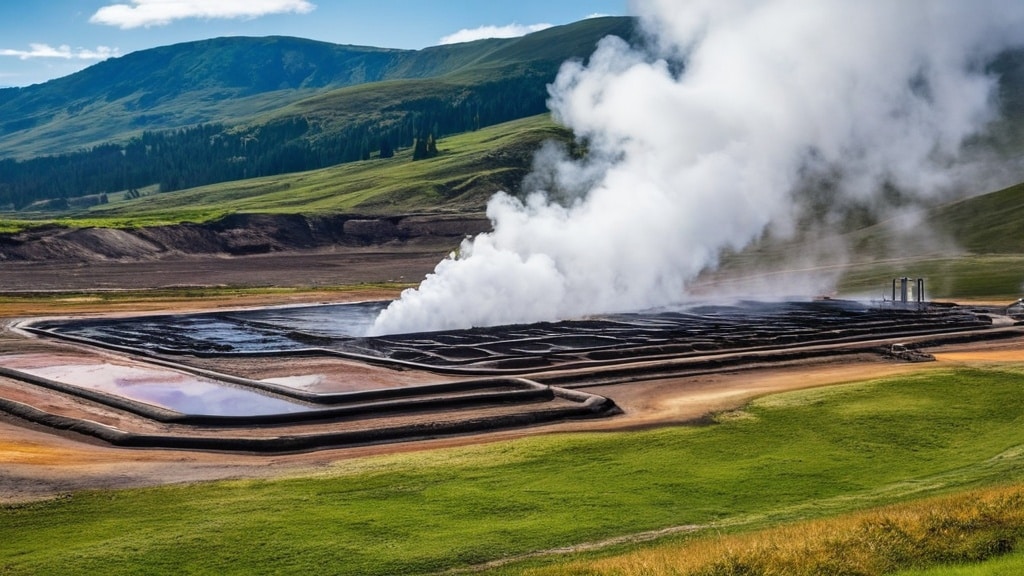
Geothermal energy is a renewable energy source that utilizes heat from the Earth’s interior. This energy originates from the planet’s formation approximately 4.6 billion years ago and the ongoing radioactive decay of naturally occurring isotopes in the Earth’s core and mantle. The technology extracts thermal energy from underground reservoirs through wells drilled into geothermal fields, where temperatures can range from 150°C to over 350°C.
Geothermal systems operate through three primary applications: electricity generation using steam or hot water to drive turbines, direct-use applications such as district heating and industrial processes, and ground-source heat pumps for residential and commercial heating and cooling. Power plants typically require reservoir temperatures above 150°C for efficient electricity generation, while direct-use applications can utilize lower temperatures starting around 50°C. The technology offers several operational advantages compared to other renewable energy sources.
Geothermal plants maintain capacity factors of 85-95%, operating continuously regardless of weather conditions or time of day. This baseload capability distinguishes geothermal from variable renewable sources like solar and wind power. Current global geothermal electricity capacity exceeds 15 gigawatts, with countries including the United States, Indonesia, Philippines, and Iceland leading in installed capacity.
Resource assessments indicate substantial untapped potential worldwide. Enhanced geothermal systems (EGS) technology, which creates artificial reservoirs in hot dry rock formations, could significantly expand accessible geothermal resources beyond naturally occurring hydrothermal systems. This advancement potentially makes geothermal energy viable in regions previously considered unsuitable for development.
Key Takeaways
- Geothermal energy utilizes the Earth’s internal heat as a sustainable power source.
- It is harnessed through various technologies, including geothermal power plants.
- Advantages include low emissions, reliability, and a small land footprint.
- Challenges involve high initial costs and location-specific resource availability.
- Innovations and global adoption are driving geothermal energy’s role in sustainable development.
Understanding the Earth’s Heat
At the heart of geothermal energy lies the concept of heat emanating from the Earth’s core. The Earth is composed of several layers, with the innermost layer being the core, which is primarily made up of iron and nickel. This core generates immense heat due to the decay of radioactive isotopes and residual heat from the planet’s formation.
As we move outward from the core, temperatures gradually decrease, but significant heat remains trapped within the mantle and crust. This geothermal gradient varies across different regions, influenced by geological factors such as tectonic activity and volcanic processes. The heat from the Earth’s interior can be accessed through various geological formations, including hot springs, geysers, and volcanic regions.
These natural phenomena are indicators of geothermal activity and serve as potential sites for energy extraction. Understanding the geological characteristics of these areas is essential for determining their viability as geothermal resources. By studying the temperature profiles and fluid dynamics within these formations, scientists can identify optimal locations for drilling and energy production.
Harnessing Geothermal Energy
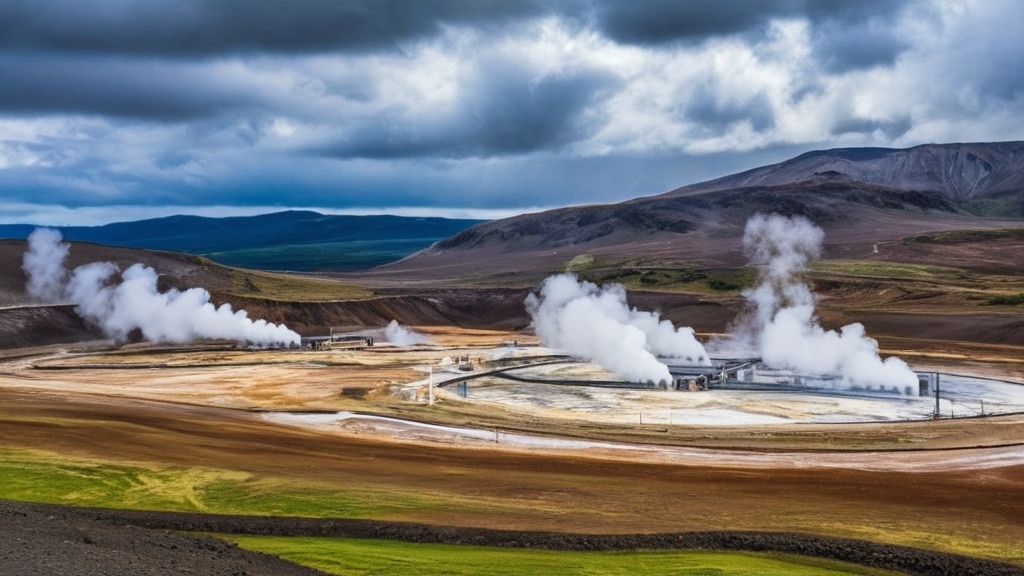
To harness geothermal energy effectively, several methods can be employed depending on the specific characteristics of the geothermal resource. The most common approach involves drilling wells into geothermal reservoirs to extract steam or hot water, which can then be used to drive turbines for electricity generation or provide direct heating for residential and industrial applications. The process begins with extensive geological surveys to identify suitable sites, followed by drilling operations that can reach depths of several kilometers.
Once a geothermal well is established, the extracted steam or hot water is brought to the surface and utilized in various ways. In electricity generation, steam is directed to turbines that convert thermal energy into mechanical energy, which is then transformed into electrical energy through generators. For direct heating applications, hot water can be piped into buildings or used in district heating systems to provide warmth during colder months.
The versatility of geothermal energy allows it to be integrated into existing infrastructure, making it an attractive option for both new developments and retrofitting projects.
Geothermal Power Plants
Geothermal power plants are specialized facilities designed to convert geothermal energy into electricity on a large scale. There are three primary types of geothermal power plants: dry steam, flash steam, and binary cycle plants. Each type operates based on different principles but shares the common goal of harnessing heat from the Earth to generate power.
Dry steam plants utilize steam directly from geothermal reservoirs to drive turbines. This method is most effective in areas with high-temperature resources and is relatively simple in design. Flash steam plants, on the other hand, extract high-pressure hot water from the ground and allow it to “flash” into steam when pressure is reduced at the surface.
This steam is then used to power turbines. Binary cycle plants operate at lower temperatures by using a secondary fluid with a lower boiling point than water. The geothermal heat transfers to this secondary fluid, which vaporizes and drives a turbine.
Each type of plant has its advantages and is chosen based on the specific characteristics of the geothermal resource available.
Advantages of Geothermal Energy
| Metric | Value | Unit | Description |
|---|---|---|---|
| Global Installed Capacity | 15,900 | MW | Total geothermal power capacity worldwide as of 2023 |
| Average Plant Capacity Factor | 90 | % | Typical capacity factor for geothermal power plants |
| Typical Reservoir Temperature | 150-350 | °C | Temperature range of geothermal reservoirs used for power generation |
| CO2 Emissions Avoided | 50-100 | g CO2/kWh | Estimated greenhouse gas emissions avoided compared to fossil fuels |
| Average Depth of Wells | 1,500-3,000 | meters | Depth range for drilling geothermal wells |
| Global Geothermal Energy Potential | 200,000 | MW | Estimated worldwide geothermal energy potential |
One of the most significant advantages of geothermal energy is its low environmental impact compared to fossil fuels. Geothermal power plants emit minimal greenhouse gases during operation, contributing to cleaner air and reduced climate change effects. Additionally, they require a smaller land footprint than many other renewable energy sources, such as solar farms or wind turbines, making them suitable for areas where land use is a concern.
Geothermal energy also offers economic benefits by providing stable and predictable electricity prices. Unlike fossil fuels, which are subject to market fluctuations and geopolitical tensions, geothermal resources are locally sourced and can provide long-term price stability for consumers. Furthermore, the development of geothermal projects creates jobs in drilling, plant operation, and maintenance, contributing to local economies and fostering community development.
Challenges and Limitations
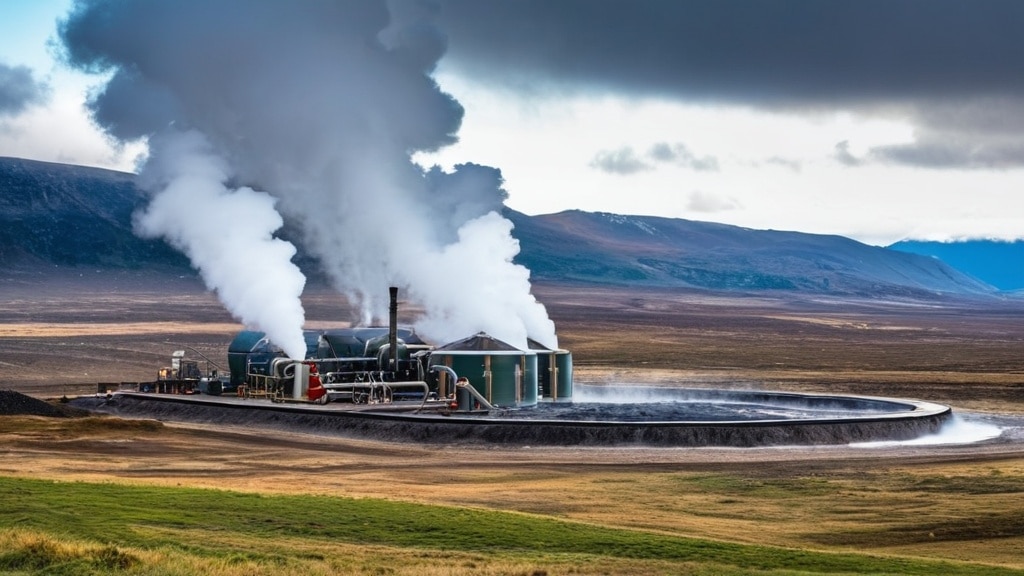
Despite its numerous advantages, geothermal energy faces several challenges that must be addressed for its widespread adoption. One significant limitation is the geographical restriction of viable geothermal resources. Not all regions have access to high-temperature geothermal reservoirs, which can limit the potential for electricity generation in certain areas.
This geographical limitation necessitates careful site selection and investment in infrastructure to transport energy from remote locations.
The exploration phase can be expensive and risky, as there is no guarantee that a drilled well will yield sufficient resources for commercial viability.
Additionally, concerns about induced seismicity—earthquakes triggered by human activities such as drilling—have raised questions about the safety and environmental impact of geothermal operations. Addressing these challenges requires ongoing research and innovation in drilling technologies and resource management practices.
Geothermal Energy Around the World
Geothermal energy has been harnessed in various countries around the globe, with some nations leading the way in its development and utilization. The United States is one of the largest producers of geothermal electricity, with significant resources located in states such as California and Nevada. The Geysers in California is one of the largest geothermal power complexes in the world, showcasing the potential of this renewable resource.
Iceland stands out as a global leader in geothermal energy utilization, with approximately 90% of its homes heated using geothermal sources. The country’s unique geological conditions make it an ideal location for harnessing this renewable resource. Other countries such as Indonesia, Philippines, New Zealand, and Italy have also made significant strides in developing their geothermal resources for both electricity generation and direct heating applications.
As global interest in renewable energy continues to grow, more nations are exploring their geothermal potential as part of their energy transition strategies.
Innovations in Geothermal Technology
The future of geothermal energy looks promising due to ongoing innovations in technology that enhance its efficiency and accessibility. One notable advancement is enhanced geothermal systems (EGS), which involve artificially creating reservoirs in hot rock formations that lack sufficient natural permeability or fluid content. By injecting water into these formations under high pressure, it can be heated and extracted as steam or hot water for energy production.
Additionally, advancements in drilling technology have significantly reduced costs and increased efficiency in accessing geothermal resources. Techniques such as horizontal drilling and advanced imaging technologies allow for more precise targeting of geothermal reservoirs while minimizing environmental impact. Furthermore, research into hybrid systems that combine geothermal with other renewable sources—such as solar or wind—holds promise for maximizing energy output while diversifying supply.
Environmental Impact of Geothermal Energy
While geothermal energy is often touted for its low environmental impact compared to fossil fuels, it is essential to consider its ecological footprint comprehensively. The extraction process can lead to land degradation if not managed properly, particularly in sensitive ecosystems or areas with unique geological features. Additionally, there are concerns about water usage in geothermal operations; excessive withdrawal from aquifers can lead to depletion or contamination of local water supplies.
However, when managed sustainably, geothermal energy can contribute positively to environmental conservation efforts. The use of closed-loop systems minimizes water consumption by recycling fluids within the system rather than discharging them into the environment. Moreover, careful site selection and monitoring can mitigate potential negative impacts on local wildlife habitats and ecosystems.
Geothermal Energy and Sustainable Development
Geothermal energy plays a crucial role in achieving sustainable development goals by providing clean and reliable energy while promoting economic growth and social equity. Its ability to generate electricity with minimal emissions aligns with global efforts to combat climate change and transition towards a low-carbon economy. Furthermore, by creating jobs in construction, operation, and maintenance of geothermal facilities, it contributes to local employment opportunities and community resilience.
In addition to its economic benefits, geothermal energy supports social equity by providing affordable heating solutions for low-income households. Access to reliable heating can significantly improve living conditions during harsh winters while reducing reliance on expensive fossil fuels. As countries strive to meet their climate commitments under international agreements such as the Paris Accord, integrating geothermal energy into national energy strategies will be vital for achieving sustainable development objectives.
Future of Geothermal Energy
The future of geothermal energy appears bright as technological advancements continue to unlock new possibilities for harnessing this abundant resource. With increasing global awareness of climate change and the urgent need for sustainable solutions, investments in geothermal projects are expected to rise significantly over the coming years. Governments worldwide are recognizing the importance of diversifying their energy portfolios and reducing dependence on fossil fuels.
As research progresses into enhanced geothermal systems (EGS) and hybrid technologies that combine multiple renewable sources, we may see a broader adoption of geothermal energy across regions previously considered unsuitable for traditional methods. Furthermore, public-private partnerships will play a crucial role in financing innovative projects that push the boundaries of what is possible within this sector. In conclusion, geothermal energy stands out as a promising solution for addressing global energy challenges while promoting environmental sustainability and economic growth.
By understanding its principles, harnessing its potential effectively, and overcoming existing challenges through innovation and collaboration, we can pave the way for a cleaner and more sustainable future powered by this remarkable resource.
Geothermal energy is gaining traction as a sustainable energy source, and its integration with advanced technologies is becoming increasingly important. For instance, the article on maximizing efficiency in corporate training through AI highlights how innovative technologies can enhance various sectors, including energy. You can read more about it in the article Maximizing Efficiency: AI in Corporate Training and Consulting.
FAQs
What is geothermal energy?
Geothermal energy is the heat that comes from the sub-surface of the earth. It can be harnessed for various uses, including electricity generation, direct heating, and geothermal heat pumps.
How is geothermal energy produced?
Geothermal energy is produced by tapping into the natural heat stored beneath the earth’s surface. This is typically done by drilling wells to access hot water and steam, which can then be used to drive turbines for electricity or provide direct heating.
Where is geothermal energy commonly found?
Geothermal energy is most commonly found in regions with volcanic activity, tectonic plate boundaries, or hot springs. Countries like Iceland, the United States, the Philippines, and Italy have significant geothermal resources.
Is geothermal energy renewable?
Yes, geothermal energy is considered a renewable resource because the earth continuously produces heat internally, making it a sustainable source of energy when managed properly.
What are the environmental impacts of geothermal energy?
Geothermal energy has a relatively low environmental impact compared to fossil fuels. It produces minimal greenhouse gases, but there can be concerns about land use, water consumption, and the release of trace gases from underground.
Can geothermal energy be used for heating homes?
Yes, geothermal energy can be used for heating homes through geothermal heat pumps, which transfer heat from the ground into buildings during winter and reverse the process in summer for cooling.
What are the main types of geothermal power plants?
The main types of geothermal power plants are dry steam, flash steam, and binary cycle plants, each utilizing geothermal fluids differently to generate electricity.
Is geothermal energy cost-effective?
While the initial investment for geothermal energy projects can be high due to drilling and infrastructure costs, the operational costs are low, and the energy produced is reliable and consistent, making it cost-effective over time.
How long can a geothermal power plant operate?
A well-managed geothermal power plant can operate for several decades, often 30 to 50 years or more, depending on the resource sustainability and maintenance.
Are there any risks associated with geothermal energy extraction?
Risks include induced seismicity (small earthquakes), land subsidence, and the potential release of harmful gases. However, with proper monitoring and management, these risks can be minimized.


















Leave a Reply