







Renewable resources are energy sources derived from natural processes that replenish themselves at rates equal to or exceeding their rate of consumption. These resources provide an alternative to fossil fuels as global energy demands increase and environmental concerns intensify. The transition to renewable energy is driven by the need to reduce greenhouse gas emissions, improve energy security, and support economic development through sustainable practices.
Renewable energy encompasses several distinct sources: solar energy from sunlight, wind energy from atmospheric movement, hydroelectric power from flowing water, biomass energy from organic materials, and geothermal energy from Earth’s internal heat. Each source utilizes different natural processes to generate electricity or provide heating, creating opportunities for diversified energy systems that can serve growing populations worldwide. Technological developments and increased public awareness have expanded the potential for renewable resources to significantly alter global energy production.
This analysis examines the importance of renewable resource development, reviews the characteristics of different renewable energy types, evaluates their advantages, and identifies implementation challenges.
Key Takeaways
- Renewable resources are essential for sustainable energy and environmental health.
- Key types include solar, wind, hydroelectric, biomass, and geothermal energy.
- Each renewable resource harnesses natural processes to generate clean power.
- Benefits include reducing carbon emissions and decreasing reliance on fossil fuels.
- Challenges exist but can be addressed through innovation and supportive policies.
The Importance of Harnessing Renewable Resources
The importance of harnessing renewable resources cannot be overstated. As traditional fossil fuels continue to deplete and their environmental impact becomes more pronounced, the need for sustainable alternatives has never been more critical. Renewable resources provide a pathway to reduce our reliance on finite energy sources, thereby mitigating the adverse effects of climate change.
By investing in renewables, nations can decrease their carbon footprints and work towards achieving international climate agreements aimed at limiting global warming. Moreover, renewable resources contribute to energy independence and security. Countries that rely heavily on imported fossil fuels are vulnerable to price fluctuations and geopolitical tensions.
By developing domestic renewable energy sources, nations can stabilize their energy supply and create jobs in emerging industries. This shift not only fosters economic resilience but also promotes technological innovation as countries strive to improve efficiency and reduce costs associated with renewable energy production.
Types of Renewable Resources
Renewable resources can be broadly categorized into several types, each with its unique characteristics and applications. Solar power harnesses sunlight through photovoltaic cells or solar thermal systems, converting it into electricity or heat. Wind power utilizes turbines to capture the kinetic energy of wind, generating electricity in a clean and efficient manner.
Hydroelectric power relies on flowing water to produce energy, often through dams that control water flow and generate electricity. Biomass energy is derived from organic materials such as plant matter and waste, which can be converted into biofuels or used directly for heating and electricity generation. Geothermal energy taps into the Earth’s internal heat, utilizing steam or hot water from underground reservoirs to produce electricity or provide direct heating.
Each type of renewable resource presents unique advantages and challenges, making it essential to consider a diverse approach when developing sustainable energy strategies.
Solar Power: Harnessing the Energy of the Sun
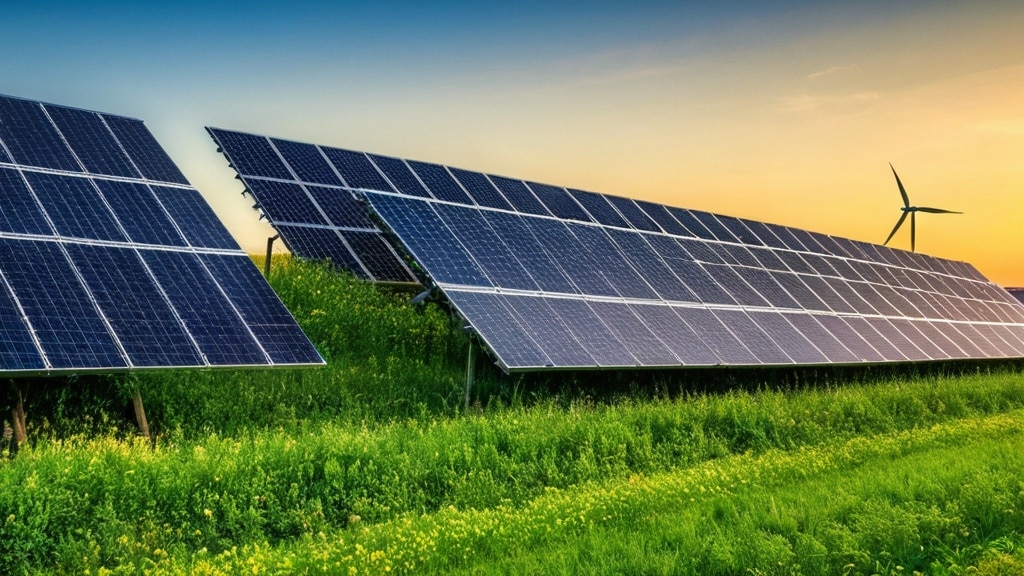
Solar power stands out as one of the most accessible and widely adopted forms of renewable energy. By converting sunlight into electricity through photovoltaic cells or concentrating solar power systems, solar technology has made significant strides in recent years. The decreasing cost of solar panels has made it feasible for both residential and commercial applications, allowing individuals and businesses to generate their own electricity while reducing reliance on traditional power grids.
The versatility of solar power is another key advantage. It can be deployed in various settings, from large-scale solar farms that feed electricity into the grid to rooftop installations that provide localized energy solutions. Additionally, advancements in battery storage technology have enhanced the viability of solar power by enabling users to store excess energy for use during periods of low sunlight.
As governments around the world implement policies to incentivize solar adoption, this renewable resource is poised to play a pivotal role in the global transition towards sustainable energy.
Wind Power: Tapping into the Power of the Wind
| Renewable Resource | Global Capacity (GW) | Annual Growth Rate (%) | Average Efficiency (%) | Primary Use |
|---|---|---|---|---|
| Solar Energy | 950 | 20 | 15-22 | Electricity Generation |
| Wind Energy | 800 | 12 | 35-45 | Electricity Generation |
| Hydropower | 1300 | 3 | 35-45 | Electricity Generation |
| Biomass | 120 | 5 | 20-25 | Heat and Electricity |
| Geothermal | 15 | 4 | 10-20 | Electricity and Heating |
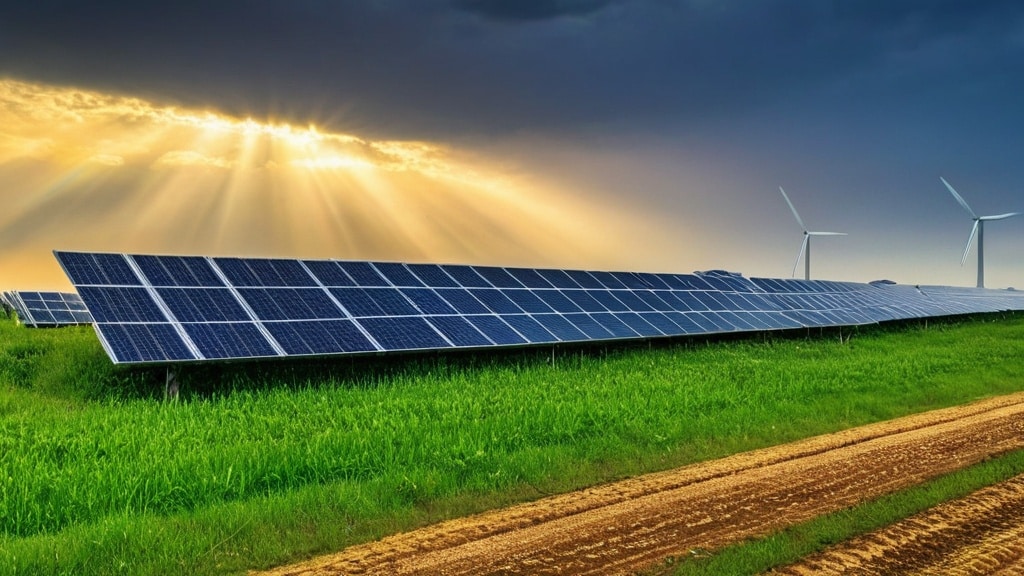
Wind power has emerged as one of the fastest-growing sources of renewable energy worldwide. By harnessing the kinetic energy generated by wind through turbines, this technology converts natural air currents into electricity with minimal environmental impact. Wind farms can be found both onshore and offshore, taking advantage of high-wind areas to maximize energy production.
The scalability of wind power is one of its most appealing features. From small community-based projects to vast offshore wind farms capable of powering thousands of homes, wind energy can be tailored to meet diverse energy needs. Furthermore, advancements in turbine design and efficiency have led to increased output and reduced costs, making wind power an economically viable option for many regions.
As countries continue to invest in wind infrastructure, this renewable resource is set to become a cornerstone of future energy systems.
Hydroelectric Power: Utilizing the Energy of Water
Hydroelectric power has long been recognized as a reliable source of renewable energy. By harnessing the gravitational force of flowing water, hydroelectric plants convert kinetic energy into electricity through turbines. This method not only provides a consistent power supply but also offers additional benefits such as flood control and irrigation support.
The potential for hydroelectric power is vast, with many rivers and water bodies around the world still untapped for energy generation. However, it is essential to approach hydroelectric development with caution, as large-scale projects can disrupt local ecosystems and communities. Innovative solutions such as run-of-the-river systems and small-scale hydro projects are gaining traction as they minimize environmental impact while still providing clean energy.
Biomass Energy: Turning Organic Matter into Power
Biomass energy represents a unique approach to renewable resources by utilizing organic materials for fuel production. This can include agricultural residues, wood chips, and even municipal waste. By converting these materials into biofuels or directly burning them for heat and electricity generation, biomass offers a way to repurpose waste while providing a sustainable energy source.
When biomass is burned or converted into fuel, it releases carbon dioxide; however, this CO2 is offset by the carbon absorbed during the growth of the organic material. This cycle makes biomass an attractive option for reducing greenhouse gas emissions compared to fossil fuels.
Nevertheless, careful management is required to ensure that biomass production does not lead to deforestation or competition with food crops.
Geothermal Energy: Harnessing the Earth’s Heat
Geothermal energy taps into the Earth’s internal heat, providing a consistent and reliable source of power. By accessing steam or hot water from underground reservoirs, geothermal plants can generate electricity or provide direct heating for residential and commercial use. This form of renewable energy is particularly advantageous in regions with high geothermal activity, such as volcanic areas.
The benefits of geothermal energy extend beyond electricity generation; it can also be used for district heating systems that supply warmth to entire communities. Additionally, geothermal systems have a small land footprint compared to other renewable sources like wind or solar farms. However, challenges such as high upfront costs and site-specific limitations must be addressed to unlock its full potential.
As research continues into enhanced geothermal systems (EGS), this resource may become increasingly viable in diverse geographical locations.
The Benefits of Using Renewable Resources
The transition to renewable resources offers numerous benefits that extend beyond environmental considerations. One of the most significant advantages is the reduction in greenhouse gas emissions associated with traditional fossil fuel consumption. By shifting towards renewables, countries can make substantial progress in combating climate change while improving air quality and public health.
Moreover, investing in renewable resources fosters economic growth by creating jobs in manufacturing, installation, maintenance, and research sectors. The renewable energy industry has proven resilient even during economic downturns, providing stable employment opportunities in an evolving job market. Additionally, as technology advances and economies of scale are achieved, the cost of renewable energy continues to decline, making it an increasingly attractive option for consumers and businesses alike.
Challenges and Solutions in Harnessing Renewable Resources
Despite their numerous advantages, harnessing renewable resources is not without challenges. One significant hurdle is the intermittent nature of certain sources like solar and wind power, which can lead to fluctuations in energy supply. To address this issue, advancements in battery storage technology are crucial for storing excess energy generated during peak production times for use during periods of low generation.
Another challenge lies in the need for infrastructure development and investment in grid modernization to accommodate increased renewable integration. Governments and private sectors must collaborate to create policies that incentivize investment in smart grids and transmission systems capable of efficiently distributing renewable energy across regions.
The Future of Renewable Resources and Sustainability
Looking ahead, the future of renewable resources appears promising as technological advancements continue to reshape the energy landscape. With increasing public awareness about climate change and sustainability issues, there is a growing demand for clean energy solutions that prioritize environmental stewardship. As countries commit to ambitious climate goals and transition away from fossil fuels, renewable resources will play an integral role in achieving these objectives.
The continued development of innovative technologies will enhance efficiency while reducing costs further, making renewables more accessible than ever before. In conclusion, harnessing renewable resources is not just an environmental imperative; it represents an opportunity for economic growth and social progress. By embracing these sustainable solutions today, we can pave the way for a cleaner, greener future that benefits generations to come.
In the quest for sustainable energy solutions, understanding the role of technology in enhancing renewable resources is crucial. A related article that delves into the intersection of technology and corporate training is titled “Unlocking the Potential of AI in Corporate Training: Lessons from Google’s TPU Expansion.” This piece explores how advancements in artificial intelligence can be leveraged to improve training programs, which can indirectly support the development of skills necessary for the renewable energy sector. You can read the article [here](https://iavva.ai/2025/09/05/unlocking-the-potential-of-ai-in-corporate-training-lessons-from-googles-tpu-expansion-2/).
FAQs
What are renewable resources?
Renewable resources are natural resources that can be replenished or regenerated over time through natural processes. Examples include solar energy, wind energy, water (hydropower), biomass, and geothermal energy.
Why are renewable resources important?
Renewable resources are important because they provide sustainable energy solutions that reduce dependence on fossil fuels, decrease greenhouse gas emissions, and help combat climate change.
How do renewable resources differ from non-renewable resources?
Renewable resources can be naturally replenished within a short period, while non-renewable resources, such as coal, oil, and natural gas, exist in finite amounts and take millions of years to form.
What are the common types of renewable energy?
Common types of renewable energy include solar power, wind power, hydropower, biomass energy, and geothermal energy.
Can renewable resources be used for electricity generation?
Yes, renewable resources are widely used to generate electricity through technologies like solar panels, wind turbines, hydroelectric dams, biomass power plants, and geothermal power stations.
Are renewable resources environmentally friendly?
Generally, renewable resources have a lower environmental impact compared to fossil fuels. They produce little to no greenhouse gas emissions during operation, though some technologies may have environmental considerations during manufacturing or land use.
What challenges are associated with renewable resources?
Challenges include intermittency (e.g., solar and wind depend on weather), high initial costs, energy storage needs, and sometimes land or resource use conflicts.
How can individuals use renewable resources?
Individuals can use renewable resources by installing solar panels, using solar water heaters, choosing green energy providers, or supporting policies that promote renewable energy development.
Do renewable resources contribute to energy security?
Yes, renewable resources can enhance energy security by diversifying energy supply, reducing reliance on imported fuels, and providing local energy sources.
What is the future outlook for renewable resources?
The future outlook is positive, with increasing investments, technological advancements, and global commitments to transition towards cleaner, renewable energy systems to address climate change.


















Leave a Reply