







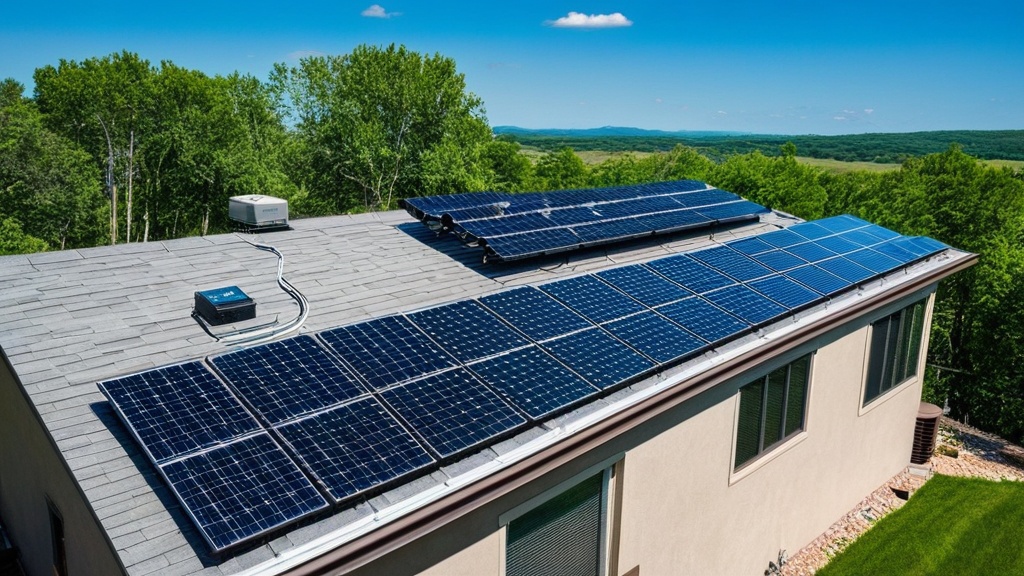
Solar energy is generated from the sun’s electromagnetic radiation and represents a major renewable energy technology. The process involves converting sunlight into usable energy through two primary methods: photovoltaic (PV) systems that produce electricity directly from solar radiation, and solar thermal systems that capture heat for water heating or electricity generation through steam turbines. Photovoltaic cells, typically made from silicon semiconductors, generate electrical current when photons from sunlight strike the cell surface and displace electrons.
Solar thermal collectors use mirrors or lenses to concentrate solar radiation, heating a working fluid that can be used directly for heating applications or to drive turbines for electricity production. Both technologies produce energy without combustion, resulting in zero direct emissions during operation. The sun delivers approximately 173,000 terawatts of energy continuously to Earth, which exceeds global energy consumption by roughly 10,000 times.
This energy resource is distributed globally, though intensity varies by geographic location, season, and weather conditions. Peak solar irradiance at Earth’s surface reaches about 1,000 watts per square meter under optimal conditions. Solar energy deployment has expanded significantly due to technological improvements and cost reductions.
Between 2010 and 2020, the cost of solar photovoltaic electricity decreased by approximately 85% according to the International Renewable Energy Agency. Manufacturing scale increases, improved cell efficiency, and streamlined installation processes have contributed to this cost decline. The solar energy sector generates employment across manufacturing, installation, maintenance, and research activities.
The International Solar Alliance reports that solar industries employed over 4 million people globally as of 2020. Solar installations also provide energy price stability since sunlight has no fuel cost, unlike fossil fuel-based generation that fluctuates with commodity prices.
Key Takeaways
- Solar energy offers a sustainable and renewable power source with numerous environmental and economic benefits.
- The solar energy industry is rapidly growing, driven by technological advancements and increasing global demand.
- Top solar companies are ranked based on innovation, market presence, efficiency, and financial performance.
- Leading companies like SunPower, First Solar, and Canadian Solar are key players shaping the industry’s future.
- The future of solar energy looks promising with continued innovation and expanding adoption worldwide.
Benefits of Solar Energy
The benefits of solar energy extend far beyond its environmental advantages. One of the most compelling reasons for adopting solar technology is its potential for cost savings. Once installed, solar panels can significantly reduce electricity bills, allowing homeowners and businesses to save money over time.
Additionally, many governments offer incentives such as tax credits and rebates to encourage solar adoption, further enhancing its financial appeal. As technology continues to advance, the initial investment required for solar installations is decreasing, making it an increasingly attractive option for consumers. Another significant benefit of solar energy is its contribution to energy independence.
By harnessing sunlight, countries can reduce their dependence on imported fossil fuels, enhancing national security and stabilizing energy prices.
Furthermore, solar power can be harnessed in remote areas where traditional grid access is limited, providing electricity to underserved communities and improving their quality of life.
Overview of the Solar Energy Industry
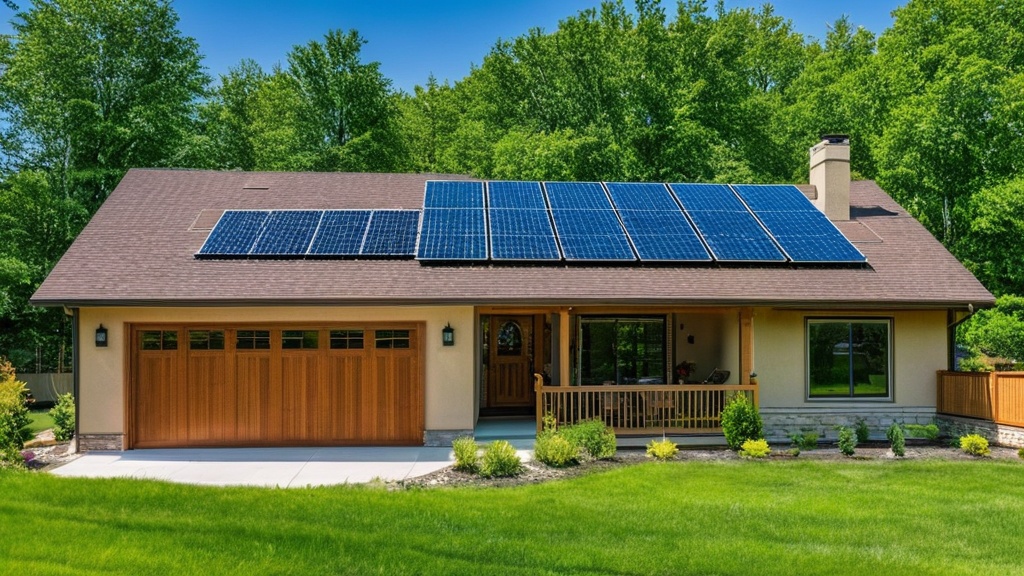
The solar energy industry has experienced remarkable growth over the past decade, driven by technological advancements, policy support, and increasing public awareness of climate issues. According to recent reports, global solar capacity has surged, with millions of installations worldwide generating clean electricity. This growth has been fueled by a combination of declining costs for solar panels and related technologies, as well as supportive government policies aimed at promoting renewable energy sources.
As the industry matures, it has also become more competitive, with numerous companies vying for market share. This competition has led to innovation in product offerings and services, resulting in improved efficiency and performance of solar technologies. The industry encompasses a wide range of players, including manufacturers of solar panels and components, developers of solar projects, and service providers specializing in installation and maintenance.
As the demand for renewable energy continues to rise, the solar energy sector is poised for further expansion, creating new opportunities for investment and job creation.
Criteria for Ranking the Top Solar Energy Companies
When evaluating the top solar energy companies, several criteria must be considered to ensure a comprehensive assessment. First and foremost is the company’s market share and overall capacity installed. A leading company should have a significant presence in various markets and demonstrate consistent growth in its installed capacity over time.
Additionally, financial stability is crucial; companies that are well-capitalized are better positioned to invest in research and development, expand their operations, and weather market fluctuations. Another important criterion is technological innovation. The best solar companies are those that continually push the boundaries of efficiency and performance through research and development.
This includes advancements in photovoltaic technology, energy storage solutions, and smart grid integration. Furthermore, customer satisfaction plays a vital role in ranking these companies; positive reviews and testimonials from clients indicate a commitment to quality service and product reliability. Lastly, sustainability practices within the company itself are essential; firms that prioritize environmentally friendly operations contribute positively to the industry’s overall reputation.
Top Solar Energy Company: SunPower
| Company Name | Headquarters | Annual Revenue (in millions) | Number of Employees | Installed Capacity (MW) | Year Founded |
|---|---|---|---|---|---|
| First Solar | United States | 3200 | 8000 | 6000 | 1999 |
| SunPower | United States | 1800 | 5000 | 4000 | 1985 |
| Canadian Solar | Canada | 3500 | 13000 | 12000 | 2001 |
| JinkoSolar | China | 5000 | 20000 | 15000 | 2006 |
| Trina Solar | China | 4500 | 16000 | 14000 | 1997 |
SunPower stands out as one of the leading companies in the solar energy sector, renowned for its high-efficiency solar panels and innovative technology solutions. Founded in 1985, SunPower has established itself as a pioneer in the industry, consistently pushing the envelope in terms of performance and reliability. The company’s panels are known for their superior efficiency rates, which often exceed those of competitors, making them an attractive choice for both residential and commercial applications.
In addition to its cutting-edge technology, SunPower places a strong emphasis on customer service and satisfaction. The company offers comprehensive warranties on its products, ensuring that customers feel confident in their investment. SunPower’s commitment to sustainability is also evident in its operations; the company actively works to minimize its environmental impact through responsible manufacturing practices and a focus on recycling materials.
As a result of these factors, SunPower has garnered a loyal customer base and continues to be a leader in the transition towards renewable energy.
Top Solar Energy Company: First Solar
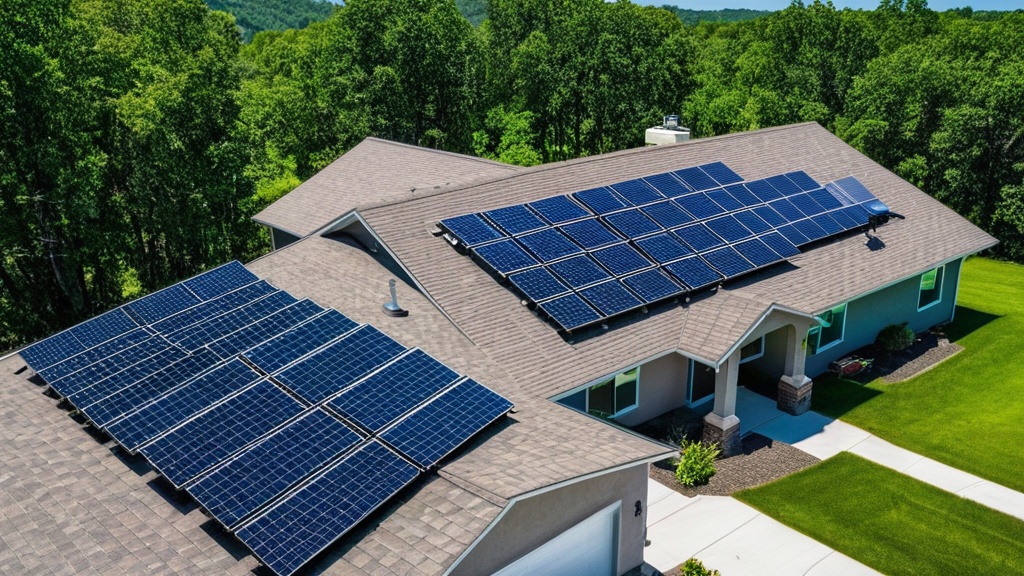
First Solar is another prominent player in the solar energy industry, distinguished by its focus on thin-film photovoltaic technology. Established in 1999, First Solar has carved out a niche for itself by developing cost-effective solar solutions that are particularly well-suited for utility-scale projects. The company’s innovative approach has allowed it to maintain a competitive edge while contributing significantly to global solar capacity.
One of First Solar’s key strengths lies in its commitment to sustainability throughout its operations. The company emphasizes responsible manufacturing processes and has implemented programs aimed at reducing waste and conserving resources.
This dedication to environmental stewardship resonates with customers who prioritize sustainability when choosing their energy solutions.
Top Solar Energy Company: Canadian Solar
Canadian Solar has emerged as one of the largest manufacturers of solar photovoltaic modules globally since its inception in 2001. With a diverse product portfolio that includes high-efficiency panels and innovative storage solutions, Canadian Solar caters to a wide range of customers across various markets. The company’s commitment to quality is reflected in its rigorous testing processes and adherence to international standards.
In addition to its manufacturing prowess, Canadian Solar is actively involved in project development and financing, allowing it to offer comprehensive solutions that encompass both products and services. This integrated approach enables the company to deliver value to customers while expanding its footprint in key markets around the world. Furthermore, Canadian Solar’s focus on research and development ensures that it remains at the forefront of technological advancements within the industry.
Top Solar Energy Company: JinkoSolar
JinkoSolar has rapidly ascended to become one of the world’s leading solar manufacturers since its founding in 2006. Known for its high-quality solar panels that combine efficiency with affordability, JinkoSolar has established a strong global presence with operations spanning multiple continents. The company’s commitment to innovation is evident in its continuous investment in research and development aimed at enhancing product performance.
JinkoSolar’s success can also be attributed to its robust supply chain management practices, which ensure timely delivery of products while maintaining high standards of quality control. The company has received numerous accolades for its commitment to sustainability and corporate social responsibility initiatives. By prioritizing environmentally friendly practices throughout its operations, JinkoSolar not only meets customer demands but also contributes positively to the broader goal of transitioning towards renewable energy sources.
Top Solar Energy Company: Trina Solar
Trina Solar has built a reputation as one of the most reliable manufacturers of solar modules since its establishment in 1997. With a focus on innovation and quality assurance, Trina Solar produces a wide range of products designed for various applications, from residential rooftops to large-scale utility projects. The company’s commitment to research and development has led to significant advancements in panel efficiency and performance.
In addition to manufacturing excellence, Trina Solar actively engages in project development and offers comprehensive solutions that include financing options for customers. This holistic approach allows Trina Solar to cater to diverse market needs while ensuring that clients receive tailored solutions that meet their specific requirements. Furthermore, Trina Solar’s dedication to sustainability is reflected in its efforts to minimize environmental impact throughout its supply chain.
Top Solar Energy Company: SolarEdge Technologies
SolarEdge Technologies has revolutionized the solar industry with its innovative inverter solutions that optimize energy production from photovoltaic systems. Founded in 2006, SolarEdge has quickly become a leader in smart energy technology by providing advanced inverter systems that enhance overall system performance while maximizing energy yield. The company’s products are designed to work seamlessly with various types of solar panels, making them versatile options for both residential and commercial installations.
Beyond its technological innovations, SolarEdge places a strong emphasis on customer support and education. The company offers extensive resources for installers and end-users alike, ensuring that customers can make informed decisions about their solar investments. Additionally, SolarEdge’s commitment to sustainability extends beyond its products; the company actively engages in initiatives aimed at reducing carbon emissions and promoting renewable energy adoption worldwide.
Conclusion and Future of Solar Energy
As we look towards the future of solar energy, it is clear that this renewable resource will play an increasingly vital role in addressing global energy challenges. With ongoing advancements in technology driving down costs and improving efficiency, solar power is becoming more accessible than ever before. The continued growth of the solar industry presents significant opportunities for job creation and economic development while contributing positively to environmental sustainability.
Moreover, as governments around the world implement policies aimed at reducing carbon emissions and promoting clean energy sources, the demand for solar solutions will only continue to rise. The collaboration between leading companies like SunPower, First Solar, Canadian Solar, JinkoSolar, Trina Solar, and SolarEdge Technologies will be instrumental in shaping the future landscape of renewable energy. By investing in innovation and prioritizing sustainability practices, these companies are not only paving the way for a greener future but also ensuring that solar energy remains at the forefront of global efforts towards achieving a sustainable energy transition.
As the solar energy sector continues to grow, companies are increasingly looking for innovative ways to enhance their operations and efficiency. A related article that explores the intersection of technology and business is titled “Unlock Your Potential: The Power of Coaching,” which discusses how coaching can empower teams to achieve their goals and improve performance. You can read more about it [here](https://iavva.ai/2025/08/31/unlock-your-potential-the-power-of-coaching/). This insight is particularly relevant for solar energy companies aiming to harness the full potential of their workforce in a rapidly evolving industry.
FAQs
What are solar energy companies?
Solar energy companies are businesses that specialize in the production, installation, and maintenance of solar power systems. They provide services and products related to harnessing energy from the sun, including solar panels, inverters, batteries, and complete solar energy solutions for residential, commercial, and industrial use.
How do solar energy companies make money?
Solar energy companies generate revenue by selling solar panels and related equipment, offering installation services, providing maintenance and repair, and sometimes through financing options like solar leases or power purchase agreements (PPAs). Some companies also develop and operate large-scale solar power plants and sell the electricity generated to utilities or consumers.
What types of services do solar energy companies offer?
Services typically include site assessment, system design, installation, permitting, inspection, maintenance, and repair of solar energy systems. Many companies also offer consultation on energy savings, financing options, and incentives available for solar energy adoption.
Are solar energy companies regulated?
Yes, solar energy companies are subject to various regulations and standards depending on the country or region. These regulations cover safety, installation standards, environmental impact, and sometimes licensing requirements. Compliance ensures the quality and safety of solar energy systems.
How can I choose a reliable solar energy company?
To choose a reliable solar energy company, consider factors such as company reputation, customer reviews, certifications, experience, warranty offerings, and pricing. It is also important to verify that the company is licensed and insured, and that they provide clear contracts and transparent information about system performance and maintenance.
What are the benefits of using solar energy companies?
Using solar energy companies allows consumers to access professional expertise in designing and installing efficient solar power systems. Benefits include reduced electricity bills, increased property value, access to government incentives, and contributing to environmental sustainability by reducing carbon emissions.
Do solar energy companies offer financing options?
Many solar energy companies offer financing options such as loans, leases, or power purchase agreements (PPAs) to make solar energy systems more affordable. These options can help spread the cost over time and may include zero-down or low-interest plans.
What is the difference between residential and commercial solar energy companies?
Residential solar energy companies focus on smaller-scale solar installations for homes, while commercial solar energy companies handle larger projects for businesses, schools, and industrial facilities. Commercial projects often require more complex system designs and higher capacity installations.
How long does it take for a solar energy company to install a system?
Installation time varies depending on the size and complexity of the system but typically ranges from a few days to a few weeks. This includes site assessment, permitting, installation, and inspection before the system becomes operational.
Can solar energy companies help with government incentives?
Yes, many solar energy companies assist customers in understanding and applying for government incentives, tax credits, and rebates that can significantly reduce the cost of solar installations. They often handle the paperwork and ensure compliance with program requirements.


















Leave a Reply