









In an era marked by climate change and environmental degradation, the significance of renewable energy systems cannot be overstated. As the world grapples with the consequences of fossil fuel dependency, the transition to renewable energy sources emerges as a critical pathway toward sustainability. Renewable energy systems offer a viable solution to mitigate the adverse effects of greenhouse gas emissions, which are primarily responsible for global warming.
By harnessing natural resources that are replenished over time, such as sunlight, wind, and water, these systems provide a cleaner alternative to traditional energy sources, thereby promoting environmental stewardship. Moreover, the importance of renewable energy systems extends beyond environmental benefits. They play a pivotal role in enhancing energy security and reducing reliance on imported fuels.
As geopolitical tensions and market fluctuations can disrupt fossil fuel supplies, investing in renewable energy infrastructure can foster energy independence for nations. This shift not only stabilizes energy prices but also creates job opportunities in emerging sectors, contributing to economic growth. Thus, the adoption of renewable energy systems is not merely an environmental imperative; it is a strategic move toward a more resilient and sustainable future.
Key Takeaways
- Renewable energy systems are crucial for sustainable development and reducing reliance on fossil fuels.
- Key renewable sources include solar, wind, hydroelectric, biomass, and geothermal energy.
- Renewable energy significantly lowers carbon emissions, helping combat climate change.
- Implementation faces challenges like cost, infrastructure, and technology, but also offers growth opportunities.
- Innovations and advancements are driving the future expansion and efficiency of renewable energy technologies.
Advantages of Renewable Energy
The advantages of renewable energy are manifold, making it an attractive option for both individuals and governments alike. One of the most compelling benefits is the reduction in greenhouse gas emissions. Unlike fossil fuels, which release significant amounts of carbon dioxide and other pollutants into the atmosphere, renewable energy sources produce little to no emissions during operation.
This characteristic is crucial in combating climate change and improving air quality, ultimately leading to better public health outcomes. In addition to environmental benefits, renewable energy sources often lead to lower operational costs over time. While the initial investment in renewable technologies may be higher than traditional fossil fuel systems, the long-term savings can be substantial.
Renewable energy systems typically have lower maintenance costs and are less susceptible to price volatility associated with fossil fuels. Furthermore, advancements in technology continue to drive down the costs of solar panels, wind turbines, and other renewable energy solutions, making them increasingly accessible to a broader audience. This economic viability enhances the appeal of renewable energy as a sustainable choice for both residential and commercial applications.
Types of Renewable Energy Sources
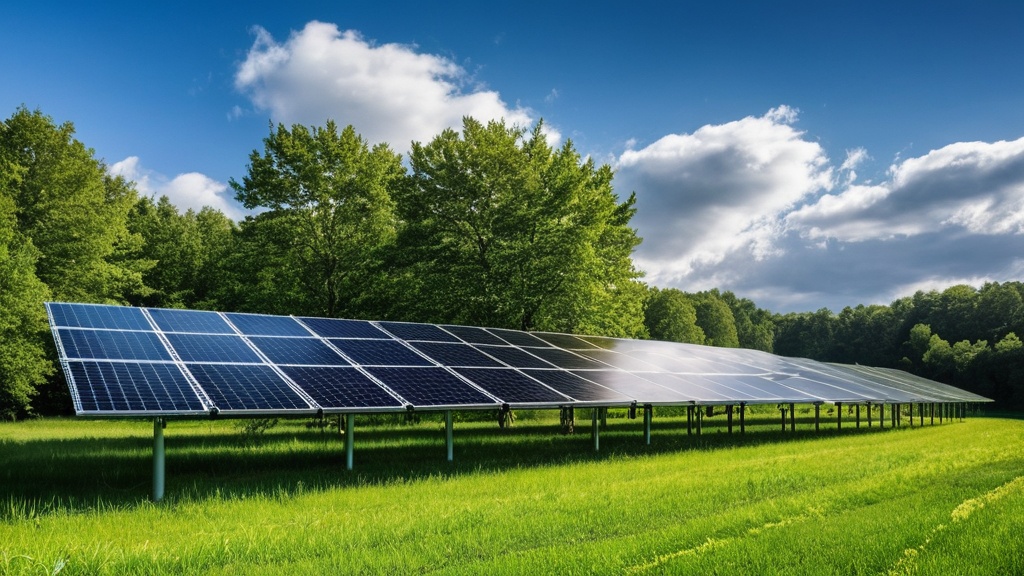
Renewable energy encompasses a diverse array of sources, each with its unique characteristics and applications.
Each of these sources harnesses natural phenomena to generate electricity or heat, contributing to a more sustainable energy landscape.
Solar power is derived from sunlight and can be captured using photovoltaic cells or solar thermal systems. Wind power harnesses the kinetic energy of moving air through turbines to generate electricity. Hydroelectric power utilizes flowing water to produce energy, often through dams or run-of-the-river systems.
Biomass energy is generated from organic materials such as plant matter and waste, while geothermal energy taps into the Earth’s internal heat for power generation. Together, these renewable sources form a comprehensive portfolio that can meet diverse energy needs while minimizing environmental impact.
Solar Power: Harnessing the Sun’s Energy
Solar power stands out as one of the most widely recognized forms of renewable energy. By converting sunlight into electricity through photovoltaic cells or concentrating solar power systems, solar technology has gained traction across various sectors. The versatility of solar power allows it to be deployed in residential settings, commercial buildings, and large-scale solar farms, making it accessible to a wide range of users.
The benefits of solar power extend beyond its environmental advantages. As technology advances, solar panels have become more efficient and affordable, leading to increased adoption rates worldwide. Additionally, solar power systems can provide energy independence for homeowners and businesses by reducing reliance on grid electricity.
With net metering policies in place in many regions, excess energy generated by solar panels can be fed back into the grid, allowing users to earn credits or compensation for their contributions. This not only enhances economic viability but also encourages further investment in renewable technologies.
Wind Power: Harnessing the Power of the Wind
| Renewable Energy System | Average Efficiency (%) | Typical Capacity Range (MW) | Capacity Factor (%) | CO2 Emissions (g CO2/kWh) | Average Lifespan (years) |
|---|---|---|---|---|---|
| Solar Photovoltaic (PV) | 15 – 22 | 0.001 – 100 | 15 – 25 | 20 – 50 | 25 – 30 |
| Onshore Wind | 35 – 45 | 1.5 – 10 | 25 – 40 | 10 – 20 | 20 – 25 |
| Offshore Wind | 40 – 50 | 3 – 12 | 40 – 50 | 10 – 20 | 20 – 25 |
| Hydropower | 35 – 45 | 10 – 1000+ | 35 – 50 | 1 – 30 | 40 – 60 |
| Biomass | 20 – 25 | 1 – 50 | 70 – 90 | 20 – 100 | 20 – 30 |
| Geothermal | 10 – 20 | 1 – 50 | 70 – 90 | 5 – 15 | 30 – 50 |
Wind power is another prominent player in the renewable energy landscape, utilizing the natural movement of air to generate electricity. Wind turbines capture kinetic energy from wind currents and convert it into electrical power through a generator. This technology has seen significant advancements over the years, resulting in larger and more efficient turbines capable of generating substantial amounts of electricity.
The advantages of wind power are numerous. It is one of the cleanest forms of energy generation, producing no emissions during operation. Additionally, wind farms can be installed on land or offshore, providing flexibility in site selection and minimizing land use conflicts.
As countries strive to meet their renewable energy targets, wind power has emerged as a key component of many national energy strategies. The growth of this sector not only contributes to reducing carbon emissions but also creates jobs in manufacturing, installation, and maintenance.
Hydroelectric Power: Harnessing the Power of Water
Hydroelectric power has been a cornerstone of renewable energy generation for decades. By harnessing the gravitational force of flowing water, hydroelectric plants convert kinetic energy into electricity through turbines. This method is particularly effective in regions with abundant water resources, such as rivers and lakes.
One of the primary advantages of hydroelectric power is its ability to provide a stable and reliable source of electricity. Unlike some other renewable sources that are dependent on weather conditions, hydroelectric plants can generate consistent power output by adjusting water flow based on demand. Additionally, hydroelectric facilities often have a long operational lifespan and can contribute to flood control and irrigation efforts in surrounding areas.
However, it is essential to consider the ecological impacts associated with dam construction and water diversion, ensuring that hydroelectric projects are designed with environmental sustainability in mind.
Biomass Energy: Harnessing Organic Matter for Power
Biomass energy represents a unique approach to renewable energy by utilizing organic materials for power generation. This can include agricultural residues, wood waste, and even municipal solid waste. Through processes such as combustion or anaerobic digestion, biomass can be converted into heat or electricity, providing a sustainable alternative to fossil fuels.
The advantages of biomass energy lie in its potential for waste reduction and resource recovery. By repurposing organic materials that would otherwise contribute to landfills, biomass energy helps mitigate waste management challenges while generating valuable energy resources. Furthermore, biomass can be used in various applications ranging from heating homes to powering vehicles through biofuels.
However, it is crucial to ensure that biomass sourcing is sustainable and does not lead to deforestation or other negative environmental impacts.
Geothermal Energy: Harnessing the Earth’s Heat
Geothermal energy taps into the Earth’s internal heat for power generation and heating applications. By accessing hot water or steam reservoirs located beneath the Earth’s surface, geothermal plants can produce electricity or provide direct heating for residential and commercial use. This form of renewable energy is particularly effective in regions with high geothermal activity, such as volcanic areas.
The benefits of geothermal energy include its reliability and low emissions profile. Unlike solar or wind power, geothermal systems can provide consistent baseload power generation regardless of weather conditions. Additionally, geothermal plants have a small land footprint compared to other renewable sources, making them suitable for densely populated areas.
However, challenges such as site selection and potential induced seismicity must be carefully managed to ensure safe and sustainable geothermal development.
The Role of Renewable Energy in Reducing Carbon Emissions
The transition to renewable energy plays a crucial role in reducing carbon emissions on a global scale.
By displacing fossil fuel consumption with renewables, significant reductions in greenhouse gas emissions can be realized.
Moreover, the integration of renewable energy into existing grids can enhance overall system efficiency and resilience. As more renewables are deployed alongside traditional energy sources, grid operators can optimize generation mixes to minimize emissions while ensuring reliable electricity supply. This shift not only contributes to climate goals but also fosters innovation in grid management technologies that support a cleaner energy future.
Challenges and Opportunities in Implementing Renewable Energy Systems
While the benefits of renewable energy are clear, several challenges must be addressed to facilitate widespread adoption. One significant hurdle is the intermittency associated with certain renewable sources like solar and wind power. Fluctuations in generation due to weather conditions necessitate advancements in energy storage technologies and grid management solutions to ensure reliability.
Additionally, regulatory frameworks must evolve to support renewable energy integration effectively. Policymakers play a vital role in creating incentives for investment in renewables while addressing concerns related to land use and environmental impacts. However, these challenges also present opportunities for innovation and collaboration among stakeholders across sectors.
By fostering partnerships between governments, private companies, and research institutions, new solutions can emerge that drive progress toward a sustainable energy future.
The Future of Renewable Energy: Innovations and Developments
The future of renewable energy holds immense promise as technological advancements continue to reshape the landscape. Innovations such as improved battery storage systems are poised to enhance grid reliability by enabling better integration of intermittent renewables like solar and wind power. Additionally, developments in smart grid technologies will facilitate real-time monitoring and management of energy resources, optimizing efficiency across networks.
Furthermore, emerging trends such as decentralized energy production through microgrids empower communities to take control of their energy needs while reducing reliance on centralized systems. As public awareness grows regarding climate change and sustainability issues, demand for clean energy solutions will likely increase significantly over the coming years. In conclusion, the transition toward renewable energy systems represents not only an environmental necessity but also an economic opportunity for nations worldwide.
By embracing diverse sources such as solar power, wind power, hydroelectricity, biomass energy, and geothermal resources while addressing associated challenges head-on through innovation and collaboration among stakeholders—societies can pave the way toward a cleaner future that benefits both people and the planet alike.
Renewable energy systems are becoming increasingly vital in the transition to a sustainable future. As organizations look to innovate and adapt, understanding the intersection of technology and energy is crucial. For insights on how leadership can navigate the complexities of modern challenges, including those in the renewable sector, you might find the article on scaling in the AI era particularly relevant. It discusses essential leadership lessons that can be applied across various industries, including renewable energy. You can read more about it in this article: Scaling in the AI Era: Leadership Lessons from OpenAI’s $115B Cash Burn.
FAQs
What are renewable energy systems?
Renewable energy systems are technologies that generate energy from natural, replenishable sources such as sunlight, wind, water, geothermal heat, and biomass. These systems convert renewable resources into electricity, heat, or fuel.
What are the main types of renewable energy systems?
The main types include solar power systems (photovoltaic panels and solar thermal), wind turbines, hydroelectric power systems, geothermal energy systems, and biomass energy systems.
How do solar energy systems work?
Solar energy systems use photovoltaic (PV) panels to convert sunlight directly into electricity or solar thermal collectors to capture heat for water heating or space heating.
What are the benefits of using renewable energy systems?
Benefits include reducing greenhouse gas emissions, decreasing dependence on fossil fuels, promoting energy security, lowering energy costs over time, and supporting sustainable development.
Are renewable energy systems reliable?
Renewable energy systems can be reliable when properly designed and integrated with energy storage or backup systems. Some sources like solar and wind are intermittent, so combining multiple sources or using batteries improves reliability.
What is the environmental impact of renewable energy systems?
Renewable energy systems generally have a lower environmental impact compared to fossil fuels. They produce little to no air pollution or greenhouse gases during operation, though manufacturing and installation have some environmental footprint.
Can renewable energy systems be used for residential purposes?
Yes, many renewable energy systems, especially solar panels and small wind turbines, are suitable for residential use to generate electricity or heat water.
What is the cost of installing renewable energy systems?
Costs vary depending on the technology, system size, and location. While initial installation can be expensive, many systems offer long-term savings through reduced energy bills and incentives or subsidies.
How do renewable energy systems contribute to energy independence?
By generating energy locally from renewable sources, these systems reduce reliance on imported fuels and centralized power grids, enhancing energy security and independence.
What maintenance do renewable energy systems require?
Maintenance needs vary by system type but generally include periodic inspections, cleaning (e.g., solar panels), and servicing mechanical parts (e.g., wind turbines) to ensure optimal performance.


















Leave a Reply