



Understanding the Role of Team Alignment Workshops in Organizational Culture
Ever felt like your team is a collection of lone wolves rather than a cohesive pack? You’re not alone. A staggering 86% of employees and executives cite lack of collaboration or ineffective communication for workplace failures. That’s a lot of missed opportunities, folks!
Team alignment workshops are more than just a trendy buzzword; they’re the secret sauce to transforming how teams interact and collaborate. These workshops dive deep into the heart of organizational culture, addressing silos that can stifle innovation and productivity.
The Cultural Shift
Imagine a mid-sized tech firm where developers, marketers, and sales teams work in their own bubbles—each unaware of the others’ struggles and successes. Team alignment workshops break down these barriers by fostering open dialogue and shared goals. They create an environment where everyone feels valued and heard, which is crucial for cultivating a strong organizational culture.
During these workshops, participants engage in activities that promote empathy and understanding. For instance, role-playing exercises can help team members experience challenges from different perspectives, leading to greater appreciation for each other’s contributions.
Key Insight: Team alignment workshops don’t just improve communication; they enhance trust among team members.
Aligning Goals with Values
What’s our purpose? This seemingly simple question can often lead to complex answers within organizations. Workshops provide a platform to clarify the company’s mission and align it with individual team objectives. When everyone understands how their work contributes to larger goals, motivation skyrockets!
Let’s say you have a sales team that’s gunning for quarterly targets but feels disconnected from product development’s timelines. Through alignment workshops, both teams can discuss their challenges openly—leading to better planning and fewer bottlenecks down the line.
Making It Stick
So how do we ensure that the benefits from these workshops stick? It’s all about follow-up! Regular check-ins post-workshop help reinforce the lessons learned and keep everyone accountable. Consider implementing quarterly refreshers or feedback sessions where teams can share progress on collaborative efforts.
In conclusion, investing time in team alignment workshops is not just about improving workflows—it’s about fostering an inclusive culture where collaboration thrives. Think about your team’s current dynamics: could they benefit from greater alignment? If so, it might be time to schedule that workshop!
Designing Effective Team Alignment Workshop Frameworks
Imagine a marketing team scrambling to launch a campaign, only to find out the product isn’t ready. Ouch! This scenario is all too common and highlights why effective team alignment workshops are crucial. They’re not just a nice-to-have; they’re the backbone of successful collaboration.
A well-structured workshop can transform disjointed efforts into a symphony of productivity. But how do you design one that actually works? Let’s break it down.
Step 1: Assess Current Dynamics
Before diving into the workshop, take a hard look at your team’s current dynamics. What are the existing silos? Where does communication break down? Surveys or one-on-one interviews can provide valuable insights. For instance, a mid-sized healthcare company might discover that their clinical and administrative teams rarely communicate, leading to misunderstandings about patient care processes.
Step 2: Set Clear Objectives
Next up, define what you want to achieve with the workshop. Are you aiming for better communication, shared goals, or perhaps resolving specific conflicts? Make these objectives crystal clear. For example, if your goal is to enhance collaboration between sales and product teams, focus on aligning their timelines and expectations.
Step 3: Design Engaging Activities
Boring workshops should be an oxymoron! Incorporate activities that encourage participation and creativity. Think role-playing scenarios where team members step into each other’s shoes or brainstorming sessions using visual aids like sticky notes or whiteboards. The more interactive, the better!
Step 4: Foster Open Communication
No judgment zone should be the mantra during discussions. Create an environment where everyone feels safe expressing their thoughts without fear of backlash. This openness can lead to surprising revelations—like finding out that the finance team has been holding back marketing budgets due to miscommunication!
Step 5: Follow Up and Iterate
One-and-done workshops are as effective as a chocolate teapot! Schedule follow-up sessions to evaluate progress and make adjustments as necessary. For instance, if your sales team still feels disconnected from product updates three months later, it might be time for another round of alignment.
Remember: The goal isn’t just alignment; it’s building relationships that last beyond the workshop!
Crafting effective frameworks for team alignment workshops isn’t rocket science; it’s about understanding your team’s unique challenges and fostering an environment where collaboration flourishes. So what’s stopping you from taking that first step?
Techniques for Facilitating Productive Discussions in Workshops
Ever tried to get a group of diverse personalities to agree on anything? It’s like herding cats, right? Yet, productive discussions are the lifeblood of team alignment workshops. The right techniques can turn chaotic conversations into meaningful dialogues that drive results.
Establish Ground Rules
Before diving into discussions, set clear ground rules. Think of these as the workshop’s traffic lights. They help participants know when to stop, go, or yield. Some effective rules include: no interruptions, respect differing opinions, and keep contributions concise. This creates a safe space where everyone feels comfortable sharing their thoughts without fear of being bulldozed.
Utilize Structured Formats
Structured formats can significantly enhance the quality of discussions. Techniques like round-robin sharing ensure everyone has a voice. Or use the fishbowl method—where a small group discusses while others observe—allowing for reflection before diving in. This way, quieter team members won’t be drowned out by more vocal personalities.
Encourage Active Listening
Wait, what did you just say? If that’s the kind of response you’re getting during discussions, it’s time to amp up active listening! Encourage participants to paraphrase what others have said before responding. This not only shows respect but also ensures clarity and reduces misunderstandings.
Active listening can increase team cohesion by up to 50%!
What If Scenarios
What if we approached this project differently? Playing out hypothetical scenarios can spark creativity and innovation during discussions. Encourage teams to brainstorm alternative approaches or solutions without the pressure of immediate practicality. This exercise often leads to breakthrough ideas that might not surface in more traditional settings.
Appreciative Inquiry
What’s working well? Instead of focusing solely on problems, use appreciative inquiry techniques that spotlight strengths and successes within the team. By starting conversations on positive notes, teams are more likely to feel motivated and engaged in finding solutions together.
Productive discussions don’t just happen; they’re crafted through intentional techniques that foster collaboration and understanding. Next time you’re preparing for a workshop, think about how these strategies could transform your conversations from mundane to magnificent!
Measuring the Outcomes of Team Alignment Workshops
Ever tried to quantify the magic that happens when a team finally clicks? It’s like trying to catch smoke with your bare hands. Yet, measuring the outcomes of team alignment workshops is crucial for understanding their true value. A recent study found that organizations implementing structured follow-ups post-workshop experience a staggering 40% increase in cross-team collaboration. That’s not just a number; it’s a game changer!
Defining Success Metrics
Before you can measure success, you need to define what it looks like. Is it improved communication? Enhanced trust? Or perhaps increased project efficiency? For instance, a mid-sized financial services firm might focus on reducing project turnaround times as a key metric. By establishing clear objectives before the workshop, you can track progress and hold teams accountable.
- Increased employee engagement scores
- Reduction in project delays
- Improved interdepartmental communication ratings
Utilizing Surveys and Feedback
Surveys can be your best friend when measuring workshop outcomes. Post-workshop feedback forms allow participants to voice their thoughts on the effectiveness of the session. Consider using a mix of quantitative ratings and qualitative comments for a well-rounded view. For example, ask participants to rate their confidence in collaborating with other departments on a scale from 1 to 10 before and after the workshop.
Feedback is not just data; it’s insight into your team’s evolving dynamics.
Tracking Behavioral Changes
What gets measured gets improved. This old adage rings true when it comes to tracking behavioral changes post-workshop. Observe how team members interact in meetings or collaborate on projects in the weeks following the workshop. Are they more open to sharing ideas? Are conflicts being resolved more efficiently? For instance, if two previously siloed departments start collaborating on joint initiatives, that’s a clear sign of progress.
| Metric | % Change Pre/Post Workshop | $ Impact |
|---|---|---|
| Employee Engagement Score | +25% | $50,000 |
| Project Turnaround Time | -30% | $75,000 |
| Interdepartmental Communication Rating | +40% | $20,000 |
In conclusion, measuring the outcomes of team alignment workshops isn’t just an exercise in data collection; it’s about understanding how these sessions transform teams into collaborative powerhouses. So next time you schedule one of these workshops, think beyond immediate results—consider how you will track progress over time!
Integrating AI Tools to Enhance Team Alignment Efforts
Imagine a mid-sized consulting firm where project teams are constantly missing deadlines due to miscommunication. It’s like trying to play a game of telephone with a group of people who don’t speak the same language. Frustrating, right? Enter AI tools, the unsung heroes that can help bridge those gaps and enhance team alignment workshops.
AI-driven platforms can analyze communication patterns and highlight where misunderstandings frequently occur. For instance, a project management tool integrated with AI can track conversation threads in real-time, identifying when team members are out of sync on project timelines or deliverables. This insight allows leaders to proactively address issues before they snowball into larger problems.
Using AI for Data-Driven Insights
Consider a scenario where a marketing team is preparing for a product launch but feels disconnected from the product development timeline. By utilizing an AI tool that analyzes previous project data, teams can visualize how long similar projects took and what common bottlenecks occurred. This data-driven approach not only fosters better planning but also encourages open discussions during alignment workshops about how to avoid past mistakes.
Enhancing Collaboration with AI
AI doesn’t just stop at analyzing data; it also enhances collaboration tools. Imagine integrating chatbots into your team’s communication platform that can answer FAQs or provide quick updates on project statuses. This reduces the need for constant back-and-forth emails, allowing teams to focus on strategic discussions during workshops instead of getting bogged down in administrative details.
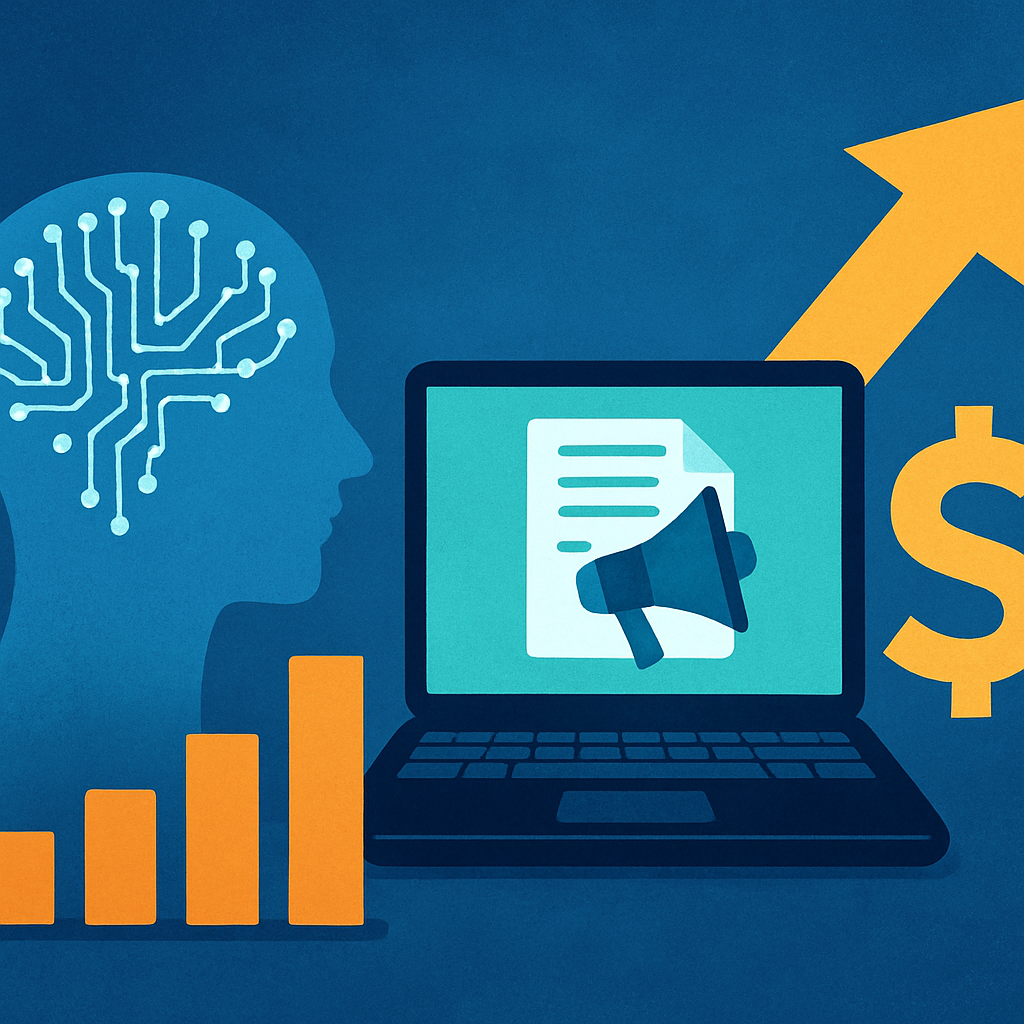
AI tools can increase productivity by up to 40% by streamlining communication and collaboration processes.
Real-World Success Stories
Take ABC Corp., for example. After integrating an AI-driven project management tool into their workflow, they noticed a dramatic improvement in alignment during their quarterly workshops. Teams were able to come prepared with insights derived from data analytics, leading to more focused discussions and actionable outcomes. The result? A whopping 30% reduction in project turnaround time!
Incorporating AI into your alignment efforts isn’t just about keeping up with trends; it’s about creating an environment where everyone is equipped with the right insights and tools to collaborate effectively. So next time you plan a workshop, think about how you can integrate these powerful technologies into your strategy!
Addressing Common Challenges in Team Alignment Initiatives
Ever tried to align a group of cats? That’s what it feels like trying to get a team on the same page without effective team alignment workshops. A staggering 70% of change initiatives fail, often due to lack of alignment and communication. So, what gives?
Let’s take the example of a mid-sized healthcare organization with separate departments for clinical operations and administrative support. Each department has its own goals, metrics, and even lingo. When they attempt to collaborate, it’s like trying to translate Shakespeare into emoji—confusion reigns supreme!
Common Pitfalls
Misalignment can stem from various sources. Here are a few common pitfalls:
- Vague objectives: If your goals are as clear as mud, don’t be surprised when teams veer off course.
- Siloed communication: When departments communicate only within their bubble, innovation takes a nosedive.
- Resistance to change: Some team members may cling to old ways like a toddler refusing to part with their favorite toy.
Strategies for Overcoming Challenges
First off, establish clear objectives that everyone can rally behind. Think of these as the North Star guiding your ship through turbulent waters.
Next, encourage open communication across departments. Regular check-ins can help bridge gaps and ensure everyone is on the same wavelength. For instance, instead of waiting for quarterly meetings, consider monthly catch-ups where teams share updates and challenges.
Lastly, foster a culture that embraces change rather than fears it. This might involve training sessions or workshops focused on building resilience among team members. After all, adaptability is the name of the game in today’s fast-paced business world.
In conclusion, addressing these common challenges isn’t just about avoiding pitfalls; it’s about creating an environment where collaboration thrives. Think about your organization: Are there silos that need breaking down? If so, it might be time to invest in some effective team alignment workshops!
Creating a Roadmap for Ongoing Collaboration Post-Workshop
A whopping 70% of teams report that the benefits of alignment workshops fade within just a few weeks. That’s like throwing a fantastic party only to watch everyone leave early. So, how do we keep the momentum going after those enlightening team alignment workshops?
Creating a roadmap for ongoing collaboration is crucial to ensure that the insights gained during these workshops don’t get lost in the shuffle of daily operations. Think of it as setting up a GPS for your team: without it, you might find yourselves driving in circles instead of heading toward your destination.
Step 1: Document Key Takeaways
Immediately following the workshop, gather all participants to document key takeaways and action items. This isn’t just about writing things down; it’s about capturing the energy and enthusiasm while it’s fresh. Utilize collaborative tools like Google Docs or Miro to create a shared document where everyone can contribute their thoughts.
Step 2: Set Clear Goals and Milestones
Once you’ve documented insights, it’s time to translate them into clear goals. What specific outcomes do you want to achieve? For instance, if your marketing and product teams identified communication gaps, set a milestone for weekly sync-up meetings for the next quarter. Make these goals SMART: Specific, Measurable, Achievable, Relevant, and Time-bound.
Step 3: Assign Accountability
Everyone is responsible often means no one is responsible. Assign accountability by designating champions for each goal or milestone. These champions should be responsible for reporting progress in regular team meetings and ensuring that commitments are followed through.
Step 4: Schedule Regular Check-ins
Out of sight, out of mind rings true when it comes to collaboration efforts post-workshop. Schedule regular check-ins—bi-weekly or monthly—where teams can share updates on their progress towards goals. This keeps everyone engaged and allows for real-time adjustments if something isn’t working as planned.










Leave a Reply